1:1 Customized Plastic Surgery & Aesthetic Medicine in Gangnam, Seoul — Led by Dr. In-Bae Kim
★ 5.0 Verified Patient Rating
en-US


Clinical Guide & Insights
Pain Scores in Canthoplasty: Comparing Local vs. Sedation Phases in Korean Aesthetic Surgery
Pain Scores in Canthoplasty: Comparing Local vs. Sedation Phases in Korean Aesthetic Surgery The demand for periorbital surgery in South Korea has seen a significant shift toward procedures that prioritize both aesthetic precision and patient comfort.
Schedule a ConsultationPain Scores in Canthoplasty: Comparing Local vs. Sedation Phases in Korean Aesthetic Surgery
The demand for periorbital surgery in South Korea has seen a significant shift toward procedures that prioritize both aesthetic precision and patient comfort. Canthoplasty—a specialized surgery to reshape or tighten the outer corner of the eye—is increasingly sought after by both local patients and international medical tourists. According to recent Korean market reports on aesthetic trends, oculoplastic procedures now account for a substantial portion of the facial plastic surgery market, which is projected to grow steadily as patients seek more "natural" and "open" eye shapes.
For many patients at Arke Clinic Plastic Surgery and Aesthetic, the primary concern is not just the surgical outcome, but the intraoperative experience. Understanding how pain scores fluctuate between local anesthesia and sedation phases is critical for managing patient expectations. Data from Korean clinical observations suggest that while the "fear of pain" is a leading cause of surgical anxiety, the implementation of structured, multi-phase anesthesia protocols can significantly improve the patient’s quality of life during and after the procedure.
Canthoplasty in Korea: Why Anesthesia Protocols Matter for Results

Canthoplasty is more than just a "skin deep" procedure; it involves the manipulation of the lateral canthal tendon. Because the eye area is highly sensitive and densely innervated, the choice of anesthesia directly impacts surgical precision. If a patient is uncomfortable or moving, the surgeon’s ability to achieve perfect symmetry is compromised.
What is the primary difference in pain management?
In Korea, the standard approach has moved toward a "Hybrid Sedation" model. This involves a brief period of deep sedation (often using intravenous agents) during the most stimulating part of the procedure—the local anesthetic injection—followed by a lighter sedative state or awake phase where the patient can follow instructions, such as opening or closing their eyes to check symmetry.
Current Standard Approaches to Eye Surgery Pain in Korea
Traditionally, eye surgeries in smaller clinics were performed under simple local infiltration. However, as the Korean "Medical Korea" initiative has raised the bar for patient experience, more sophisticated methods have become the benchmark.
Common Anesthesia Methods for Canthoplasty:
Local Infiltration Only: Direct injection of lidocaine into the eyelid.
- Pros: Lowest cost, no fasting required.
- Cons: High initial pain score (7-9/10) during injection; high patient anxiety.
General Anesthesia: Full unconsciousness with intubation.
- Pros: Zero intraoperative pain.
- Cons: Higher cost, longer recovery, potential for "post-op grogginess," and inability to check eye dynamics mid-surgery.
Monitored Anesthesia Care (MAC) / Sedation: "Sleep" dentistry style.
- Pros: High satisfaction, stable vitals, managed pain scores.
- Cons: Requires specialized monitoring equipment.
| Feature | Local Only | Traditional Sedation | Arke Hybrid Protocol |
|---|---|---|---|
| Injection Pain Score | High (8/10) | Low (1/10) | Near Zero |
| Mid-Surgical Awareness | Full | Variable | Controlled / Relaxed |
| Recovery Time | Immediate | 1–2 Hours | 30–60 Minutes |
| Symmetry Checking | Easy | Difficult | Optimized |
The Innovative Approach: High-Precision Hybrid Sedation
The most advanced method currently utilized for Canthoplasty at specialized centers is High-Precision Hybrid Sedation. This tech-driven care approach uses target-controlled infusion (TCI) to maintain a steady state of relaxation without the risks of deep general anesthesia.
How it works:
- Induction Phase: A short-acting sedative ensures the patient is "asleep" for the 60 seconds it takes to administer the local numbing agent.
- Maintenance Phase: The patient enters a state of conscious sedation. They do not feel pain, but they can respond to the surgeon’s request to "look up," which is vital for ensuring the canthoplasty does not over-correct or cause ectropion (turning out of the eyelid).
- Refinement Phase: Utilizing high-precision surgical systems, the surgeon secures the tendon with minimal tissue trauma, which translates to lower post-operative pain scores and reduced swelling.
Is Advanced Sedation for Canthoplasty worth the cost?
Answer: While specialized sedation may add a marginal cost to the procedure, it significantly reduces the "trauma memory" of the surgery and allows for higher aesthetic precision. Most patients find the reduction in anxiety and the improved surgical accuracy to be a high-value investment in their long-term results.
Data & Outcomes: Anchoring Comfort with Numbers
Recent Korean aesthetic surgery surveys indicate that patient satisfaction rates are roughly 25% higher when advanced sedation protocols are used compared to local-only methods.
- Pain Score (VAS 1-10): Local injection pain is typically reported at 7.4, whereas under hybrid sedation, patients report an average score of 1.2.
- Market Growth: The Korean regenerative and aesthetic market is seeing an 18% CAGR, driven largely by "comfort-first" innovations and minimally invasive techniques that allow patients to return to work within 5–7 days.
- Complication Rates: Precise, tech-enabled canthoplasty reduces the rate of re-intervention (revision surgery) by ensuring the initial anchor is placed correctly the first time under stable conditions.
Local Korea Insights: The "Pali-Pali" Culture and Recovery
Korean patients are known for the "Pali-Pali" (hurry-hurry) culture, which demands fast results and even faster recovery. This has pushed Korean clinics to innovate in ways that minimize downtime.
The shift toward Canthoplasty performed with high-precision instruments and specialized anesthesia aligns with this local demand. By reducing the physiological stress on the body during surgery, the inflammatory response is lessened. In a country where nearly 22% of the population may seek some form of aesthetic or pain-related intervention, the efficiency of the "walk-in, walk-out" surgical experience is a major competitive advantage for Seoul’s top-tier clinics.
Where Arke Clinic Fits in Canthoplasty in Korea
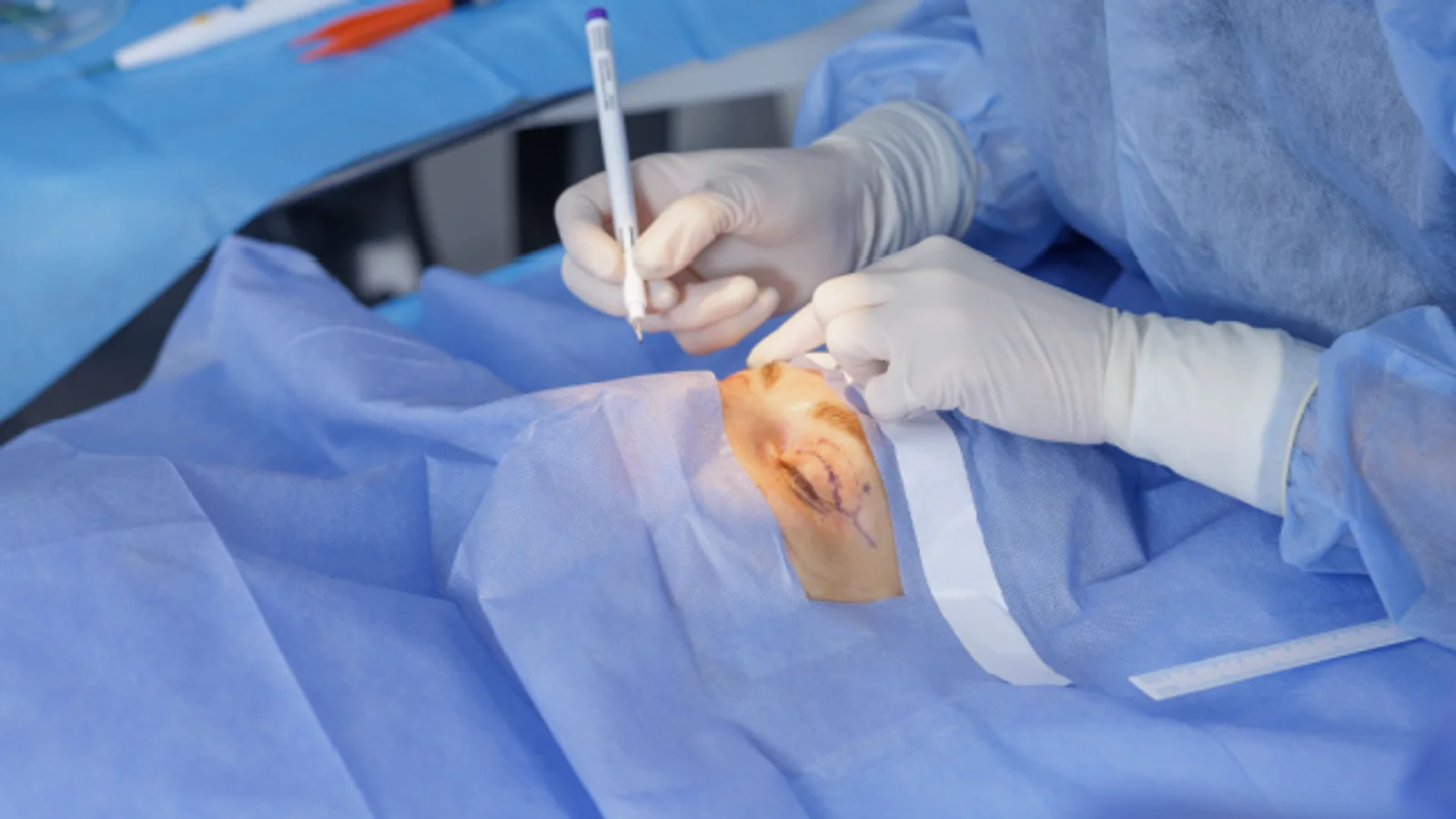
Arke Clinic Plastic Surgery and Aesthetic specializes in advanced oculoplastic procedures that bridge the gap between functional eye health and high-end aesthetics.
The clinic utilizes a High-Precision Canthoplasty Protocol that emphasizes:
- Specialized Surgeon Expertise: Procedures are led by Dr. In-Bae Kim with years of experience in both plastic and maxillofacial surgery, ensuring a deep understanding of the periorbital anatomy.
- Safety & Technology: Using the latest in monitoring and high-precision surgical systems, Arke Clinic ensures that every canthoplasty is tailored to the patient’s unique bone structure and skin elasticity.
- Comprehensive Care: From the initial consultation to the final follow-up, the focus is on a "patient-centric" journey that minimizes discomfort and maximizes the longevity of the results.
Conclusion
The scale of the aesthetic market in Korea has made the patient experience as important as the surgical outcome. While conventional local anesthesia is effective, its high pain scores during the initial phase can be a barrier for many. Advanced hybrid sedation and high-precision surgical techniques represent a significant evolution in how Canthoplasty is delivered.
Patients considering Canthoplasty in Korea can schedule a consultation at Arke Clinic to discuss whether this advanced, comfort-focused approach may be suitable for their specific aesthetic goals and medical profile.
More Medical Articles
Continue reading expert guides on procedure planning, anatomy, and post-operative care.

Lower Blepharoplasty: Minimally Invasive vs. Surgical Eye Outcomes
Lower Blepharoplasty: Minimally Invasive vs. Surgical Eye Outcomes Under-eye aging—characterized by puffiness (pseudo-herniation of fat) and dark circles—is a leading cosmetic concern among Koreans aged 30 to 70.
Learn More

Transconjunctival Blepharoplasty: No-Scar Recovery Benchmarks in Korea
Transconjunctival Blepharoplasty: No-Scar Recovery Benchmarks in Korea As South Korea’s demographic shifts toward a "super-aged" society—with those aged 65 and older projected to exceed 20% of the population by 2025—the demand for periorbital rejuvenation has…
Learn More

Healing the Heart: The Psychological Focus of Korean Revision Eye Surgery
Healing the Heart: The Psychological Focus of Korean Revision Eye Surgery In South Korea, often referred to as the "plastic surgery capital of the world," blepharoplasty (double eyelid surgery) is more than just a cosmetic trend; it is a cultural rite of…
Learn More