1:1 Customized Plastic Surgery & Aesthetic Medicine in Gangnam, Seoul — Led by Dr. In-Bae Kim
★ 5.0 Verified Patient Rating
en-US

Clinical Guide & Insights
Why More Young Adults Are Seeking Hair Loss Treatments
Discover why more young adults are turning to hair loss treatments. Explore causes, solutions, and expert advice. Learn how to take control today.
Schedule a ConsultationIntroduction
An aesthetic medicine perspective from Seoul’s plastic surgery and dermatology field
To be honest, ten or fifteen years ago, most people associated hair loss clinics with middle-aged men quietly trying to “fix” a problem they felt embarrassed about. Consultations were often delayed, discreet, and framed as a last attempt to recover something already lost.
Today, that image feels outdated.
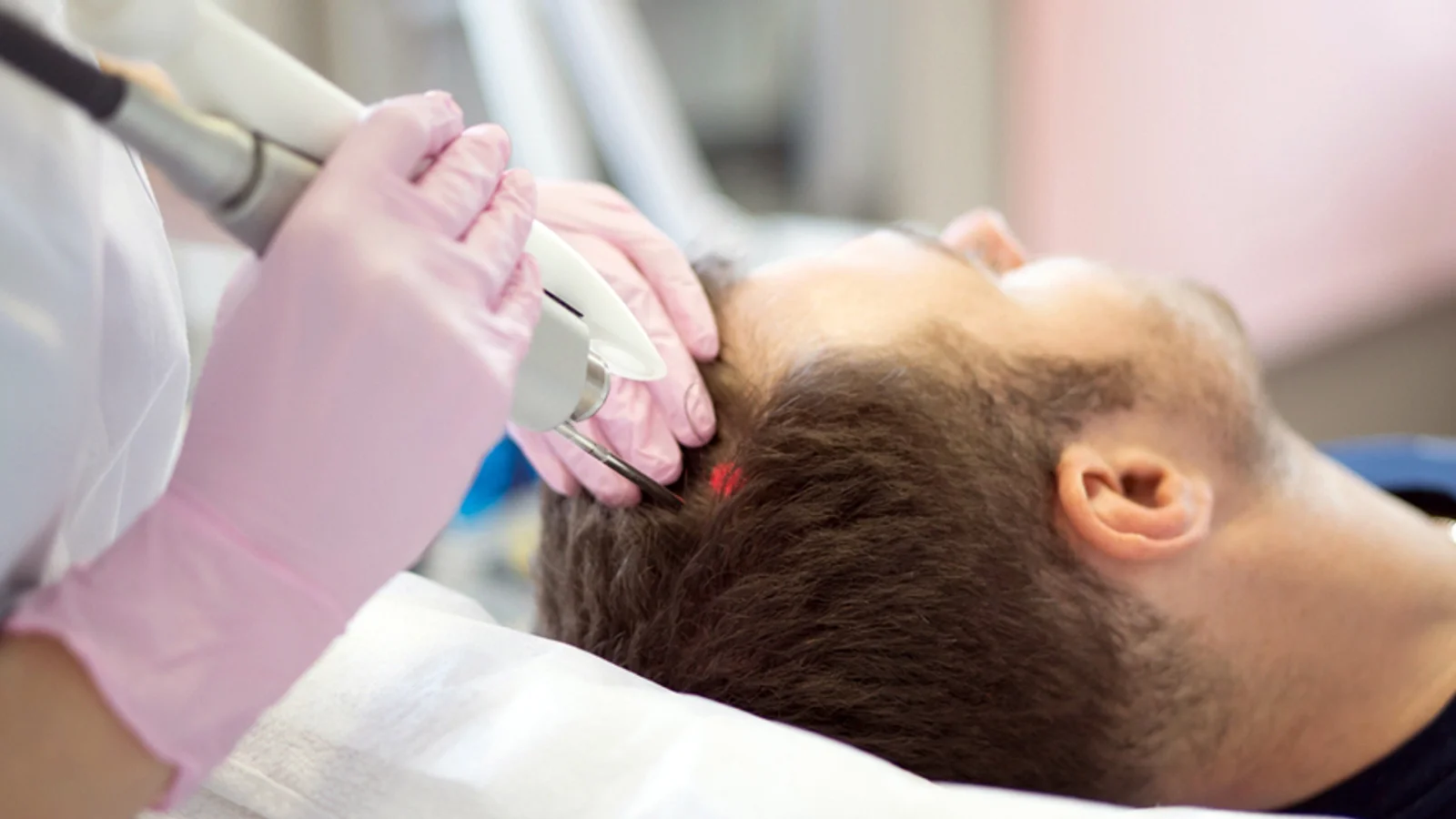
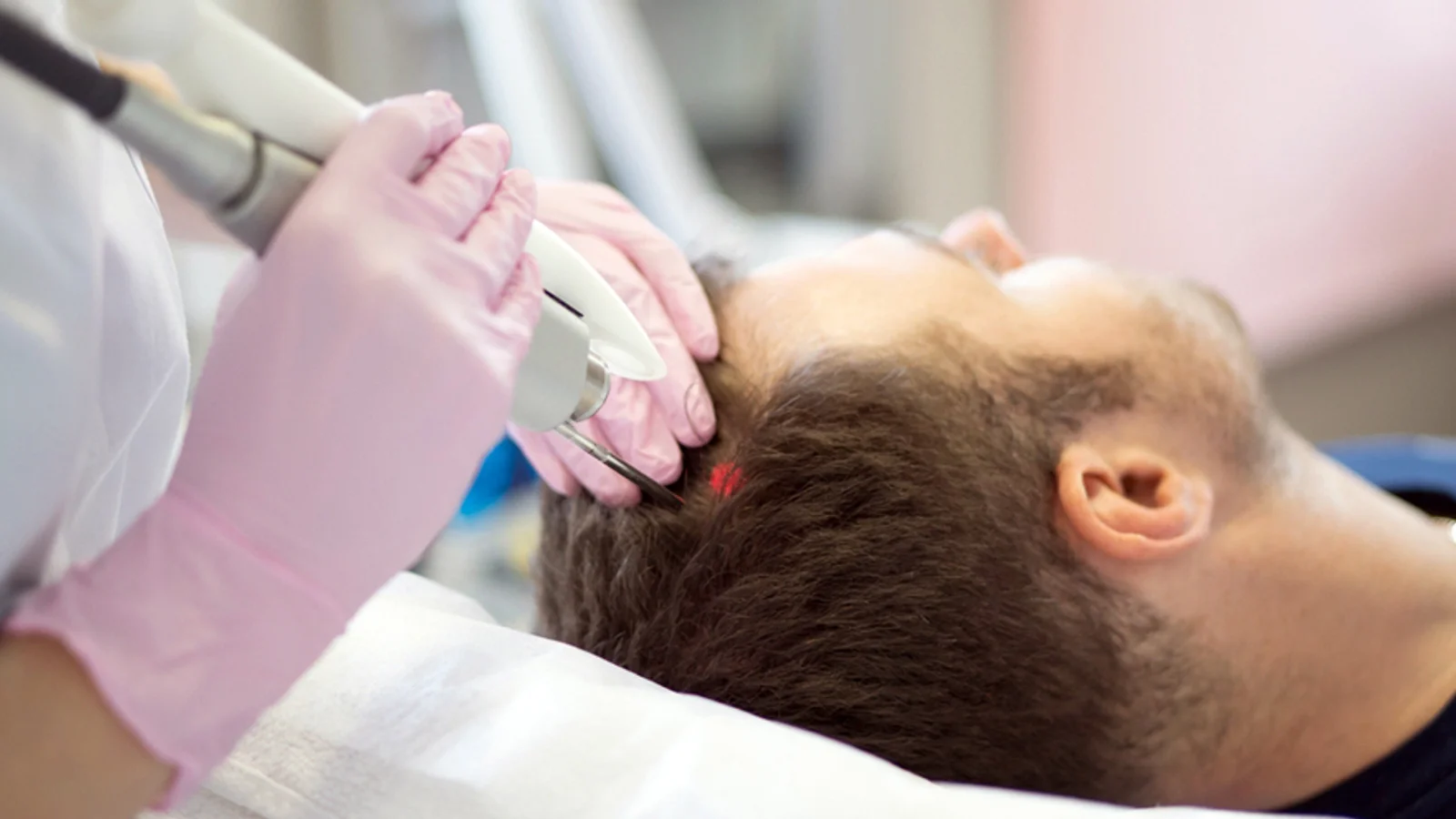
At clinics across Seoul — especially in Gangnam — a growing number of patients in their early 20s and 30s are seeking professional advice for hair loss. Many are not bald. Some still have what others would consider “good hair.” Yet they come with a clear concern: “My hair is changing, and I don’t want to wait until it’s too late.”
This shift isn’t superficial or trend-driven. It reflects deeper changes in biology, lifestyle, technology, and how young adults understand both aesthetics and long-term self-care. From a clinical standpoint, this is one of the most meaningful changes in modern aesthetic medicine — and one that requires thoughtful explanation, not quick promises.
Hair Loss Is Starting Earlier Than Before
One of the most misunderstood aspects of hair loss is when it truly begins.
Genetics don’t wait for your 40s
Androgenetic alopecia — the most common cause of hair thinning in both men and women — often begins silently in the early 20s, and in some cases even during the late teenage years. The process is gradual and biological. Hair follicles slowly miniaturize under hormonal influence, producing thinner, shorter hairs over time.
By the point visible thinning appears, the condition is rarely “new.” In many young patients, the underlying process has already been active for several years.
A common comment during consultations is:
“I thought it was just stress or seasonal shedding… I didn’t realize it had a name.”
From a medical perspective, this is critical. Hair follicles that are still alive — even if weakened — can often be stabilized and supported. Once follicles have completely shut down, however, no topical product or medication can truly bring them back.
This is why earlier evaluation matters. Not because everyone needs treatment immediately, but because understanding what’s happening early allows for smarter decisions later.
The Visual Pressure of the Digital Age
Young adults today are exposed to their own appearance in ways previous generations never experienced.
Cameras don’t lie — and they don’t forget
Between:
High-resolution smartphone cameras
Social media platforms that encourage constant photo comparison
Video calls, Zoom meetings, and recorded presentations
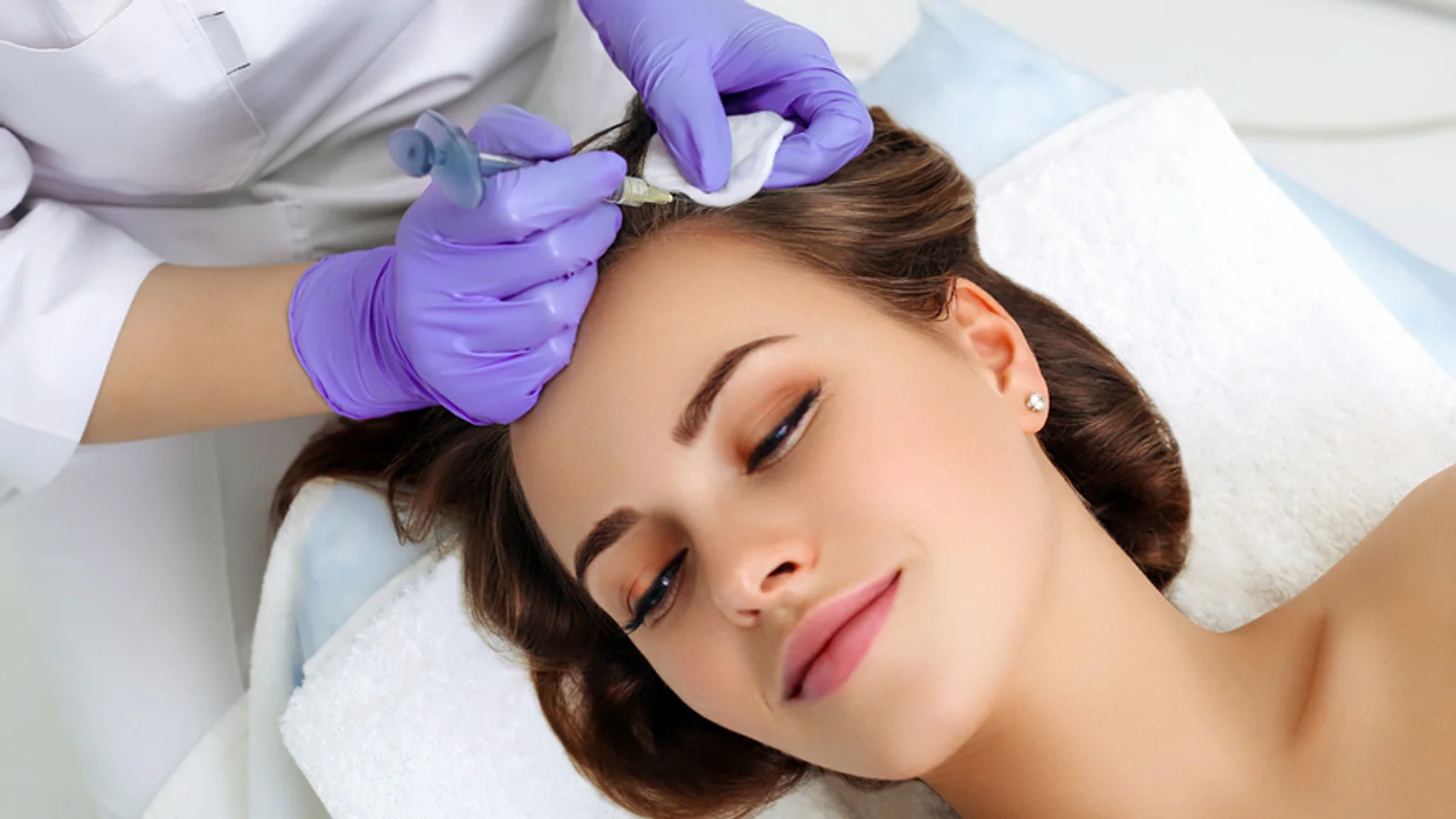
Subtle changes become noticeable far earlier. Receding temples, thinning crowns, widening parts, or reduced volume at the hairline are often spotted not in mirrors, but in photos taken months apart.
Hair loss is no longer something you discover unexpectedly one morning. It’s documented, tracked, and sometimes magnified by lighting, angles, and digital filters that paradoxically emphasize imperfections.
This constant visual feedback loop doesn’t create hair loss, but it does accelerate awareness — and with it, the desire to understand options before changes become obvious to others.
Changing Attitudes Toward Preventive Aesthetic Care
Another powerful driver behind this trend is a cultural shift in how aesthetic medicine is viewed, particularly in Korea.
Treatment is no longer a last resort
In Seoul, aesthetic care is increasingly approached the same way people approach skincare, orthodontics, or dental health: preventive, proactive, and long-term.
Young adults are no longer asking, “How do I fix this?”
They’re asking, “How do I slow this down?”
This mindset is reflected in consultations at clinics such as Arke Clinic, where younger patients often focus less on dramatic change and more on preservation:
“What can I do now to keep my hair stable?”
“How can I prevent this from becoming obvious later?”
From a clinical perspective, this approach is not only reasonable — it’s often ideal. Early, conservative intervention typically requires fewer treatments, lower intensity, and produces results that appear completely natural.
Stress, Lifestyle, and the Modern Biological Load
While genetics play a foundational role, modern lifestyle often determines how fast hair loss progresses.
Young adults today face:
Chronic academic and professional pressure
Irregular sleep schedules
High screen exposure and mental fatigue
Crash dieting or inconsistent nutrition
Smoking, alcohol, and excessive caffeine consumption
Stress does not directly cause genetic hair loss, but it shortens hair growth cycles and increases shedding. When combined with genetic sensitivity, this creates the impression that hair loss is “sudden,” when in reality it has been quietly accelerating.
What many patients overlook is that hair follicles are biologically demanding structures. They require stable blood flow, nutrients, hormonal balance, and rest. When the body is under prolonged strain, hair is often one of the first systems to reflect that imbalance.
Earlier Treatment Means Better, More Natural Results
Here is an important truth that experienced clinicians understand well:
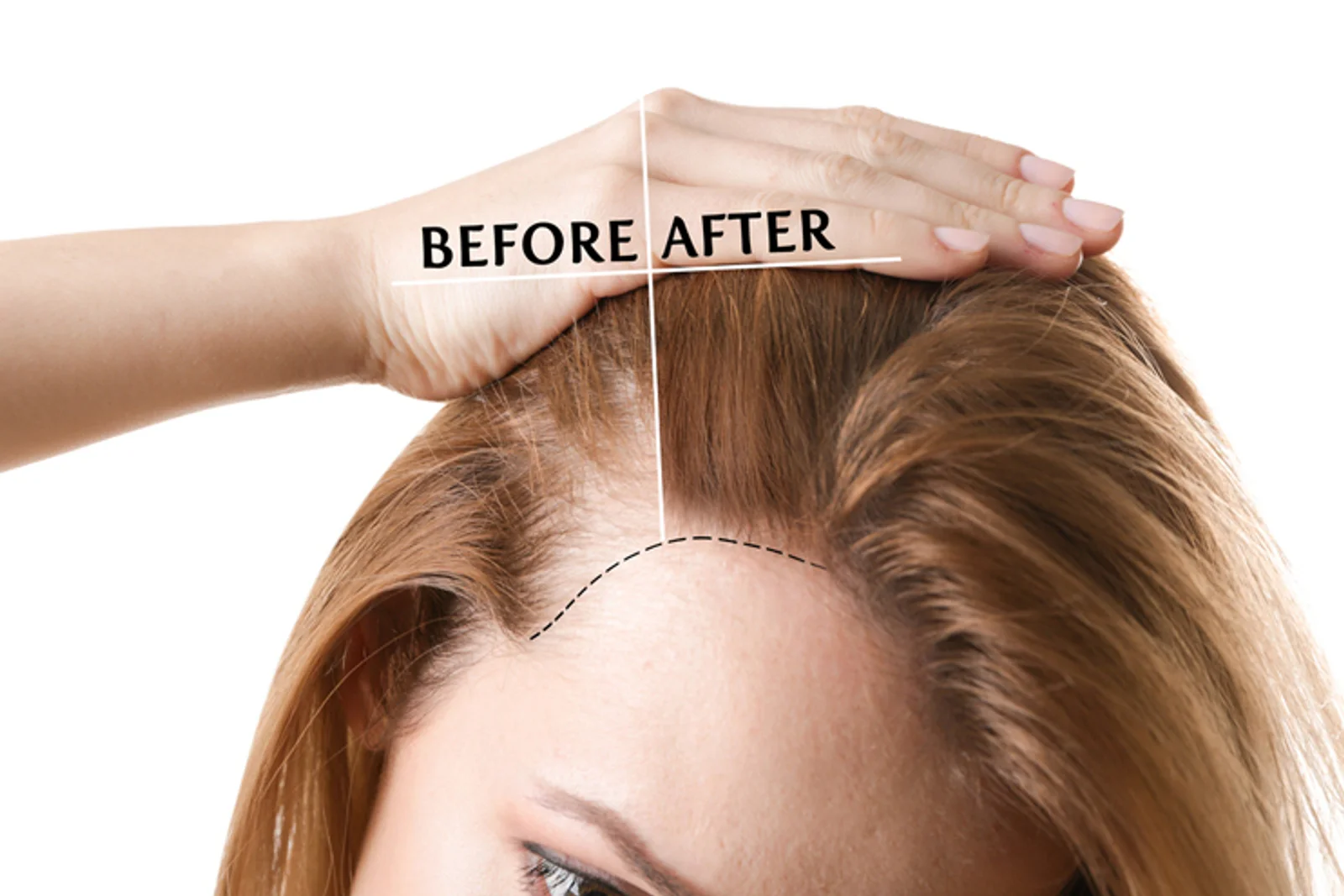
Hair loss treatments work best when hair loss still looks minor.
When patients seek care early:
Hair density is still present
Follicles remain responsive
Non-surgical options are often sufficient
Results blend seamlessly with natural hair patterns
In contrast, advanced hair loss often requires:
More aggressive intervention
Surgical procedures
Longer treatment timelines
Higher financial and emotional investment
From an aesthetic philosophy standpoint — particularly within Korean medicine, where balance and subtlety are prioritized — preservation almost always looks more natural than reconstruction.
Early treatment is not about chasing perfection. It’s about maintaining proportion, age-appropriate density, and confidence without obvious signs of intervention.
The Psychological Weight of Hair Loss at a Young Age
Hair loss affects more than appearance — it influences identity, behavior, and emotional well-being.
Young patients frequently describe:
Adjusting hairstyles to hide thinning areas
Avoiding bright lighting or certain angles in photos
Feeling older than peers despite being the same age
Anxiety during dating, interviews, or public speaking
Because hair is closely tied to youth and vitality, early hair loss can feel especially unfair. For many patients, seeking treatment isn’t driven by vanity, but by the desire to stop worrying every day.
From a clinical standpoint, addressing hair loss early often reduces long-term psychological stress — even when treatment goals are modest.
Seoul, Gangnam, and Access to Advanced Hair Loss Care
Seoul’s reputation as a global center for aesthetic medicine has also influenced this trend. Gangnam, in particular, attracts both local and international patients seeking:
Detailed scalp and follicle diagnostics
Evidence-based treatment planning
Long-term follow-up rather than one-time prescriptions
Leading clinics approach hair loss holistically, evaluating scalp health, facial structure, aging patterns, and lifestyle factors. Hair is not treated in isolation, but as part of overall appearance and aging.
This integrated philosophy reflects broader trends in plastic surgery in Gangnam, where prevention, precision, and personalization guide clinical decisions.
What Young Adults Should Know Before Starting Treatment
From a medical perspective, several realities are worth understanding before beginning any hair loss program:
Hair loss treatment is long-term maintenance, not a cure
Meaningful results take months, not weeks
Temporary shedding does not always equal permanent loss
Online advice cannot replace professional diagnosis
Perhaps most importantly, not everyone with early hair thinning needs immediate treatment. In some cases, monitoring and lifestyle adjustment may be the most appropriate first step.
A responsible treatment plan should be based on individual progression patterns, age, and future expectations, not fear or comparison.
A Quiet Insight from Clinical Experience
There is one principle experienced clinicians rarely state directly, but practice daily:
The goal is not to save every hair.
The goal is to preserve harmony — between age, density, and natural appearance.
Sometimes that means stabilizing rather than regrowing. Sometimes it means doing less rather than more. And sometimes, the best decision is simply observation under professional guidance.
This level of judgment comes from experience — and from clinics that prioritize long-term trust over immediate results.
Final Thoughts
More young adults are seeking hair loss treatments because:
Hair loss often begins earlier than expected
Visual self-awareness has increased dramatically
Preventive aesthetic care is culturally normalized
Treatment options are safer and more refined
Mental well-being is taken seriously
In many ways, this trend reflects a healthier relationship with aesthetic medicine — one grounded in education, early awareness, and thoughtful planning rather than panic or extremes.
If you’re noticing early changes and wondering whether it’s “too soon” to consult a professional, it usually isn’t. Personalized evaluation and conservative planning — especially for younger patients — often lead to the most natural, confidence-preserving outcomes over time.
Hair loss may be common, but the way it’s managed today no longer has to feel reactive or isolating. With the right guidance, it can become just another aspect of responsible, long-term self-care.
More Medical Articles
Continue reading expert guides on procedure planning, anatomy, and post-operative care.

Lower Blepharoplasty: Minimally Invasive vs. Surgical Eye Outcomes
Lower Blepharoplasty: Minimally Invasive vs. Surgical Eye Outcomes Under-eye aging—characterized by puffiness (pseudo-herniation of fat) and dark circles—is a leading cosmetic concern among Koreans aged 30 to 70.
Learn More

Transconjunctival Blepharoplasty: No-Scar Recovery Benchmarks in Korea
Transconjunctival Blepharoplasty: No-Scar Recovery Benchmarks in Korea As South Korea’s demographic shifts toward a "super-aged" society—with those aged 65 and older projected to exceed 20% of the population by 2025—the demand for periorbital rejuvenation has…
Learn More

Healing the Heart: The Psychological Focus of Korean Revision Eye Surgery
Healing the Heart: The Psychological Focus of Korean Revision Eye Surgery In South Korea, often referred to as the "plastic surgery capital of the world," blepharoplasty (double eyelid surgery) is more than just a cosmetic trend; it is a cultural rite of…
Learn More