1:1 Customized Plastic Surgery & Aesthetic Medicine in Gangnam, Seoul — Led by Dr. In-Bae Kim
★ 5.0 Verified Patient Rating
en-US

Clinical Guide & Insights
Under-Eye Bags Making You Look Older? Surgical & Non-Surgical Fixes
Tired of looking older due to under-eye bags? Discover effective surgical & non-surgical treatments to rejuvenate your look. Learn more today!
Schedule a ConsultationIntroduction
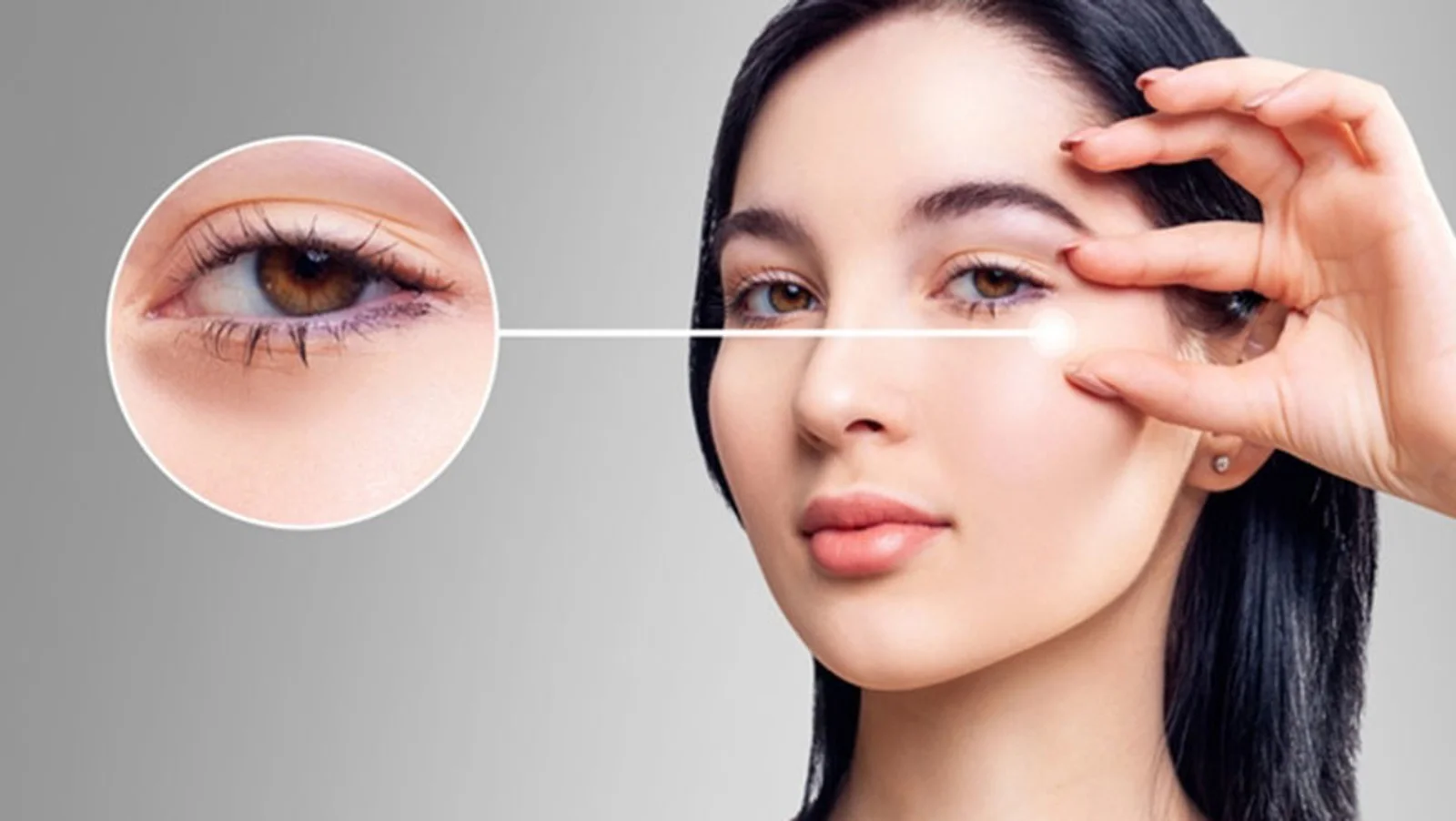
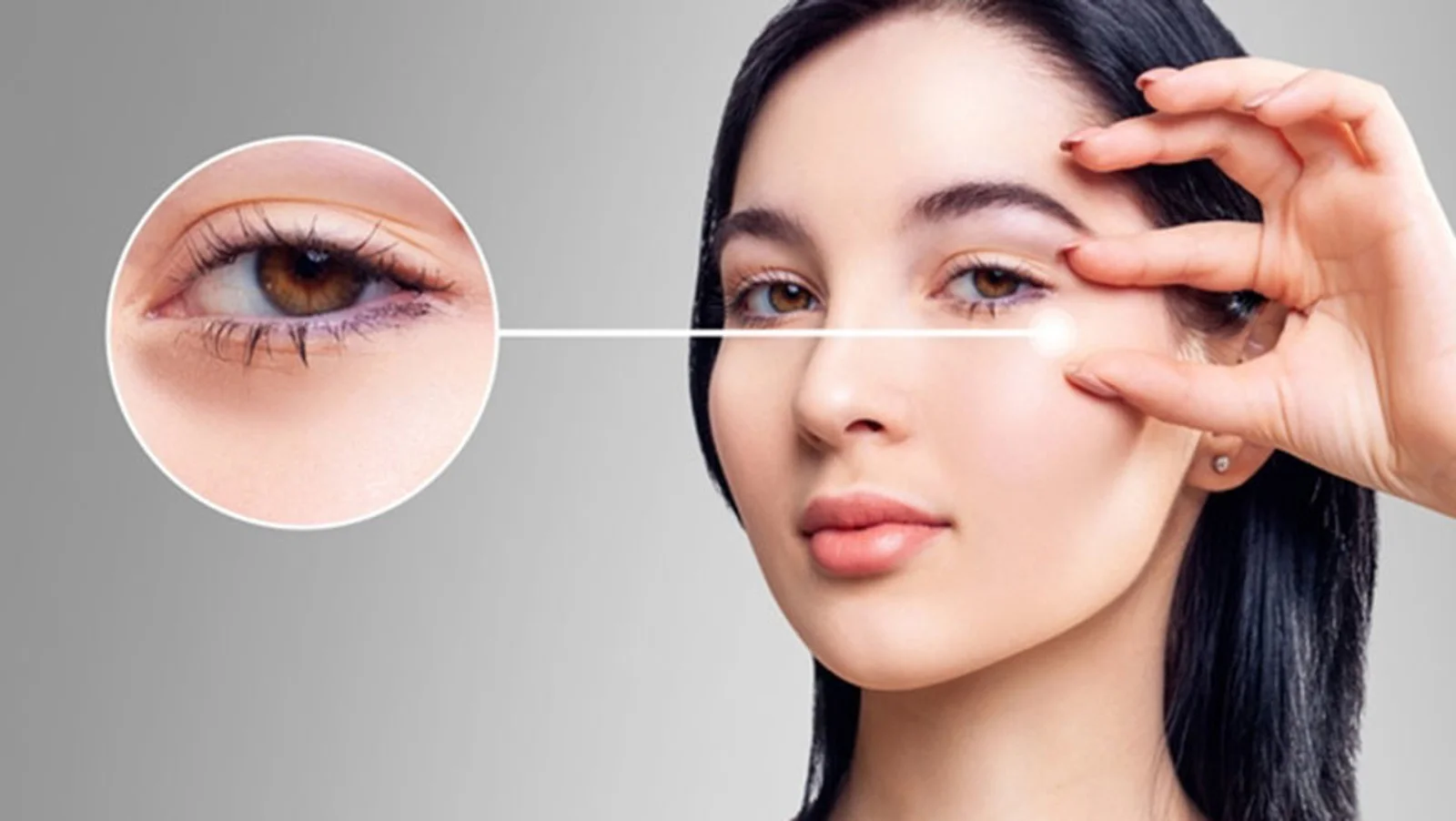
It’s often said that the eyes are the first place where aging shows — and many of our patients agree. At Arke Clinic in Gangnam, one of the most common concerns we hear is:
“I look tired even when I’ve had plenty of sleep. Is it because of my under-eye bags?”
If this sounds familiar, you’re not alone. Under-eye bags are one of the most visible signs of facial aging, and they can add years to your appearance even if the rest of your face looks youthful. But what many people don’t realize is that “eye bags” aren’t caused by just one thing — and not all solutions are created equal.
Let’s explore why under-eye bags form, the cultural importance of youthful eyes in Korea, and the surgical and non-surgical options available — including the advanced treatments offered at Arke Clinic in Seoul.
Why Do Under-Eye Bags Form?
To be honest, patients often assume that under-eye bags are only caused by lack of sleep, too much alcohol, or stress. While lifestyle factors can make puffiness worse, the real cause is anatomical and age-related.
As we age:
Fat pads under the eyes protrude because the supporting ligaments and orbital septum weaken. What was once tightly held back begins to bulge forward.
Skin loses elasticity, creating sagging or crepey texture that makes the bulge look heavier.
Tear trough hollowing develops as midface volume decreases, making the contrast between the lower eyelid and the cheek more noticeable.
Fluid retention from hormonal changes, allergies, or diet can exaggerate the puffiness.
Genetics also play a major role — some patients in their 20s and 30s already show visible under-eye bags, even with healthy sleep and skincare habits.
In Korea, where bright, youthful eyes are considered central to facial harmony, these changes are especially concerning. Many patients come to us not just because of aesthetics, but because they feel their appearance no longer reflects their energy or personality. They hear comments like “You look tired,” even when they feel perfectly rested.
Non-Surgical Fixes for Under-Eye Bags
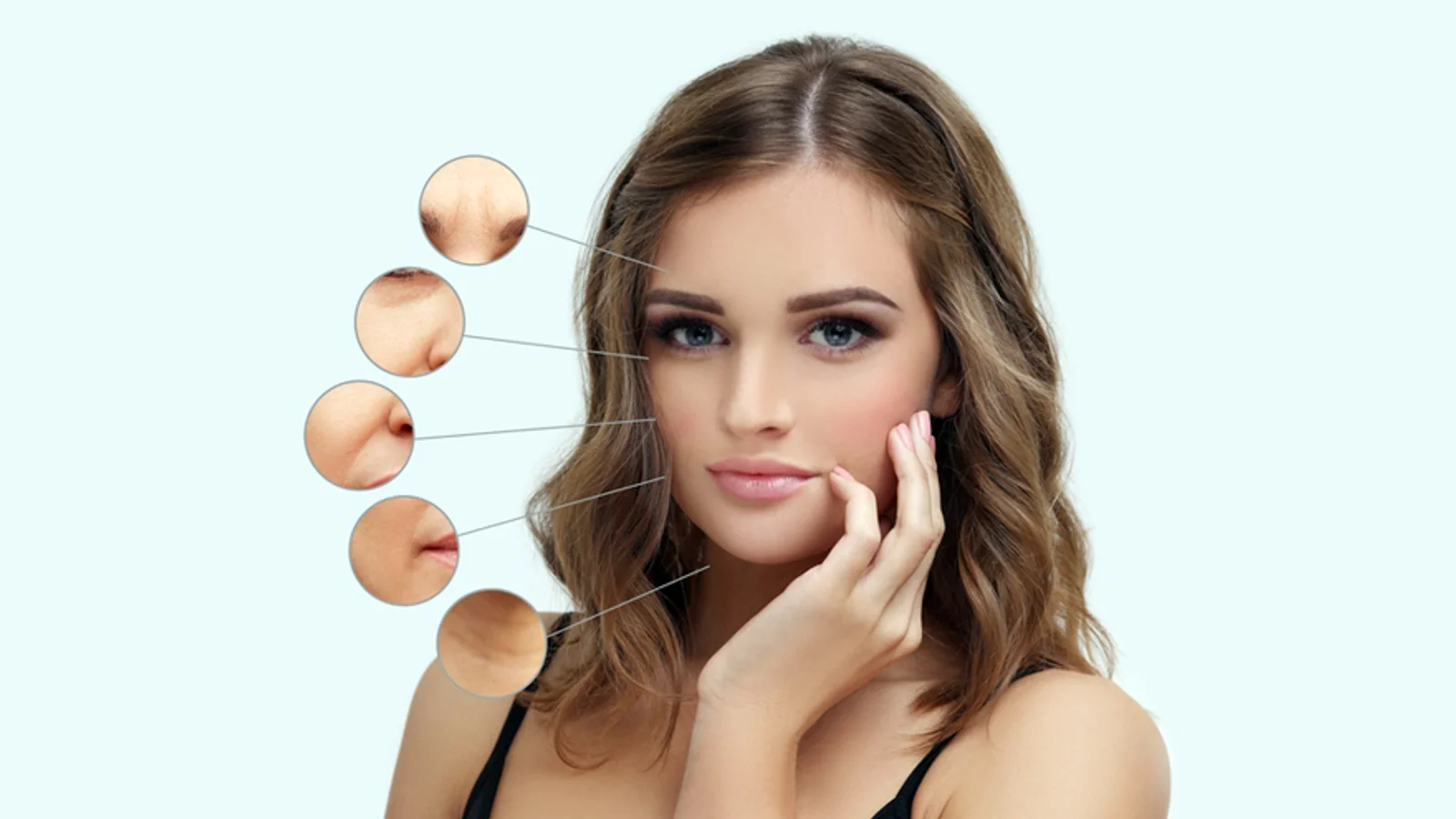
Not every patient needs surgery. In fact, at Arke Clinic we often recommend starting with conservative, non-invasive solutions — especially for younger patients or those with mild concerns. These treatments can refresh the eye area and delay the need for surgery.
1. Dermal Fillers
Dermal fillers, usually hyaluronic acid–based, can be used to soften the transition between the under-eye bag and the cheek. By filling in the hollow tear trough area, the bulge appears less obvious.
Pros: Immediate results, minimal downtime, non-invasive.
Cons: Results are temporary (6–12 months), and improper injection technique can lead to puffiness or the so-called Tyndall effect (a bluish discoloration under the skin).
At Arke Clinic, we take a conservative approach — subtlety is key. Overfilling the tear trough can create an unnatural look, which is why filler treatments must be tailored carefully to each patient’s anatomy.
2. Microfat Grafting
Unlike synthetic fillers, microfat grafting uses your own fat (usually harvested from the abdomen or thighs) to restore smoothness under the eyes. This technique involves refining fat cells to a micro-level and carefully layering them beneath the skin.
Dr. In-Bae Kim often prefers microfat grafting over fillers for patients seeking a more natural, longer-lasting solution. Fat integrates with the surrounding tissues and also carries regenerative cells that improve skin quality. Results typically last several years, and because the material is your own, the risk of allergic reaction is essentially zero.
This is particularly effective for patients who not only have under-eye hollows but also volume loss in the cheeks. By rebalancing the “canvas” of the midface, the eyes look refreshed without sharp or obvious transitions.
3. Skin Rejuvenation Treatments
Even when fat pads are the main culprit, the skin’s condition makes a big difference in how under-eye bags appear. At Arke Clinic, we often recommend:
Laser resurfacing to improve skin texture and fine wrinkles.
Radiofrequency or ultrasound tightening to stimulate collagen and improve elasticity.
Regenerative injectables (such as skin boosters) to improve hydration and quality.
These treatments are not designed to correct severe fat prolapse, but they can dramatically improve the surrounding skin — making surgical results last longer or complementing filler/fat grafting treatments.
Surgical Solutions for Under-Eye Bags
When patients ask us for results that are both natural and durable, lower eyelid surgery — also called lower blepharoplasty — is the gold standard.
What Is Lower Blepharoplasty?
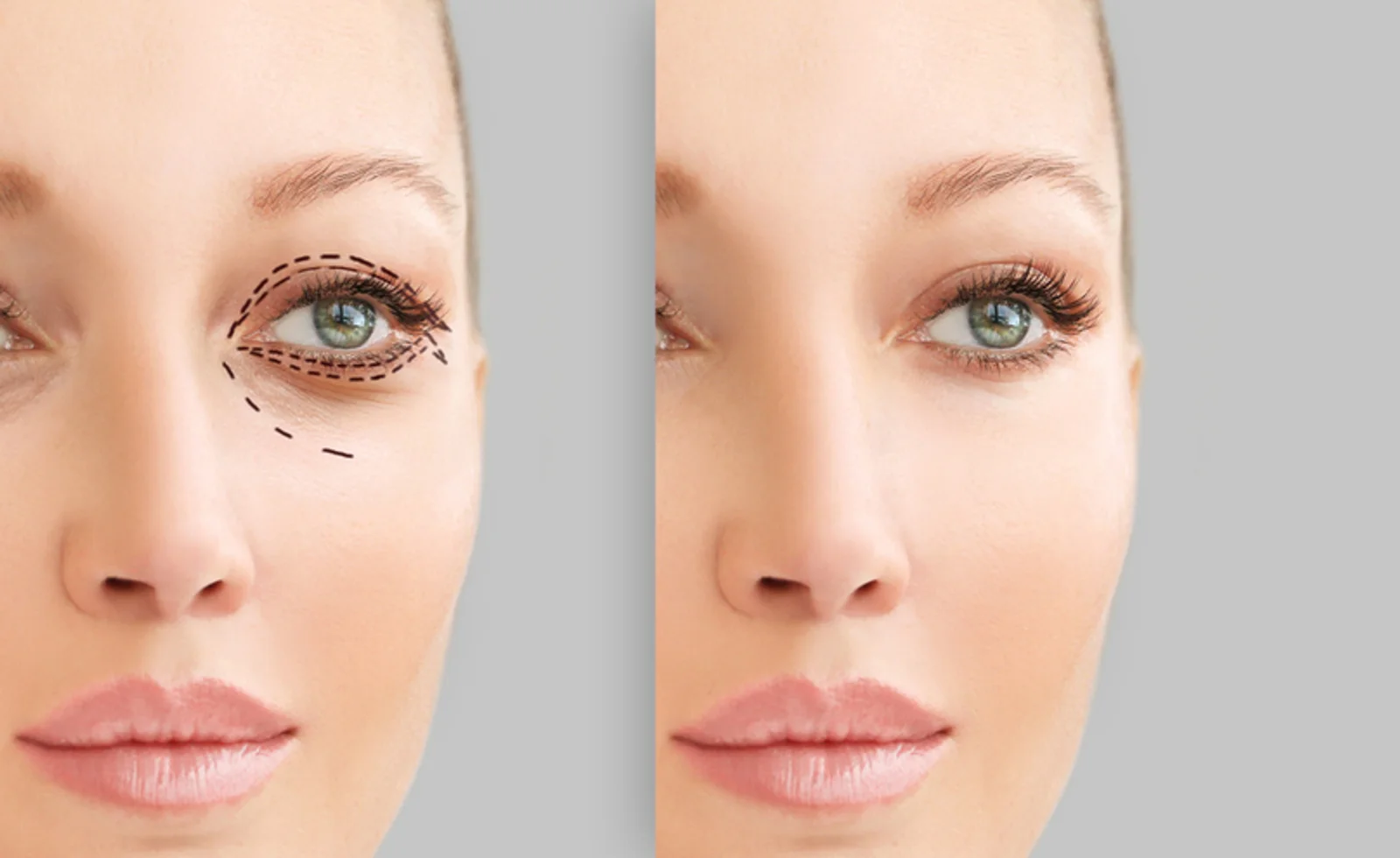
Lower blepharoplasty is a surgical procedure designed to reduce puffiness, reposition or remove excess fat, and tighten skin beneath the eyes. Done correctly, it doesn’t change your natural eye shape dramatically; instead, it restores a rested, youthful appearance.
Think of it like carefully restoring a valuable painting: the goal isn’t to erase all signs of age, but to gently revive what time has faded while preserving the character of the original.
Techniques Used at Arke Clinic
Fat Repositioning: Instead of removing too much fat — which can leave eyes looking hollow or sunken — Dr. Kim repositions fat pads downward to smooth the lid-cheek junction.
Fat Removal (when necessary): In cases of significant bulging, a conservative amount of fat is removed, but balance is always the priority.
Skin Tightening or Trimming: If there is excess skin, it can be gently excised or tightened to reduce wrinkles.
Incision Placement: Depending on the patient’s needs, incisions may be placed just under the lash line or inside the lower eyelid (transconjunctival approach) to minimize visible scarring.
What makes Dr. Kim’s approach distinctive is his focus on individualized surgical planning. Korean patients often request subtlety, while international patients may prefer a slightly more noticeable rejuvenation. By tailoring techniques, Arke Clinic ensures results that enhance confidence without looking “done.”
Recovery and Results
Downtime: Most patients return to normal daily activities within 7–10 days.
Swelling and Bruising: These gradually subside over 2–3 weeks, though light makeup can usually be applied earlier.
Final Results: The refreshed look becomes fully visible within 2–3 months, as tissues settle naturally.
What many patients overlook is the importance of post-op care. At Arke Clinic, aftercare includes follow-up visits, personalized scar care, and lifestyle guidance. For international patients, we provide extended communication and photo check-ins to ensure healing progresses smoothly.
Choosing the Right Path: Surgery or Non-Surgical?
So, how do you decide whether fillers, fat grafting, or surgery is best for you?
It usually depends on three key factors:
Age and Skin Quality – Younger patients with good skin elasticity often benefit from fillers or microfat grafting. Patients in their 40s, 50s, and beyond may need surgery if skin laxity is significant.
Severity of Bags – Mild under-eye bags can be camouflaged. Pronounced fat prolapse usually requires surgical correction.
Longevity of Results Desired – Non-surgical treatments last months to a few years. Surgery, by contrast, provides a structural correction that can last a decade or more.
What many patients don’t realize is that sometimes the best outcome comes from combining treatments. For example, a lower blepharoplasty may be paired with microfat grafting or laser resurfacing to rejuvenate both volume and skin texture. This multi-layered approach restores harmony to the entire midface, not just the eyelids.
Why Patients Choose Arke Clinic in Gangnam
Gangnam is the heart of Korea’s plastic surgery world, attracting patients from all over Asia, Europe, and the Americas. But not every clinic operates the same way.
At Arke Clinic, patients find a balance of academic precision and artistic subtlety. Dr. In-Bae Kim’s background — PhD in Medicine from Yonsei University, former outpatient professor at Seoul St. Mary’s Hospital, and more than 17 years of surgical experience — sets him apart.
Patients choose us because:
We prioritize natural-looking results over drastic or artificial changes.
Every consultation is one-to-one with Dr. Kim, ensuring thorough understanding of your concerns and personalized planning.
Our aftercare system supports both local and international patients, providing clear instructions, regular follow-up, and a safety-first philosophy.
To put it simply, our philosophy is about enhancing — not altering — your unique features. Patients trust us not just for surgical expertise, but for the confidence and peace of mind that come from knowing their care is personalized, safe, and precise.
Final Thoughts
If under-eye bags are making you look older or constantly tired, you don’t have to accept them as inevitable. Whether through subtle non-surgical treatments or a carefully planned blepharoplasty, it’s possible to restore brightness and confidence to your eyes.
If you’ve been considering facial rejuvenation in Seoul, consult with a trusted clinic like Arke in Gangnam for personalized guidance. The right approach isn’t just about looking younger — it’s about looking like your best self.
More Medical Articles
Continue reading expert guides on procedure planning, anatomy, and post-operative care.

Lower Blepharoplasty: Minimally Invasive vs. Surgical Eye Outcomes
Lower Blepharoplasty: Minimally Invasive vs. Surgical Eye Outcomes Under-eye aging—characterized by puffiness (pseudo-herniation of fat) and dark circles—is a leading cosmetic concern among Koreans aged 30 to 70.
Learn More

Transconjunctival Blepharoplasty: No-Scar Recovery Benchmarks in Korea
Transconjunctival Blepharoplasty: No-Scar Recovery Benchmarks in Korea As South Korea’s demographic shifts toward a "super-aged" society—with those aged 65 and older projected to exceed 20% of the population by 2025—the demand for periorbital rejuvenation has…
Learn More

Healing the Heart: The Psychological Focus of Korean Revision Eye Surgery
Healing the Heart: The Psychological Focus of Korean Revision Eye Surgery In South Korea, often referred to as the "plastic surgery capital of the world," blepharoplasty (double eyelid surgery) is more than just a cosmetic trend; it is a cultural rite of…
Learn More