1:1 Customized Plastic Surgery & Aesthetic Medicine in Gangnam, Seoul — Led by Dr. In-Bae Kim
★ 5.0 Verified Patient Rating
en-US

Clinical Guide & Insights
Top Recovery Tips After Eyelid Surgery Patients Swear By
Discover top recovery tips after eyelid surgery that patients swear by. Heal faster, reduce swelling, and feel your best—read now for expert advice!
Schedule a ConsultationIntroduction
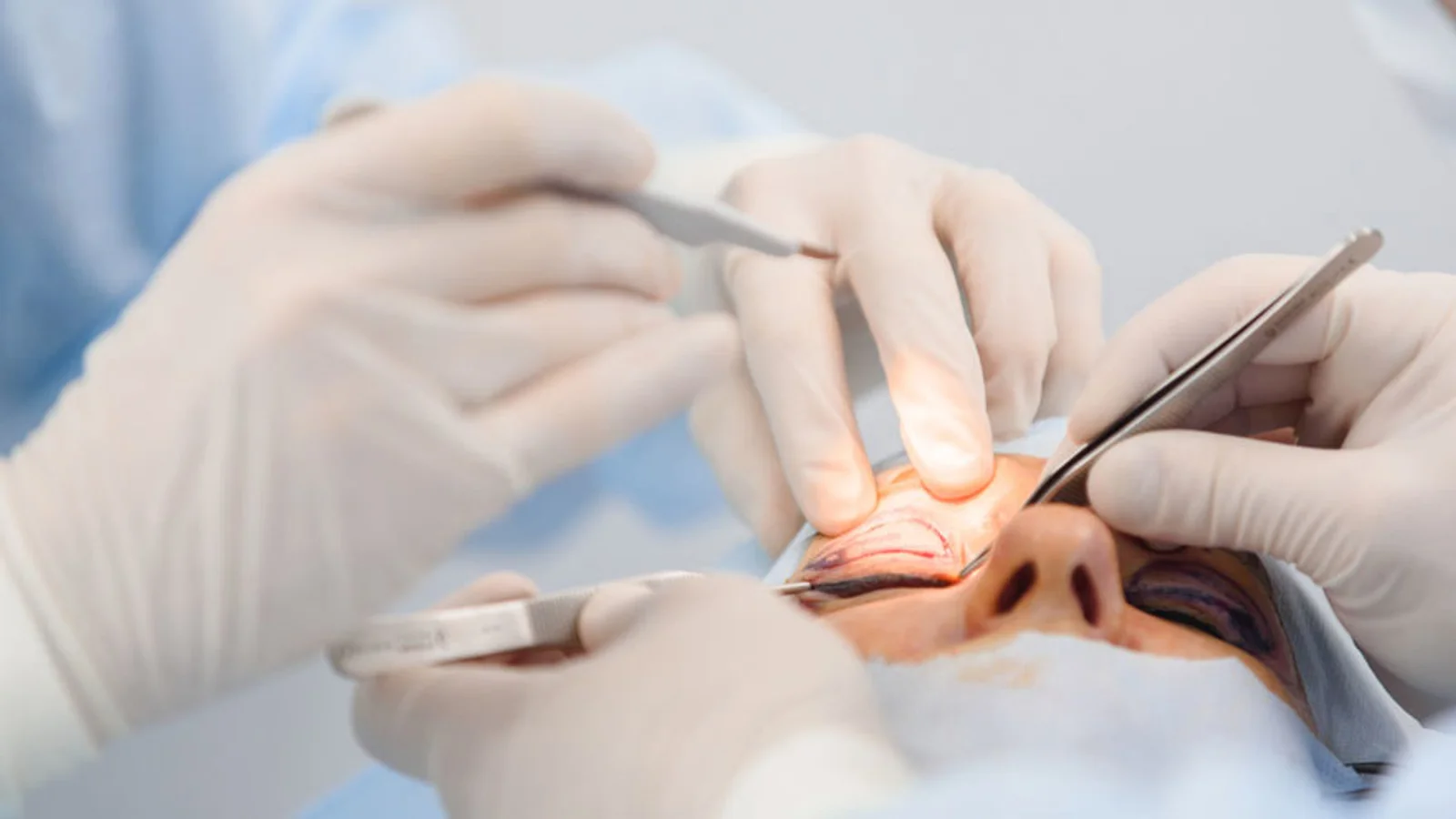
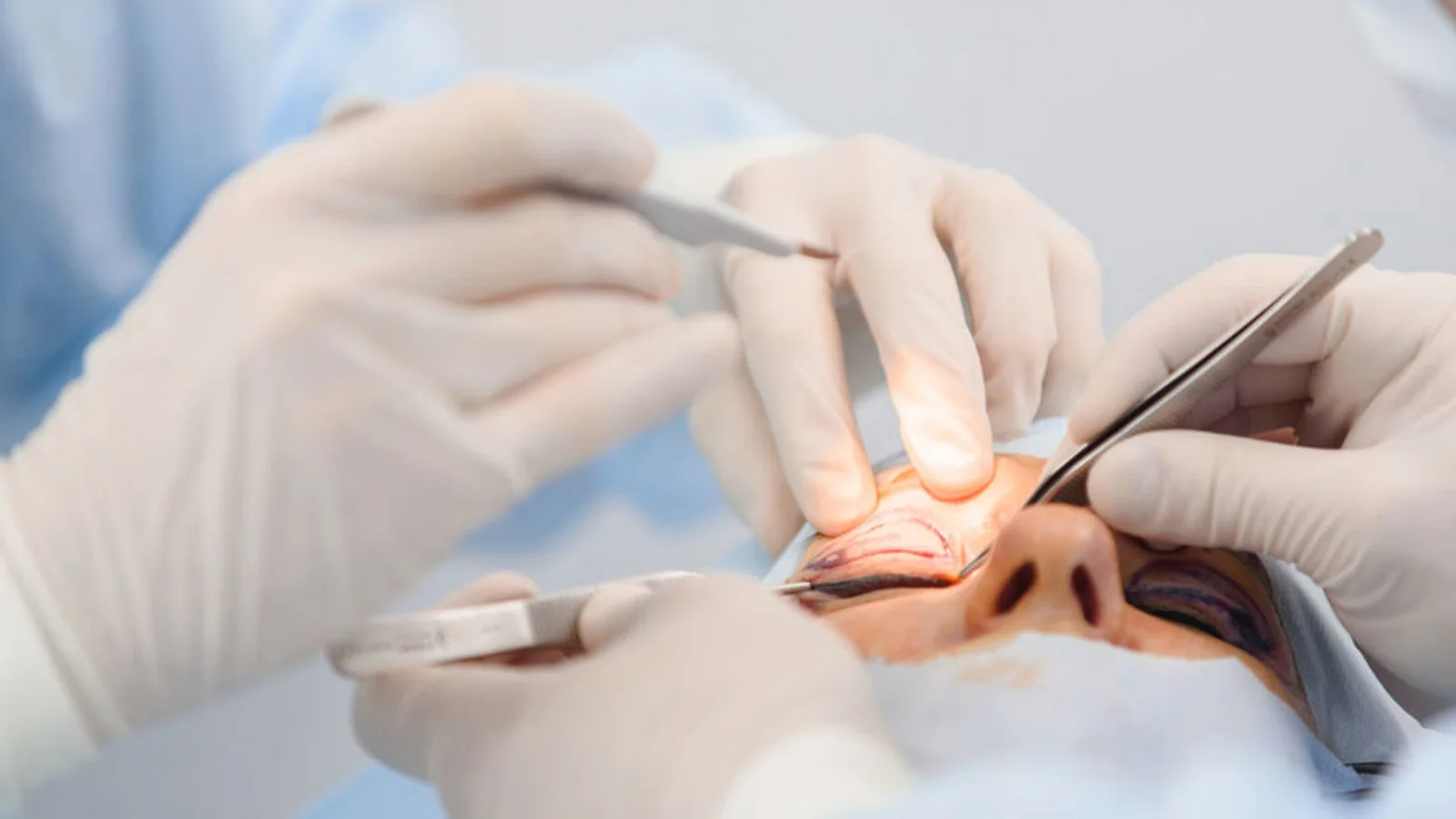
To be honest, most patients don’t worry about how eyelid surgery is done — they worry about how long they’ll look “done.”
Will the swelling linger? Will people notice? Will the eyes ever look natural again?
These concerns are especially common among first-time patients considering eyelid surgery in Seoul, where expectations for subtle, natural results are high. Many people assume that once the procedure is over, healing will simply “take care of itself.” In reality, recovery is an active phase — one that directly shapes the final outcome.
After years of observing postoperative journeys and listening carefully to patients who have undergone eyelid surgery in Korea, one truth becomes clear: recovery is not a passive waiting period.
The most refined, natural-looking results are protected and perfected during the weeks after surgery.
At Arke Clinic Plastic Surgery and Aesthetic, eyelid surgery is approached as a long-term process rather than a single event. Patients often reflect afterward:
“I thought the surgery mattered most — but the recovery changed everything.”
This article expands on the recovery tips eyelid surgery patients consistently swear by, enriched with clinical insight and real-world experience from Dr. In-Bae Kim, whose philosophy prioritizes safety, balance, and results that age gracefully.
Whether you are planning blepharoplasty in Seoul or navigating recovery after plastic surgery in Gangnam, this guide is designed to educate, reassure, and help you heal with confidence.
Why Eyelid Surgery Recovery Is So Unique
The eyelids are one of the most delicate structures in the human body.
They feature:
Extremely thin skin with minimal fat
Dense blood supply, leading to easy bruising
Constant motion from blinking and facial expression
A central role in facial communication and emotion
From a surgical standpoint, this means even minor swelling or stiffness can appear exaggerated. From a patient’s perspective, it means the eyes often feel “different” before they look better.
What many patients overlook is this important truth: excellent surgical technique alone cannot guarantee a beautiful outcome.
Postoperative habits — how you sleep, eat, move, and care for your eyes — play a decisive role.
Dr. Kim often describes eyelid surgery like restoring a historic painting. The repair itself may be technically perfect, but improper handling afterward can distort the final impression. Recovery is where refinement happens.
The First 72 Hours: Where Results Are Won or Lost
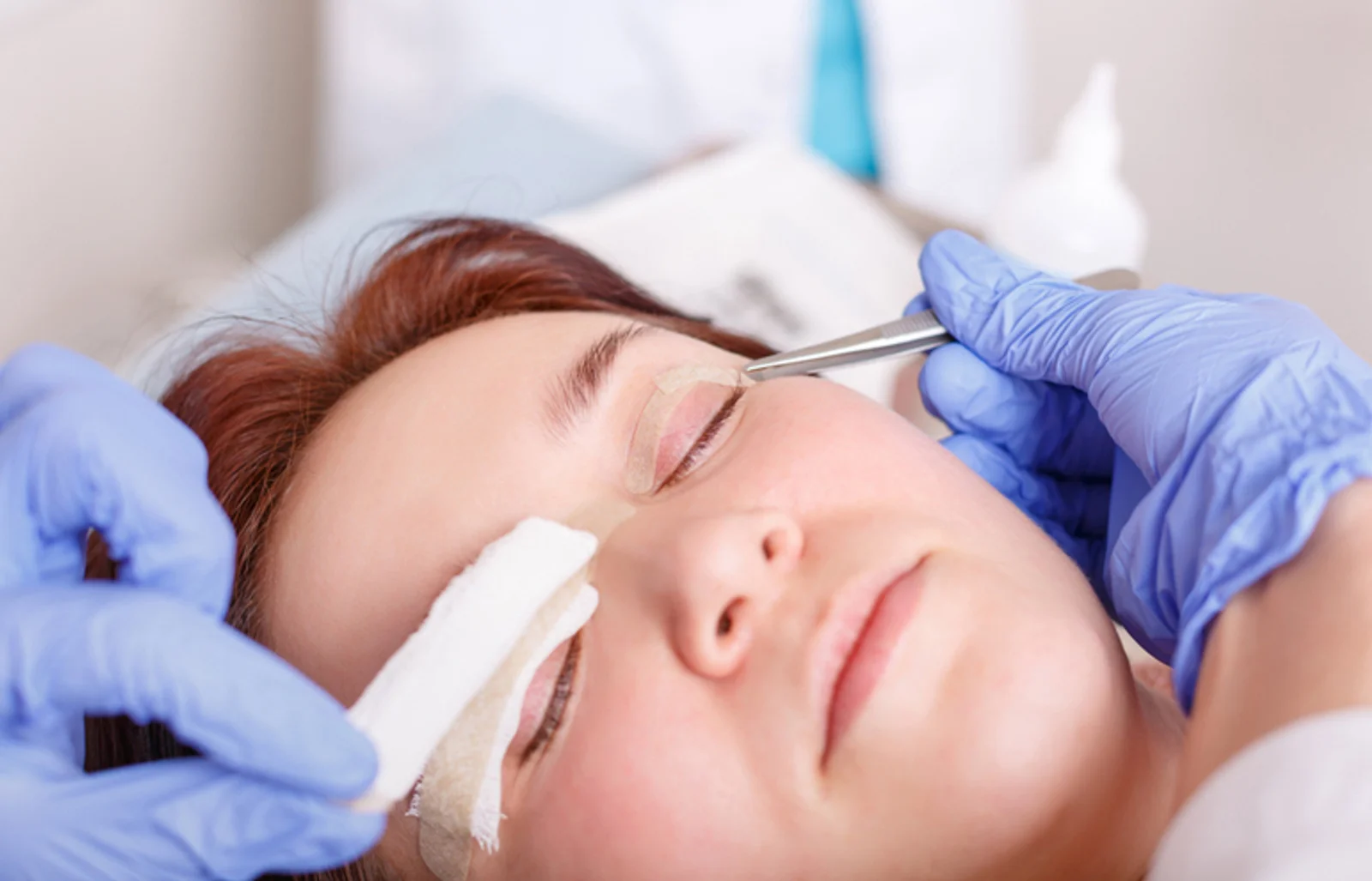
The initial three days after surgery are the most influential period for swelling, bruising, and early healing patterns.
Cold Compresses — But Use Them Correctly
Cold compresses are widely recommended, yet many patients overdo them.
Patients who recover smoothly tend to follow these principles:
Use soft gel packs or clean gauze cooled in the refrigerator
Apply for 10–15 minutes per session
Allow sufficient breaks between applications
Always place a clean cloth between the skin and the compress
Excessive cold can restrict circulation and delay tissue recovery. The goal is gentle inflammation control, not numbing the eyelids.
Sleep Position Matters More Than You Think
Sleep is one of the most underestimated recovery tools.
Patients who experience less swelling and faster resolution typically:
Sleep strictly on their back
Elevate the head using two or three pillows
Avoid turning onto their side or stomach
Elevation helps reduce fluid accumulation around the eyes. Even one night of improper sleeping position can prolong swelling, which is why consistency matters.
Expect Temporary Asymmetry
Nearly every patient encounters this moment of concern:
“One eye looks more swollen — did something go wrong?”
This is entirely normal. Human faces are asymmetrical, and blood flow and lymphatic drainage differ on each side. Swelling often shifts during the first week.
Patients who understand this ahead of time tend to recover with less anxiety and avoid unnecessary stress, which itself can interfere with healing.
Week One: The “Trust the Process” Phase
This phase requires patience more than action. Many patients feel tempted to “fix” things too early.
Gentle Cleansing Is Better Than Avoidance
Some patients avoid touching their eyelids out of fear, while others clean too aggressively.
The healthiest approach:
Follow only the cleansing method advised by your clinic
Use sterile cotton swabs if recommended
Avoid rubbing or stretching the eyelids
Mild itching or tightness often signals normal healing. Scratching or excessive washing can irritate incisions and prolong redness.
Limit Screen Time
Extended screen use is a surprisingly common cause of delayed comfort.
Staring at phones or laptops:
Reduces blink frequency
Increases dryness
Creates muscle tension around healing eyelids
Patients who limit screen time — especially during the first week — report less discomfort and quicker normalization of eye sensation.
Sunglasses Are Medical Aftercare
Sunglasses serve more than a cosmetic purpose.
They:
Shield healing skin from ultraviolet exposure
Reduce involuntary squinting
Protect against wind, dust, and pollution
In busy urban areas like Gangnam, sunglasses function as a protective barrier that supports smoother healing.
Nutrition and Lifestyle: Quiet Accelerators of Healing
What You Eat Shows on Your Face
Postoperative swelling is influenced by systemic inflammation.
Patients who emphasize gentle, anti-inflammatory nutrition often notice:
Faster reduction in swelling
Improved energy during recovery
Less facial tightness
Recommended choices include:
Lean proteins such as eggs, fish, and tofu
Leafy greens and antioxidant-rich vegetables
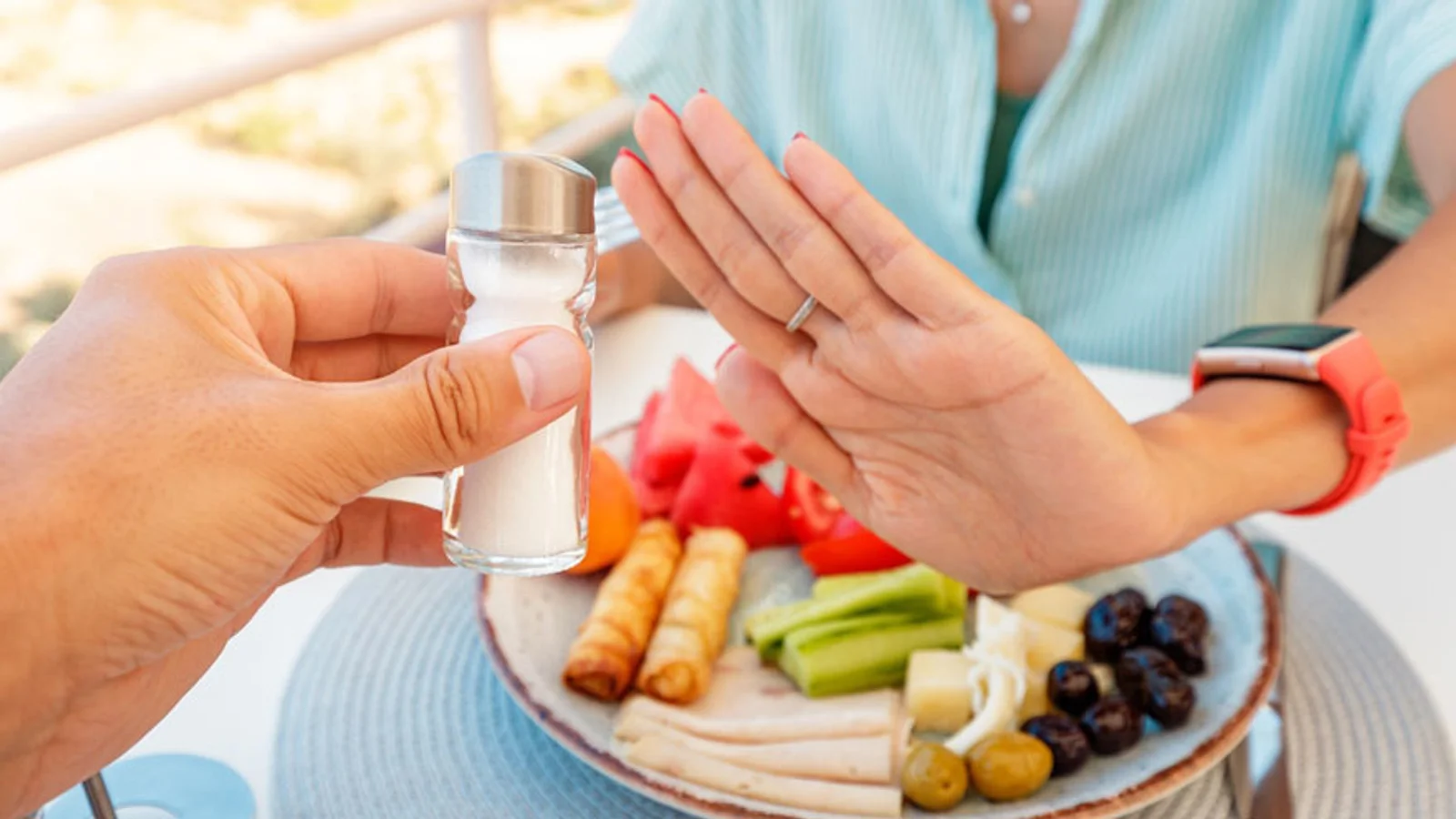
Low-sodium meals
Adequate hydration
Alcohol, salty foods, and overly spicy meals can worsen swelling and should be avoided during early recovery.
Avoid “Pushing Through” Exercise
Active patients sometimes return to workouts too quickly, assuming it promotes circulation.
In reality, strenuous activity:
Elevates blood pressure
Increases facial swelling
Can disrupt incision healing
Gentle walking is usually safe, but bending, lifting, and intense cardio should wait at least two to three weeks or until cleared by your surgeon.
The Emotional Side of Eyelid Surgery Recovery
This aspect is rarely discussed openly but deeply felt by patients.
Around days five to ten, many people experience:
Peak swelling
Darkening bruises
Temporary regret or worry
This emotional dip is normal. The mirror often exaggerates imperfections during healing.
At Arke Clinic Gangnam, postoperative care includes reassurance and education because emotional calm supports physical recovery. Patients who understand the healing timeline tend to regain confidence more quickly.
Scar Care: Small Habits, Long-Term Results
Time Matters More Than Products
Eyelid scars typically heal well due to the thin skin and precise incision placement.
Patients often ask about creams and treatments. The honest answer:
Surgical technique and incision design matter most
Sun protection and patience are key
Overusing products can irritate sensitive skin
If a topical treatment is prescribed, consistency — not excess — produces the best results.
Never Skip Follow-Up Appointments
Follow-up visits are not optional.
Patients who attend all scheduled appointments benefit from:
Early detection of minor issues
Professional guidance on swelling patterns
Reassurance during emotionally sensitive phases
This is particularly important for international patients seeking Seoul facial rejuvenation, where travel timing must align carefully with healing milestones.
A Surgeon’s Perspective Patients Rarely Hear
Dr. Kim often tells patients:
“The most natural eyelid surgeries are protected by quiet recoveries.”
In practice, this means:
Avoiding unnecessary interventions
Resisting comparison with others
Allowing the body to heal at its own pace
The goal of eyelid surgery is not dramatic change but subtle refinement — eyes that look rested, open, and authentically yours.
When to Contact Your Clinic Immediately
While most recoveries are smooth, patients should contact their clinic if they experience:
Sudden or worsening pain
Increasing redness or warmth
Changes in vision
Unusual discharge or fever
Choosing a clinic with accessible postoperative support is essential, especially when undergoing plastic surgery in Gangnam.
Final Thoughts: Recovery Is Part of the Art
Eyelid surgery does not end when sutures are placed.
It ends when swelling fades, confidence returns, and your reflection feels familiar again — just refreshed.
For patients considering blepharoplasty in Seoul or currently healing, selecting a clinic that values recovery as much as surgical precision can make all the difference.
Arke Clinic Plastic Surgery and Aesthetic, under the leadership of Dr. In-Bae Kim, is trusted by both local and international patients for its careful planning, conservative technique, and extended postoperative care.
If you are exploring eyelid surgery or want guidance tailored to your anatomy, lifestyle, and long-term goals, consult a clinic that treats recovery as an essential part of the result.
More Medical Articles
Continue reading expert guides on procedure planning, anatomy, and post-operative care.

Lower Blepharoplasty: Minimally Invasive vs. Surgical Eye Outcomes
Lower Blepharoplasty: Minimally Invasive vs. Surgical Eye Outcomes Under-eye aging—characterized by puffiness (pseudo-herniation of fat) and dark circles—is a leading cosmetic concern among Koreans aged 30 to 70.
Learn More

Transconjunctival Blepharoplasty: No-Scar Recovery Benchmarks in Korea
Transconjunctival Blepharoplasty: No-Scar Recovery Benchmarks in Korea As South Korea’s demographic shifts toward a "super-aged" society—with those aged 65 and older projected to exceed 20% of the population by 2025—the demand for periorbital rejuvenation has…
Learn More

Healing the Heart: The Psychological Focus of Korean Revision Eye Surgery
Healing the Heart: The Psychological Focus of Korean Revision Eye Surgery In South Korea, often referred to as the "plastic surgery capital of the world," blepharoplasty (double eyelid surgery) is more than just a cosmetic trend; it is a cultural rite of…
Learn More