1:1 Customized Plastic Surgery & Aesthetic Medicine in Gangnam, Seoul — Led by Dr. In-Bae Kim
★ 5.0 Verified Patient Rating
en-US


Clinical Guide & Insights
The Biggest Myths About Cosmetic Surgery Results
Discover the truth behind common cosmetic surgery myths. Uncover facts, debunk false beliefs, and set realistic expectations. Learn more today!
Schedule a ConsultationIntroduction

A Clear, Honest Guide for Patients Considering Aesthetic Treatment
For most people considering cosmetic surgery, the fear isn’t the operating room.
It’s the outcome.
Will it look obvious?
Will I still look like myself?
Will people know?
These questions are universal—asked by first-time patients, international medical tourists, and even individuals who have undergone aesthetic treatments before. After years of observing patient journeys in Seoul—particularly in Gangnam, where aesthetic expectations are among the highest in the world—it becomes clear that most anxiety surrounding cosmetic surgery results is driven by myths rather than modern clinical reality.
Cosmetic surgery today is not what it was 20 years ago. Techniques, safety standards, anatomical understanding, and patient-centered planning have evolved significantly. Yet public perception often lags behind medical progress.
This article addresses the most common myths about cosmetic surgery results, explains why they persist, and clarifies what truly determines whether outcomes look natural, balanced, and appropriate for the long term—especially for patients considering plastic surgery in Gangnam or Seoul facial rejuvenation.
Myth 1: “Everyone Will Be Able to Tell I Had Cosmetic Surgery”
This is often the very first concern voiced during consultations.
Patients worry that surgery will leave a visible “signature”—something obvious that others can immediately recognize. But the reality is far more nuanced.
You only notice cosmetic surgery when it is poorly executed, outdated, or excessive.
Successful cosmetic surgery is discreet. It doesn’t draw attention to itself. Instead, it integrates seamlessly with a person’s existing features. In Korea, and particularly in facial rejuvenation in Seoul, the aesthetic priority is restoration rather than transformation.
Modern surgical planning focuses on:
Re-establishing facial balance
Correcting structural shifts caused by aging
Preserving individual identity
At clinics like Arke Clinic Plastic Surgery and Aesthetic, patients often report that friends and colleagues notice improvement without identifying surgery itself. Common reactions include:
“You look rested.”
“Did you lose weight or change your skincare?”
“You look healthier somehow.”
These responses are not accidental. They reflect conservative surgical decisions, respect for anatomy, and an understanding that the most convincing results are often the least obvious.
Myth 2: “Cosmetic Surgery Results Always Look Fake”
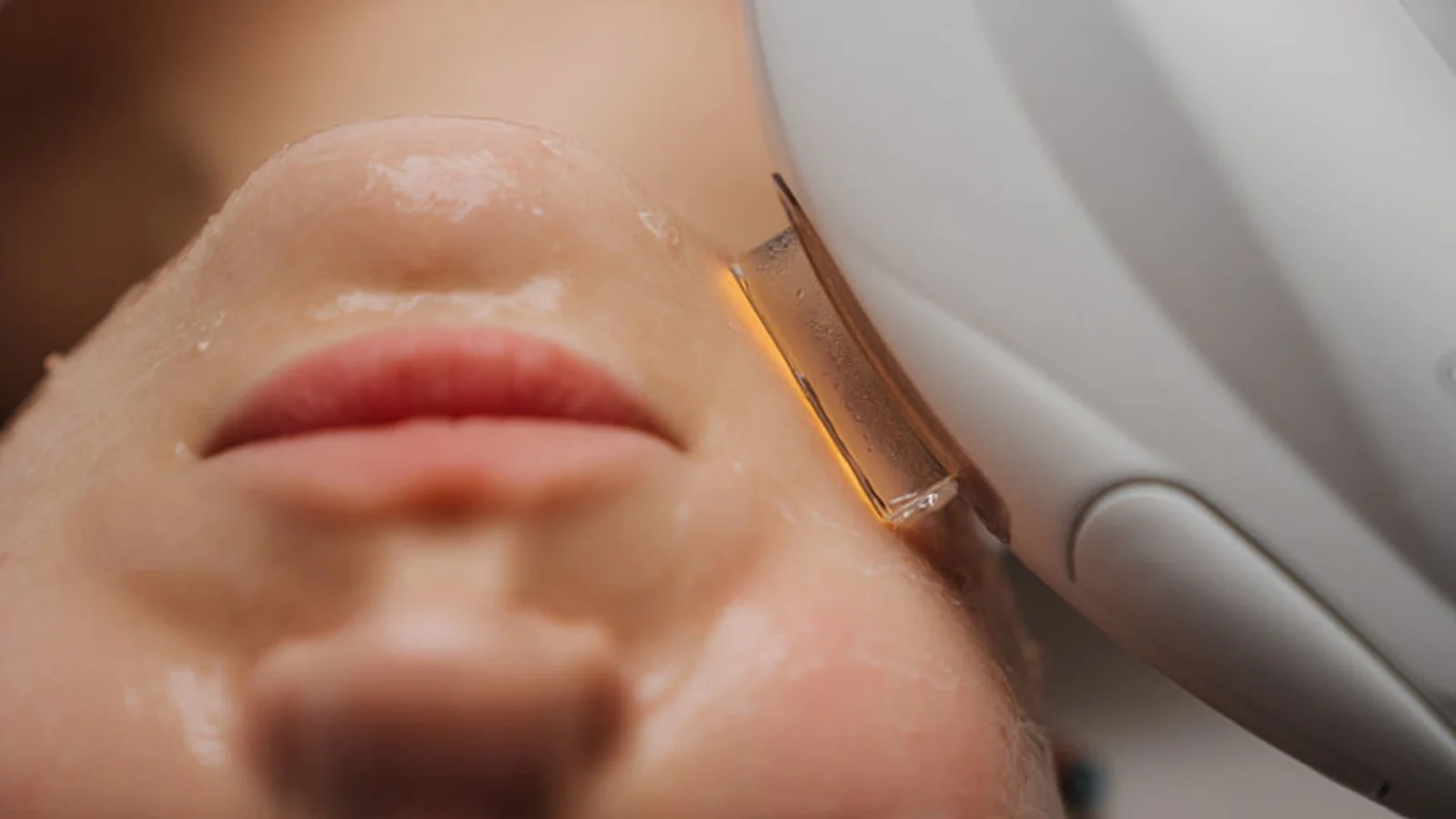
This myth persists largely because extreme results attract attention—especially online.
Images of exaggerated lips, overly sharp noses, or frozen expressions are widely circulated, creating the impression that cosmetic surgery inevitably leads to artificial outcomes. In reality, these examples usually stem from:
Outdated techniques
Overcorrection
Ignoring facial proportions
Applying trends rather than personalization
Contemporary cosmetic surgery, particularly in leading Gangnam plastic surgery clinics, emphasizes precision over volume and balance over drama.
Procedures such as microfat grafting illustrate this shift. When performed with restraint and anatomical understanding, microfat grafting does not “inflate” the face. Instead, it:
Restores subtle volume loss
Improves skin quality through regenerative effects
Softens harsh transitions caused by aging
Think of it like restoring an old painting—not repainting it entirely, but correcting areas where depth and light have faded.
Natural cosmetic surgery results are not achieved by doing less surgery. They are achieved by doing the right amount, in the right place, for the right patient.
Myth 3: “Surgeons Simply Do Whatever the Patient Requests”
This belief can lead to disappointment and, in some cases, revision surgery.
Ethical cosmetic surgery is not transactional. A surgeon’s role is not merely to execute requests but to evaluate whether those requests align with anatomy, aging patterns, and long-term outcomes.
During a proper consultation, an experienced surgeon assesses:
Bone structure and skeletal support
Skin thickness, elasticity, and healing potential
Muscle movement and facial expressions
Symmetry and proportion
How results will age over 10–20 years
At Arke Clinic, consultations are deliberately thorough because some popular requests—while visually appealing in the short term—may not age well or may compromise facial harmony.
As emphasized by Dr. In-Bae Kim, who holds a PhD in Medicine from Yonsei University and has served as an outpatient professor at Seoul St. Mary’s Hospital:
“A good result is not only about how it looks immediately after swelling subsides. It must remain natural as the face continues to age.”
In some cases, the most responsible recommendation is to adjust expectations—or to advise against a procedure altogether.
Myth 4: “One Surgery Will Stop Aging Forever”
Cosmetic surgery is not a pause button on aging.
Instead, it resets structural balance, allowing the face or body to age more gracefully from a refreshed baseline.
Take facelift surgery as an example. Modern facelifts focus on repositioning deeper layers of tissue rather than simply tightening skin. This approach:
Preserves natural movement
Avoids tension-related distortion
Produces longer-lasting results
A helpful analogy is architectural restoration. When restoring a historic building, the goal is not to make it new, but to:
Reinforce the foundation
Correct structural shifts
Preserve original character
After surgery, aging continues—but in a softer, more harmonious way. Patients who expect surgery to permanently prevent aging often feel disappointed, not because the surgery failed, but because expectations were unrealistic.
Myth 5: “Non-Surgical Treatments Are Always More Natural Than Surgery”
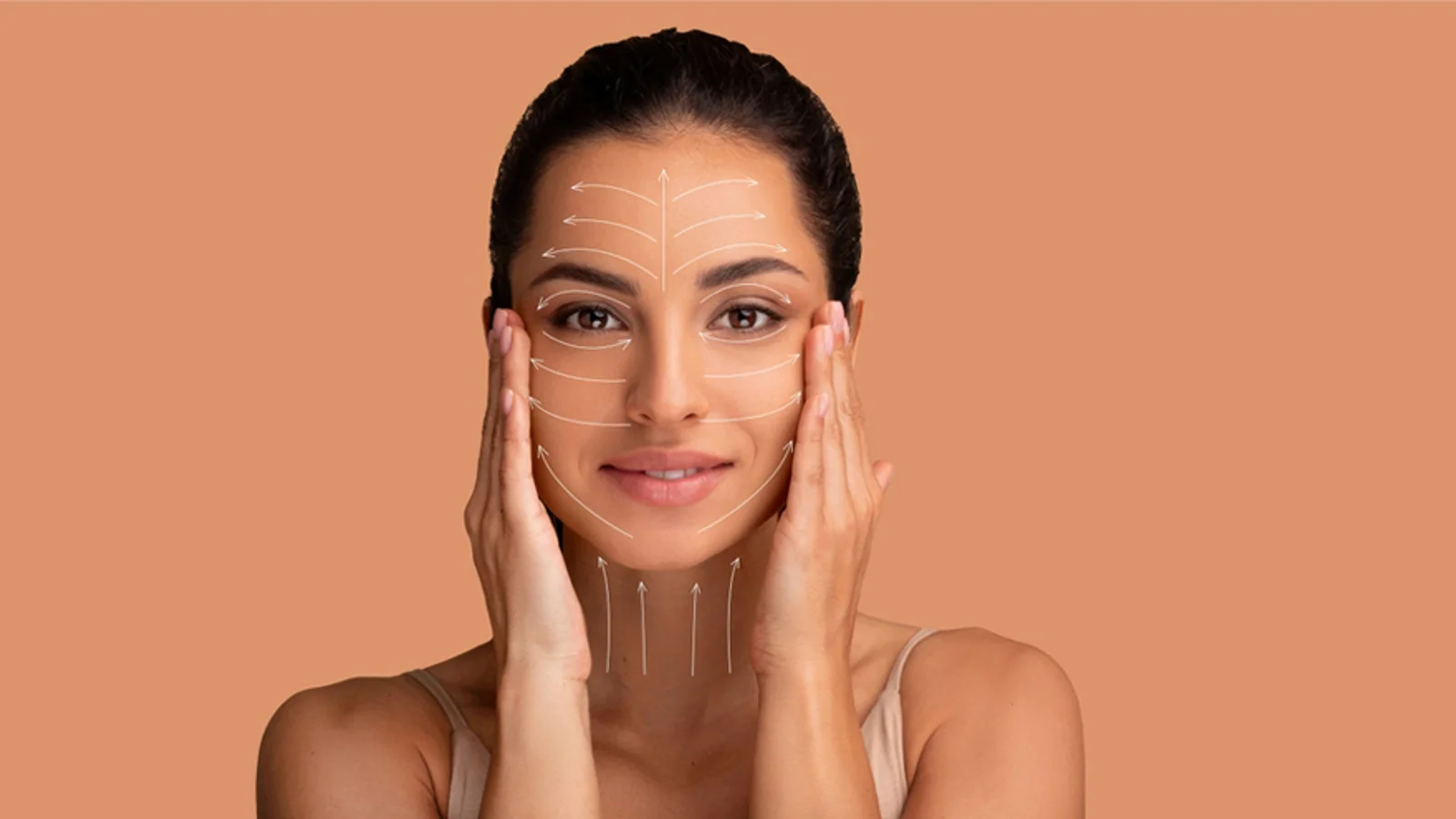
This assumption is increasingly common, especially among younger patients.
Non-surgical treatments such as fillers, Botox, and energy-based devices can be highly effective when used appropriately. However, excessive or repeated use can lead to:
Overfilled facial contours
Distorted proportions
Reduced facial mobility
Short-term results requiring constant maintenance
Ironically, some of the most unnatural-looking outcomes result from years of non-surgical treatments used to avoid surgery.
In many cases, a single, well-planned surgical procedure produces a more natural and stable result than repeated temporary fixes. This is why experienced surgeons often recommend a balanced, long-term approach—combining subtle surgery with conservative non-invasive treatments when appropriate.
Myth 6: “Cosmetic Surgery Results Are the Same Everywhere”
Cosmetic surgery is deeply influenced by cultural aesthetics, surgical training, and post-operative care standards.
In Korea—particularly in plastic surgery in Gangnam—the emphasis is on:
Facial harmony rather than exaggeration
Minimal but meaningful structural changes
Detailed swelling, scar, and recovery management
Long-term follow-up rather than one-time treatment
Post-operative care plays a critical role in final results. Swelling, tissue settling, and scar maturation can continue for months. Clinics that provide structured follow-up and patient education tend to achieve more refined outcomes.
For international patients, this difference in aftercare is often one of the most noticeable aspects of undergoing surgery in Seoul.
Myth 7: “If It Looks Good on Social Media, It Will Look Good in Real Life”
Social media has reshaped expectations—often unrealistically.
Photos and videos:
Flatten depth and contour
Hide movement and texture
Favor exaggeration
Do not represent aging over time
A result that looks striking on screen may appear harsh or unbalanced in daily life. That’s why experienced surgeons evaluate faces dynamically—observing how a patient smiles, speaks, and rests.
What many patients overlook is this simple truth:
You don’t live in photographs. You live in motion.
What Truly Determines Natural Cosmetic Surgery Results
Across years of clinical observation, several factors consistently influence whether results appear natural:
Surgeon philosophy: conservative, anatomy-driven decision-making
Customization: individualized planning rather than templates
Respect for structure: working with natural anatomy, not against it
Post-operative care: proper healing, swelling control, and follow-up
Patient education: realistic expectations established early
Natural cosmetic surgery results are rarely accidental. They are the product of restraint, experience, and careful long-term planning.
Final Thoughts: Choosing the Right Approach
If you’re questioning whether cosmetic surgery can truly look natural, that hesitation is healthy. It suggests you’re thinking beyond trends and toward long-term satisfaction.
The best results come from surgeons who:
Listen carefully
Explain honestly
Prioritize harmony over exaggeration
For patients considering facial rejuvenation, rhinoplasty, breast augmentation, or microfat grafting in Seoul, consulting an experienced clinic in Gangnam can make a meaningful difference.
When cosmetic surgery is performed thoughtfully, it doesn’t change who you are.
It simply allows you to recognize yourself again—with balance, confidence, and ease.
More Medical Articles
Continue reading expert guides on procedure planning, anatomy, and post-operative care.

Lower Blepharoplasty: Minimally Invasive vs. Surgical Eye Outcomes
Lower Blepharoplasty: Minimally Invasive vs. Surgical Eye Outcomes Under-eye aging—characterized by puffiness (pseudo-herniation of fat) and dark circles—is a leading cosmetic concern among Koreans aged 30 to 70.
Learn More

Transconjunctival Blepharoplasty: No-Scar Recovery Benchmarks in Korea
Transconjunctival Blepharoplasty: No-Scar Recovery Benchmarks in Korea As South Korea’s demographic shifts toward a "super-aged" society—with those aged 65 and older projected to exceed 20% of the population by 2025—the demand for periorbital rejuvenation has…
Learn More

Healing the Heart: The Psychological Focus of Korean Revision Eye Surgery
Healing the Heart: The Psychological Focus of Korean Revision Eye Surgery In South Korea, often referred to as the "plastic surgery capital of the world," blepharoplasty (double eyelid surgery) is more than just a cosmetic trend; it is a cultural rite of…
Learn More