1:1 Customized Plastic Surgery & Aesthetic Medicine in Gangnam, Seoul — Led by Dr. In-Bae Kim
★ 5.0 Verified Patient Rating
en-US

Clinical Guide & Insights
Target Pulsed Light (TPL): The Latest in Pigmentation Treatment
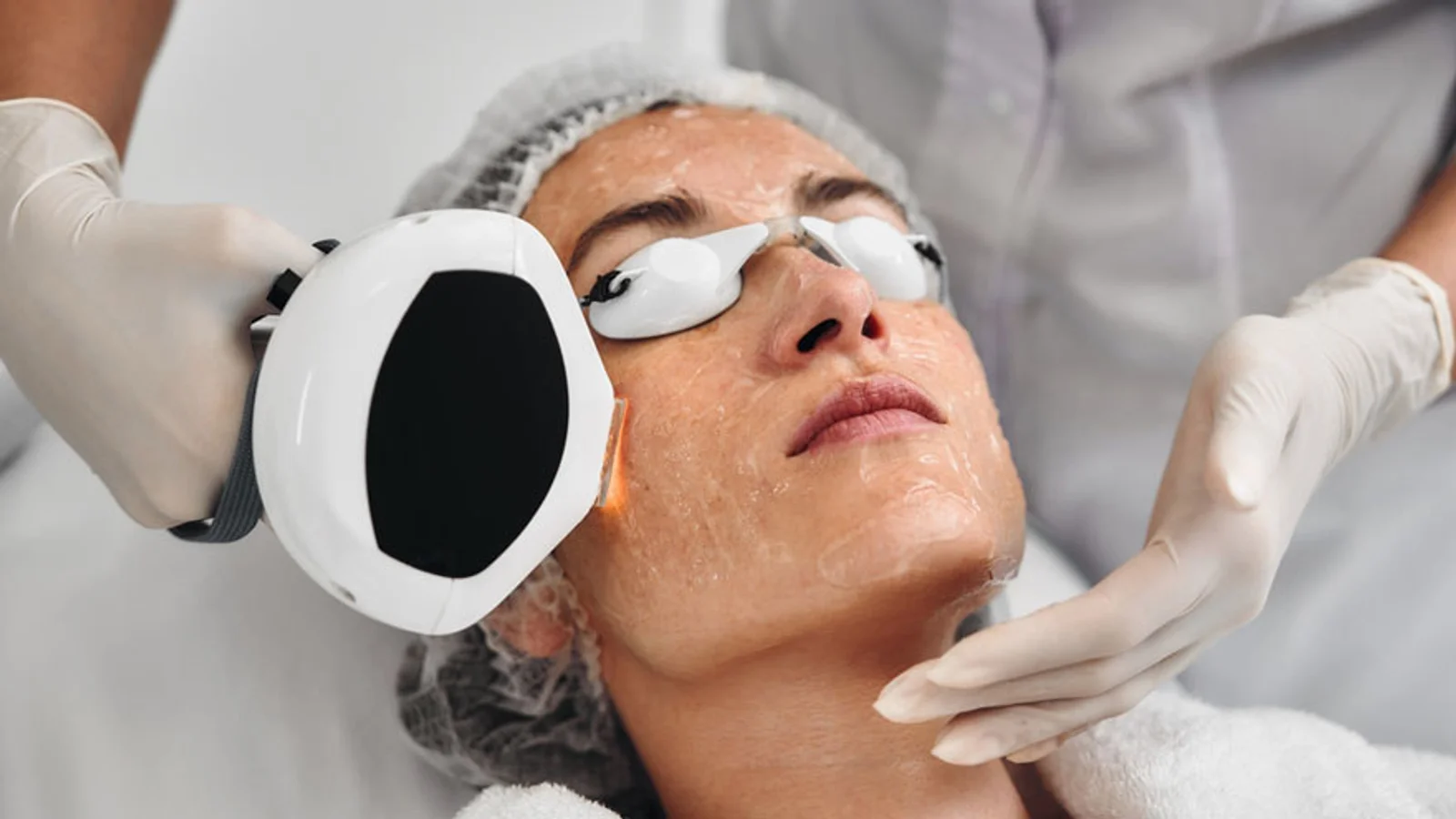
Discover how Target Pulsed Light (TPL) offers advanced, precise pigmentation treatment with minimal downtime. Learn more about this breakthrough technology!
Schedule a ConsultationIntroduction
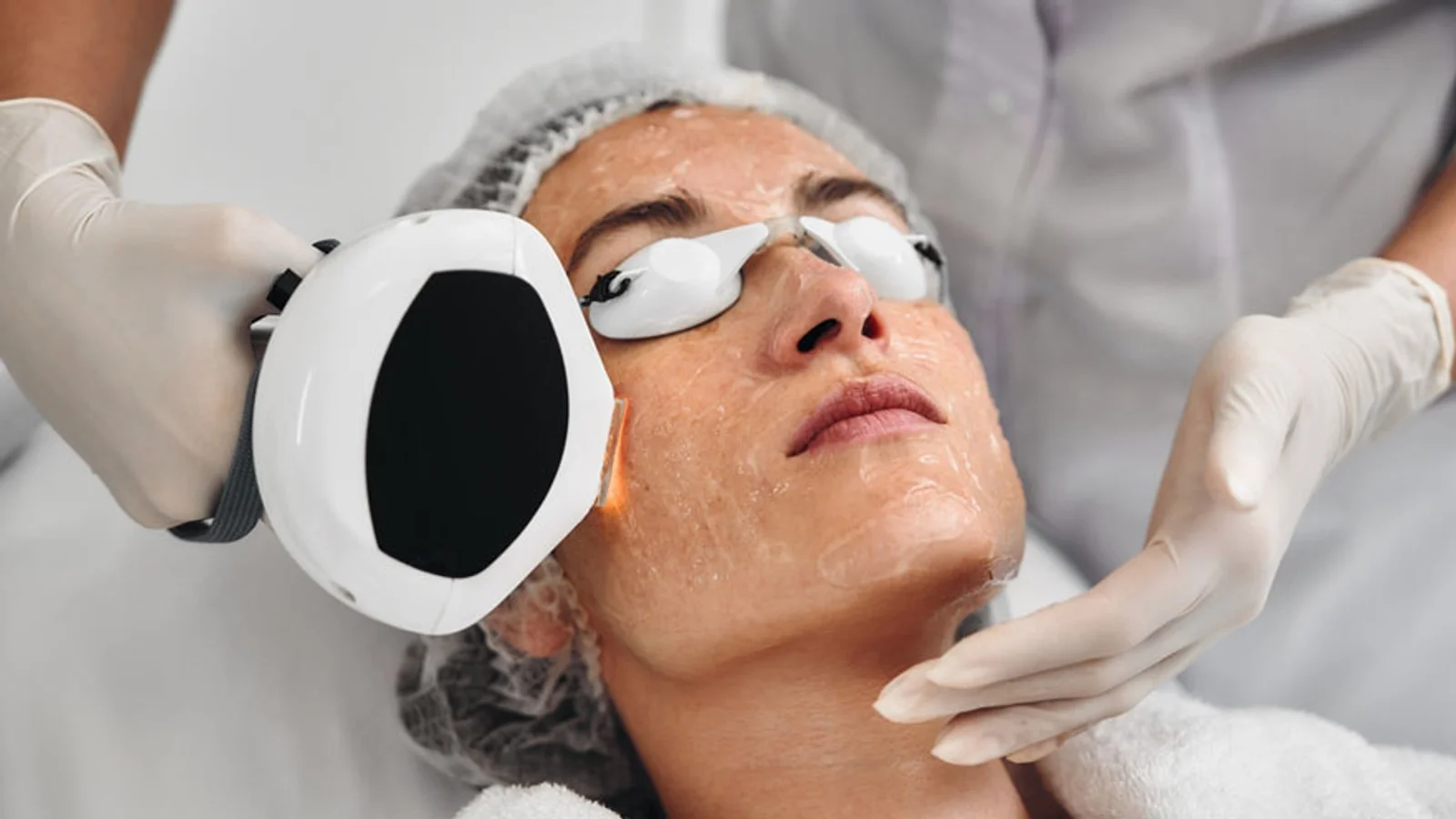
If you’ve ever sat across from a mirror wondering why certain brown patches seem to cling to your skin no matter how carefully you manage sun exposure, you’re not alone. At Arke Clinic in Gangnam, we meet patients every week — both Seoul locals and visitors traveling for medical tourism — who feel frustrated by stubborn pigmentation. They’ve tried brightening creams, gentle lasers, even peels… yet the spots return or never fully clear.
In recent years, one technology has been quietly changing the conversation: Target Pulsed Light, or TPL. And although the device sounds like something from a physics lab, its purpose is simple — to treat pigment with precision while protecting the surrounding skin.
To be honest, many patients who walk into our consultation room expect pigmentation treatments to feel harsh or unpredictable. They think of old IPL devices or overly aggressive lasers that leave redness for days. But TPL takes a different, more controlled approach, and that’s why clinics in Seoul’s dermatology and aesthetic medicine field — including ours — have embraced it.
Let’s break down what TPL really is, why it matters, and how we use it at Arke Clinic to treat pigmentation safely and naturally, especially for patients seeking advanced skin rejuvenation in Gangnam.
What Makes TPL Different From Traditional IPL or Laser Devices?
The easiest way to understand Target Pulsed Light is to think of it as the next step in the evolution of light-based pigmentation care. Traditional Intense Pulsed Light (IPL) spreads energy across a broad area. It works, yes — but its “broadness” can be both a strength and a limitation.
TPL, on the other hand, behaves like a specialist rather than a generalist.
While IPL acts like turning on a room light, TPL is more like switching on a directed spotlight, illuminating only the pigment you want to treat. Its pulse structure is engineered to penetrate with a narrow, selective bandwidth — targeting melanin clusters without overheating the surrounding tissue. For patients with sensitive or easily reactive skin, that difference is meaningful.
In our daily practice at Arke Clinic, we see that most pigmentation isn’t just about color showing up on the surface. It’s a layering process — a history of sun exposure, hormones, inflammation, and sometimes genetics. Because TPL allows us to tailor pulse width, wavelength specificity, and energy depth, we can precisely match the treatment to where the pigment lives in the skin.
Many people don’t realize this, but pigmentation behaves differently depending on its depth. Superficial sun spots, dermal melasma, and post-inflammatory hyperpigmentation all respond differently to energy-based devices. A lot of clinics still use “one-setting-fits-all,” but that often leads to rebounds or patchy results.
TPL’s precision helps us avoid those pitfalls.
Why Korea Has Become a Global Hub for TPL and Pigmentation Care
If you search for pigmentation solutions in places like Southeast Asia, the Middle East, or even Europe, many dermatologists still rely primarily on IPL or Q-switched laser devices.
In Seoul — and especially in Gangnam’s aesthetic medical district — patients expect faster recovery, more natural results, and minimal downtime. Korean practitioners also tend to approach pigmentation gently and progressively rather than aggressively removing pigment at once. This philosophy aligns beautifully with how TPL works.
As Dr. In-Bae Kim, the medical director of Arke Clinic Gangnam, often reminds patients:
“Pigmentation treatment is a marathon, not a sprint. When we treat slowly but accurately, the results last longer — and the skin ages better in the long run.”
Korea’s emphasis on natural beauty, transparency, and patient-centric care has also shaped the development and adoption of devices like TPL. It’s no surprise that international patients often book multi-week stays in Seoul just for pigmentation and skin rejuvenation.
How TPL Treats Pigmentation: The Science in Simple Language
When we explain TPL in consultations, we try to avoid overwhelming patients with physics. But understanding the basics helps you make informed choices.
Here’s the simplest way to visualize it:
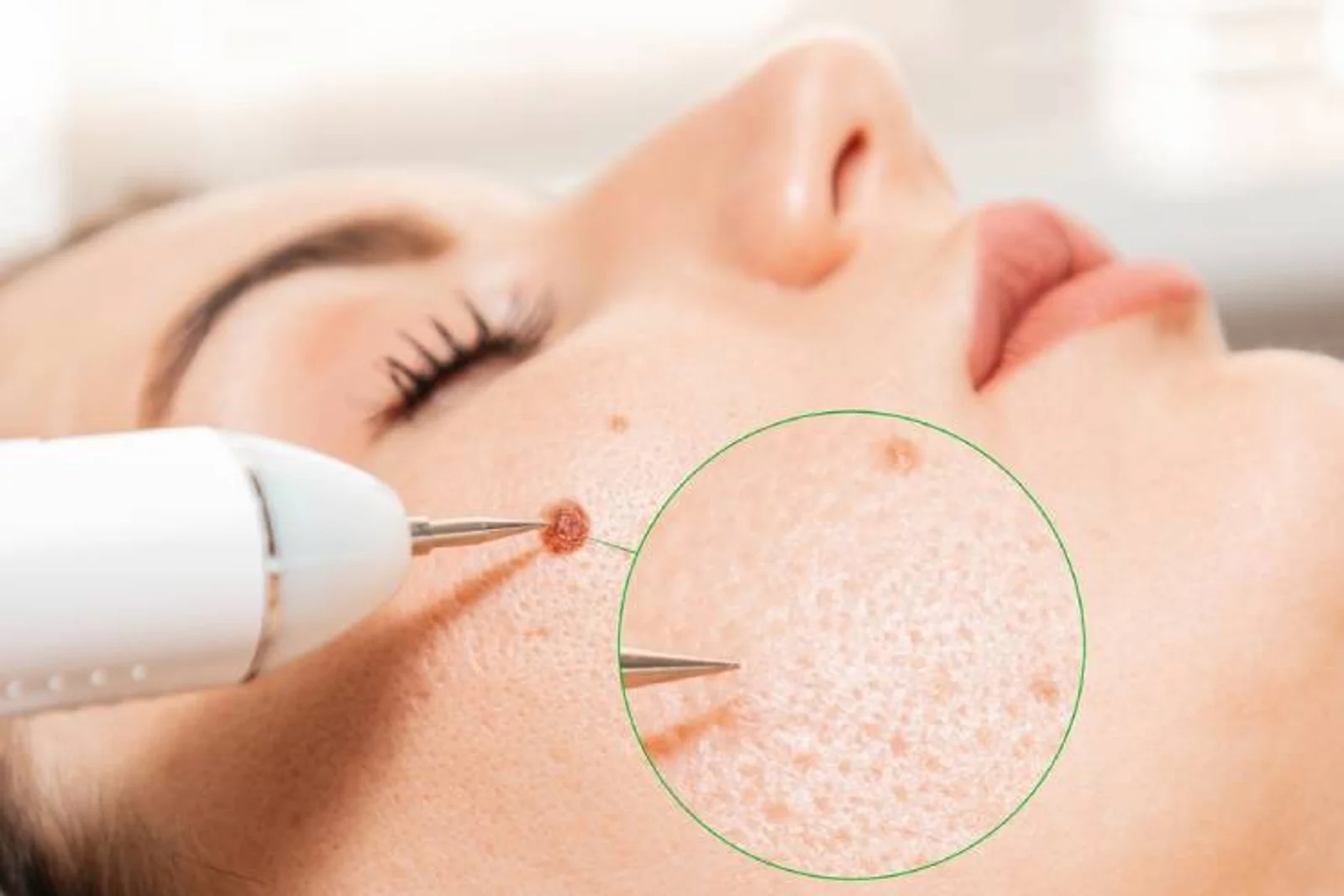
Imagine pigment cells as tiny ink droplets in the skin.
Traditional IPL hits the entire page.
TPL pinpoints the droplet.
TPL uses:
Narrow spectral energy that seeks out melanin
Stable pulse control, reducing energy spikes that can irritate the skin
Selective thermal delivery, heating pigment clusters evenly
Minimal collateral heat, protecting surrounding tissue
The advantage is twofold:
Melanin breaks down more predictably, making treatment outcomes clearer.
There is less inflammation, which means reduced risk of rebound pigment — a major concern for melasma patients.
What many patients overlook is that inflammation itself can trigger new pigmentation. This is why older IPL devices often made melasma worse. TPL’s selective mechanism sidesteps that risk by keeping the skin calm.
What TPL Feels Like for the Patient
One thing people often ask us during consultation:
“Will it hurt?”
TPL is surprisingly gentle. Most patients describe the sensation as:
A warm flick
A quick elastic-like snap
Mild heat that fades immediately
At Arke Clinic, we pair TPL with a tailored cooling protocol — something we’ve refined through years of experience treating diverse skin types. Especially for patients from overseas who may have been tanning or traveling, this helps ensure the treatment remains safe and comfortable.
Downtime is minimal.
You can resume normal activities right away, though sunscreen is non-negotiable.
Which Skin Concerns Respond Best to TPL?
In our practice, we see excellent results for:
Sun spots and age spots
Freckles
Early-stage melasma
Post-inflammatory hyperpigmentation from acne
Uneven skin tone from chronic sun exposure
Pigmented lesions that don’t respond well to creams alone
TPL is not a miracle cure — and we don’t pretend it is. But when integrated thoughtfully into a treatment plan, especially alongside other technologies like microfat grafting, RF microneedling, or resurfacing lasers, the brightening and smoothing effect can be dramatic.
Some patients combine TPL with Seoul facial rejuvenation procedures like fat grafting or skin-tightening because addressing pigment and volume together often creates the most natural transformation.
How We Personalize TPL at Arke Clinic in Gangnam

One thing we emphasize — and perhaps this is where Arke Clinic differs from many high-volume dermatology centers — is that we treat pigmentation like a medical condition, not a routine beauty service.
Dr. Kim approaches each TPL plan based on:
Pigment depth
Underlying triggers (hormonal, UV-based, inflammatory)
Skin barrier condition
Facial structure and long-term aging patterns
Lifestyle (travel, sun exposure, skincare routine)
For example, if a patient is undergoing blepharoplasty in Seoul, we consider postoperative swelling and avoid treating sensitive areas too soon. If someone is planning a rhinoplasty or facial contouring surgery, we time pigmentation treatments so that their skin is in optimal condition for surgery and healing.
As someone who has spent years practicing in Korea’s medical hub, Dr. Kim often tells patients something surgeons rarely say out loud:
“Most pigmentation treatments fail not because the technology is wrong — but because the timing, skin condition, and sequencing are overlooked.”
This is why our post-op and follow-up schedules are unusually comprehensive. Patients often return for weekly or bi-weekly check-ins, and international visitors appreciate the stability and structure this provides.
Combining TPL With Other Aesthetic Procedures
Pigmentation rarely exists alone. Many patients seeking TPL are also considering:
Full-face rejuvenation
Fat grafting for hollow under-eyes
Non-surgical lifting
Neck tightening
Scar improvement
Post-acne skin repair
One of the most rewarding aspects of being a surgeon working in aesthetic medicine is seeing how restoring clarity to the skin transforms a patient’s confidence.
To be honest, skin clarity sometimes changes a face more powerfully than fillers or surgery. When discoloration fades, the entire expression looks more rested, more balanced, more youthful.
At Arke Clinic, we often pair TPL with procedures like:
Microfat grafting to restore volume and improve long-term skin quality
RF microneedling for texture and pore improvement
Low-energy laser toning to maintain melasma stability
Non-surgical lifting to address laxity that often accompanies pigmentation
The sequencing is critical — and it’s something we customize for every patient.
When TPL May Not Be the Right Choice
It’s important to be transparent. TPL is not the ideal solution for:
Deep dermal melasma
Very dark or very tanned skin
Active dermatitis or eczema
Thickened PIH from recent inflammation
Pigmentation related to systemic illness
In these cases, we typically recommend alternative sequences — often involving barrier repair, anti-inflammatory treatments, gentle laser toning, or prescription medication before transitioning to TPL. Our goal is always long-term stability, not temporary improvement.
Realistic Expectations: How Many Sessions Does TPL Require?
Pigmentation is rarely a “one-session” condition.
Patients usually need:
3–5 sessions for sun spots and freckles
6–10 sessions for mixed pigmentation or melasma
Periodic maintenance treatments every 3–6 months
What most patients find reassuring is that TPL’s progress is steady. The skin tone becomes gradually brighter, not artificially bleached. And because the treatment is gentle, the results settle naturally into the face — something Arke Clinic is particularly known for.
Why Many Patients Choose Arke Clinic for TPL in Gangnam
As a clinic specializing in both surgical and non-surgical aesthetic medicine, we approach skin the way we approach every facial procedure: with respect for individuality and long-term harmony.
Patients often choose Arke because:
Dr. In-Bae Kim’s surgical background gives him a deeper understanding of skin biology and aging.
Our treatment plans are never rushed or standardized.
We integrate TPL into broader rejuvenation strategies.
We prioritize natural results — never brightening the skin beyond its natural undertone.
International patients receive structured, step-by-step post-care support.
In a district like Gangnam, where options are abundant, patients often say they choose Arke Clinic because they feel truly seen and cared for — not just treated.
If You’re Considering TPL in Seoul
If you're dealing with pigmentation that feels stubborn or unpredictable, a consultation can help you understand what type of discoloration you have and which treatment sequence will actually benefit your skin.
Whether you're local to Seoul or traveling for care, Arke Clinic offers personalized pigmentation assessments and customized TPL treatment plans.
If you’ve been thinking about improving your skin clarity or combining TPL with facial rejuvenation, it may be worth visiting a trusted clinic like Arke in Gangnam for a consultation.
More Medical Articles
Continue reading expert guides on procedure planning, anatomy, and post-operative care.

Lower Blepharoplasty: Minimally Invasive vs. Surgical Eye Outcomes
Lower Blepharoplasty: Minimally Invasive vs. Surgical Eye Outcomes Under-eye aging—characterized by puffiness (pseudo-herniation of fat) and dark circles—is a leading cosmetic concern among Koreans aged 30 to 70.
Learn More

Transconjunctival Blepharoplasty: No-Scar Recovery Benchmarks in Korea
Transconjunctival Blepharoplasty: No-Scar Recovery Benchmarks in Korea As South Korea’s demographic shifts toward a "super-aged" society—with those aged 65 and older projected to exceed 20% of the population by 2025—the demand for periorbital rejuvenation has…
Learn More

Healing the Heart: The Psychological Focus of Korean Revision Eye Surgery
Healing the Heart: The Psychological Focus of Korean Revision Eye Surgery In South Korea, often referred to as the "plastic surgery capital of the world," blepharoplasty (double eyelid surgery) is more than just a cosmetic trend; it is a cultural rite of…
Learn More