1:1 Customized Plastic Surgery & Aesthetic Medicine in Gangnam, Seoul — Led by Dr. In-Bae Kim
★ 5.0 Verified Patient Rating
en-US

Clinical Guide & Insights
SMAS Facelift Explained: Dr. In Bae Kim’s Guide For US Patients
Looking for a SMAS facelift explained by experts? Discover how Dr. In Bae Kim at Arke Clinic in Seoul delivers natural results for US patients. Book now.
Schedule a ConsultationIntroduction
Imagine looking in the mirror in your New York City apartment and seeing a reflection that feels ten years older than you feel inside. For many women like Diana or Margaret, the first sign of aging isn't just a wrinkle. It is the gradual falling of the face that no amount of luxury cream can fix. This process usually involves the sagging of the jawline and the deepening of folds around the mouth. The search for a solution often leads to a confusing world of medical jargon. You have heard the term SMAS, but finding a clear SMAS facelift explained in a way that makes sense for a non doctor is surprisingly difficult. Many resources online are written for surgeons rather than patients, leaving you with more questions than answers.
If you are researching anti aging surgery, you have likely seen the term SMAS, but having a SMAS facelift explained in plain English is essential before making a decision. This guide aims to bridge that gap. By the end of this article, you will understand exactly what the SMAS layer is and why it is the key to a youthful face. You will learn the critical differences between a SMAS facelift and a traditional skin only lift. We will also explore why patients from Los Angeles to Chicago are flying to Seoul for Dr. In Bae Kim’s specific technique. Planning your journey from the US to Arke Clinic for a safe and transformative experience is also a core part of this guide.
As a lead surgeon who has performed over 200 facial surgeries annually for more than 15 years, Dr. In Bae Kim provides expert guidance on achieving facial balance through anatomy based precision. His approach combines traditional surgical wisdom with modern innovations. In recent years, the role of AI in clinic medical articles and surgical planning has become more prominent. AI helps with research and structuring content while improving readability for patients. It also supports SEO and speeds up content creation. However, maintaining accuracy and medical review remains the priority at Arke Clinic. This article ensures that the SMAS facelift explained here is both technically accurate and easy to digest.
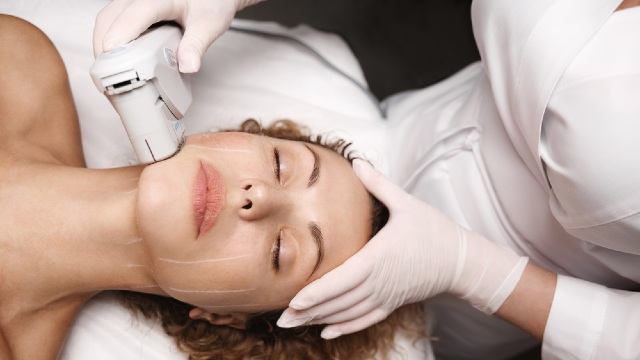
The Technical Side: SMAS Facelift Explained For Patients
To understand why this procedure is so effective, we must first look at what is happening beneath the skin. When we talk about a SMAS facelift explained to a patient, we start with the anatomy. SMAS stands for the Superficial Musculoaponeurotic System. This is a thin but strong layer of connective tissue and muscle that covers the deeper structures of the face. It is found just below the fat layer and above the facial nerves.
What Is The SMAS Layer?
Think of the SMAS layer as the foundation of a house. If your skin is the wallpaper, the SMAS is the framing that holds everything up. Over time, that framing begins to shift and sag. No matter how many times you replace the wallpaper, if the foundation is crooked, the house will look old. In a SMAS facelift explained context, we emphasize that the goal is to repair the foundation. By tightening this muscular layer, the surgeon can create a structure that supports the skin more effectively. This layer connects the facial muscles to the skin, which is why its movement affects your overall appearance so significantly.
The SMAS layer is unique because it is continuous across the face. It starts near the temple and extends down into the neck where it becomes the platysma muscle. Because it is a single, sturdy sheet of tissue, lifting it allows for a very even and natural distribution of tension. This is why a SMAS facelift explained to patients often highlights the lack of a pulled look. You are not just pulling the skin; you are moving the entire facial mask back to its original position.
Why The SMAS Layer Changes As We Age
As we age, gravity is our constant enemy. The ligaments that hold the SMAS layer in place begin to stretch out. When these internal supports loosen, the fat pads in our cheeks begin to slide downward. This results in the formation of jowls and the deepening of the nasolabial folds. Facial sagging correction is not just about the surface; it is about these deep structural changes.
Many patients in their 50s and 60s notice that their face looks heavy at the bottom. This is because the SMAS has drifted toward the jawline. In any SMAS facelift explained session, Dr. Kim points out that these changes are biological. The collagen and elastin within the SMAS layer also degrade over time. This makes the tissue less resilient. When you choose a SMAS facelift, you are addressing the root cause of this heaviness rather than just treating the symptom of loose skin.
How Surgeons Manipulate The SMAS
During the procedure, the surgeon makes an incision that allows them to access this deeper layer. There are different ways to handle the SMAS. Some surgeons use a technique called imbrication, where they cut out a small section and sew the edges together. Others use plication, where they fold the tissue over itself and secure it with sutures. The SMAS facelift explained to our US patients usually involves a more sophisticated approach called the deep SMAS technique.
Dr. In Bae Kim explains that the goal is to reposition the facial structure rather than just stretching the surface. By lifting the SMAS vertically, the surgeon restores the high cheekbones and clean jawline of youth. This movement is very precise. Because the facial nerves sit just below this layer, the surgeon must have an intimate knowledge of anatomy. This is why choosing a specialist like Dr. Kim is vital. He uses his years of experience to ensure the lift is both safe and aesthetically pleasing.
Comparing Results: SMAS Vs Skin Only Facelift
When you have a SMAS facelift explained, it is impossible not to compare it to the traditional skin only facelift. Many patients ask why they cannot just have the skin tightened. To answer this, we have to look at the history of plastic surgery and the long term results of both methods.
The Limitations Of Skin Only Lifts
In the 1980s and early 1990s, skin only lifts were the standard. The surgeon would pull the skin tight and trim the excess. While this looked good for a few months, the results were often disappointing in the long run. Skin is an elastic organ. It is meant to stretch. If you use the skin to hold up the weight of the face, it will eventually stretch back out. Most skin only lifts last only 1 to 3 years.
Furthermore, skin only lifts often lead to the operated look. This happens because the skin is pulled horizontally toward the ears. This can flatten the face and distort the shape of the mouth and eyes. It is sometimes called the windtunnel look. In our SMAS facelift explained discussions, we warn patients that skin only lifts can also lead to wide, visible scars because of the high tension placed on the incision lines.
Why SMAS Is The Gold Standard For Diana And Margaret
For a professional woman in NYC or LA, looking like you had work done is often worse than looking old. This is why the SMAS facelift has become the gold standard. By putting the tension on the strong SMAS layer, the skin can be draped over the new foundation without any pulling. This results in a soft, natural appearance that can last 10 to 15 years.
Feature | Skin Only Facelift | SMAS Facelift |
|---|---|---|
Primary Target | Surface Skin | Deep Muscle Tissue |
Durability | 1 to 3 Years | 10 to 15 Years |
Natural Look | Low Pulled appearance | High Restored volume |
Scarring | Potential for wider scars | Minimal tension on skin |
The SMAS facelift explained to the 50 plus demographic focuses on longevity and subtlety. Diana, a busy executive from Chicago, chose this method because she needed to return to work without her colleagues knowing she had surgery. The SMAS lift provided the jawline contouring she needed without the telltale signs of a traditional lift. Margaret from Phoenix appreciated that her results didn't fade after the first year. The investment in a SMAS lift pays off through years of consistent beauty.
The Intricacies Of The SMAS Facelift Technique
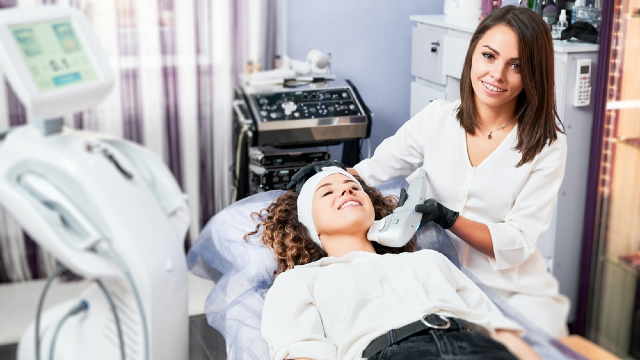
Every surgeon has a slightly different approach, but the SMAS facelift technique followed at Arke Clinic Plastic Surgery and Aesthetic is designed for maximum refinement. Dr. In Bae Kim believes that a successful surgery is one that respects the natural blueprint of the patient. The SMAS facelift explained through his process reveals a deep commitment to detail.
The Incision Strategy
One of the main concerns for US patients is scarring. American women often wear their hair in different styles, and they want to ensure that no one can see the marks of surgery. Dr. Kim uses a very precise incision strategy. The cut starts in the hairline above the ear, follows the natural curve of the ear canal, and wraps around the earlobe into the crease behind the ear.
This method hides the scar in the natural shadows and folds of the head. In any SMAS facelift explained guide, we mention that the use of microscopic sutures helps the skin heal with minimal visible marks. Once healed, these scars are almost impossible to find, even with short hair. This is a significant part of the SMAS facelift technique that sets Arke Clinic apart.
Lifting And Repositioning
The core of the SMAS facelift technique is the direction of the lift. Traditional surgery often pulled toward the ears. Dr. Kim uses a vertical lift. He moves the SMAS layer upward toward the temples. This opposes the natural downward pull of gravity. It restores the V shape of the jawline and lifts the corners of the mouth.
This vertical movement also helps to restore volume to the cheeks. As the SMAS is moved up, the fat pads of the mid face are also elevated. This can reduce the need for excessive fillers later on. The SMAS facelift explained to patients highlights how this anatomical repositioning creates a three dimensional rejuvenation. It is not just about removing wrinkles; it is about restoring the architecture of the face.
Fat Grafting Integration
In many cases, lifting the tissue is not enough. As we age, we also lose facial volume. Our faces become hollow in the temples and under the eyes. This is why Dr. Kim often combines the SMAS facelift technique with microfat grafting. This involves taking a small amount of fat from the patient's own body and injecting it into areas that need more volume.
True rejuvenation requires both lifting the structure and restoring the lost volume of youth, says Dr. In Bae Kim. This dual approach ensures facial balance. When you have a SMAS facelift explained at Arke Clinic, the doctor will assess whether fat grafting is necessary for your specific goals. This combination is particularly popular among our LA and NYC patients who want a glow that looks healthy and vibrant rather than just tight.
Important Considerations: Recovery And Candidate Selection
Before booking a flight to Seoul, it is vital to have the recovery process of a SMAS facelift explained in detail. International travel adds a layer of complexity to the healing process. We want our patients from Houston, Phoenix, and other US cities to be fully prepared for the journey.
Are You A Good Candidate?
Not everyone is a perfect candidate for this procedure. A SMAS facelift explained to a potential patient involves an assessment of skin elasticity and overall health. Generally, the best candidates are those in their 40s to 70s who have significant facial sagging but still possess some skin elasticity.
Healthy non smokers are the best candidates because smoking significantly impairs the healing process and increases the risk of complications. You must also have realistic expectations. While a facelift can take years off your appearance, it does not change your fundamental bone structure. During the virtual consultation, Dr. Kim uses his expertise to determine if the SMAS facelift technique is the right choice for your specific aging pattern.
The 14 Day Seoul Recovery Timeline
When you come to Korea for surgery, we recommend staying for at least 14 days. This ensures that you are past the most critical healing stages before you board a long haul flight. Having this SMAS facelift explained timeline helps you plan your time in Gangnam.
Timeline | Recovery Progress |
|---|---|
Day 1 to 3 | This is the peak of swelling and bruising. You will wear a compression bandage and should rest at your hotel. |
Day 4 to 6 | Swelling begins to subside. You can start taking light walks around the Gangnam area. |
Day 7 | You return to Arke Clinic for the first round of stitch removal. Most patients start to feel much more comfortable at this stage. |
Day 10 | The remaining stitches are removed. You can now use light makeup to cover any lingering bruises. |
Day 14 | Dr. Kim performs a final check. You are cleared for your flight back to the US. |
We often tell patients to use this time as a medical vacation. Seoul is a beautiful city with many quiet places to relax. By the time you return home, the initial redness has faded, and you are ready to show your refreshed look to your friends and family.
Why Choose Deep SMAS Korea At Arke Clinic?

South Korea has become the global capital of plastic surgery. But why do patients specifically look for deep SMAS Korea services at Arke Clinic? The answer lies in the unique blend of the Korean aesthetic and Dr. Kim’s specific surgical philosophy.
The Seoul Aesthetic: Natural Refinement
In the West, plastic surgery can sometimes be aggressive. There is a tendency to overfill or overpull. The Korean aesthetic is different. It focuses on natural refinement. The goal of deep SMAS Korea procedures at Arke Clinic is to make you look like a younger, more rested version of yourself. People should notice you look great, but they should not be able to point to why.
This focus on subtlety is why so many US patients choose to travel. They want the precision that Korean surgeons are known for. In Seoul, facial surgery is seen as an art form. Dr. Kim spent years honing his skills to ensure that every movement he makes enhances the natural beauty of the face without creating a mask like appearance. This is a core part of the deep SMAS Korea experience.
Dr. Kim’s Anatomy Based Precision
Dr. In Bae Kim has over 15 years of experience and has performed thousands of procedures. His approach is based on a deep understanding of facial anatomy. He does not use a one size fits all method. Every face has a unique blueprint. We do not use a cookie cutter approach; we follow your natural anatomy, Dr. Kim explains.
His use of anatomy based injection planning and surgical design ensures symmetry. Many patients come to him because they have noticed one side of their face is sagging more than the other. Dr. Kim’s precision allows him to correct these imbalances. When you have a SMAS facelift explained by Dr. Kim, you can see his passion for technical excellence and patient satisfaction.
Related Questions: Complementary Procedures
A facelift addresses the lower two thirds of the face. However, aging rarely stops at the jawline. To achieve total facial harmony, many patients consider other procedures alongside their SMAS lift. Having the full anti aging ecosystem of a SMAS facelift explained helps you see the big picture.
Combining Brow Lifts And Blepharoplasty
If you have a youthful jawline but heavy, drooping eyelids, the result can look unbalanced. This is why many patients choose to combine their facelift with a brow lift or blepharoplasty (eyelid surgery). A brow lift addresses the forehead and raises the eyebrows to a more youthful position. Blepharoplasty removes excess skin and fat from the upper and lower eyelids.
Addressing the upper and lower face together provides a more cohesive result. During your consultation for deep SMAS Korea, Dr. Kim will look at your face as a whole. If your eyes are a major concern, he will explain how these procedures can be performed in a single surgical session, saving you recovery time in the long run.
Non Surgical Maintenance
Even after a successful facelift, you will want to maintain your skin quality. Post surgery, many patients continue with non surgical treatments. Masseter Botox can help slim the lower face by relaxing the jaw muscles. Laser skin rejuvenation can improve the texture and tone of the skin surface, which the facelift does not change.
Think of the facelift as the major renovation and these treatments as the regular maintenance. They help protect your investment. In any SMAS facelift explained guide, it is important to mention that while the surgery is long lasting, the biological process of aging continues. These maintenance steps help you stay ahead of the curve.
Why Choose Arke Clinic Plastic Surgery And Aesthetic For Your Facelift
Choosing the right clinic is just as important as choosing the right procedure. Arke Clinic has built a reputation as a premier destination for international patients. When you want a SMAS facelift explained and performed by the best, Arke Clinic is the answer.
Dr. In Bae Kim’s Expertise And Experience
Dr. Kim is not just a surgeon; he is a specialist in facial rejuvenation. With over 15 years of experience and more than 3,000 procedures under his belt, he has seen every type of facial structure. His annual volume of 200 surgeries ensures that his skills remain sharp. He is widely known for his symmetry focused design and anatomy based injection planning.
His background includes extensive training and membership in international aesthetic medicine conferences. This means he is always up to date with the latest global trends and techniques. When US patients from LA or NYC visit, they are often impressed by his level of detail and his ability to communicate complex surgical concepts clearly.
The Arke Difference: Tailored Refinement
At Arke Clinic, we believe in personalized care. From the moment you walk into our high end facility in Gangnam, you are treated as an individual. Our consultations are led by the surgeon himself, not by a consultant. This ensures that the person performing your surgery is the same person who understands your goals.
We focus on tailored refinement. This means we take the time to understand your specific concerns. Whether it is jowl reduction surgery or nasolabial fold treatment, your plan is unique to you. This level of attention is what defines the Arke difference.
International Patient Support
We understand that traveling for surgery can be stressful. That is why we offer comprehensive support for our US patients. Our staff speaks English fluently and can help with everything from local logistics in Seoul to post operative care. We want your experience to be as smooth as possible.
Whether you are flying from Chicago or Phoenix, we provide the guidance you need. We can recommend local accommodations that are comfortable for recovery and help you navigate the city of Seoul. Our goal is to make your medical journey to Korea a positive and life changing event.
How To Book Your SMAS Facelift In Seoul
Taking the first step toward a more youthful you is easy. We have streamlined the process for our international patients to ensure that you feel confident every step of the way.
Step 1: Virtual Consultation
You do not need to fly to Korea just for an initial meeting. You can start with a virtual consultation from the comfort of your home in NYC or LA. Simply send us your photos from different angles, and Dr. Kim will provide a preliminary assessment. This allows you to get a SMAS facelift explained specifically for your face before you make any travel commitments.
During this phase, you can ask questions about the SMAS facelift technique and the expected outcomes. We will provide a detailed quote and a timeline for your trip. This stage is crucial for building trust and ensuring that we are on the same page regarding your aesthetic goals.
Step 2: Travel Planning
Once you decide to move forward, our team will help you plan your visit. We will coordinate your surgery date with your arrival in Seoul. We recommend arriving a day or two before the surgery to settle in and meet Dr. Kim in person for a final pre operative consultation.
We will provide a checklist for your trip, including what to pack and how to manage your medications. Planning for a 14 day stay is standard. This allows for proper stitch removal and initial healing. Our team is always available to answer any last minute questions you may have.
Contact Information
Ready to begin? You can reach out to us through several channels. We are here to help you get your SMAS facelift explained and scheduled.
Schedule an Online Consultation
WhatsApp: Click here
Schedule an Online Consultation
Website: /
Location: Gangnam-gu, Seoul, South Korea
Clinic Hours
Our clinic is open Monday through Friday from 9:30am to 7:00pm, making it easy to schedule appointments throughout the day. Saturday hours are 9:30am to 3:00pm, and the clinic is closed on Sundays.
Conclusion
A SMAS facelift is more than just a cosmetic procedure; it is a structural restoration of your confidence. By focusing on the deep layers of the face, Dr. In Bae Kim at Arke Clinic ensures that your results are natural, beautiful, and lasting. We have covered the SMAS facelift explained in terms of anatomy, compared it to older techniques, and walked through the intricacies of the surgical process. We also addressed the unique benefits of seeking deep SMAS Korea services.
With over 15 years of experience and a dedication to the natural refinement aesthetic of Seoul, you are in expert hands. The role of AI in clinic medical articles has helped us present this information clearly, but the heart of our practice is the human touch and surgical expertise of Dr. Kim. Whether you are coming from the busy streets of NYC or the sunny shores of LA, our team at Arke Clinic is ready to support your transformation.
Ready to see what is possible? Contact Arke Clinic today for a virtual consultation and take the first step toward your rejuvenation journey. We look forward to helping you rediscover the most vibrant version of yourself.
Author Bio
Dr. In Bae Kim is the Lead Surgeon at Arke Clinic Plastic Surgery and Aesthetic. He has over 15 years of experience and performs more than 200 surgeries annually. He is a member of several international aesthetic medicine conferences and is a renowned specialist in anatomy based facial balance and natural rejuvenation techniques. His expertise has helped thousands of patients from around the world achieve their aesthetic goals through precise and thoughtful surgical care. He is committed to staying at the forefront of the field, utilizing modern tools and AI research to ensure the highest standards of patient education and safety.
For consultations:
Schedule an Online Consultation
Frequently Asked Questions
How Much Does A SMAS Facelift Cost In Korea Vs NYC?
The cost of a facelift in Korea is often significantly lower than in major US cities like NYC or LA. While prices vary depending on the complexity of the case, patients often find that they can receive world class care in Seoul for about half the price of a high end US surgeon. This remains true even when including the cost of travel and a two week stay. However, the main reason patients choose Dr. Kim is the quality and natural look of the results, rather than just the price.
Will I Have Visible Scars?
When the SMAS facelift technique is performed correctly, scars are very well hidden. Dr. Kim places incisions in the natural creases around the ear and within the hairline. Because the tension of the lift is placed on the deep SMAS layer, there is very little tension on the skin edges. This allows the scars to heal as very fine, thin lines that usually fade to a point where they are nearly invisible after a few months.
How Long Does The Actual Surgery Take?
A full SMAS facelift usually takes between 3 to 5 hours. This time allows Dr. Kim to carefully lift the SMAS layer, perform any necessary fat grafting, and meticulously close the incisions. If you are combining the facelift with other procedures like a brow lift or blepharoplasty, the surgery time will be longer. We prioritize safety and precision over speed, ensuring that every detail is perfect.
Is A Mini Facelift The Same As A SMAS Facelift?
No, they are different. A mini facelift usually targets only the lower jawline and uses shorter incisions. It often does not involve the same level of deep tissue work as a full SMAS facelift. While a mini lift has a shorter recovery time, its results are also less dramatic and less durable. A SMAS facelift explained to patients usually highlights its ability to provide a more comprehensive and longer lasting rejuvenation of the entire mid and lower face.
What Is The Best Age For A SMAS Lift?
Most patients are between 45 and 65 years old. However, the best age is determined by your anatomy rather than your birth date. If you have significant sagging and jowls, you may be a candidate regardless of your chronological age. Some patients with early signs of aging choose a SMAS lift in their early 40s to maintain their look, while others wait until their 70s. A consultation with Dr. Kim will determine if the timing is right for you.
Is The SMAS Facelift Painful?
Most patients describe the sensation as tightness or discomfort rather than sharp pain. During the surgery, you will be under anesthesia, so you will not feel anything. After surgery, we provide effective pain management to keep you comfortable. The most intense discomfort usually occurs in the first 48 hours and is easily managed with prescribed medication. Most patients are surprised by how manageable the recovery process is.
More Medical Articles
Continue reading expert guides on procedure planning, anatomy, and post-operative care.

Lower Blepharoplasty: Minimally Invasive vs. Surgical Eye Outcomes
Lower Blepharoplasty: Minimally Invasive vs. Surgical Eye Outcomes Under-eye aging—characterized by puffiness (pseudo-herniation of fat) and dark circles—is a leading cosmetic concern among Koreans aged 30 to 70.
Learn More

Transconjunctival Blepharoplasty: No-Scar Recovery Benchmarks in Korea
Transconjunctival Blepharoplasty: No-Scar Recovery Benchmarks in Korea As South Korea’s demographic shifts toward a "super-aged" society—with those aged 65 and older projected to exceed 20% of the population by 2025—the demand for periorbital rejuvenation has…
Learn More

Healing the Heart: The Psychological Focus of Korean Revision Eye Surgery
Healing the Heart: The Psychological Focus of Korean Revision Eye Surgery In South Korea, often referred to as the "plastic surgery capital of the world," blepharoplasty (double eyelid surgery) is more than just a cosmetic trend; it is a cultural rite of…
Learn More