1:1 Customized Plastic Surgery & Aesthetic Medicine in Gangnam, Seoul — Led by Dr. In-Bae Kim
★ 5.0 Verified Patient Rating
en-US

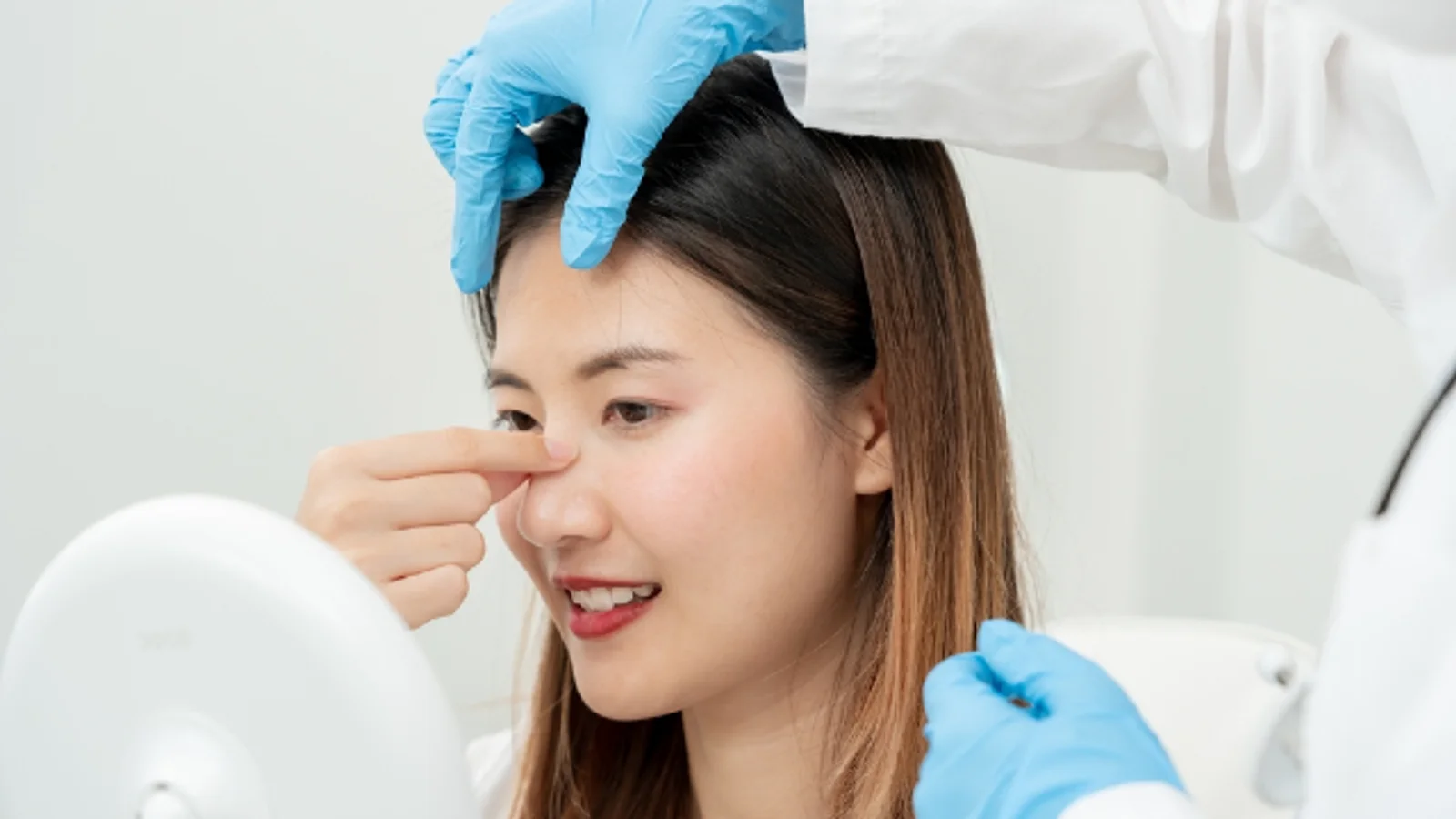
Clinical Guide & Insights
Rhinoplasty in Korea 2026: The American Patient's Guide
Complete guide to rhinoplasty in Korea for US patients. Learn about technique, ethnic preservation, results, recovery, and cost at Arke Clinic Seoul.
Schedule a ConsultationIntroduction
You've thought about it for years. Maybe it's a dorsal hump that catches the light in every profile photo. Maybe it's a nose that doesn't match the refined features you see in the mirror. Or maybe you've spent enough time on Reddit, Instagram, and YouTube seeing the extraordinary results coming out of Gangnam that you're finally asking yourself: "Could rhinoplasty in Korea actually be the answer for me?"
The challenge isn't whether you want rhinoplasty, it's whether you can find a surgeon who truly understands what you're looking for. American rhinoplasty often follows Western beauty standards that don't always translate for patients seeking subtle, identity-respecting refinement. You don't want to look operated on. You don't want to look like a generic version of someone else's aesthetic. You want to look like the best version of yourself.
Rhinoplasty in Korea has become the gold standard for American patients who care deeply about natural results and ethnic feature preservation. By the end of this guide, you'll understand exactly what makes rhinoplasty in Korea different for American patients, how Korean surgeons achieve such natural-looking results, whether a dorsal hump reduction can preserve your unique features, what the entire experience looks like from virtual consultation to final results, and how much everything actually costs when you factor in flights, hotel, and recovery. Most importantly, you'll know whether Arke Clinic is the right choice for your specific goals.
Dr. In Bae Kim has spent more than 15 years specializing in facial rhinoplasty with a focus on anatomy-based design and proportion harmony. He performs 200 plus surgeries annually and is recognized internationally for his work with non-Korean patients seeking natural, identity-respecting results. At Arke Clinic, every rhinoplasty is personalized, designed for your unique facial structure, your ethnic heritage, and your individual vision of what refined means.
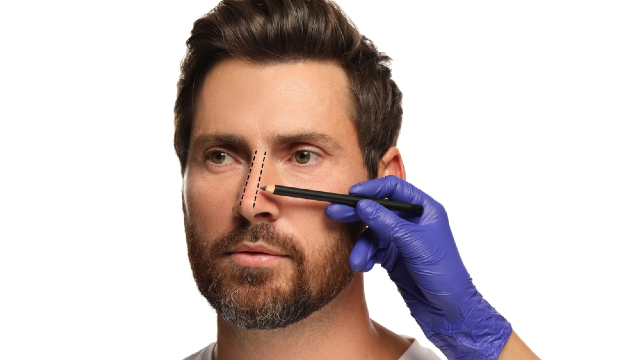
Why American Patients Choose Rhinoplasty in Korea
The Global Reputation of Korean Rhinoplasty
Seoul has become the undisputed global capital for rhinoplasty, and this reputation isn't built on marketing hype or Instagram filters. It's built on consistent, exceptional outcomes delivered by surgeons who have performed thousands of procedures. The difference between volume and skill matters here. Korean clinics perform more rhinoplasties per surgeon per year than their Western counterparts, which means surgeons build expertise through sheer repetition and refinement of technique.
The Korean aesthetic philosophy differs fundamentally from Western approaches. Rather than dramatic transformation, Korean rhinoplasty emphasizes refinement over drama and harmony over transformation. The goal is for people to notice you look great without being able to pinpoint exactly why. This approach resonates deeply with American patients who've grown skeptical of obviously surgical-looking results. When you search for rhinoplasty Korea online, you'll find before and after galleries that showcase this philosophy in action: subtle, powerful changes that look entirely natural.
Korean surgeons have earned international recognition not just for technique, but for understanding what non-Korean patients actually want. Dr. In Bae Kim regularly participates in international aesthetic medicine conferences and leads peer training programs, sharing his methodology with surgeons globally. This international engagement ensures that Korean rhinoplasty expertise isn't isolated to Seoul; it's constantly being tested, refined, and validated against global standards.
The specificity of training in Korean clinics also sets them apart. Many top Korean surgeons subspecialize in rhinoplasty exclusively, whereas American surgeons often balance rhinoplasty with a broader range of facial and body procedures. This focus creates depth of knowledge that translates directly to better outcomes.
What Makes Korean Surgeons Different From American Surgeons
The technical skill of top American surgeons and top Korean surgeons is roughly equivalent. What differs is philosophy, approach, and the cultural context of what beautiful means. American rhinoplasty traditionally follows templates based on Western beauty standards, often creating results that are technically perfect but don't necessarily reflect the patient's individual identity. Korean rhinoplasty treats the nose as part of a complete facial composition, not as an isolated feature to be perfected.
Dr. In Bae Kim explains this difference clearly: "In my experience, American surgeons and Korean surgeons don't differ in basic technical skill, we differ in philosophy. American rhinoplasty often treats the nose as a feature to be perfected in isolation. Korean rhinoplasty treats the nose as part of a complete facial composition. We ask: How does this change affect overall harmony? How does it look from every angle? Will this result reflect who this person actually is? That thoughtfulness is what creates results that age well and feel natural even after 10 years."
This philosophy extends to how surgeons approach ethnic features. Rather than viewing ethnicity as a limitation to work around, Korean surgeons see it as information about anatomy, skin thickness, healing patterns, and the proportions that will look natural on your specific face. When you undergo rhinoplasty in Korea with Dr. Kim, you're not fighting against your ethnic heritage; you're working with it to create a refined version of yourself.
The structural approach differs too. American surgeons might ask: "What's the problem with this nose?" Korean surgeons ask: "How can we refine this nose to create perfect proportion and harmony with the rest of the face?" This subtle difference in framing leads to dramatically different results.
Understanding Korean Rhinoplasty Technique
Open vs. Closed Rhinoplasty: What's the Difference
Understanding these two approaches helps you appreciate why Korean surgeons achieve such natural results and why the right choice depends entirely on your anatomy and goals.
Closed rhinoplasty, also called endonasal rhinoplasty, involves making incisions entirely inside the nose. The surgeon works through the nostrils, accessing the nasal structure from within. This approach leaves zero external scarring and typically involves a slightly faster external healing process. The recovery looks less bruised and swollen from the outside because there's no external incision to heal.
Open rhinoplasty involves making a small incision across the columella, the tissue between your nostrils. This external incision allows the surgeon to lift the skin and access the underlying nasal structure more directly. While there is an external incision, it's placed strategically and typically heals with minimal visible scarring due to natural skin fold lines.
The advantages and disadvantages are real but often overstated. Open rhinoplasty provides superior visualization and control, making it ideal for complex cases, significant dorsal hump reduction, or when multiple structural changes are needed. Closed rhinoplasty works beautifully for patients with straightforward concerns and good nasal anatomy. Neither approach is universally better; the right choice depends on your specific needs.
Dr. Kim determines the appropriate technique during your virtual consultation by evaluating your nasal anatomy, your specific concerns, and your goals. For many American patients seeking dorsal hump reduction, closed rhinoplasty delivers excellent results with slightly faster recovery. For others with more complex structural issues, open rhinoplasty provides the precision needed for optimal outcomes.
Recovery timelines differ slightly. With open rhinoplasty, external swelling takes slightly longer to resolve fully because there's an external incision healing. With closed rhinoplasty, you might look presentable to the outside world one or two days sooner. By week two, the difference is negligible, and by month three, both approaches have achieved similar results.
Dorsal Hump Reduction: The Specialty That Defines Arke Clinic
Dorsal hump reduction is the most common reason American patients seek out rhinoplasty in Korea. The dorsal hump is the prominence or bump along the bridge of your nose, usually visible from a profile view. If you've noticed a bump that makes your profile feel less refined, that's what we're talking about.
The procedure sounds straightforward but represents one of the most technically demanding rhinoplasties. The surgeon must carefully remove or reshape the cartilage and bone creating the hump while maintaining perfect structural support for the rest of the nose. Remove too much and you create an unnatural scooped appearance that looks operated on. Remove too little and you haven't solved the problem.
What makes dorsal hump reduction at Arke Clinic different is the precision approach. Dr. Kim uses three-dimensional imaging to plan every reduction, visualizing exactly how much material needs to be removed and how the profile will change. He constantly thinks about how the new dorsal line relates to your overall facial harmony. A skilled surgeon doesn't just remove a hump; they create a dorsal line that looks like it was always meant to be that way on your specific face.
This is where the Korean philosophy of proportion harmony becomes essential. A dorsal hump reduction that looks natural on a patient with a long face differs from one that looks natural on a patient with a rounder face. Dr. Kim considers your entire facial structure, not just the hump itself.
Dr. In Bae Kim describes the nuance: "Dorsal hump reduction sounds simple, but it's actually one of the most technically demanding procedures we do. The difference between a result that looks natural and one that looks scooped or unbalanced comes down to millimeters of judgment. We use three-dimensional imaging to plan every reduction, and we're constantly thinking about how the new profile relates to the patient's overall facial harmony. When done correctly, people notice that you look better, but they can't quite articulate why, and that's exactly what we're aiming for."
Ethnic Feature Preservation and Identity-Respecting Results
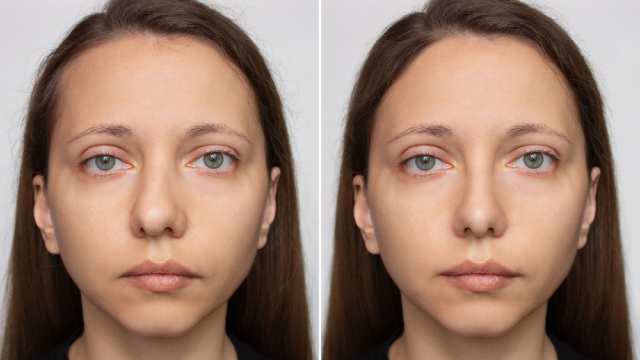
The Arke Clinic Commitment: Ethnic Features and Cultural Identity
This section addresses the question that matters most to American patients considering rhinoplasty in Korea: Will this preserve who I am? Will I still look like myself?
The genuine problem exists because some Korean clinics apply a standardized Korean aesthetic to every patient regardless of ethnicity. The result is patients who end up looking like they conformed to a template rather than refined their own features. This happens when clinics prioritize efficiency and volume over individualization.
Arke Clinic operates from a fundamentally different principle. Rhinoplasty should enhance your unique features, not conform you to a template. This means truly understanding ethnicity not as a limitation to overcome but as foundational information about your anatomy.
When Dr. Kim evaluates ethnicity in rhinoplasty planning, he considers the structure of your nasal bridge, the projection and shape of your tip, and your specific ethnic nasal anatomy. Different ethnic groups have characteristic bone density, cartilage structure, and skin thickness that affect how rhinoplasty should be performed and what results will look natural on your face. This understanding is critical.
The operating principle is enhancement, not erasure. You refine the features you have rather than replacing them with someone else's ideal. For a non-Korean male patient concerned about a dorsal hump, this means the reduction preserves masculine nasal structure while refining the prominence. It means your nose looks better aligned with your face without making you look like you tried to become someone else.
Why this matters psychologically is profound. You want people to say you look great. You want to feel more confident about your profile. But you don't want to look like you had work done, and you certainly don't want to feel like you betrayed your heritage or identity. Ethnic-respecting rhinoplasty at Arke Clinic delivers that outcome.
Consider the specific principle in practice. A patient with Mediterranean heritage has different nasal anatomy than a patient with East Asian heritage, who differs from a patient with African heritage. A skilled surgeon who understands ethnicity uses that information. They don't erase ethnic features; they refine them. The result is natural, harmonious, and unmistakably you.
Dr. In Bae Kim expresses this commitment clearly: "One of the biggest mistakes clinics make is treating ethnicity as a limitation to overcome rather than a foundation to build upon. When a patient comes to me with a specific ethnic heritage, I see that as information. It tells me about their nasal anatomy, skin characteristics, healing potential, and the proportions that will look natural and balanced on their unique face. My goal is never to make someone look less ethnic or more Western. My goal is to make them look like the most refined, harmonious version of themselves, whatever that means for their individual features and identity."
Masculine Rhinoplasty at Arke Clinic
Male patients have specific concerns about rhinoplasty that differ from female patient concerns. The overriding worry is that rhinoplasty will soften masculine features or create a result that looks refined in a way that feels feminine or less powerful. This fear, while understandable, reflects a misunderstanding of what modern rhinoplasty can achieve.
Masculine rhinoplasty is not about creating softer features. It's about maintaining or enhancing masculine structure while refining problem areas. The goals are distinctly different from female rhinoplasty. Where female rhinoplasty might emphasize slightly softer angles and refined tip definition, masculine rhinoplasty emphasizes stronger tip projection, more defined angles, and preservation of angular features that convey strength.
Dr. Kim's approach to male patients is precise and specific. When a male patient comes to him with a dorsal hump, the reduction preserves or even enhances the structural projection of the nose. The tip might be slightly elevated and more defined rather than softened. The overall profile becomes more proportional to the face while maintaining distinctly masculine characteristics.
The result is that male patients look refined and harmonious without looking operated on or feminized. In video calls, photos, and in person, the change is positive but not dramatic. You look like yourself, but better. Your confidence increases not because you look different but because you look better aligned with how you see yourself.
For creative professionals like the typical Arke Clinic male patient, this matters enormously. You care about how you appear on video calls, in professional photos, and in person. You want to look sharp and put together. Masculine rhinoplasty delivers that outcome. A dorsal hump reduction on a male patient should make him look more refined and harmonious, period.
Dr. In Bae Kim addresses male patient concerns directly: "For male patients, the challenge is often that they've heard rhinoplasty will make them look softer or less masculine. That's not what we do at Arke Clinic. We enhance masculine structure, stronger tip projection, better definition, maintenance of angular features. The goal is that you look like yourself, but more refined and harmonious. In your case, your dorsal hump is reduced, your tip is slightly elevated and better defined, and your overall profile is more proportional to your face. You look exactly like yourself, just the best version."
The Complete Recovery Experience
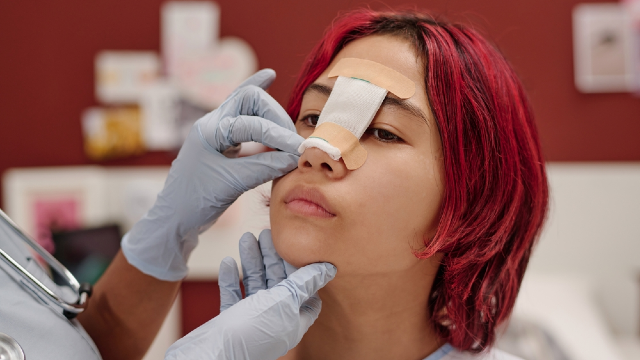
Days 1 to 7: Immediate Post-Surgery
The first week after rhinoplasty is the most intense phase of recovery. Understanding exactly what to expect helps you mentally prepare and manage the process effectively.
Day one after surgery, pain management is the priority. You'll have some discomfort managed with prescribed pain medication. Swelling begins immediately and will increase over the next 24 to 48 hours. You'll have a cast or tape protecting your nose, and your face will look bruised. This is completely normal and expected. Your job on day one is rest, ice application, and pain management.
Days two and three represent peak swelling and bruising. Your face will look significantly swollen, with prominent dark bruising around your eyes and extending down toward your cheeks. This is the phase where you might feel discouraged looking in the mirror. Remember that this is temporary and will resolve. The dark purple and black bruising is actually a positive sign that healing is happening. You'll be managing pain, keeping your head elevated, applying ice, and resting.
Days four through seven see noticeable improvement. Swelling begins decreasing, though it's still present. Bruising becomes greenish and yellowish as your body reabsorbs the blood. By day five or six, your cast may be removed if your surgeon determines the bone has stabilized. Once the cast comes off, you can see the emerging shape of your new nose, though significant swelling still obscures the final result.
Pain during this week follows a predictable pattern. Days one and two are most uncomfortable, typically managed well with prescribed medications. By day three, many patients reduce or eliminate pain medication, experiencing only mild discomfort. By day five to seven, most patients report only mild sensitivity and no real pain.
The precautions during this week are critical. Keep your head elevated even while sleeping, using extra pillows. Apply ice regularly, especially during days one through three. Do not touch your nose, blow your nose, or do anything that might impact your healing healing. Avoid strenuous activity, heavy lifting, and anything that elevates your heart rate and blood pressure. Sleep on your back rather than your side to avoid putting pressure on your nose.
Arke Clinic provides comprehensive support during this phase. You'll have pain management protocols, daily check-ins to assess your recovery, and immediate contact if any concerns arise. Dr. Kim's team is available throughout your stay in Seoul to monitor your healing and address any complications immediately.
Day | Swelling Level | Bruising Appearance | Activity Level | What You Can Do |
|---|---|---|---|---|
1 to 2 | Peak | Severe dark bruising | Bed rest | Rest, ice, pain management |
3 to 5 | Decreasing | Dark to greenish | Very light activity | Short walks, light meals, consultations |
6 to 7 | Moderating | Greenish to yellow | Gentle movement | Explore Gangnam slowly, simple activities |
8 to 10 | Continuing to decrease | Fading | Increasing activity | Light socializing, tourist activities |
Days 8 to 14: You're Ready to Travel
By day ten, most patients have achieved sufficient recovery to consider travel. Swelling has decreased significantly, perhaps 60 to 70 percent of the total reduction visible. Bruising is fading noticeably, becoming lighter and easier to cover if desired. You're looking substantially more like yourself, though some swelling remains.
Medical clearance from Arke Clinic typically comes around day twelve to fourteen, assuming your recovery is progressing normally. At this point, you're safe to fly back to the United States. Your nose is stable, the structure has set, and continued healing happens equally well at home and in Seoul.
Practical considerations for flying deserve attention. Wear compression support during the flight to minimize any swelling increase from cabin pressure and immobility. Request an aisle seat if possible to avoid bumping your nose in the overhead bin or against the window. Stay hydrated throughout the flight. These small precautions help your recovery continue smoothly.
Your final check-up before departure is important. Arke Clinic reviews your recovery status, answers any remaining questions, and ensures you're truly ready to travel. They provide detailed aftercare instructions for your return home and information about any follow-up appointments you might need.
Post-flight recovery continues smoothly. Swelling reduction continues over the next two to four weeks. Bruising fades almost completely. By four weeks post-op, most patients look and feel entirely normal and are cleared to resume normal activities including exercise.
What Can You Actually Do in Seoul While Recovering?
This is the practical question that matters if you're flying to Seoul for surgery. The answer depends entirely on what week of recovery you're in.
Days one through three are genuinely rest days. Yes, you're in an exciting city, but your body needs recovery more than tourism. Spend these days at your hotel, managing pain and swelling, watching movies, ordering room service, and sleeping. This is not the time for sightseeing. Your bruising is severe, your swelling is peak, and your comfort depends on rest.
Days four through seven allow light exploration. You can take short walks around your Gangnam neighborhood. Visit nearby cafes for coffee or light meals. Window shop along the luxury streets near Arke Clinic. Your bruising might be visible, but this is Gangnam, Seoul's busiest and most cosmopolitan district. Nobody cares about bruises, and nobody is watching you. This light activity actually helps recovery by improving circulation without stressing your healing nose.
Days eight through ten open up more possibilities. Museums become feasible because they're low-activity environments. Restaurants you want to try are back on the menu. You can see parts of Seoul you're interested in. By now, bruising is minor enough that makeup can easily cover it if you prefer, or it's fading enough that it doesn't matter. Your activity level can increase substantially while still being sensible about your nose.
Days eleven through fourteen feel almost normal. You can do typical Seoul activities, shopping in Myeongdong, sightseeing in major neighborhoods, enjoying restaurants and cafes. The only real limitation is avoiding contact sports or strenuous exercise. You look great, feel good, and can enjoy your time in Seoul while your nose continues healing.
The Seoul advantage is significant. Recovering at home means recovering under your family's watchful eye, possibly dealing with well-meaning but anxiety-inducing comments about your appearance. In Seoul, you're in a beautiful, interesting city where recovery feels like a component of a larger experience rather than the entire experience. You get to explore an amazing place while your nose heals. That's a genuinely pleasant way to recover.
Rhinoplasty Results, Timeline and What to Expect
The Timeline: From Swelling to Final Results
Understanding when you'll see results is crucial for managing expectations and mental health during recovery.
Week two finds about 60 to 70 percent of swelling resolved. The nose shape becomes visible for the first time since surgery. You can see the general contours of your new nose, though significant swelling still obscures the final result. This is often the phase where patients get excited because they can finally envision the outcome.
Month one brings approximately 80 percent of swelling gone. You can see your final result fairly clearly now. Some minor swelling remains around the tip and along the bridge, but the basic shape and proportions are visible. This is often when patients start feeling genuinely happy with their decision.
Month three shows roughly 90 percent of final result visible. Very subtle residual swelling may remain, imperceptible to anyone but the most observant eye. Most patients feel their result is essentially finalized by this point, though technically healing continues.
Month six brings 95 percent or more of final result. Any remaining micro-swelling is imperceptible to everyone. This is when the result truly settles and becomes your permanent new normal.
Month twelve represents complete final results. Any further changes are minimal and negligible. This is what your nose will look like long-term, how it will age, and the permanent outcome of your surgery.
Why the long timeline? Soft tissue healing takes months. Your body doesn't just remove swelling; it continues adjusting, refining, and settling for months after surgery. The internal structures continue healing and stabilizing. Superficial healing happens quickly, but deep tissue healing happens slowly.
For practical purposes, if you have rhinoplasty in spring, by fall you have excellent results that you can live with confidently. By next spring, the process is complete and you have the final result that will remain stable for years.
Korean Rhinoplasty Results: What Natural Actually Means
The term natural is used casually in cosmetic surgery, but it has a specific definition at Arke Clinic.
Natural means people notice you look great but they can't pinpoint exactly why. They don't think she had surgery or he had work done. They think you look refined, harmonious, and proportional. That's the gold standard of natural results.
When you look at Korean rhinoplasty results from Arke Clinic, you see noses that are refined, proportional to the face, and unmistakably the patient's own nose, not a template result. You see before photos showing issues like dorsal humps or asymmetry, and after photos showing those issues resolved in a way that looks inevitable rather than constructed.
How does Dr. Kim judge success? Patient satisfaction matters, of course. But professional aesthetic evaluation matters equally. And long-term stability matters profoundly. A rhinoplasty that looks perfect at three months but doesn't age well over ten years is ultimately a failure. Dr. Kim evaluates all three criteria when assessing outcomes.
The comparison to over-done results is instructive. Over-done results show obvious changes that were unnecessary. They're symmetrical to the point of artificiality, clearly operated-on in appearance. The nose looks like someone's ideal rather than that person's best version of themselves.
For a typical patient like the creative professional seeking dorsal hump reduction, natural results look like your profile was always this way. No one thinks about it. You just look harmonious and refined. That's exactly what Korean rhinoplasty in Korea delivers.
Long-term results at Arke Clinic remain stable and age naturally. At five years post-op, at ten years post-op, your result continues looking great. Your nose ages with the rest of your face, which is precisely what should happen. You never feel like you need revision surgery or touch-up work.
Dr. In Bae Kim emphasizes the long-term perspective: "The best rhinoplasty result is one you stop thinking about. You look in the mirror and think that's right, that's my nose, not wow, I had surgery. At Arke Clinic, we measure success in ten-year outcomes. A rhinoplasty that looks perfect at three months but doesn't age well is a failure in our eyes. We're designing your nose to look natural and proportional not just now, but for the rest of your life."
Cost, Financing and Transparent Pricing
Arke Clinic Rhinoplasty Pricing: What's Included
Transparent pricing builds trust, and Arke Clinic provides complete clarity about what your rhinoplasty costs.
The surgeon fee typically ranges from $8,500 to $10,500 USD equivalent, depending on the complexity of your case. This is not the cheapest rhinoplasty in Seoul, nor is it positioned as premium luxury pricing. It reflects the expertise and experience of a surgeon who performs over 200 procedures annually.
The facility fee covers the operating room, equipment, and facility costs. Anesthesia is included in your package price, managed by experienced anesthesiologists using modern safety protocols. Post-operative medications and compression support are included. All in-clinic follow-ups during your Seoul stay, including check-ins on days one, three, five, seven, and ten, are included in the package price.
What is specifically not included but worth budgeting are flights from the United States to Seoul, accommodation during your stay, meals, and transportation in Seoul. These are entirely your expenses separate from the surgical package.
Why is Arke Clinic's pricing premium? The answer is straightforward. Top surgeons in Los Angeles charge $12,000 to $16,000 for comparable procedures. Arke Clinic offers comparable or superior expertise at a lower price point because Korean cost of living and operating costs are lower than Los Angeles. You're not paying for brand name or location; you're paying for genuine expertise.
Cost Category | Amount (USD) | Included in Package? |
|---|---|---|
Surgeon Fee | $9,000 | Yes |
Facility and Operating Room | $1,500 | Yes |
Anesthesia | $1,200 | Yes |
Post-Op Medications | $200 | Yes |
In-Clinic Follow-Ups (Seoul) | $400 | Yes |
Total Surgery Package | $12,300 | Yes |
Round-trip flights (LA to Seoul) | $800 to $1,200 | Not included |
Accommodation (12 nights, mid-range hotel) | $1,200 to $1,800 | Not included |
Meals and Transportation | $600 to $1,000 | Not included |
Total All-In (conservative estimate) | $15,900 to $16,300 | — |
Financing and Payment Options
Arke Clinic understands that surgery is a financial commitment and provides multiple payment options to accommodate your situation.
Payment in full is accepted via wire transfer or US credit cards including American Express, Visa, and Mastercard. There's no surcharge for international credit card processing, so you won't encounter hidden fees. A 30 percent deposit secures your surgery date, with the remaining balance due two weeks before your scheduled procedure.
Financing options are available. Arke Clinic partners with medical financing companies offering zero percent interest for twelve months, assuming you qualify. This allows you to spread the investment across a year without accruing interest, making the monthly payments quite reasonable.
Payment timelines offer flexibility specifically for international patients. Arke Clinic can arrange staggered payments if needed. Pricing is quoted in USD for American patients, eliminating currency exchange surprises. What you see is exactly what you'll pay.
Why Choose Arke Clinic for Rhinoplasty in Korea
Dr. In Bae Kim's Expertise and Artistic Philosophy
Dr. In Bae Kim's qualifications are genuinely exceptional. He has 15 plus years of experience specializing exclusively in facial rhinoplasty, not as one of many procedures but as his singular focus. This specialization matters profoundly. He has performed over 2,000 rhinoplasties throughout his career, with 200 plus surgeries annually. This volume, concentrated in a single procedure, creates expertise that develops through thousands of refinements.
Board certifications are important. Dr. Kim holds certification from the Korean Society of Plastic and Reconstructive Surgeons, the fundamental credentialing organization for surgeons in Korea. Beyond domestic recognition, he holds international standing, participating in the International Society of Aesthetic Plastic Surgery as a regular member and presenting at international aesthetic medicine conferences regularly.
His specialization extends to specific expertise areas. He's recognized internationally for anatomy-based injection planning and symmetry-focused surgical design. His training includes an advanced rhinoplasty fellowship specifically focused on developing sophisticated rhinoplasty expertise. All of this adds up to a surgeon who is genuinely among the world's best at this specific procedure.
What Makes Arke Clinic Different
Volume is not the primary differentiator at Arke Clinic. The clinic sees over 200 patients annually, but this is not a high-volume factory where every patient receives a similar procedure. Each patient receives individualized surgical planning based on their unique anatomy, goals, and identity.
The ethnic-preservation philosophy is fundamental to Arke Clinic's approach. The clinic is explicitly committed to enhancing unique features rather than conforming to a template. This philosophy, more than anything else, distinguishes Arke Clinic from clinics that apply standardized aesthetics regardless of patient ethnicity or background.
Artistry and precision work together. The clinic balances surgical skill with genuine aesthetic sensibility. This means your rhinoplasty is not just technically competent; it's artistically excellent. The result looks beautiful because it was designed with genuine consideration for aesthetics, not just mechanics.
International patient infrastructure matters practically. The clinic has an English-speaking team and a dedicated patient coordinator who manages all logistics for international patients. Virtual consultation capabilities mean you can meet with Dr. Kim before traveling to Seoul, removing the need to book blind. This infrastructure removes friction from the process of choosing and booking your surgery.
The clinic uses advanced imaging exclusively. Every rhinoplasty benefits from three-dimensional planning and surgical simulation. You see projected results before surgery, which sets realistic expectations and allows for collaborative design of your outcome.
Clinic accreditation and facility standards reflect modern medical standards. The facility meets international healthcare standards, uses state-of-the-art equipment, and maintains standards equivalent to top American surgical centers.
Finally, the revision policy is straightforward and honest. The clinic addresses revisions professionally when they're needed. While revisions are rare with Dr. Kim's outcomes, the clinic doesn't hide behind complicated policies or fine print. The commitment to patient satisfaction is genuine.
Dr. In Bae Kim summarizes the Arke Clinic approach: "What sets Arke Clinic apart isn't volume, it's commitment to individuality. We see 200 plus patients a year, but that doesn't mean they all get the same surgery. Every rhinoplasty is custom-designed for that specific person's anatomy, goals, and identity. We're selective about who we operate on and how we approach each case. That selectivity is what allows us to achieve results that feel natural and timeless."
How to Book Your Rhinoplasty at Arke Clinic
Step 1: Schedule Your Virtual Consultation
Your first step is completely risk-free. A virtual consultation with Arke Clinic is complimentary and available in English.
During your consultation, you'll discuss your specific goals with Dr. Kim or a senior surgeon. What bothers you about your current nose? What are your specific concerns? Is it a dorsal hump, tip shape, overall proportion, or some combination? Your medical history is reviewed to ensure you're a good candidate. Your timeline is discussed, so the clinic understands when you want your surgery and when you want final results visible.
Booking your consultation is straightforward. Use the website form, email, WhatsApp, or phone. Expect a response within 24 hours and consultation scheduling within 48 to 72 hours. Prepare by having reference photos ready, photos of noses you admire that show the direction you're thinking. List your specific concerns and questions. The consultation typically lasts 30 to 45 minutes.
Step 2: Pre-Operative Planning and Surgery Scheduling
After your consultation, Arke Clinic sends you a detailed treatment plan including three-dimensional imaging simulation of potential results. This simulation shows you roughly how your nose might look with the proposed changes. This collaborative visualization helps ensure you and Dr. Kim are aligned on the goal.
Surgery date selection happens at this stage. Discuss your timeline and availability. When would you prefer to have surgery? When do you want your final results visible? The clinic works with you to find optimal timing. Pre-operative health screening includes standard medical evaluation to ensure you're cleared for surgery.
Detailed instructions are provided for everything you need to do before surgery. Medications to avoid, fasting requirements, preparation steps, all of this is clearly explained. Payment is arranged, with the deposit securing your surgery date. Regular check-ins via email and WhatsApp confirm all arrangements and answer any remaining questions.
Step 3: Travel to Seoul and Surgery Day
Plan to arrive in Seoul one to two days before your scheduled surgery. This allows for a final pre-operative assessment and any last-minute questions. Your pre-operative consultation on the day before surgery ensures you're fully informed and comfortable.
Surgery day arrives early in the morning. The actual procedure typically takes two to three hours. Your recovery time in the clinic facility allows anesthesia to wear off and initial healing to begin under medical supervision. Day one post-op means resting at your hotel with Arke Clinic providing check-in support.
Your assigned English-speaking coordinator manages all logistics during your Seoul stay. You have a twenty-four-hour support line if any concerns arise. This level of support removes stress from the recovery process and ensures you're never without help.
Contact Information:
Schedule an Online Consultation
WhatsApp: Click here
Schedule an Online Consultation
Website: /
Location: Gangnam-gu, Seoul, South Korea
Clinic Hours for Your Convenience
Our clinic offers a consistent and patient-friendly schedule designed to fit into your daily routine with ease. From Monday to Friday, we are open from 9:30 AM to 7:00 PM, giving you ample time to plan your visit for consultations or treatments. On Saturdays, the clinic operates with shorter hours from 9:30 AM to 3:00 PM, making it convenient for weekend appointments. The clinic remains closed on Sundays. For a smooth and timely experience, we recommend booking your appointment in advance.
Frequently Asked Questions
Q: Will My Rhinoplasty Results Look Natural, or Will People Be Able to Tell I Had Surgery?
A. Natural-looking results from Arke Clinic mean people notice you look great but cannot pinpoint why. They don't think you had surgery. They think you look refined and proportional. Dr. Kim's specific approach to proportion harmony creates results that look like they were always meant to be that way on your unique face. After six months post-op, your result looks entirely natural because it is natural.
Q: Can Rhinoplasty Preserve My Ethnic Features if I'm Not Korean?
A. Yes, absolutely. This is Arke Clinic's core specialty. Ethnic feature preservation is not just possible but foundational to every rhinoplasty at the clinic. Dr. Kim views ethnicity as important information about your anatomy, not as a limitation. The goal is enhancement of your existing features, not erasure or conformance to a template. Non-Korean patients consistently report that their results enhance their appearance while preserving their ethnic identity.
Q: How Long After Rhinoplasty Can I Fly Back to the United States?
A. Most patients are medically cleared to fly between days 12 and 14 post-op, assuming normal recovery progression. You should not fly in the first week. Flying too early increases swelling and risks complications. Arke Clinic provides medical clearance based on your individual recovery, not a blanket timeline. Your final check-up before departure confirms you're truly ready to travel.
Q: What's the Difference Between Open and Closed Rhinoplasty?
A. Open rhinoplasty involves a small incision across the columella (tissue between your nostrils) and provides superior visualization and control. Closed rhinoplasty uses incisions entirely inside the nose and leaves zero external scarring. Both approaches achieve excellent results. The right choice depends on your specific anatomy and surgical needs. Dr. Kim determines the appropriate approach during your consultation based on your individual case.
Q: How Much Does Rhinoplasty Cost at Arke Clinic Compared to Los Angeles Surgeons?
A. Arke Clinic's surgical package typically costs $12,300 USD, with flights, accommodation, and meals adding approximately $3,600 to $4,000. Total out-of-pocket is roughly $15,900 to $16,300. Top Los Angeles surgeons charge $12,000 to $16,000 for the surgical procedure alone, not including the logistics of local recovery. Arke Clinic offers comparable expertise at similar total cost, but with the advantage of exclusive attention during recovery and world-class results.
Q: Can I Combine Rhinoplasty With Other Facial Procedures in One Trip to Seoul?
A. Yes, many patients combine rhinoplasty with other procedures like blepharoplasty (eyelid surgery) during a single Seoul visit. This is actually efficient since you're already traveling and taking recovery time. Dr. Kim evaluates your candidacy for combination procedures during your consultation. Combining procedures slightly extends recovery but is medically safe when appropriately planned.
Q: How Is Dr. In Bae Kim Qualified to Perform Rhinoplasty on Non-Korean Patients?
A. Dr. Kim's 15-year specialization in facial rhinoplasty includes extensive work with non-Korean patients from around the world. He has performed 2,000 plus rhinoplasties with a substantial percentage on international patients seeking ethnic-preserving results. His board certification from the Korean Society of Plastic and Reconstructive Surgeons, membership in the International Society of Aesthetic Plastic Surgery, and regular presentations at international conferences all validate his expertise. He's recognized globally for his approach to ethnic rhinoplasty.
Q: What Is the Recovery Pain Like After Rhinoplasty?
A. Pain is most significant on days one and two post-op, but is well-managed with prescribed pain medication. Most patients reduce medication by day three and report only mild discomfort afterward. Pain is typically described as mild throbbing rather than sharp or severe. By day five to seven, most patients report no real pain, only mild sensitivity. Pain management at Arke Clinic includes clear protocols and ongoing support.
Q: How Do I Prepare for My Virtual Rhinoplasty Consultation at Arke Clinic?
A. Gather clear photos of your current nose from multiple angles, especially profile views. If you have reference photos of noses you admire, bring those to the consultation. Write down your specific concerns and goals. List any previous surgeries or medical conditions. Think about what you specifically want to change and what you want to preserve. This preparation allows Dr. Kim to understand your goals completely and provide an informed recommendation.
Q: What Makes Korean Rhinoplasty Better Than American Rhinoplasty?
A. The difference is philosophical rather than technical. Korean rhinoplasty emphasizes natural results, proportion harmony, and ethnic feature preservation. American rhinoplasty sometimes defaults to Western beauty standards that create obvious or over-corrected results. Korean surgeons train extensively in anatomy-based design and specialization in rhinoplasty, whereas many American surgeons balance rhinoplasty with diverse procedures. For patients seeking subtle, natural, ethnic-preserving results, Korean rhinoplasty in Korea with specialized surgeons delivers superior outcomes.
Conclusion
Rhinoplasty in Korea, when performed by the right surgeon at the right clinic, delivers the natural-looking, identity-respecting results that American patients have been searching for. At Arke Clinic, Dr. In Bae Kim combines 15 plus years of specialized expertise with a profound commitment to ethnic-feature preservation and surgical artistry. Your rhinoplasty won't just correct a physical concern; it will give you the confidence that comes from looking exactly like yourself, refined.
With 2,000 plus rhinoplasties performed and consistent five-star outcomes from international patients, Dr. Kim and Arke Clinic have earned the trust of discerning patients from New York to Los Angeles and beyond. You're not taking a chance on an unknown clinic; you're investing in proven expertise and a personalized approach to your unique goals. Korean rhinoplasty results from Arke Clinic represent the gold standard of what's possible when artistry, technical skill, and genuine care for the patient converge.
Ready to explore whether rhinoplasty in Korea at Arke Clinic is right for you? Schedule your free virtual consultation with Dr. Kim today. Your first step is just a click away, and your refined, natural-looking results could be 12 months away. The best version of yourself is waiting.
About the Author
Dr. In Bae Kim, MD
Board-Certified Plastic and Aesthetic Surgeon
Lead Surgeon, Arke Clinic Plastic Surgery and Aesthetic, Seoul, South Korea
Dr. In Bae Kim brings 15 plus years of specialized expertise in facial rhinoplasty and aesthetic procedures. He has performed over 2,000 rhinoplasties throughout his career, with 200 plus surgeries annually. His approach centers on anatomy-based rhinoplasty design, ethnic-feature preservation, and creating natural-looking results that enhance individual identity.
Professional Credentials and Affiliations include certification from the Korean Society of Plastic and Reconstructive Surgeons (KSPRS), membership in the International Society of Aesthetic Plastic Surgery (ISAPS), and regular presentations at international aesthetic medicine conferences and professional training programs.
His specialization focuses on anatomy-based rhinoplasty design, ethnic-feature preservation, natural-looking results for diverse patient populations, and revision rhinoplasty. Dr. Kim is recognized internationally for his approach to non-Korean patient outcomes and his commitment to identity-respecting surgical results.
For consultations:
More Medical Articles
Continue reading expert guides on procedure planning, anatomy, and post-operative care.

Lower Blepharoplasty: Minimally Invasive vs. Surgical Eye Outcomes
Lower Blepharoplasty: Minimally Invasive vs. Surgical Eye Outcomes Under-eye aging—characterized by puffiness (pseudo-herniation of fat) and dark circles—is a leading cosmetic concern among Koreans aged 30 to 70.
Learn More

Transconjunctival Blepharoplasty: No-Scar Recovery Benchmarks in Korea
Transconjunctival Blepharoplasty: No-Scar Recovery Benchmarks in Korea As South Korea’s demographic shifts toward a "super-aged" society—with those aged 65 and older projected to exceed 20% of the population by 2025—the demand for periorbital rejuvenation has…
Learn More

Healing the Heart: The Psychological Focus of Korean Revision Eye Surgery
Healing the Heart: The Psychological Focus of Korean Revision Eye Surgery In South Korea, often referred to as the "plastic surgery capital of the world," blepharoplasty (double eyelid surgery) is more than just a cosmetic trend; it is a cultural rite of…
Learn More