1:1 Customized Plastic Surgery & Aesthetic Medicine in Gangnam, Seoul — Led by Dr. In-Bae Kim
★ 5.0 Verified Patient Rating
en-US


Clinical Guide & Insights
Rhinoplasty for Breathing Problems: Cosmetic + Functional Benefits
Improve breathing and enhance facial harmony with rhinoplasty. Discover functional and cosmetic benefits in our expert guide. Learn more today!
Schedule a ConsultationIntroduction

When most people hear the word rhinoplasty, they immediately think of cosmetic changes — a slimmer bridge, a refined tip, or a more balanced profile. In reality, rhinoplasty has another equally important role: restoring healthy, comfortable breathing. At Arke Clinic in Gangnam, we often meet patients who come in for cosmetic concerns but quietly confess that they’ve struggled with nasal obstruction for years. The truth is, the best rhinoplasty often addresses both form and function, creating harmony not just in appearance, but in how a patient feels every single day.
Why Breathing Issues Often Lead to Rhinoplasty
If you’ve ever found yourself waking up with a dry mouth, struggling through exercise because you can’t get enough air, or snoring heavily despite a healthy lifestyle, the root cause may lie in your nose. Common anatomical issues include:
Deviated septum: when the central wall of cartilage leans to one side, blocking airflow.
Enlarged turbinates: swollen tissue inside the nasal passages that restrict breathing.
Collapsed nasal valves: weakened sidewalls that collapse inward during inhalation.
What’s striking is how often these functional problems coexist with aesthetic concerns. For instance, a crooked nose on the outside usually mirrors a deviated septum inside. That’s why patients who come in wanting a straighter bridge often experience better breathing after surgery — even if that wasn’t their main priority at first.
Breathing issues don’t only affect sleep and comfort. Over time, chronic nasal obstruction can impact oral health, cardiovascular endurance, and even facial growth in younger patients. Many people are surprised to learn that mouth breathing can subtly alter facial proportions over years, contributing to longer facial lines and even dental misalignment. This is why functional correction isn’t just an “extra” — it’s a vital part of long-term health.
Cosmetic and Functional Goals Are Not Opposites
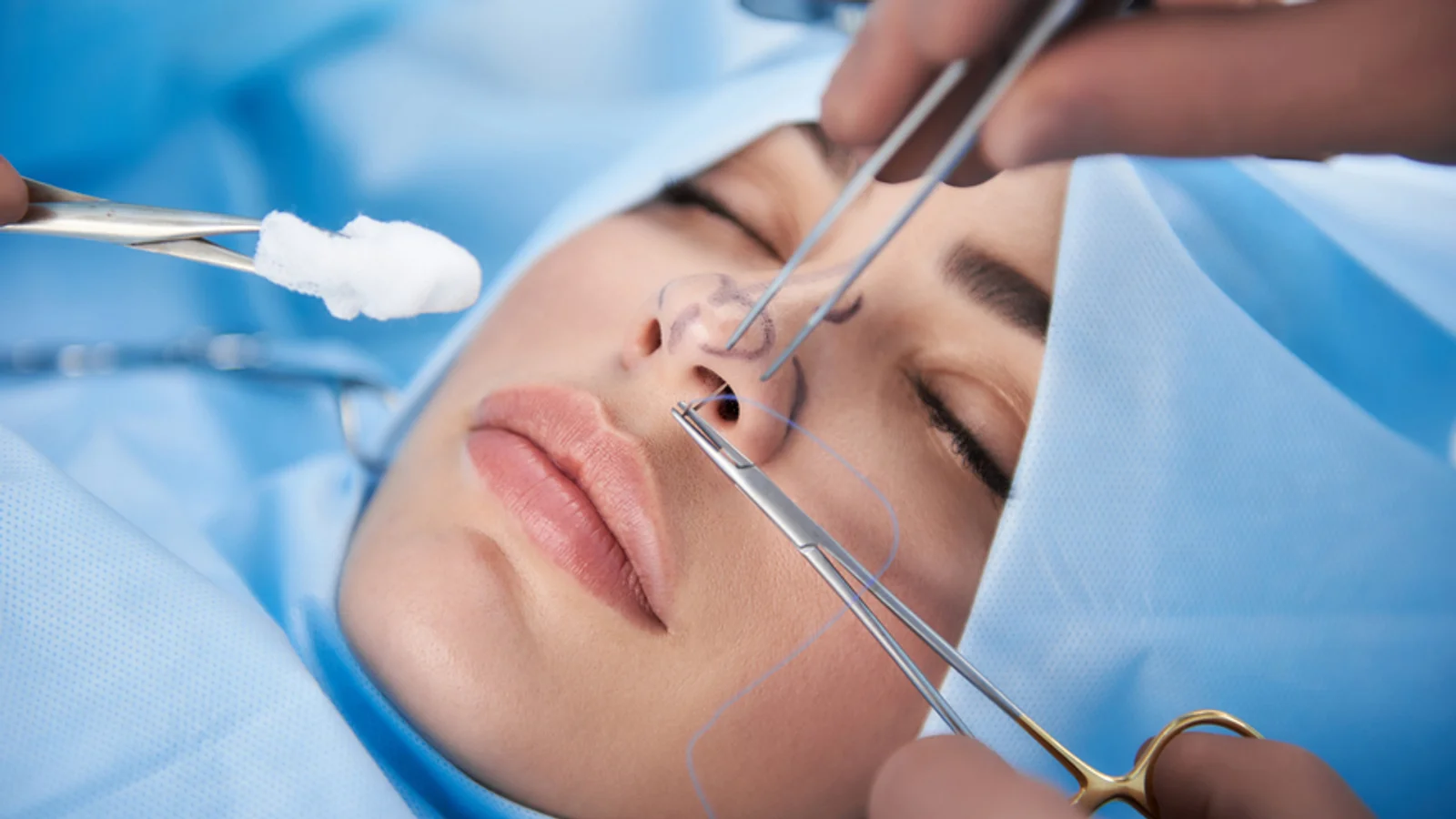
A common misconception is that surgeons must choose between making a nose look good and making it work properly. In fact, the two goals reinforce each other when handled with precision. A nose that is too aggressively narrowed for cosmetic reasons may collapse later, causing long-term obstruction. Likewise, an overly conservative correction of structural problems may leave a nose looking unchanged or disharmonious with the rest of the face.
At Arke Clinic, Dr. In-Bae Kim emphasizes a balanced approach. With over 17 years of surgical experience and academic training at Yonsei University, he knows that the artistry of rhinoplasty lies in subtle adjustments that support both airflow and aesthetics. A well-performed rhinoplasty strengthens the framework of the nose — using cartilage grafts when necessary — so that the results remain stable, natural, and functional over time.
In some cases, grafting techniques are used not only to refine the external shape but also to reinforce weak nasal valves or straighten the septum. These delicate reinforcements may not be visible to the eye, but patients notice the difference every time they breathe easily through both nostrils. This blend of invisible structural work with visible cosmetic refinement is where true surgical artistry lies.
Patient Experience: What to Expect
To be honest, many patients are surprised by how much easier breathing feels within weeks of recovery. One young professional who came to our Gangnam clinic for a dorsal hump reduction confessed that she had never realized how shallow her breaths were until after surgery. For her, the cosmetic improvement was life-changing, but the newfound ease of breathing was equally profound.
Here’s a realistic outline of what to expect if you’re considering rhinoplasty for both functional and cosmetic reasons:
Consultation: A detailed examination of both internal and external structures, often using endoscopy or imaging, to identify hidden obstructions. At Arke Clinic, this step involves a one-to-one conversation to understand not just your cosmetic preferences, but also your daily breathing experiences.
Customized planning: Mapping out not only how the nose will look, but how structural support will be maintained or enhanced. We often use 3D imaging to help patients visualize possible outcomes, which helps align expectations with surgical realities.
Surgery: Performed under anesthesia, typically lasting 2–4 hours depending on complexity. Techniques may include septoplasty (straightening the septum), valve repair, turbinate reduction, or cartilage grafting in addition to reshaping. The goal is always to create a result that balances aesthetics and long-term function.
Recovery: Swelling and bruising last 1–2 weeks, though patients are often able to return to work within 7–10 days. Breathing continues to improve for months as swelling inside the nose subsides. Final cosmetic refinement may take up to a year, but most patients report functional improvements far earlier.
Another important point is emotional preparation. Some patients worry about looking “too different” after rhinoplasty, especially when they only wanted functional correction. At Arke Clinic, our philosophy is to preserve the character of the face, ensuring changes are natural and in harmony with the patient’s existing features. Patients often feel reassured knowing that subtlety is part of our ethos.
The Overlooked Quality-of-Life Benefits

Cosmetic benefits are easy to see, but functional gains are often underestimated. Patients frequently report:
Improved sleep and reduced snoring.
Better exercise tolerance due to improved oxygen intake.
Fewer sinus infections and less congestion.
Reduced daytime fatigue from improved nighttime breathing.
Enhanced confidence in both appearance and daily comfort.
Think of it this way: reshaping the nose is like restoring both the façade and the ventilation of a historic home. You want it to look beautiful from the outside, but you also want to breathe easily when you step inside.
Some patients even notice secondary improvements they hadn’t anticipated. For example, those who suffered from frequent headaches related to sinus pressure often find that relief comes naturally once airflow is restored. Others describe a renewed ability to participate in activities like running, yoga, or even singing — aspects of life they had unconsciously avoided due to difficulty breathing.
Why Many International Patients Choose Korea
South Korea, and Gangnam in particular, is world-renowned for advanced rhinoplasty techniques. International patients are drawn not only to the artistic results but also to the precision in functional correction. At Arke Clinic, our team often sees overseas visitors who initially sought cosmetic refinement but discover the added value of functional breathing correction during consultation. This dual focus is part of what sets Korean plastic surgery apart globally.
Korean surgeons, including Dr. Kim, have pioneered approaches that emphasize natural results with minimal external scarring. This appeals to patients who want transformative yet subtle outcomes. In addition, Korea’s strong medical infrastructure and attentive post-operative care make it an attractive destination for those traveling from abroad. Many patients appreciate the structured follow-up programs available in Seoul, which provide reassurance even after they’ve returned home.
The Arke Clinic Philosophy
At Arke Clinic, rhinoplasty is never rushed or standardized. Each patient undergoes an in-depth consultation, where both visual goals and breathing concerns are discussed openly. Dr. Kim’s philosophy is rooted in the belief that a nose should be stable, natural, and life-enhancing. This means prioritizing structural integrity — using the patient’s own cartilage where possible — and ensuring that the surgical outcome supports both confidence and comfort.
To maintain this philosophy, we dedicate significant time to preoperative planning. Patients are guided step-by-step, from understanding their anatomical issues to envisioning their surgical possibilities. Post-operatively, we emphasize long-term monitoring, because the healing process is just as important as the surgery itself. By following patients beyond the first few weeks, we help ensure results that age gracefully.
Is Rhinoplasty Right for You?
If you’re considering rhinoplasty in Seoul, ask yourself not only how you want your nose to look, but also how you want it to feel in daily life. Are you tired of mouth breathing? Do you feel limited during exercise? Do you wake up feeling unrested despite a full night’s sleep? These are not trivial symptoms; they are valid reasons to seek surgical correction.
It’s also worth asking how your goals align with your lifestyle. For example, athletes often prioritize functional correction because optimal breathing directly affects performance. Others may emphasize natural-looking cosmetic refinement to fit their professional or social environment. At Arke Clinic, we work to align these individual needs into a single, cohesive surgical plan.
Final Thoughts
Rhinoplasty is not just about profile photos and symmetry. Done correctly, it is about restoring the most natural function we rely on every day: breathing. And when performed with care, the procedure enhances both beauty and well-being. If you’ve been considering facial rejuvenation or nasal correction, a consultation at a trusted Gangnam clinic like Arke can help you explore a plan tailored to both your aesthetic vision and your quality of life.
More Medical Articles
Continue reading expert guides on procedure planning, anatomy, and post-operative care.

Lower Blepharoplasty: Minimally Invasive vs. Surgical Eye Outcomes
Lower Blepharoplasty: Minimally Invasive vs. Surgical Eye Outcomes Under-eye aging—characterized by puffiness (pseudo-herniation of fat) and dark circles—is a leading cosmetic concern among Koreans aged 30 to 70.
Learn More

Transconjunctival Blepharoplasty: No-Scar Recovery Benchmarks in Korea
Transconjunctival Blepharoplasty: No-Scar Recovery Benchmarks in Korea As South Korea’s demographic shifts toward a "super-aged" society—with those aged 65 and older projected to exceed 20% of the population by 2025—the demand for periorbital rejuvenation has…
Learn More

Healing the Heart: The Psychological Focus of Korean Revision Eye Surgery
Healing the Heart: The Psychological Focus of Korean Revision Eye Surgery In South Korea, often referred to as the "plastic surgery capital of the world," blepharoplasty (double eyelid surgery) is more than just a cosmetic trend; it is a cultural rite of…
Learn More