1:1 Customized Plastic Surgery & Aesthetic Medicine in Gangnam, Seoul — Led by Dr. In-Bae Kim
★ 5.0 Verified Patient Rating
en-US

Clinical Guide & Insights
Revision Rhinoplasty: When to Consider a Second Nose Surgery
Considering a second nose job? Learn when revision rhinoplasty is right for you and what to expect. Discover expert tips before your next procedure.
Schedule a ConsultationIntroduction
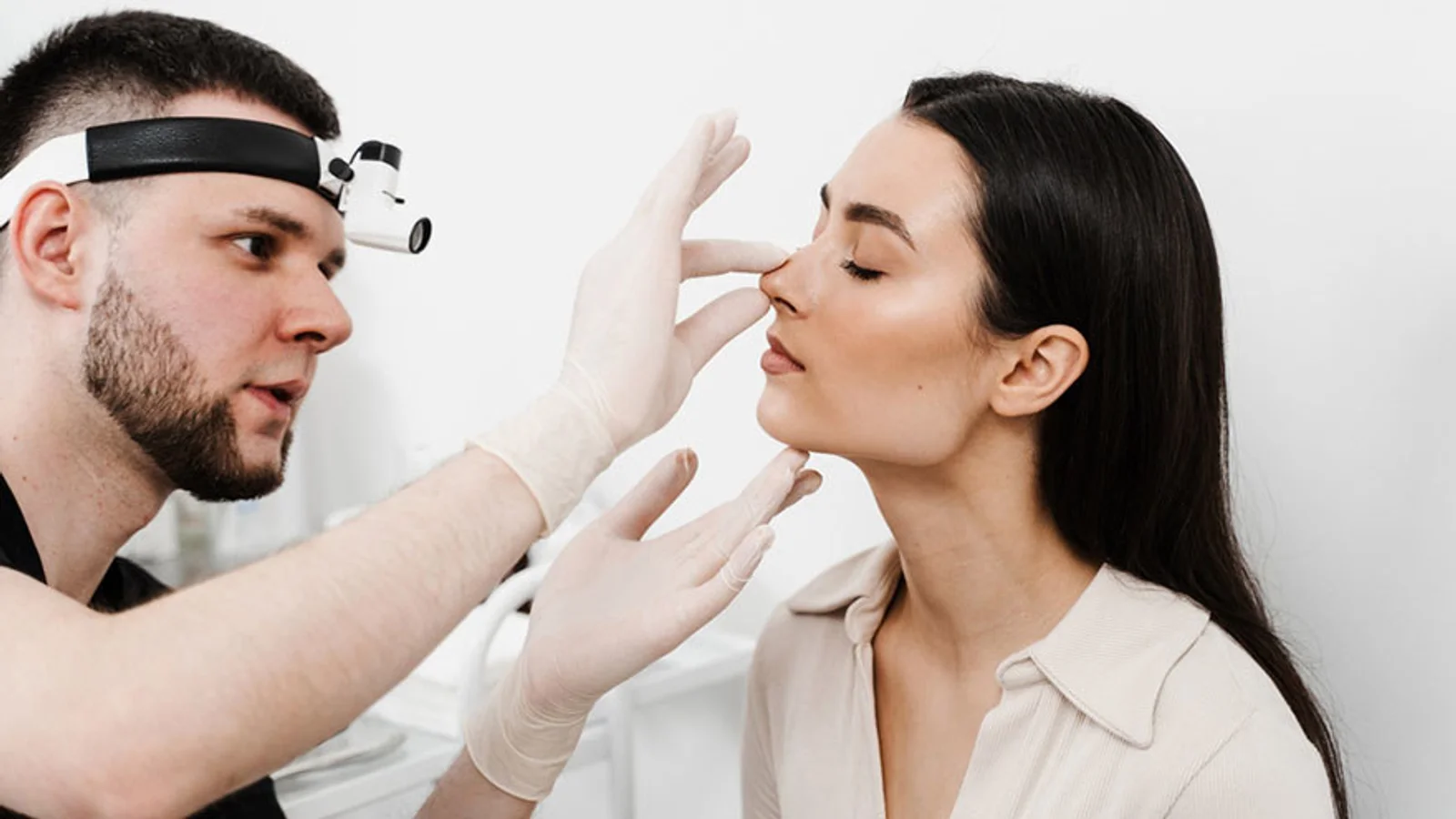
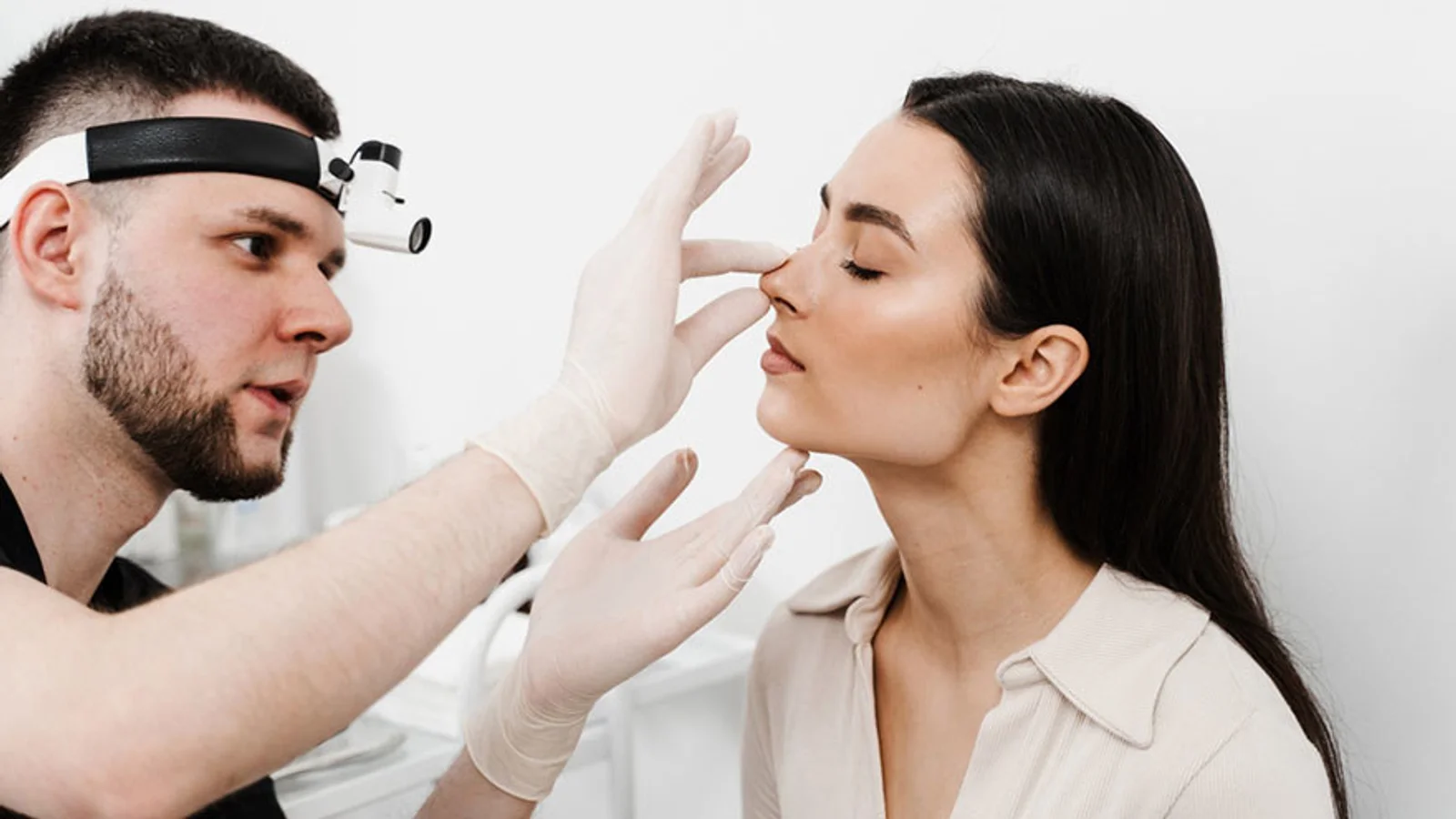
If you’ve already undergone nose surgery but feel the results aren’t what you hoped for, you’re not alone. In fact, revision rhinoplasty — often called secondary nose surgery — is more common than many patients realize. Rhinoplasty is one of the most technically challenging procedures in plastic surgery, and while it can be life-changing, the reality is that not every outcome feels perfect.
The nose sits at the center of the face, shaping how we see ourselves and how others perceive us. Even small irregularities can have an outsized impact on appearance, balance, and self-confidence. At Arke Clinic in Gangnam, Seoul, we frequently meet patients who come in after their first surgery elsewhere. Some feel the nose looks unnatural, others struggle with persistent breathing issues, and some are disappointed by changes that developed months after healing.
The question is not just can revision rhinoplasty help, but when is it truly the right step — and what should you realistically expect if you’re considering it?
Why Patients Seek Revision Rhinoplasty
Every patient has a unique story. Some arrive with photographs of how their nose looked before surgery, wishing they could “get it back.” Others feel they traded one problem for another: the hump may be gone, but now the bridge feels too flat, or the tip too pinched.
The most common reasons patients pursue revision include:
Aesthetic dissatisfaction: Perhaps the bridge looks over-reduced, the nostrils uneven, or the overall shape doesn’t match the rest of the face. Sometimes, the first surgery produced results that look too “done” rather than natural.
Functional issues: One of the most distressing complications is impaired breathing. This can occur if internal nasal structures collapse or if scar tissue forms in ways that block airflow.
Healing complications: The nose continues to evolve long after the operation. Scar tissue, graft warping, or implant shifting may only become visible months later.
Changes over time: Even a technically successful rhinoplasty can change subtly as swelling resolves, as the skin contracts, or simply with the natural aging process.
To be honest, many patients struggle to voice their disappointment. There is often guilt attached: “I chose this surgery — maybe I should just accept it.” But if your nose feels unnatural, uncomfortable, or disrupts your confidence, it is entirely valid to explore revision options.
The Right Timing for Revision Surgery

The next critical question is when. Unlike a simple adjustment, revision rhinoplasty requires both technical precision and the right timing.
Minimum waiting period: Most experienced surgeons recommend waiting at least 12 months after the initial surgery. By this point, the majority of swelling has subsided and scar tissue has matured, providing a more stable foundation for corrective work.
Why patience matters: At six months, the nose may still look swollen or uneven. What appears to be an “imperfection” may actually improve naturally with time. Acting too soon risks overcorrecting or causing further instability.
When earlier revision is needed: In rare situations — such as severe implant-related infection, major breathing obstruction, or clear structural collapse — earlier intervention may be necessary. Even then, the decision must be made cautiously to avoid further trauma to healing tissue.
As Dr. In-Bae Kim of Arke Clinic emphasizes: “Revision rhinoplasty is not about rushing to fix what feels wrong. It’s about choosing the right moment, when the tissue is stable enough, so that the results are not only beautiful but also lasting.”
The Challenges of Secondary Nose Surgery
Revision rhinoplasty is almost always more complex than the first operation. The challenges come not only from higher patient expectations, but also from the altered anatomy itself.
Scar tissue formation: Scar tissue changes the internal landscape of the nose, making it more difficult to separate delicate structures during surgery. This can limit flexibility in reshaping.
Cartilage depletion: In some cases, the original surgeon removed too much cartilage, leaving little structural support. To rebuild, surgeons may need to harvest cartilage from the ear, rib, or septum. Rib cartilage, in particular, is commonly used in Korean revision rhinoplasty for its strength.
Altered blood supply: Secondary surgeries can affect the skin’s blood supply, requiring careful handling to prevent complications during healing.
Unpredictable healing: A previously operated nose may not respond the same way to surgical changes, requiring an adaptive, highly customized plan.
An apt analogy is restoring a painting that has already been retouched once before. Each additional brushstroke must be even more deliberate, respecting what remains while carefully restoring balance and harmony.
What to Expect in a Consultation

A revision rhinoplasty consultation is often more detailed than a first-time consultation. Patients are not just seeking “a better nose” — they are seeking reassurance, honesty, and a clear explanation of what is possible.
At Arke Clinic in Gangnam, consultations for revision include:
Comprehensive nasal analysis: Using both visual examination and imaging tools, we assess structural issues, scar tissue, skin thickness, and breathing function.
Review of prior surgery: Understanding the techniques used previously, the type of implant or grafts placed, and how the healing process unfolded.
Customized surgical plan: Revision often requires advanced techniques like spreader grafts to reopen the airway, rib cartilage to restore volume, or delicate reshaping to refine the tip.
Realistic goals and expectations: Perhaps most importantly, patients need clarity on what can be achieved. While revision can make dramatic improvements, no surgery can deliver “perfection.”
Many patients feel relief simply from having their concerns validated. For those who have felt dismissed elsewhere, a thorough and empathetic consultation often marks the first step toward rebuilding trust.
Revision Rhinoplasty in Korea: Why Patients Travel to Seoul
Korea, and particularly the Gangnam district of Seoul, has earned its reputation as a global hub for advanced rhinoplasty and revision cases. International patients often seek revision surgery here for several reasons:
Expertise in complex cases: Korean surgeons perform a high volume of revision procedures, building unique expertise in managing scarred, structurally weakened noses.
Advanced grafting techniques: Rib cartilage and fascia grafting are widely used to restore both strength and natural contour.
Aesthetic philosophy: Korean clinics, including Arke, place strong emphasis on natural results — enhancing rather than dramatically altering facial identity. This resonates with patients seeking subtle, harmonious outcomes after an unsatisfactory first surgery.
Integrated care systems: Seoul’s medical infrastructure supports seamless care, from imaging to anesthesia, with international patient services making the process smoother for visitors.
At Arke Clinic, we see both local and international patients who have undergone prior surgeries in Korea or abroad. The combination of precision surgical planning and compassionate, personalized care is often what draws people to Seoul for revision rhinoplasty.
When Revision Is (and Isn’t) the Answer
It is important to remember that revision rhinoplasty is not always the right solution.
For minor irregularities, non-surgical options such as filler injections or microfat grafting can camouflage small depressions or asymmetries without further invasive surgery.
For unrealistic expectations, surgery cannot resolve deeper psychological struggles. Patients hoping for a “completely new face” or chasing an unattainable idea of perfection may not find happiness through revision.
For medically limited cases, when tissue has been overly damaged or weakened, further surgery may be unsafe. In such cases, honesty from the surgeon is essential.
At Arke Clinic, our guiding principle is safety first. We only recommend revision if it has a genuine chance of improving both form and function.
Life After Revision Rhinoplasty
The recovery process after revision is similar to primary rhinoplasty but often requires more patience. Because the tissues have already been operated on, healing can be slower and swelling may persist longer.
Swelling and refinement: While most swelling subsides within a few months, final definition may take 12–18 months.
Follow-up care: Diligent post-operative monitoring is crucial to ensure proper healing, manage scar tissue, and adjust treatment as needed.
Lifestyle adjustments: Avoiding impact, wearing protective dressings as directed, and being cautious with exercise or glasses are all important during the healing phase.
Emotional adjustment: Many patients underestimate the psychological recovery. Revision brings relief, but also requires time to reconnect with one’s reflection.
Patients often describe the result as a sense of peace — no longer feeling distracted by their nose, but instead feeling it belongs naturally within their face.
Final Thoughts
Choosing revision rhinoplasty is not simply a medical decision; it is a personal journey. It requires reflection, patience, and above all, trust in a surgeon with the right expertise. But if your nose feels uncomfortable, unnatural, or limits your breathing, you do not need to live with that outcome forever.
At Arke Clinic in Gangnam, Dr. In-Bae Kim leads our team with over 17 years of surgical experience, a PhD in Medicine from Yonsei University, and a philosophy of precision-driven, natural results. We specialize in complex facial surgeries, including secondary and tertiary rhinoplasty, guiding patients through in-depth consultation, advanced surgical planning, and long-term aftercare.
If you are considering a second nose surgery, seek out a clinic that emphasizes safety, artistry, and personalization. In Seoul, clinics like Arke offer the expertise and patient-first approach needed to help you move forward with confidence.
More Medical Articles
Continue reading expert guides on procedure planning, anatomy, and post-operative care.

Lower Blepharoplasty: Minimally Invasive vs. Surgical Eye Outcomes
Lower Blepharoplasty: Minimally Invasive vs. Surgical Eye Outcomes Under-eye aging—characterized by puffiness (pseudo-herniation of fat) and dark circles—is a leading cosmetic concern among Koreans aged 30 to 70.
Learn More

Transconjunctival Blepharoplasty: No-Scar Recovery Benchmarks in Korea
Transconjunctival Blepharoplasty: No-Scar Recovery Benchmarks in Korea As South Korea’s demographic shifts toward a "super-aged" society—with those aged 65 and older projected to exceed 20% of the population by 2025—the demand for periorbital rejuvenation has…
Learn More

Healing the Heart: The Psychological Focus of Korean Revision Eye Surgery
Healing the Heart: The Psychological Focus of Korean Revision Eye Surgery In South Korea, often referred to as the "plastic surgery capital of the world," blepharoplasty (double eyelid surgery) is more than just a cosmetic trend; it is a cultural rite of…
Learn More