1:1 Customized Plastic Surgery & Aesthetic Medicine in Gangnam, Seoul — Led by Dr. In-Bae Kim
★ 5.0 Verified Patient Rating
en-US

Clinical Guide & Insights
Non-Surgical vs. Surgical: Which Aesthetic Treatment Fits Your Goals?
Discover the pros and cons of non-surgical vs. surgical aesthetic treatments to find the best fit for your beauty goals. Explore your options today!
Schedule a ConsultationIntroduction
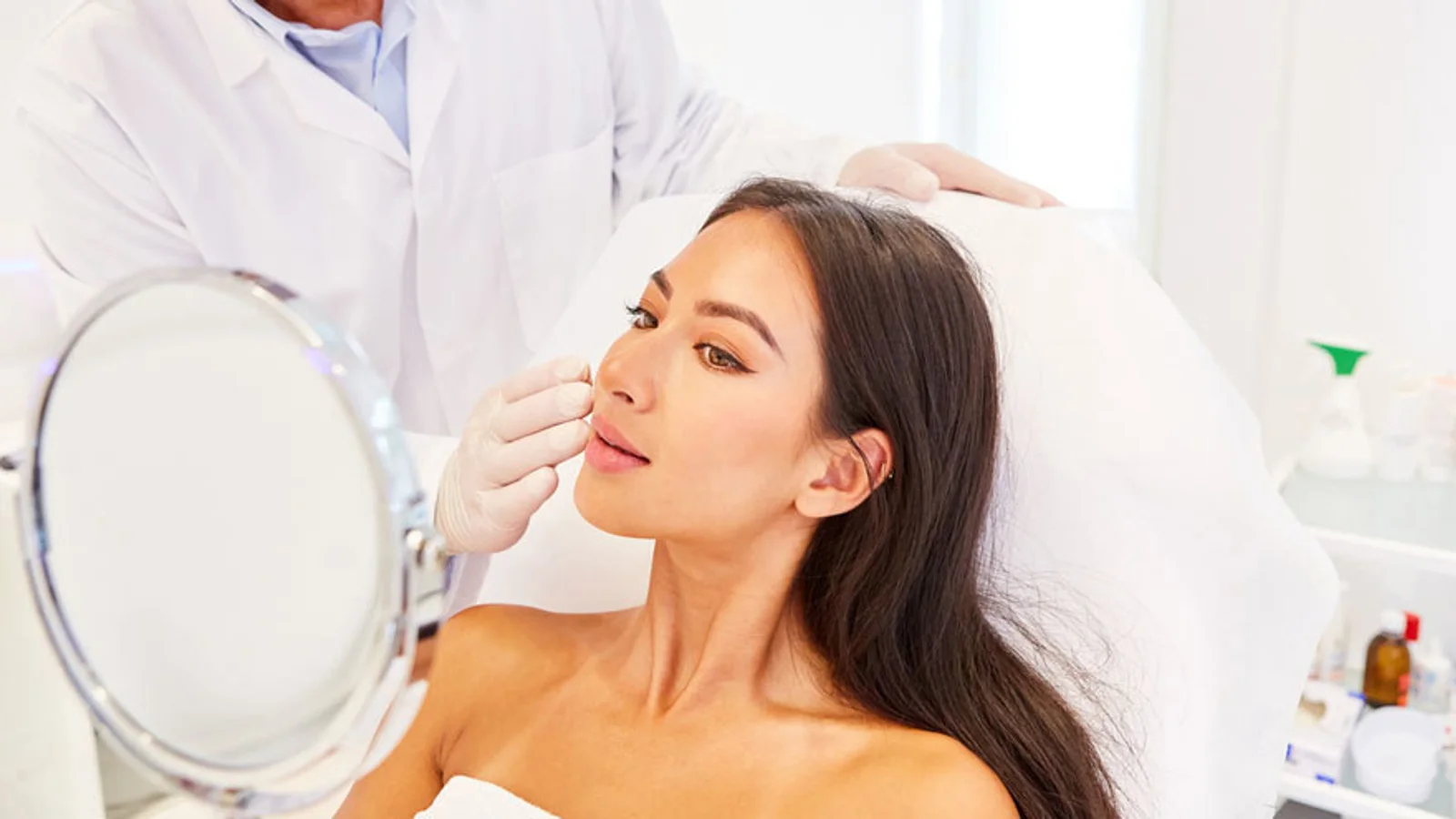
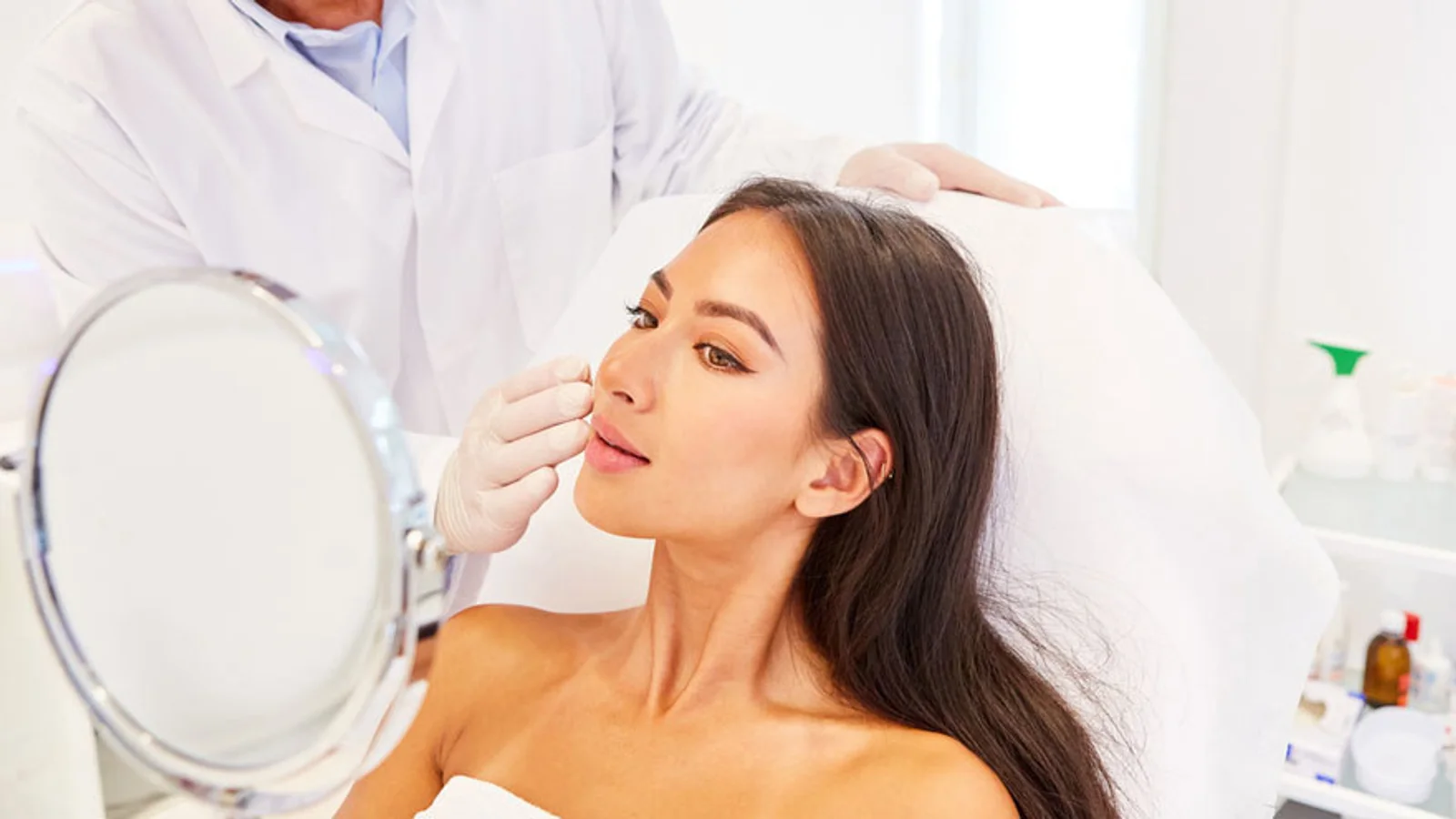
Choosing an aesthetic treatment is rarely about wanting to look like someone else.
In real consultations, it’s far more personal — about wanting alignment between how you feel internally and what you see reflected in the mirror.
At Arke Clinic, many patients arrive unsure of what procedure they need, but very clear about why they are there. They feel they look tired, stern, older than they feel, or simply not themselves anymore. That’s why the most important question is not “Which procedure should I get?” but:
Is a non-surgical approach sufficient — or is surgery the more honest, effective solution?
In a medical hub like Gangnam, where both advanced non-surgical technology and high-level surgery are readily available, patients have options. The challenge is not access — it’s understanding what truly fits your anatomy, goals, and timeline.
This article is designed to clarify that decision in a structured, medically grounded way — without trends, pressure, or exaggeration.
What Is the Real Difference Between Non-Surgical and Surgical Treatments?
At a glance, the distinction seems straightforward:
- Non-surgical treatments enhance, preserve, or support existing facial structures
- Surgical treatments correct, reposition, or reconstruct underlying anatomy
Clinically, however, the difference has little to do with whether a needle or scalpel is involved. The real distinction lies in what can realistically be changed.
Non-surgical treatments work with what you already have. They assume that your skin, fat, muscle, and bone relationships are still fundamentally balanced. Surgery, on the other hand, becomes necessary when those relationships have shifted due to aging, genetics, or structural anatomy.
Understanding this point alone helps prevent many common disappointments — especially when patients expect non-surgical treatments to deliver surgical-level changes.
Non-Surgical Aesthetic Treatments: Best for Early, Subtle Concerns
What Non-Surgical Treatments Can Do Well
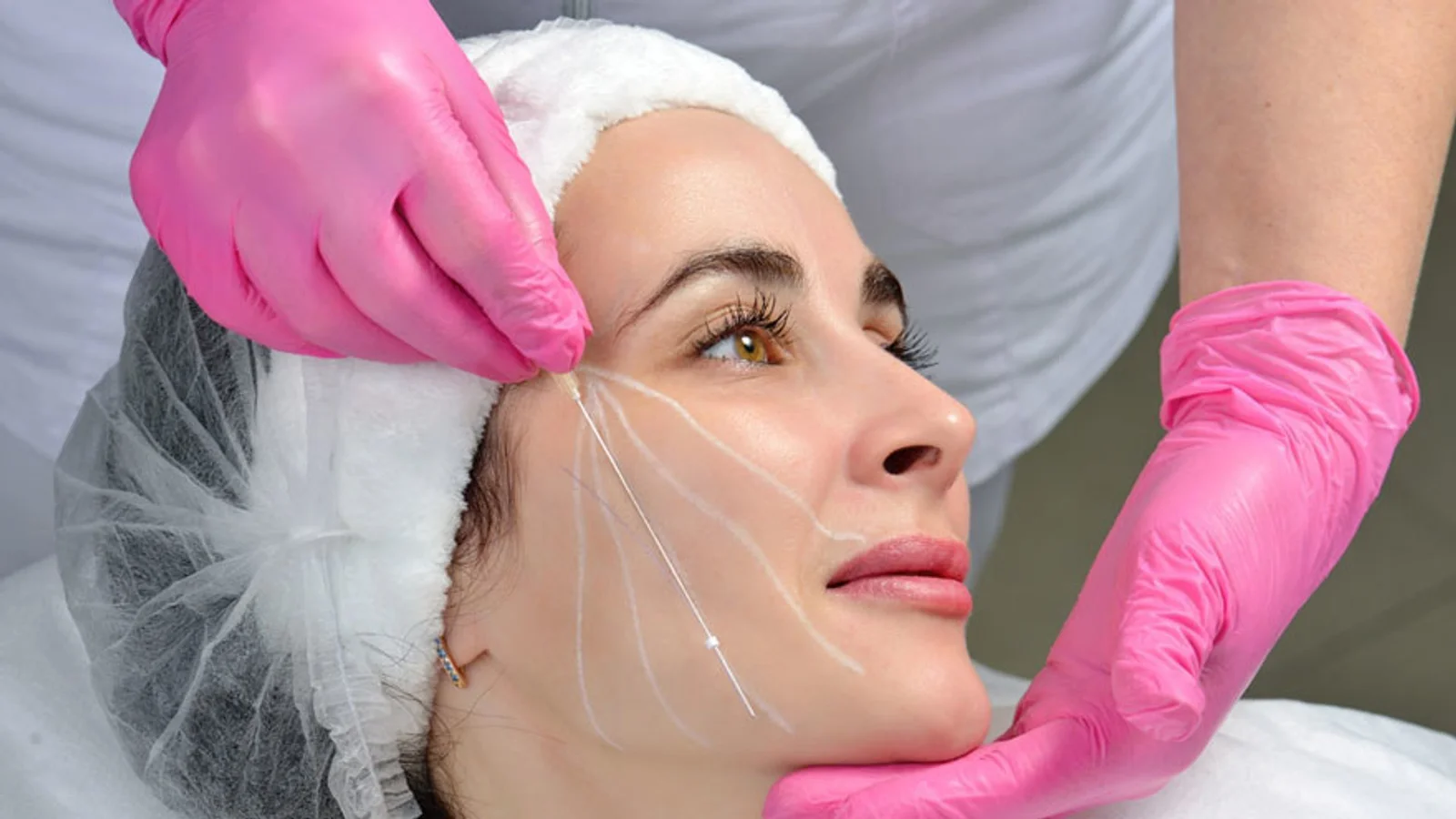
Non-surgical treatments are best understood as tools for refinement, maintenance, and prevention. They are particularly effective when signs of aging or imbalance are still mild to moderate.
Common non-surgical modalities include:
- Botulinum toxin injections to relax overactive muscles and soften expression lines
- Dermal fillers to restore age-related volume loss or improve contour balance
- Energy-based devices (ultrasound or radiofrequency) to stimulate collagen
- Skin boosters and regenerative injectables to improve hydration, texture, and elasticity
When used conservatively and strategically, these treatments can:
- Refresh the face without altering identity
- Improve skin quality and facial harmony
- Delay the need for surgery by several years
- Provide confidence with minimal disruption to daily life
For many patients exploring plastic surgery in Gangnam for the first time, non-surgical treatment is not a “lesser” choice — it is simply the appropriate first step.
The Limitation Patients Must Understand
What non-surgical treatments cannot do is just as important as what they can.
They cannot:
- Remove excess skin
- Lift significantly descended tissue
- Correct skeletal or structural imbalance
- Permanently reverse aging changes
As skin laxity and tissue descent progress, injectables begin to compensate rather than correct. Over time, this can lead to heaviness, loss of natural contours, or an unnatural appearance.
A key professional principle worth remembering:
Non-surgical treatments are most effective when used early — and in moderation.
Surgical Aesthetic Treatments: Correcting the Root Cause
Surgery addresses problems at their source. Rather than adding volume or tension from the outside, surgical procedures allow direct correction of the underlying anatomy.
What Surgery Can Achieve
Surgical intervention enables surgeons to:
- Reposition sagging skin and muscle
- Remove excess tissue that cannot retract naturally
- Reshape bone or cartilage for structural balance
- Restore volume using the patient’s own fat
Common surgical procedures include:
- Facelift and neck lift
- Rhinoplasty
- Blepharoplasty (eyelid surgery)
- Fat grafting for facial balance and rejuvenation
At Arke Clinic, surgical planning under In-Bae Kim emphasizes precision and restraint. Surgery is recommended only when it offers a clear advantage over non-surgical care — in longevity, clarity, and natural outcome.
A useful analogy many patients understand is this:
Surgery is not about adding layers — it’s about restoring the original structure beneath them.
When Non-Surgical Treatment Is the Right Choice
Non-surgical approaches are usually ideal when:
- Signs of aging are early or moderate
- Skin elasticity remains relatively good
- Wrinkles are mostly expression-related
- The goal is refreshment, not correction
- Downtime must be minimal
Typical patient goals include:
- Softening forehead or eye wrinkles
- Mild restoration of cheek or under-eye volume
- Improving skin tone, texture, and hydration
- Looking more rested rather than “done”
For many patients, especially those new to aesthetic medicine, non-surgical care builds trust and understanding. It also allows practitioners to observe how the face responds to treatment before recommending more invasive options.
When approached thoughtfully, non-surgical care can be a long-term strategy — not a temporary compromise.
When Surgery Becomes the Better Answer
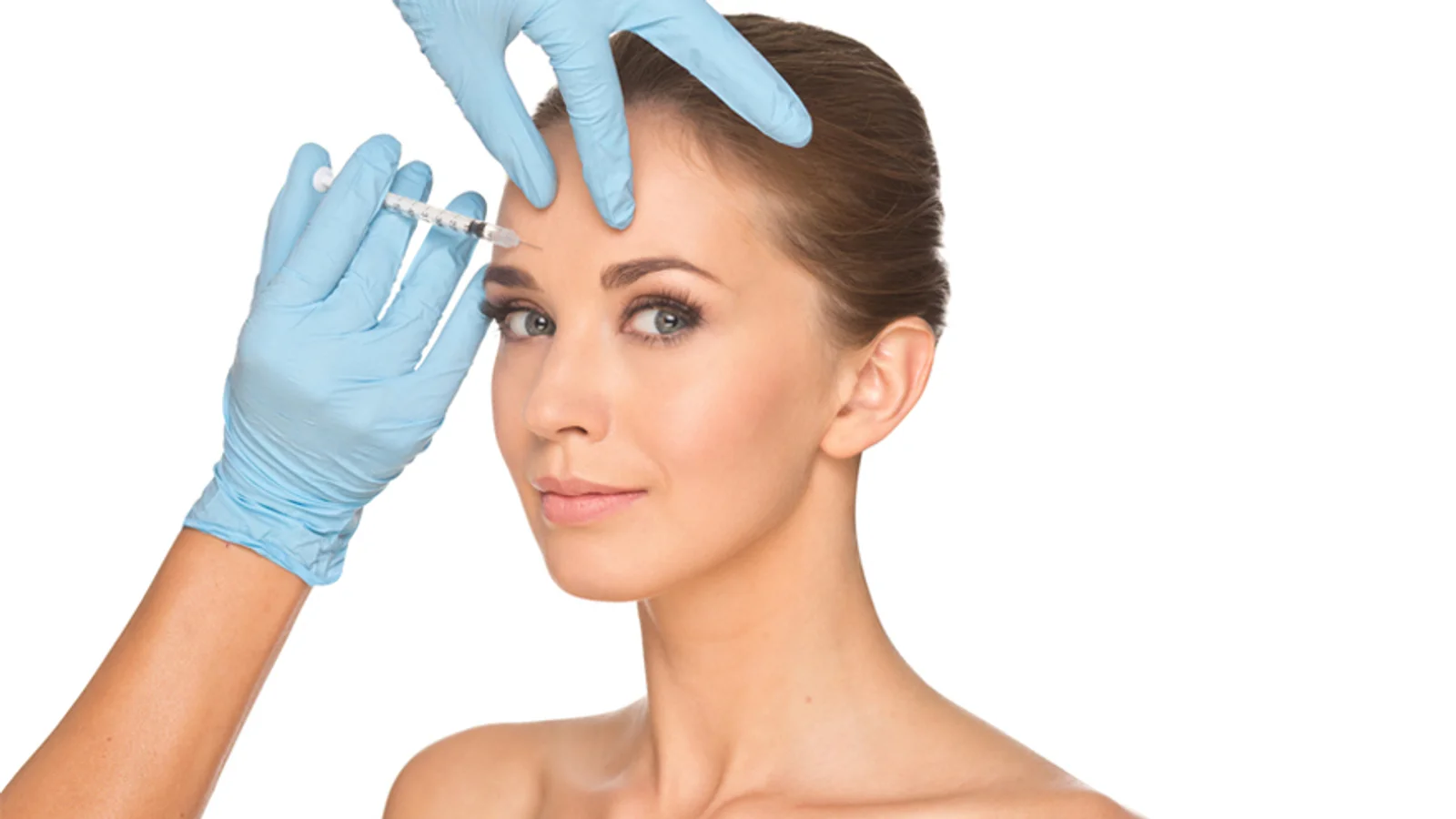
Surgery should be considered when non-surgical methods can no longer achieve natural results.
This is often the case when:
- Skin laxity is clearly visible at rest
- Fillers no longer look balanced or last
- Structural proportions are the primary concern
- The patient desires long-term correction
Common clinical scenarios include:
- Jawline and neck sagging that cannot be lifted with injectables
- Drooping eyelids that affect expression or visual field
- Nasal shape or functional breathing issues
- Facial volume loss requiring repositioning rather than filling
Patients frequently ask about non-surgical eye treatments, only to learn that excess eyelid skin requires blepharoplasty in Seoul to truly restore a bright, open appearance.
In these cases, surgery is not an extreme choice — it is simply the appropriate one.
Comparing Non-Surgical and Surgical Treatments Clearly
Consideration | Non-Surgical | Surgical |
|---|---|---|
Downtime | Minimal to none | 1–3 weeks (procedure-dependent) |
Longevity | Months to Approx. 2 years | Many years |
Cost Over Time | Ongoing | Higher upfront, often more efficient |
Degree of Change | Subtle refinement | Structural correction |
Emotional Commitment | Lower | Requires readiness and trust |
Neither option is inherently better. The most successful outcomes come from matching the treatment to the problem, not from choosing the strongest intervention.
The Korean Aesthetic Philosophy: Why Natural Results Matter
In modern Korean aesthetics — particularly in Seoul facial rejuvenation — exaggerated results are no longer the ideal.
Patients increasingly value:
- Natural movement and expression
- Soft, gradual transitions
- Preservation of individual identity
This philosophy has shaped how treatments are planned. Instead of viewing non-surgical and surgical care as opposing choices, they are often combined into a long-term strategy:
- Non-surgical treatments for prevention and early care
- Surgery when structural correction becomes necessary
- Light non-surgical maintenance afterward
At Arke Clinic Gangnam, aesthetic care is approached as an evolving relationship rather than a single decision.
A Surgeon’s Insight Patients Rarely Hear
One of the most important truths in aesthetic medicine is also the simplest:
The best results come from choosing the right treatment — not the strongest one.
Avoiding surgery for too long can compromise eventual results.
Choosing surgery too early can be unnecessary and emotionally overwhelming.
Good aesthetic outcomes are rarely about courage or trend-following. They are about timing, judgment, and honesty.
How to Decide What Fits You
Before deciding, ask yourself:
- Am I seeking refreshment or correction?
- Do I want gradual improvement or long-term change?
- Am I avoiding surgery out of fear — or because I truly don’t need it yet?
Reliable answers come from consultations that focus on diagnosis rather than sales — and from practitioners willing to recommend restraint when appropriate.
A Final Thought
If you are considering aesthetic treatment — non-surgical or surgical — begin with a clinic that prioritizes safety, precision, and individualized planning.
At Arke Clinic in Gangnam, consultations are one-to-one, unhurried, and grounded in medical responsibility. The goal is consistent and clear:
Natural results, achieved safely, at the right time — for you.
If you’d like, this article can also be adapted into:
- A patient education guide
- A clinic website landing page
- Or a shorter version for international patients exploring treatment in Seoul
Just let me know how you’d like to use it.
More Medical Articles
Continue reading expert guides on procedure planning, anatomy, and post-operative care.

Lower Blepharoplasty: Minimally Invasive vs. Surgical Eye Outcomes
Lower Blepharoplasty: Minimally Invasive vs. Surgical Eye Outcomes Under-eye aging—characterized by puffiness (pseudo-herniation of fat) and dark circles—is a leading cosmetic concern among Koreans aged 30 to 70.
Learn More

Transconjunctival Blepharoplasty: No-Scar Recovery Benchmarks in Korea
Transconjunctival Blepharoplasty: No-Scar Recovery Benchmarks in Korea As South Korea’s demographic shifts toward a "super-aged" society—with those aged 65 and older projected to exceed 20% of the population by 2025—the demand for periorbital rejuvenation has…
Learn More

Healing the Heart: The Psychological Focus of Korean Revision Eye Surgery
Healing the Heart: The Psychological Focus of Korean Revision Eye Surgery In South Korea, often referred to as the "plastic surgery capital of the world," blepharoplasty (double eyelid surgery) is more than just a cosmetic trend; it is a cultural rite of…
Learn More