1:1 Customized Plastic Surgery & Aesthetic Medicine in Gangnam, Seoul — Led by Dr. In-Bae Kim
★ 5.0 Verified Patient Rating
en-US


Clinical Guide & Insights
Natural-Looking Double Eyelids: What Patients Should Know Before Surgery
Discover how to achieve natural-looking double eyelids with surgery. Learn key facts, risks, and tips every patient should know before the procedure.
Schedule a ConsultationIntroduction

To be honest, most patients don’t come to us asking for bigger eyes. They come asking for eyes that look awake, balanced, and—above all—natural. In Seoul, especially in Gangnam where aesthetic standards are quietly high, the goal of double eyelid surgery has evolved significantly over the past decade. The era of dramatic, cookie-cutter creases is largely over. Today’s patients—both Korean and international—are far more informed, cautious, and aesthetically sensitive.
They want subtle harmony. They want results that blend into their face so seamlessly that friends may sense something looks refreshed but can’t quite pinpoint why. This shift reflects a broader change in Korean aesthetic medicine: surgery is no longer about transformation, but about refinement.
At Arke Clinic Plastic Surgery and Aesthetic, double eyelid surgery is never treated as a trend-driven procedure. It is approached as a precise anatomical adjustment guided by experience, restraint, and a deep understanding of facial balance. Before deciding on surgery, there are several things every patient should understand—things that are often simplified or overlooked online, especially in short-form content.
Why “Natural” Means Something Different for Every Patient
What many patients overlook is that natural is not a fixed design or a single crease height.
A natural-looking double eyelid depends on a complex interaction of factors, including:
Your original eyelid anatomy
Skin thickness, elasticity, and age-related changes
Fat distribution around the eyes
Eyelid-opening muscle (levator) strength and coordination
Overall facial proportions, including brow position, eye spacing, and cheek volume
In Korean aesthetics, a natural crease usually:
Sits low to mid-height rather than high
Appears softly defined, not sharply cut
Moves smoothly with eye expression
Looks harmonious both with and without makeup
This is why blepharoplasty in Seoul often differs from eyelid surgery performed in other regions. A crease that may be considered attractive elsewhere can look artificial or even aging on an Asian face. Overly high or rigid creases can create a constant “surprised” look, disrupt facial balance, and become more conspicuous over time.
A truly natural result is one that respects the patient’s ethnic features, age, and lifestyle—not just current trends.
Understanding Eyelid Anatomy Before Choosing Surgery
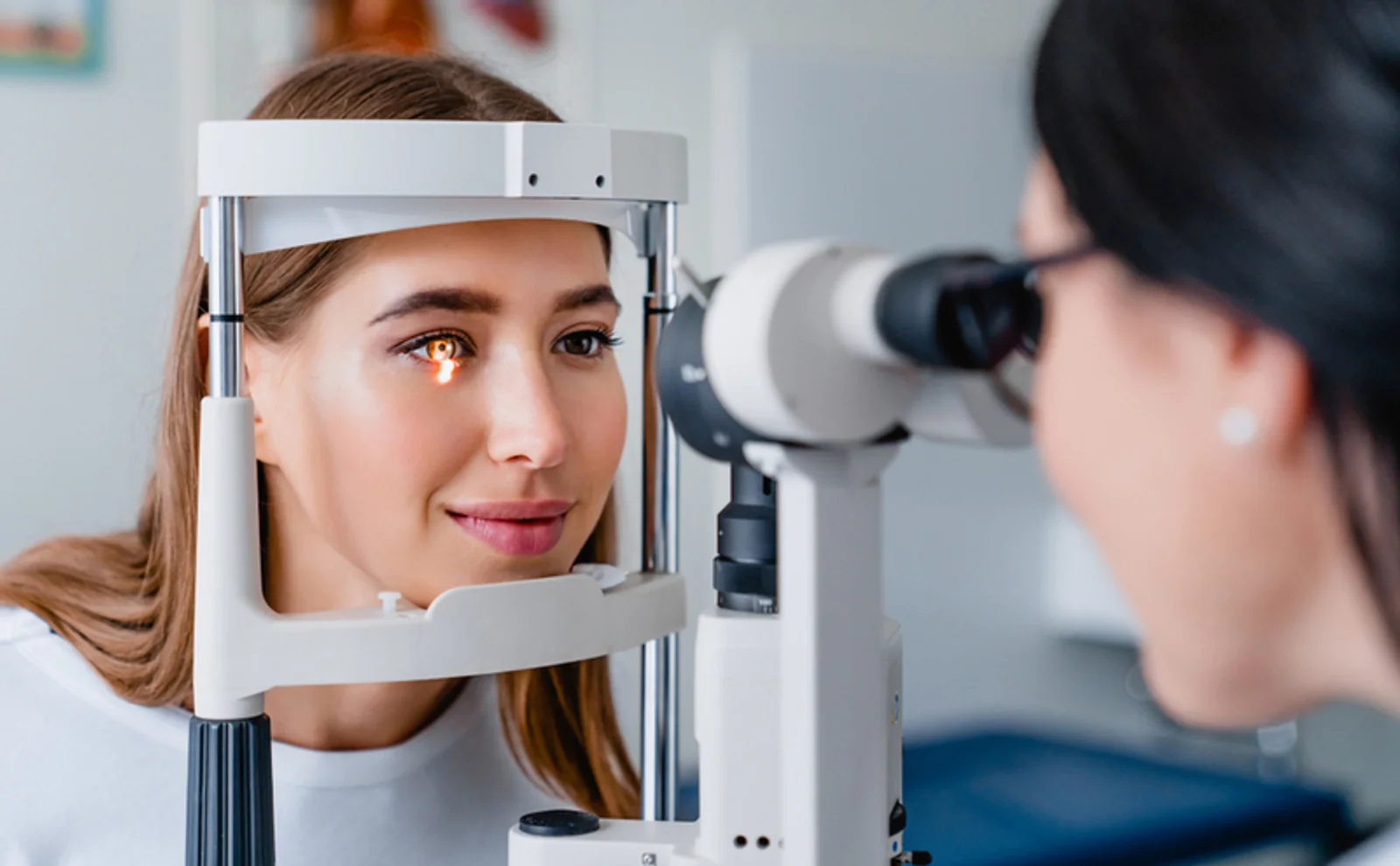
From a surgeon’s perspective, eyelid surgery is less about drawing a crease and more about understanding how the eye functions.
Several anatomical components play a critical role in determining both the technique and the final appearance:
Skin thickness and quality
Thicker skin requires more secure fixation to maintain a stable crease. Thinner skin, while easier to work with, can show irregularities if overcorrected.Orbital fat
Excess fat can weigh down the eyelid and obscure a crease. However, aggressive fat removal can lead to hollowing and premature aging. Balance is key.Levator muscle and aponeurosis
These structures lift the eyelid. Weakness or asymmetry here can affect eye opening and crease symmetry.Epicanthal fold
Common in Asian eyelids, this fold can partially cover the inner crease and must be considered when designing crease shape and length.
One insight surgeons rarely say publicly is this:
Many unsatisfactory double eyelid results are not due to poor surgical skill, but poor preoperative assessment.
A crease that looks ideal in a consultation mirror may not behave the same way once swelling subsides and the eyes return to normal movement. This is why thorough evaluation and realistic planning are essential—and why rushed consultations often lead to regret.
Incisional vs. Non-Incisional: Which Looks More Natural?
Patients frequently ask which method produces more natural results. The honest answer is simple but important: the method itself does not determine naturalness—your anatomy does.
Non-Incisional (Suture Method)
Often suitable for:
Thin eyelid skin
Minimal excess fat
Younger patients with good skin elasticity
Those seeking quicker recovery
Advantages:
No external incision
Short downtime
Less swelling in the early phase
A softer initial appearance
Limitations:
Crease may loosen or disappear over time
Less effective for thick skin or heavy eyelids
Limited ability to correct asymmetry or muscle issues
Incisional Method
Often recommended for:
Thicker skin or excess fat
Aging eyelids
Noticeable asymmetry
Patients seeking long-term stability
Advantages:
Precise and customizable crease design
Durable, long-lasting results
Allows fat removal, repositioning, or muscle correction
Limitations:
Longer recovery period
Early swelling can make results appear higher than planned
Requires advanced surgical judgment to remain subtle
At Arke Clinic Gangnam, technique selection is anatomy-driven, not marketing-driven. Under the leadership of Dr. In-Bae Kim, surgical planning prioritizes longevity, balance, and facial harmony over speed or exaggeration. In many cases, the most “natural” approach is not the least invasive one, but the one that best respects the patient’s long-term anatomy.
Common Mistakes Patients Make Before Surgery

Years of consultation experience reveal several recurring patterns that can undermine otherwise good surgical outcomes.
Relying too heavily on celebrity photos
Celebrity references can be helpful for communication, but eyes do not exist in isolation. Brow height, eye width, nose projection, and facial contours all influence whether a certain crease will look natural.
Asking for “bigger” instead of “better”
Higher creases do not automatically create brighter eyes. In fact, overly high creases often make the eyes look heavier or tired. Many patients are surprised to learn that lowering a crease can actually improve eye openness.
Expecting immediate final results
Swelling and tissue stiffness are part of normal healing. Early results can look exaggerated, especially with incisional surgery. True refinement often takes three to six months.
Ignoring eyelid muscle weakness (ptosis)
Mild ptosis is common and frequently overlooked. Without correcting muscle function, even a well-designed crease can appear uneven or unnatural over time.
Understanding these factors before surgery can prevent disappointment and reduce the need for revision procedures.
Recovery: What Natural Healing Really Looks Like
Almost every patient worries during recovery—particularly in the first few weeks when swelling is most noticeable.
What’s normal:
Swelling that temporarily exaggerates crease height
Mild asymmetry as each side heals at its own pace
Tightness or pulling sensation when closing the eyes
What truly matters:
Proper swelling management
Following post-operative instructions closely
Clear communication with the clinic during recovery
For patients traveling for plastic surgery in Gangnam, recovery planning is especially important. Travel schedules, accommodation, and follow-up visits should be discussed in advance. At Arke Clinic, post-operative care is treated as an essential part of achieving natural results—not a secondary step after surgery.
Why Korea Is Known for Natural Eyelid Surgery
Korea’s global reputation in eyelid surgery is not solely due to technical skill. It reflects a cultural preference for subtle enhancement and long-term refinement.
In Seoul facial rejuvenation, eyelid surgery is often viewed as one component of overall facial balance. Surgeons consider how the eyes interact with the brows, midface, and even skin quality. The goal is not to change who you are, but to help you look more rested, open, and confident.
This philosophy resonates strongly with international patients who want improvement without losing their identity.
Choosing the Right Surgeon Matters More Than the Method
Techniques can be learned. Judgment takes years.
An experienced surgeon will:
Adjust crease height by millimeters, not trends
Anticipate how tissues will settle over time
Consider aging changes over the next 10 to 20 years
Design eyelids that remain natural with or without makeup
With over 17 years of clinical experience and a PhD in Medicine from Yonsei University, Dr. Kim’s approach emphasizes restraint, safety, and long-term balance. These principles define Arke Clinic’s philosophy and are particularly important in delicate procedures like eyelid surgery.
Final Thoughts: Subtlety Is the New Standard
Natural-looking double eyelids do not draw attention to themselves. They simply feel as though they have always belonged to the face.
If you are considering double eyelid surgery, take time to understand your anatomy, your motivations, and your long-term goals. Avoid rushing toward trends or exaggerated designs. Seek a surgeon who values listening as much as operating.
If facial harmony and natural results matter to you, consulting a trusted clinic like Arke Clinic Plastic Surgery and Aesthetic in Gangnam, Seoul can help you make informed, confident decisions—before surgery ever begins.
More Medical Articles
Continue reading expert guides on procedure planning, anatomy, and post-operative care.

Lower Blepharoplasty: Minimally Invasive vs. Surgical Eye Outcomes
Lower Blepharoplasty: Minimally Invasive vs. Surgical Eye Outcomes Under-eye aging—characterized by puffiness (pseudo-herniation of fat) and dark circles—is a leading cosmetic concern among Koreans aged 30 to 70.
Learn More

Transconjunctival Blepharoplasty: No-Scar Recovery Benchmarks in Korea
Transconjunctival Blepharoplasty: No-Scar Recovery Benchmarks in Korea As South Korea’s demographic shifts toward a "super-aged" society—with those aged 65 and older projected to exceed 20% of the population by 2025—the demand for periorbital rejuvenation has…
Learn More

Healing the Heart: The Psychological Focus of Korean Revision Eye Surgery
Healing the Heart: The Psychological Focus of Korean Revision Eye Surgery In South Korea, often referred to as the "plastic surgery capital of the world," blepharoplasty (double eyelid surgery) is more than just a cosmetic trend; it is a cultural rite of…
Learn More