1:1 Customized Plastic Surgery & Aesthetic Medicine in Gangnam, Seoul — Led by Dr. In-Bae Kim
★ 5.0 Verified Patient Rating
en-US


Clinical Guide & Insights
Natural Aesthetics: High Satisfaction in Korean Breast Augmentation
Natural Aesthetics: High Satisfaction in Korean Breast Augmentation Breast augmentation remains one of the most frequently performed aesthetic procedures globally, and South Korea has established itself as a major hub for both domestic and international…
Schedule a ConsultationNatural Aesthetics: High Satisfaction in Korean Breast Augmentation
Breast augmentation remains one of the most frequently performed aesthetic procedures globally, and South Korea has established itself as a major hub for both domestic and international patients seeking these services. According to Korean aesthetic market reports, the demand for primary breast enlargement has experienced a steady compound annual growth rate (CAGR) of approximately 5% to 6% over the past five years. Patients increasingly prioritize a natural look, soft tissue texture, and minimal disruption to daily life.
For individuals considering this procedure, navigating the balance between visual symmetry, long-term safety, and procedural recovery is essential. At Arke Clinic Plastic Surgery and Aesthetic, the clinical focus centers on high-precision, tech-driven care designed to optimize patient quality of life and deliver predictable, durable outcomes. Domestic data from Korean nationwide aesthetic surveys indicate that over 85% of patients prioritizing "natural tactile sensation" and "anatomical harmony" report higher long-term satisfaction scores compared to those focusing solely on volume expansion.
Breast Augmentation in Korea: Benefits, Risks, and Ideal Candidates
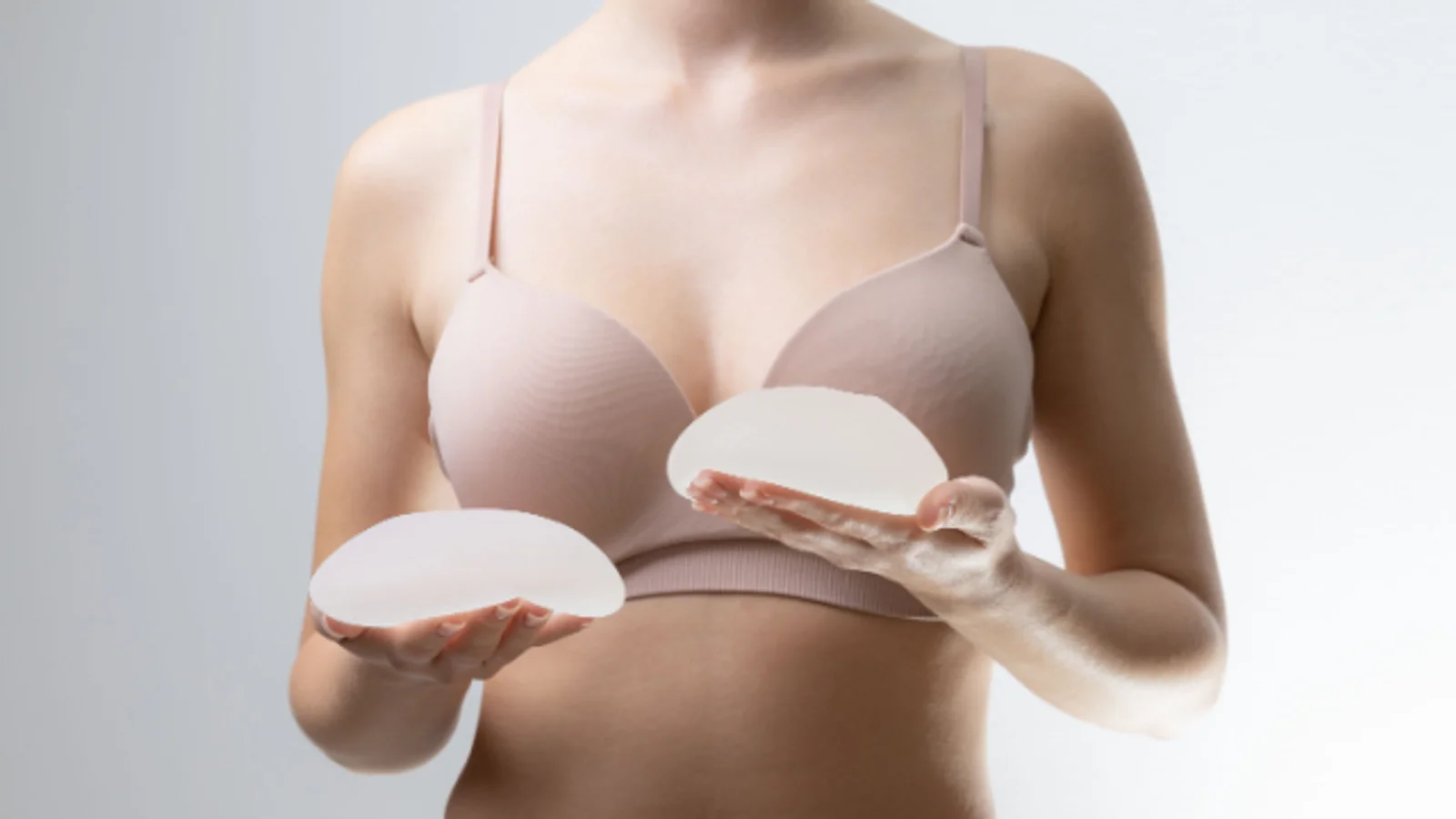
Achieving an optimal outcome requires matching the patient's existing anatomy with the correct implant type and surgical technique.
Who Is an Ideal Candidate?
- Volume Restoration: Individuals experiencing postpartum tissue changes or significant weight loss.
- Asymmetry Correction: Patients seeking to address congenital differences in breast volume or shape.
- Aesthetic Enhancement: Adults seeking to improve body proportions with realistic expectations regarding scarring and tissue limitations.
Anticipated Benefits and Clinical Risks
While modern techniques offer high satisfaction, a balanced view requires understanding both sides of the clinical equation:
- Benefits: Enhanced upper-pole fullness, improved physical proportions, high psychological satisfaction, and predictable contours.
- Risks: Capsular contracture (the formation of tight scar tissue around the implant), temporary or permanent changes in nipple sensation, hematoma, and the eventual need for secondary revisional surgery over a lifetime.
Breast Augmentation Costs, Methods, and Limitations in Korea
Traditional approaches to breast enlargement often relied heavily on manual tissue dissection and standard smooth or textured implants. While widely accessible, conventional techniques present specific limitations regarding recovery timelines and long-term tissue behavior.
Standard Surgical Approaches
- Smooth Silicone Implants: Require a lower initial financial investment but often necessitate post-operative massage protocols to manage the risk of capsular contracture.
- Saline-Filled Implants: Provide a adjustable fill volume but are less frequently utilized in modern Korean clinics due to a higher incidence of visible rippling and a less natural firmness compared to cohesive silicone gels.
- Traditional Blunt Dissection: Manual separation of tissue planes without direct endoscopic visualization, which can increase the risk of intraoperative bleeding and subsequent inflammation.
Key Pros, Cons, and Patient Pain Points
Traditional Advantages: Lower upfront procedural costs; well-documented historic clinical data.
Common Pain Points:
- Extended Downtime: Traditional blunt dissection often requires 7 to 14 days before a patient can comfortably return to office work.
- Post-Operative Discomfort: Higher reliance on surgical drains and prescription pain management due to tissue trauma.
- Tactile Artifice: Standard cohesive gels may feel firm or shifts unnaturally when the patient transitions from standing to lying down.
High-Precision Endoscopic Breast Augmentation: The Advanced Approach
To mitigate the limitations of traditional surgery, modern aesthetic medicine relies on High-Precision Endoscopic Breast Augmentation. This technique utilizes high-definition visualization systems to perform precise, bloodless tissue dissection under direct view.
[Traditional Manual Dissection] -> Higher tissue trauma -> Increased risk of bleeding & contracture
[High-Precision Endoscopic Dissection] -> Clear visualization -> Targeted pocket creation & minimal trauma
How the Technology Works
By inserting a dual-plane or submuscular endoscope through minimal incisions (typically via the axilla or inframammary fold), the surgeon can view nerves, blood vessels, and fascial layers magnified on a high-definition monitor. This allows for precise cauterization and anatomical pocket creation tailored exactly to the dimensions of premium micro-textured or ergonomic silicone cohesive gels.
This tech-driven precision minimizes mechanical trauma to surrounding structures, preserves intercostal nerve function, and drastically reduces the incidence of internal bleeding—one of the primary triggers for late-stage capsular contracture.
Is Endoscopic Breast Augmentation in Korea worth the cost?
Yes, for patients prioritizing safety and rapid recovery. High-Precision Endoscopic Breast Augmentation utilizes advanced visualization to reduce tissue trauma and lower the risk of capsular contracture. While the initial procedural cost is higher than traditional manual methods, the reduced need for revision surgeries and faster return to daily activities offer distinct long-term value.
Comparative Data and Patient Outcomes
Clinical metrics from Korean multi-center retrospective reviews highlight clear operational differences between conventional manual surgery and tech-driven endoscopic protocols using next-generation ergonomic implants.
| Evaluation Metric | Conventional Manual Augmentation | High-Precision Endoscopic Augmentation |
|---|---|---|
| Average Cost Range (KRW) | 5,000,000 - 8,000,000 | 8,500,000 - 14,000,000 |
| Surgical Drain Requirement | Frequently required (48–72 hours) | Rarely required |
| Return to Light Daily Activity | 7 - 10 Days | 3 - 5 Days |
| Capsular Contracture Rate (5-Yr) | Approximately 5% - 8% | Under 2% |
| Long-Term Tactile Satisfaction | Moderate (Risk of firm borders) | High (Dynamic movement mimicking natural tissue) |
Local Korea Insights: Trends and Safety Standards
The domestic market in South Korea is highly responsive to technological integration. Korean patients consistently demand procedures that offer a fast recovery and minimal visible scarring, aligning directly with the evolution of endoscopic techniques.
Furthermore, the regulatory environment managed by the Ministry of Food and Drug Safety (MFDS) ensures that only highly vetted, biocompatible cohesive silicone gels are permitted for clinical use. The growth of the aesthetic medical tourism sector in Seoul has further standardized strict pre-operative screening protocols, including routine ultrasound or MRI tissue evaluations, ensuring that international and local patients receive identical, high-tier safety screenings.
Where Arke Clinic Plastic Surgery and Aesthetic Fits in Breast Augmentation in Korea

Where Arke Clinic Plastic Surgery and Aesthetic Fits in Breast Augmentation in Korea is defined by a commitment to high-precision, tech-driven surgical design. The clinic avoids standardized, one-size-fits-all implant selections, instead utilizing detailed pre-operative parenchymal measurements and state-of-the-art soft tissue analytics to determine the optimal pocket dimensions for each individual.
At Arke Clinic Plastic Surgery and Aesthetic, High-Precision Endoscopic Breast Augmentation is performed in dedicated surgical suites equipped with advanced HD endoscopic towers. The medical team consists of board-certified plastic surgeon Dr. In-Bae Kim with over a decade of specialized experience in corrective and primary breast surgeries. They hold active memberships in the Korean Society of Plastic and Reconstructive Surgeons (KSPRS).
By utilizing meticulous no-touch implant delivery funnels and strict dual-plane pocket techniques, the clinical team focuses on minimizing recovery time, controlling subclinical inflammation, and supporting long-term tissue health and natural mobility.
Conclusion
The evolution of aesthetic surgery in South Korea has transitioned away from simple volume enhancement toward anatomical harmony and long-term structural safety. While conventional manual dissection methods remain available, their associated downtime and higher capsular contracture rates lead many patients to seek advanced alternatives. High-Precision Endoscopic Breast Augmentation offers a scientifically grounded, meticulous approach that minimizes tissue trauma and yields highly predictable, natural results.
Patients considering High-Precision Endoscopic Breast Augmentation in Korea can schedule a consultation to discuss whether this approach may be suitable for their specific condition and goals.
More Medical Articles
Continue reading expert guides on procedure planning, anatomy, and post-operative care.

Lower Blepharoplasty: Minimally Invasive vs. Surgical Eye Outcomes
Lower Blepharoplasty: Minimally Invasive vs. Surgical Eye Outcomes Under-eye aging—characterized by puffiness (pseudo-herniation of fat) and dark circles—is a leading cosmetic concern among Koreans aged 30 to 70.
Learn More

Transconjunctival Blepharoplasty: No-Scar Recovery Benchmarks in Korea
Transconjunctival Blepharoplasty: No-Scar Recovery Benchmarks in Korea As South Korea’s demographic shifts toward a "super-aged" society—with those aged 65 and older projected to exceed 20% of the population by 2025—the demand for periorbital rejuvenation has…
Learn More

Healing the Heart: The Psychological Focus of Korean Revision Eye Surgery
Healing the Heart: The Psychological Focus of Korean Revision Eye Surgery In South Korea, often referred to as the "plastic surgery capital of the world," blepharoplasty (double eyelid surgery) is more than just a cosmetic trend; it is a cultural rite of…
Learn More