1:1 Customized Plastic Surgery & Aesthetic Medicine in Gangnam, Seoul — Led by Dr. In-Bae Kim
★ 5.0 Verified Patient Rating
en-US


Clinical Guide & Insights
Myths About Hair Loss Treatments Debunked
Discover the truth behind common hair loss treatment myths. Get facts, not fiction—debunking what really works. Learn more to protect your hair!
Schedule a ConsultationIntroduction

Hair loss is rarely just about hair.
For many patients visiting clinics in Gangnam, it represents something far more personal: anxiety about aging, appearance, confidence, or professional image. Hair thinning can quietly affect how people see themselves long before others notice any visible change. Yet despite South Korea’s global reputation for advanced aesthetic medicine, hair loss remains one of the most misunderstood conditions we treat.
At Arke Clinic, patients often arrive after months—or years—of uncertainty. Some feel they waited too long. Others feel overwhelmed by contradictory information online. Most share the same concern: “What if I make the wrong decision?”
The reality is that many patients delay treatment not because solutions do not exist, but because myths create fear, false expectations, or unnecessary resignation. This article addresses those myths clearly and calmly, grounded in Korean medical practice and long-term patient care.
Why Hair Loss Is So Commonly Misunderstood
Hair loss is a slow, progressive condition. It rarely announces itself dramatically. Instead, it appears as subtle thinning, increased shedding, or changes in texture that are easy to dismiss at first.
Several factors contribute to widespread misunderstanding:
Hair loss has multiple overlapping causes, including genetic, hormonal, inflammatory, and lifestyle-related factors
Results vary widely depending on timing, consistency, and biological response
Emotional stress makes patients more vulnerable to exaggerated claims or fear-based narratives
Another challenge is visibility. Unlike a skin condition or injury, hair loss often becomes noticeable only after a significant percentage of hair density has already been lost. By the time patients feel certain something is wrong, the condition may already be progressing.
One core principle underlies all effective hair loss care:
Modern hair loss treatment is not about instant transformation. It is about early recognition, accurate diagnosis, and long-term management.
Myth 1: “Hair Loss Is Completely Genetic, So Treatment Is Useless”
Genetics play an important role—but they do not tell the whole story.
Male and female pattern hair loss are influenced by inherited sensitivity of hair follicles to hormones. However, how quickly hair loss progresses, when it begins, and how severe it becomes depend on additional factors, including:
Hormonal fluctuations and metabolic health
Scalp inflammation and microcirculation
Chronic stress and sleep disruption
Nutritional deficiencies and medical conditions
In clinical practice, genetics establish risk, not inevitability.
What patients often overlook:
Hair follicles do not fail overnight. Many go through a prolonged miniaturization phase where strands become thinner and shorter before disappearing entirely. Intervention during this stage can preserve density for many years.
In Korea, early treatment is widely regarded as preventive healthcare. Addressing hair loss early is similar to managing skin aging or posture—it is about maintaining function, not reversing damage after it occurs.
Myth 2: “Hair Loss Treatments Don’t Really Work”

This belief usually arises from unrealistic expectations rather than true treatment failure.
Hair loss treatments are designed to:
Slow or halt progression
Improve follicle health
Increase hair shaft thickness over time
They are not designed to instantly restore hair that has been absent for years.
From a medical perspective, hair follicles are living mini-organs with a growth cycle. When follicles become inactive for prolonged periods, they may lose their capacity to regenerate hair. However, follicles that are weakened or miniaturized often remain viable.
Patients who expect dramatic regrowth within weeks are often disappointed—not because treatment failed, but because expectations were misaligned. Hair growth follows biological timelines, not marketing promises.
Consistency and patience are often more important than the specific treatment modality chosen.
Myth 3: “Only Men Experience Meaningful Hair Loss”
Female hair loss is more common than many people realize—and often more psychologically distressing.
Women typically experience hair loss differently than men. Instead of receding hairlines or bald patches, they may notice:
Gradual widening of the hair part
Diffuse thinning across the scalp
Reduced volume and ponytail thickness
Because these changes occur slowly, many women normalize them or attribute them to stress or aging. As a result, consultation is often delayed.
Female hair loss frequently involves multiple contributing factors, including:
Hormonal changes related to pregnancy, menopause, or contraception
Iron deficiency or nutritional imbalance
Chronic stress and restrictive dieting
Effective treatment requires careful evaluation and individualized planning. Female hair loss should never be approached with standardized male protocols. Personalization is not optional—it is essential.
Myth 4: “Hair Loss Treatments Are Dangerous”
Fear surrounding side effects remains one of the biggest barriers to care.
While no medical treatment is completely risk-free, modern hair loss therapies—when prescribed appropriately—are generally well tolerated. Serious adverse effects are uncommon when patients are properly evaluated and monitored.
The greatest risks tend to come from:
Self-prescribing medications without medical guidance
Using incorrect dosages
Combining treatments based on online advice rather than professional assessment
In reputable Korean clinics, treatment is introduced gradually, adjusted based on response, and monitored over time. This conservative approach prioritizes patient safety while still achieving meaningful results.
In many cases, fear itself becomes the biggest obstacle—leading patients to do nothing while hair loss continues unchecked.
Myth 5: “Hair Transplant Surgery Is the Only Real Solution”
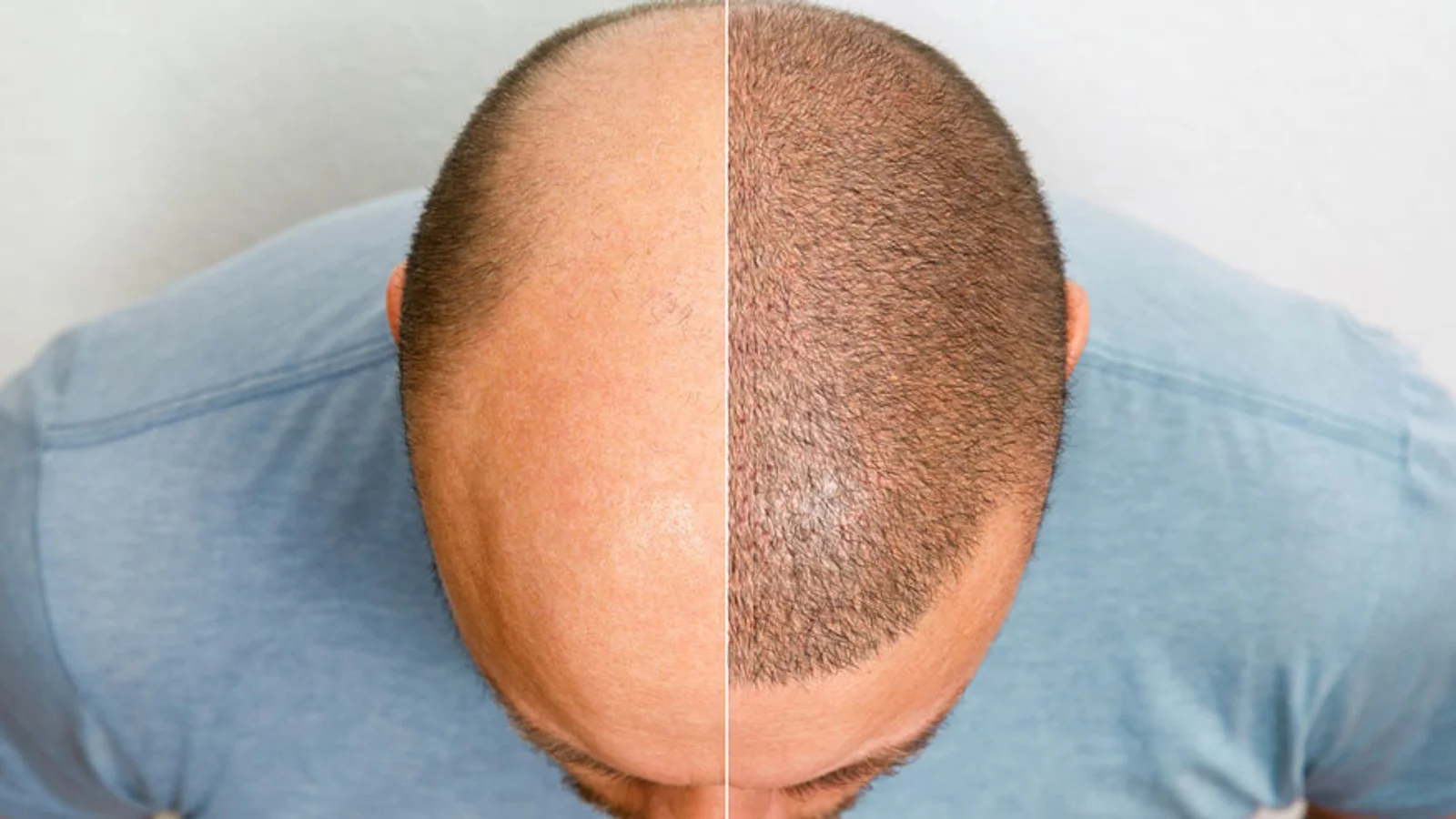
Hair transplantation can be an excellent option—but it is not always the first or most appropriate step.
Surgery redistributes existing hair follicles; it does not address the underlying causes of hair loss. Without medical management, non-transplanted hair may continue to thin, leading to imbalance over time.
From a surgeon’s perspective, transplantation works best when:
Hair loss progression has been stabilized
The scalp environment is healthy
Expectations are realistic and long-term
Non-surgical treatments are often essential companions to surgery, both before and after the procedure. Viewing transplantation as a standalone solution often leads to disappointment.
A comprehensive plan considers the entire scalp—not just the areas with visible loss.
Myth 6: “Natural or Herbal Remedies Are Safer and Better”
The appeal of “natural” solutions is understandable—but misleading.
Many herbal or alternative remedies lack:
Clinical trial data
Standardized dosing
Long-term safety evaluation
Some may irritate the scalp or interfere with proven treatments. Others provide a false sense of security, delaying effective care.
Clinically, it is common to see patients who rely exclusively on alternative remedies for extended periods. By the time they seek medical evaluation, hair loss may be far more advanced.
Evidence-based medicine does not reject natural ingredients—it simply requires measurable benefit and safety. Treatments should be chosen based on data, not hope.
Myth 7: “If Hair Loss Has Started, It’s Already Too Late”
This belief prevents more people from seeking help than almost any other myth.
Early-stage hair loss is the most treatable phase. During this period, follicles are still alive but producing thinner, weaker hair. With timely intervention, many can regain strength and function.
Even patients with noticeable thinning may still have viable follicles beneath the surface. Without evaluation, it is impossible to know what remains salvageable.
In Korean aesthetic medicine, early assessment is strongly emphasized because it expands treatment options and improves long-term outcomes.
Myth 8: “Hair Loss Treatments Always Look Obvious”
This fear often comes from outdated techniques or poorly planned cases.
Modern hair restoration focuses on:
Natural hairline design that respects facial proportions
Gradual density transitions rather than abrupt changes
Preservation of existing hair for overall harmony
When performed with restraint and aesthetic judgment, results are subtle and unnoticeable. Most successful outcomes are those that others cannot identify as “treated.”
Natural appearance is not accidental—it is carefully planned.
The Question Patients Rarely Ask—but Should
Here is an important truth from long-term clinical experience:
Hair loss treatment is not a one-time fix. It is ongoing care.
Patients who achieve the most stable outcomes understand that:
Maintenance matters more than aggressive short-term intervention
Hair biology changes with age, hormones, and health
Consistency matters more than experimentation
Shifting expectations from “curing” hair loss to managing it often transforms the entire treatment experience.
Why Korean Clinics Take a Different Approach
South Korea’s leadership in aesthetic medicine is built on prevention, precision, and personalization.
Hair loss care in Korea emphasizes:
Early diagnostic evaluation
Conservative, individualized treatment plans
Combination therapies rather than single solutions
Long-term follow-up and adjustment
Under the leadership of In-Bae Kim, Arke Clinic applies the same principles used in facial rejuvenation and reconstructive surgery: safety, balance, and long-term trust.
This approach prioritizes outcomes patients can maintain—not just initial results.
Final Perspective: Accurate Information Is the First Treatment
Hair loss is not a personal failure or a cosmetic weakness. It is a medical and aesthetic condition that deserves clarity, not fear.
If myths or misinformation have delayed your decision, you are not alone. But replacing fear with medically grounded understanding often reveals more options than expected.
If you are considering hair loss treatment—or simply want professional clarity—consult a clinic that prioritizes education and individualized care. Clinics like Arke in Gangnam focus not only on visible results, but on decisions patients can feel confident about years later.
More Medical Articles
Continue reading expert guides on procedure planning, anatomy, and post-operative care.

Lower Blepharoplasty: Minimally Invasive vs. Surgical Eye Outcomes
Lower Blepharoplasty: Minimally Invasive vs. Surgical Eye Outcomes Under-eye aging—characterized by puffiness (pseudo-herniation of fat) and dark circles—is a leading cosmetic concern among Koreans aged 30 to 70.
Learn More

Transconjunctival Blepharoplasty: No-Scar Recovery Benchmarks in Korea
Transconjunctival Blepharoplasty: No-Scar Recovery Benchmarks in Korea As South Korea’s demographic shifts toward a "super-aged" society—with those aged 65 and older projected to exceed 20% of the population by 2025—the demand for periorbital rejuvenation has…
Learn More

Healing the Heart: The Psychological Focus of Korean Revision Eye Surgery
Healing the Heart: The Psychological Focus of Korean Revision Eye Surgery In South Korea, often referred to as the "plastic surgery capital of the world," blepharoplasty (double eyelid surgery) is more than just a cosmetic trend; it is a cultural rite of…
Learn More