1:1 Customized Plastic Surgery & Aesthetic Medicine in Gangnam, Seoul — Led by Dr. In-Bae Kim
★ 5.0 Verified Patient Rating
en-US


Clinical Guide & Insights
Melasma Treatment: 7 New Solutions That Actually Work
Discover 7 effective melasma treatments that deliver real results. Explore the latest solutions to fade dark spots and restore clear, radiant skin.
Schedule a ConsultationIntroduction

Most patients don’t say the word melasma right away. They sit down during consultation, touch their cheeks gently with their fingertips, and say something closer to, “My pigmentation… it keeps coming back,” or, “My makeup just can’t hide it anymore.”
To be honest, melasma is one of the most emotionally heavy conditions in aesthetic dermatology — not because it’s dangerous, but because it seems to linger like a memory the skin refuses to let go of.
Here in Gangnam, where Seoul’s dermatology and cosmetic surgery clinics see a blend of local patients and international visitors, melasma is a daily conversation. The sun exposure from Korea’s four seasons, hormonal factors, and genetic tendencies create a perfect environment for these stubborn patches. Many of our own patients at Arke Clinic Gangnam arrive after years of trying creams, brightening masks, and laser sessions that worked briefly but never truly lasted.
And that’s the painful truth about melasma: the old “standard treatments” simply aren’t enough anymore.
But in the past five years, a new wave of science-backed options has emerged — gentler, more precise, and surprisingly, more sustainable.
What follows isn’t just a list of treatments. Instead, it’s a grounded, patient-centered exploration of seven modern melasma solutions we now use in Seoul dermatology and aesthetic practices that actually make a difference — especially when guided by an experienced clinician.
Understanding Melasma Like a Surgeon — Why It’s So Stubborn
Before getting into the treatments, it's worth understanding why melasma is notoriously persistent.
What many patients don’t realize is that melasma is not simply excess pigment. It’s a complex, multi-layer reaction involving:
Overactive melanocytes
A disrupted skin barrier
Chronic low-grade inflammation
Hormonal sensitivity
Vascular (redness-related) components
And, as we see in many Korean and Asian patients, a genetic propensity for hyperpigmentation
Dr. In-Bae Kim, our director at Arke Clinic, often explains it this way during consultation:
“A single laser session may brighten the surface, but if we don’t calm the deeper triggers, melasma will quietly rebuild itself.”
That’s why the most effective approaches in modern aesthetic dermatology combine:
melanin control + inflammation control + vascular control + skin-barrier support.
Patients who address all layers — even subtly — achieve outcomes that are smoother, more natural, and significantly longer-lasting.
The 7 New Solutions for Melasma That Actually Work
These aren’t numbered on purpose; melasma care should feel personal, not formulaic. But these seven approaches represent what’s truly effective today — not 10 years ago, not in outdated dermatology textbooks, but in current clinical practice across Seoul.
A Shift Toward Low-Energy, High-Frequency Laser Management
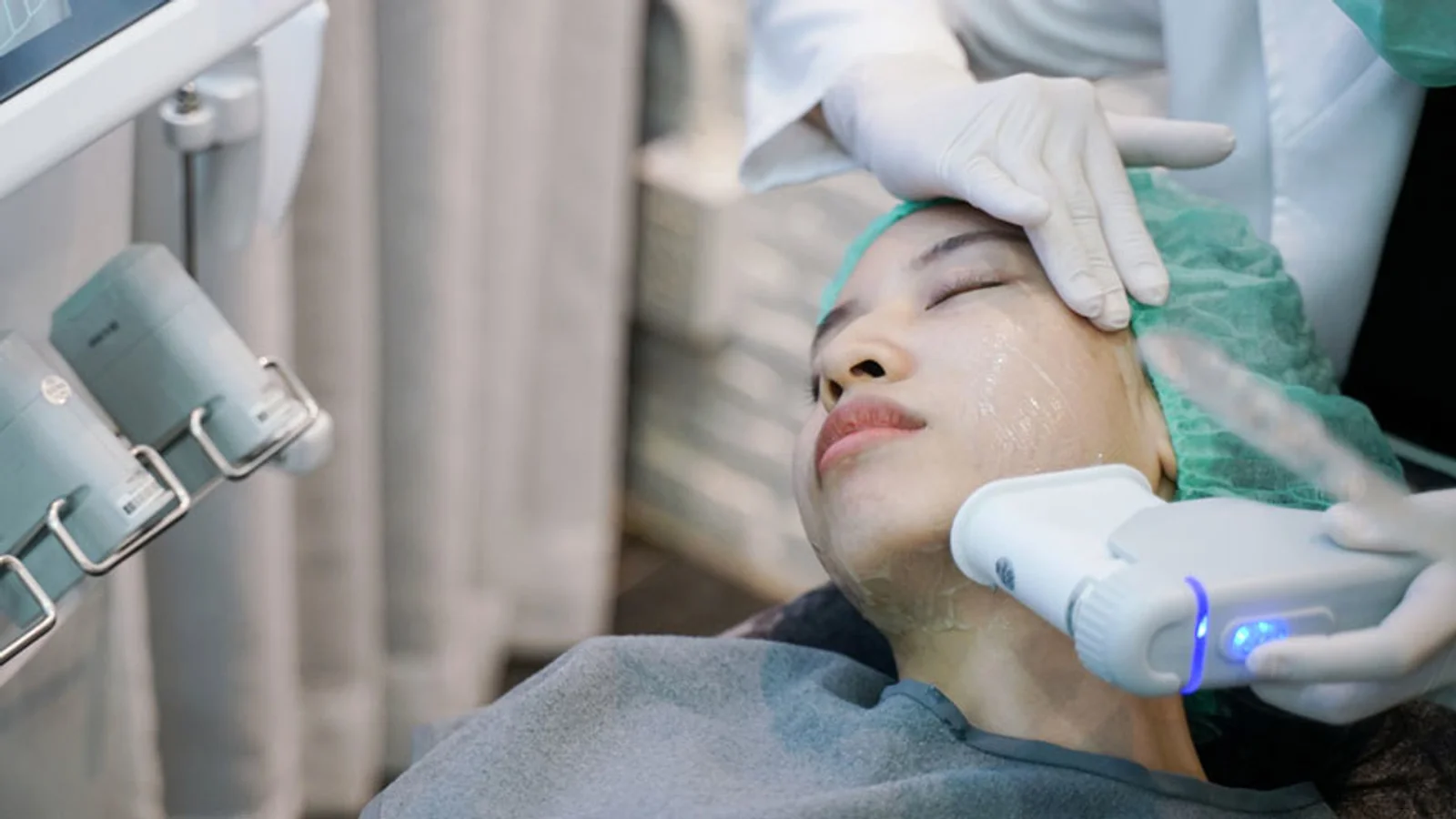
Gone are the days when Q-switch lasers blasted pigment aggressively.
In Gangnam dermatology today, we use low-fluence, repetitive laser sessions — sometimes called “laser toning,” though the technology has evolved far beyond the original concept.
Why it works now:
Lower energy reduces rebound pigmentation
Higher repetition gently breaks pigment without trauma
Treatments are more controllable for Asian skin types
Little to no downtime, ideal for international patients visiting Seoul
When patients ask if lasers can truly help melasma, I usually say:
“They can, but only if they’re used with the precision of an artist restoring an old painting — slowly, respectfully, and layer by layer.”
At Arke Clinic Gangnam, we combine laser modalities depending on the patient's history and skin response, rather than using a single device for everyone.
The Vascular Factor — Treating Redness to Treat Pigmentation
This is the “secret” many patients never hear, even after years of melasma treatments:
Melasma often darkens because increased blood vessels beneath the skin feed inflammation.
In the past, dermatology focused only on melanin. But current research in Seoul and abroad has shown that melasma is partly a vascular disorder.
So when redness and pigmentation coexist, we introduce vascular-targeting lasers with extremely gentle parameters.
This reduces the underlying heat and inflammation that drive pigment formation.
It’s subtle — sometimes it takes two or three sessions before patients notice anything — but over months, the skin stops “overreacting,” and the melasma softens.
Patients often say, “Why didn’t anyone tell me this earlier?”
Honestly, because the industry used to overlook it.
Tranexamic Acid — But Not the Way You Think
Yes, tranexamic acid has become popular. But the oversimplified “take this pill and pigmentation fades” advice is misleading.
In modern Korean aesthetic medicine, we use tranexamic acid in three advanced forms:
Micro-injections (mesotherapy) for precise control
Topical formulations with stable penetration
Short-term oral courses tailored to hormonal factors
Not all patients need all three. Some only respond to injected micro-doses because they act locally on the inflammation that drives melanin overproduction.
This is one of the treatments international patients specifically seek when visiting for melasma care in Seoul, because the protocols used here are more refined than in many countries.
The Rise of Antioxidant Infusions and Barrier Rehab

Melasma skin is chronically stressed.
I often describe it to patients as “skin that has been running a marathon for years without a break.”
For these individuals, we incorporate:
Glutathione-based antioxidant infusions
Customized barrier-repair skincare protocols
Medical moisturizers that reinforce ceramides and lipid layers
Why this matters:
A strong barrier reduces inflammation and prevents pigment-triggering cascades.
Patients who focus on barrier health often see melasma brighten even before starting lasers.
It’s the gentlest of all the seven solutions, but for many patients, it is the missing foundational piece.
Non-Ablative Fractional Laser (NAFL) — Controlled Micro-Healing
Fractional lasers used to scare patients because the earlier versions caused redness or downtime. Today’s non-ablative fractional devices are far more refined.
Used carefully, NAFL creates microscopic zones of renewal that allow pigment to lift and the skin to rebuild more evenly.
How it helps melasma:
Reduces surface irregularities
Improves pigment distribution
Supports collagen and skin health
Works synergistically with low-fluence toning lasers
Think of it as remodeling a delicate structure from the inside out — not aggressively resurfacing, but guiding the skin toward a healthier equilibrium.
At Arke Clinic, we pair NAFL with deep hydration treatments that calm the skin immediately afterward, reducing any risk of rebound pigmentation.
Medical-Grade Chemical Peels Designed for Asian Skin
In Korea, chemical peels for melasma are exceptionally gentle and formulated for people who are prone to hyperpigmentation.
Unlike Western-style glycolic peels, which can be too harsh, we use:
Low-percentage lactic acid
Modified Jessner solutions
Mandelic blends for sensitive skin
TCA alternatives that brighten without inflammation
What matters most is rhythm.
Peels must be done in measured intervals, allowing the skin to heal and strengthen. Patients who push too fast often worsen their pigmentation.
When combined with Seoul-style laser protocols, peels help maintain clarity and prevent relapses — especially for patients who travel frequently or live in climates with intense sun exposure.
Lifestyle Precision — The Quiet Force Behind All Long-Term Melasma Care
This final solution isn’t a device or a drug. It's a shift in how patients live with their skin.
Melasma is chronic. Not hopeless, but chronic — similar to how eczema or rosacea requires thoughtful maintenance.
The most successful patients at Arke Clinic tend to share similar habits:
They use consistent UV protection, even on cloudy days.
They avoid sudden, aggressive treatments that inflame the skin.
They treat melasma like a long-term partnership with their dermatologist, not a one-time fix.
And importantly, they come for routine maintenance — subtle, gentle touch-ups that prevent relapse.
If you’ve struggled with melasma for years, know this: You’re not dealing with something you “failed to treat.” You’re working against a condition that naturally fluctuates with hormones, heat, and even stress.
The goal is not perfection, but stability — and that is absolutely possible.
How We Approach Melasma at Arke Clinic Gangnam
At Arke Clinic, melasma care is never standardized.
Dr. In-Bae Kim’s background as a facial plastic surgeon — with over 17 years of medical experience and a PhD from Yonsei University — gives him a unique way of evaluating the skin. Instead of focusing only on pigment, he evaluates:
vascular density
micro-inflammation patterns
barrier condition
structural balance of the face
previous laser history
and long-term maintenance potential
Patients often say the consultation feels like “finally discovering what’s been missing.”
We work slowly, intentionally, combining the seven treatment approaches above in different ways depending on the individual.
For example:
A patient with hormonally driven melasma may prioritize tranexamic acid and vascular therapy.
A traveler visiting Seoul for a short period may receive low-fluence laser and antioxidant therapy.
Someone with sensitive or weakened skin may start with barrier repair and gentle peels before any device therapy.
Melasma isn’t a race. It’s a relationship with the skin — one that deserves both science and patience.
Thinking About Treating Melasma in Seoul?
If you’re exploring options for melasma treatment — whether you live in Korea or are visiting Seoul for aesthetic care — consider a clinic that understands the condition deeply and approaches it with precision, not force.
A gentle, layered, and medically guided plan is always more effective than fast results that fade within months.
If you’ve been considering treatment, you’re welcome to consult with a trusted clinic like Arke Clinic in Gangnam for customized guidance. Our team is here to help you understand your skin clearly and safely, and to design a plan that respects both your beauty and your long-term skin health.
More Medical Articles
Continue reading expert guides on procedure planning, anatomy, and post-operative care.

Lower Blepharoplasty: Minimally Invasive vs. Surgical Eye Outcomes
Lower Blepharoplasty: Minimally Invasive vs. Surgical Eye Outcomes Under-eye aging—characterized by puffiness (pseudo-herniation of fat) and dark circles—is a leading cosmetic concern among Koreans aged 30 to 70.
Learn More

Transconjunctival Blepharoplasty: No-Scar Recovery Benchmarks in Korea
Transconjunctival Blepharoplasty: No-Scar Recovery Benchmarks in Korea As South Korea’s demographic shifts toward a "super-aged" society—with those aged 65 and older projected to exceed 20% of the population by 2025—the demand for periorbital rejuvenation has…
Learn More

Healing the Heart: The Psychological Focus of Korean Revision Eye Surgery
Healing the Heart: The Psychological Focus of Korean Revision Eye Surgery In South Korea, often referred to as the "plastic surgery capital of the world," blepharoplasty (double eyelid surgery) is more than just a cosmetic trend; it is a cultural rite of…
Learn More