1:1 Customized Plastic Surgery & Aesthetic Medicine in Gangnam, Seoul — Led by Dr. In-Bae Kim
★ 5.0 Verified Patient Rating
en-US


Clinical Guide & Insights
Medical Tourism Korea: 20% Growth in Breast Lift Procedures
Medical Tourism Korea: 20% Growth in Breast Lift Procedures The global landscape of aesthetic surgery is shifting rapidly, with South Korea cementing its position as the primary destination for advanced corrective and reconstructive body contouring.
Schedule a ConsultationMedical Tourism Korea: 20% Growth in Breast Lift Procedures
The global landscape of aesthetic surgery is shifting rapidly, with South Korea cementing its position as the primary destination for advanced corrective and reconstructive body contouring. According to official data from the Ministry of Health and Welfare released in April 2026, the total number of international medical tourists visiting South Korea surpassed 2.01 million in 2025—a record-breaking milestone marking a massive year-on-year surge from the 1.17 million recorded in 2024. Within this booming medical wave, complex body and breast contouring procedures have experienced a significant spike. Specifically, specialized procedures such as the mastopexy (breast lift) have registered a sharp 20% growth in procedure volume among international patients seeking to balance aesthetic rejuvenation with precise structural modification.
For foreign patients and medical travelers aged 30–70, this influx points to a broader trend: the evolution of breast contouring from traditional, highly invasive skin excision to sophisticated, tissue-preserving techniques. This data-driven insight article examines the shifting benchmarks of breast lift surgeries in South Korea, evaluates why conventional approaches often fall short of modern patient expectations, and outlines the precise, structural methodologies practiced at leading institutions like Arke Clinic Plastic Surgery and Aesthetic.
Why is Breast Lift Surgery in Korea Gaining Rapid Popularity?

What Factors Drive the 20% Growth in International Mastopexy Inflows?
The dramatic rise in breast lift surgeries among international patients is fueled by two primary demographics: younger women experiencing dramatic changes after pregnancy or massive weight loss, and mature patients aged 50–70 seeking to reverse age-related severe ptosis (sagging). Rather than choosing simple volume changes via standard breast augmentations, global consumers increasingly demand structural lifting that addresses the true root cause of tissue descent: the stretching of the internal Cooper’s ligaments and skin envelope. South Korea's ability to offer specialized, custom-tailored multi-phase lift protocols with remarkably rapid recovery times has positioned it uniquely in the global healthcare ecosystem, causing plastic surgery inflows to surge by over 64.3% in recent annualized clinic reports.
Breast Lift Treatment Costs and Outcomes in Korea
When assessing the global medical tourism landscape, patients frequently compare regional cost structures alongside safety records. A standard mastopexy in Western nations can easily exceed USD 12,000 to USD 18,000, often excluded from any foundational insurance coverage due to its aesthetic classification. In South Korea, high-precision breast lift surgeries range from approximately USD 6,000 to USD 11,000 depending on the severity of the ptosis and whether concurrent autologous micro-fat grafting or cohesive-gel implants are utilized. This transparent, value-driven pricing structure—coupled with the added financial incentive of a 10% VAT refund on eligible cosmetic procedures available at certified medical institutions—delivers a highly competitive option without sacrificing surgical quality.
Current Standard Approaches & Limitations in Modern Mastopexy
Historically, breast rejuvenation relied heavily on basic skin tightening or unilateral pocket inflation. While these methods are widely available globally, they present distinct structural and functional vulnerabilities over time.
Common Standard Approaches Globally:
- Traditional Skin-Only Excision: Removing a superficial pattern of skin (donut, lollipop, or anchor incisions) and stretching the remaining skin to hold the breast mass higher.
- Isolated Large-Volume Augmentation: Placing oversized silicone implants into a sagging breast pocket under the assumption that filling the empty volume will automatically pull up the descended tissue.
Key Pros, Cons, and Patient Pain Points:
- Traditional Skin-Only Excision
- Pros: Technically straightforward; shorter initial operating room times.
- Cons: High risk of the "bottoming-out" deformity where internal breast tissue sags downward against thin skin within 12–24 months.
- Pain Points: Wide, visible scarring; tension-induced stretch marks; high rate of surgical revisions.
- Isolated Large-Volume Augmentation
- Pros: Immediate projection; creates a highly filled upper pole profile initially.
- Cons: Gravity acts aggressively on the heavy implant mass; accelerates tissue stretching.
- Pain Points: Recurrent ptosis; prolonged back and neck pain; increased risk of capsular contracture over time.
The Innovative Approach: Meticulous Structural Dissection and Internal Tissue Repositioning
To overcome the short-lived outcomes of traditional skin-dependent operations, advanced specialists have shifted toward an internal, structural tissue-anchoring philosophy. Instead of treating the skin as the primary support mechanism, this cutting-edge approach treats the underlying breast gland complex as a living, three-dimensional architectural unit.
[Descended Breast Gland] ──> [Meticulous Structural Dissection] ──> [Internal Fascial Re-anchoring] ──> [Tension-Free Skin Closure]
How Internal Tissue Repositioning Operates
The procedure begins with advanced anatomical mapping to establish the exact degree of ptosis relative to the chest wall. The surgeon utilizes meticulous structural dissection to carefully separate the breast parenchyma from the pectoral fascia without disrupting the critical internal blood supply or sensory nerve pathways to the nipple-areola complex.
Rather than merely cutting away redundant skin, the entire internal breast gland tissue is mobilized, rolled upwards, and securely anchored to a higher, stable position on the pectoral fascia. The skin envelope is then closed under absolutely zero tension, serving simply as a smooth, natural covering rather than a structural hammock.
Is a Structural Breast Lift in Korea Worth the Cost?
Yes. By shifting the entire burden of tissue support from the superficial skin to the deep chest wall fascia, internal tissue repositioning drastically reduces the risk of recurrent sagging and severe scar widening. This precise architectural reconstruction ensures that the results remain stable for years longer than standard skin-only cuts, saving patients from the physical and financial burden of secondary revision surgeries.
Comparative Data & Surgical Outcomes
Data from market analytical updates and international aesthetic tracking highlight the stark contrasts in recovery and longevity benchmarks between old-school superficial adjustments and advanced internal tissue re-anchoring protocols.
Comparative Path Matrix
| Evaluation Metrics | Conventional Skin-Only Lifting | Advanced Internal Tissue Repositioning |
|---|---|---|
| Primary Support Base | Superficial skin tension | Deep pectoral fascia anchoring |
| Aesthetic Longevity | High regression rate within 1–2 years | Multi-year structural stability |
| Scar Risk Profile | High risk of wide, stretched scars | Minimal, faint scar maturation due to tension-free closure |
| Concurrent Volume Control | Limited; prone to "bottoming out" | Highly compatible with autologous micro-fat grafting |
| Postoperative Recovery Phase | 4–6 weeks of rigid structural restriction | Accelerated return to light activity via gentle tissue handling |
Qualitatively, tracking data shows that patients undergoing internal structural anchoring report significantly higher long-term satisfaction scores. Because the internal weight is securely suspended by deep fascial sutures, the chronic pulling sensation on the skin is eliminated, resulting in a significantly more comfortable recovery window and a natural-looking silhouette that moves seamlessly with the patient’s body.
Local Korea Insights & High-Tech Ecosystems
The rise of body contouring medical tourism in South Korea is intrinsically tied to the local domestic health ecosystem's strict demands. Korean cosmetic surgery consumers prioritize minimal downtime, highly hidden or faint scar visibility, and a complete avoidance of artificial, over-inflated proportions. To satisfy these rigorous expectations, local clinics have pioneered advanced postoperative recovery phases.
Furthermore, the country's supportive regulatory landscape—including the Ministry of Health and Welfare's strict registration and monitoring protocols for international patient care—ensures that accredited facilities maintain world-class sterility standards. This high-precision ecosystem, combined with targeted postoperative therapies like customized lymphatic drainage massages and specialized soft-tissue laser treatments, allows global travelers to safely undergo complex mastopexy procedures and return home comfortably within a streamlined 10-to-14-day itinerary.
Where Arke Clinic Fits in Breast Lift Surgery in Korea
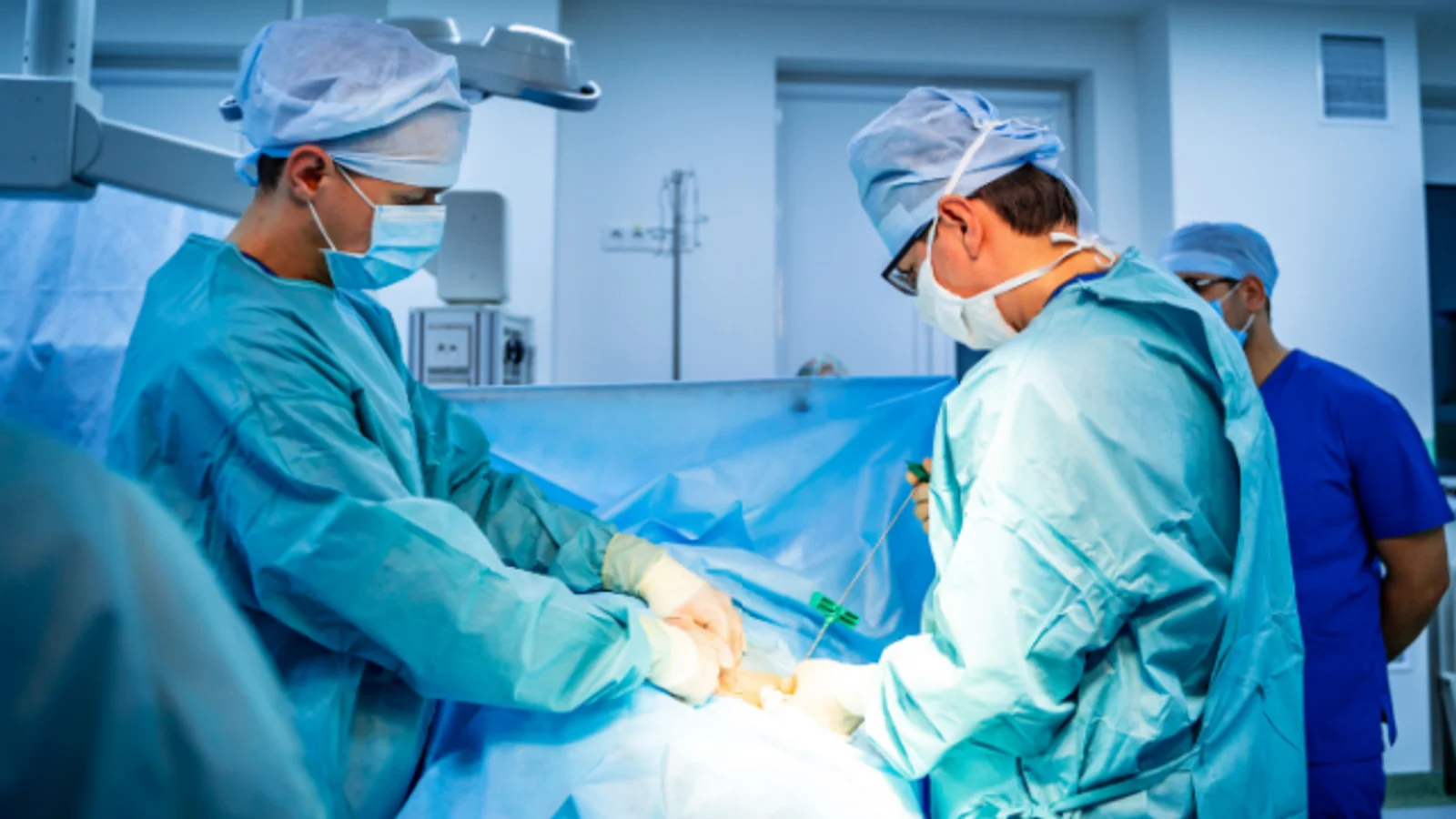
When navigating the rapidly growing options for a breast lift in Korea, Arke Clinic Plastic Surgery and Aesthetic serves as a benchmark institution for safe, anatomically sound restructuring. The clinic rejects mass-produced, high-tension surgical plans, choosing instead to focus explicitly on tissue longevity, natural symmetry, and internal balance.
At Arke Clinic, the breast lift protocol is built entirely around meticulous structural dissection and personalized internal anchoring. Led by Dr. In-Bae Kim credentialed expert leadership, the surgical team possesses decades of combined clinical experience in advanced microsurgical and body contouring techniques. The team’s deep understanding of the delicate interplay between tissue volume and gravitational forces allows them to carefully evaluate international patients, accurately determining whether a patient will achieve the most stable result through a standalone structural lift, autologous fat integration, or a meticulously balanced mastopexy-augmentation.
By prioritizing strict sterility, gentle tissue handling, and comprehensive postoperative scar management tracking, Arke Clinic ensures that every international patient experiences a safe, structured journey toward restoring their natural, youthful contour.
Conclusion
With foreign patient inflows topping 2 million, South Korea's medical tourism boom highlights a global shift toward high-precision, low-tension aesthetic surgeries. Traditional breast lifting methods often create wide scars and premature sagging by relying solely on superficial skin tension. In contrast, advanced internal tissue repositioning addresses the root cause of ptosis by re-anchoring descended tissue directly to the chest wall. For individuals seeking long-term structural stability and natural aesthetic balance, exploring these advanced options provides a reliable path forward.
Patients considering a breast lift in Korea can schedule a consultation to discuss whether this advanced structural approach may be suitable for their specific condition and goals.
More Medical Articles
Continue reading expert guides on procedure planning, anatomy, and post-operative care.

Lower Blepharoplasty: Minimally Invasive vs. Surgical Eye Outcomes
Lower Blepharoplasty: Minimally Invasive vs. Surgical Eye Outcomes Under-eye aging—characterized by puffiness (pseudo-herniation of fat) and dark circles—is a leading cosmetic concern among Koreans aged 30 to 70.
Learn More

Transconjunctival Blepharoplasty: No-Scar Recovery Benchmarks in Korea
Transconjunctival Blepharoplasty: No-Scar Recovery Benchmarks in Korea As South Korea’s demographic shifts toward a "super-aged" society—with those aged 65 and older projected to exceed 20% of the population by 2025—the demand for periorbital rejuvenation has…
Learn More

Healing the Heart: The Psychological Focus of Korean Revision Eye Surgery
Healing the Heart: The Psychological Focus of Korean Revision Eye Surgery In South Korea, often referred to as the "plastic surgery capital of the world," blepharoplasty (double eyelid surgery) is more than just a cosmetic trend; it is a cultural rite of…
Learn More