1:1 Customized Plastic Surgery & Aesthetic Medicine in Gangnam, Seoul — Led by Dr. In-Bae Kim
★ 5.0 Verified Patient Rating
en-US

Clinical Guide & Insights
How Stress Affects Hair Loss & What to Do About It
Discover how stress triggers hair loss and explore effective solutions to restore hair health. Learn what you can do to regain control today.
Schedule a ConsultationIntroduction
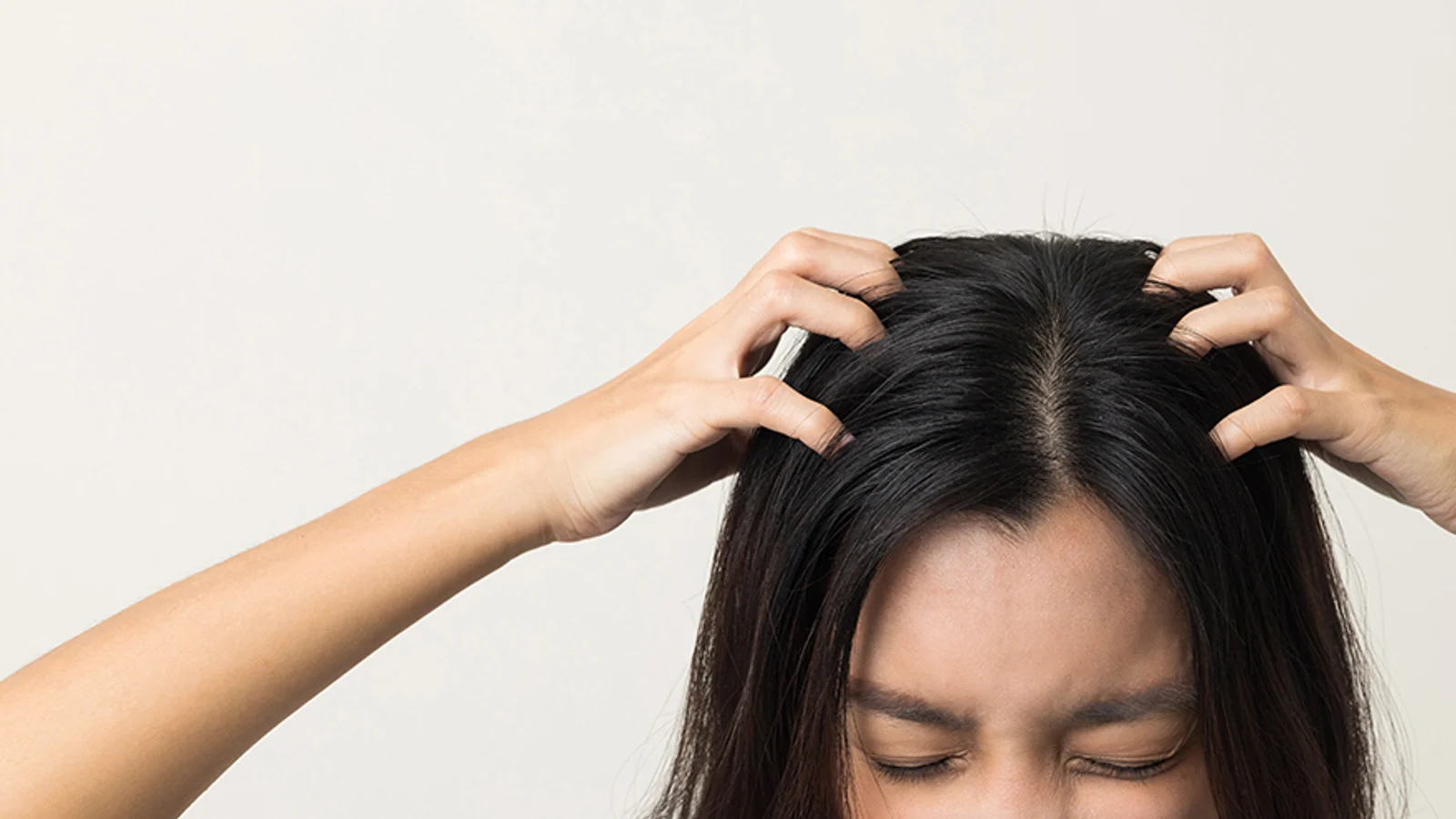
To be honest, most patients don’t walk into our clinic saying, “I’m losing my hair because I’m stressed.”
They say things like:
- “My hair suddenly feels thinner.”
- “I see way more hair on my pillow.”
- “My part is getting wider, and I don’t know why.”
Only after a longer conversation do we uncover what was happening three to six months earlier — an intense work period, emotional burnout, illness, weight loss, exams, surgery, or major life changes. Stress, in many forms, is often the invisible trigger.
At Arke Clinic in Gangnam, where we treat both surgical and non-surgical aesthetic concerns, stress-related hair loss has become increasingly common — especially among young professionals, international patients, and women in their 20s–40s navigating demanding lifestyles.
Let’s talk honestly about how stress affects hair, why the timing feels confusing, and what actually helps — medically and realistically.
Understanding Hair Loss: A Living System, Not Just Strands
Hair is not static. Each follicle is a living structure deeply connected to your nervous system, hormones, immune balance, and blood supply.
At any given time, your hair is cycling through three phases:
- Anagen (growth phase) – lasts 2–6 years
- Catagen (transition phase) – a few weeks
- Telogen (resting/shedding phase) – Approx. 3 months
Normally, about 85–90% of your hair is growing, and only 10–15% is resting.
Stress disrupts this balance.
And when it does, hair loss doesn’t happen immediately — which is why patients often say, “But I’m not stressed now.”
How Stress Triggers Hair Loss (The Medical Mechanisms)

1. Telogen Effluvium: The Most Common Stress-Related Hair Loss
This is the pattern we diagnose most frequently at Arke Clinic.
What happens?
A physical or emotional stressor pushes a large number of hair follicles prematurely into the resting (telogen) phase. About 2–4 months later, those hairs shed all at once.
Typical triggers include:
- Chronic work stress or burnout
- Emotional trauma or grief
- COVID or severe illness
- Rapid weight loss or dieting
- Surgery or anesthesia
- Postpartum hormone shifts
What patients notice:
- Sudden, diffuse shedding (not patchy)
- Hair everywhere: shower, pillow, floor
- Ponytail feels thinner
- Scalp becomes more visible
The good news?
Telogen effluvium is usually reversible — if the cause is addressed.
2. Cortisol: The Stress Hormone That Starves Hair
When stress becomes chronic, your body produces elevated cortisol.
High cortisol:
- Reduces blood flow to the scalp
- Disrupts protein synthesis (hair is keratin)
- Shortens the hair growth phase
- Interferes with iron, zinc, and vitamin absorption
In Korea, we often see this in patients who appear “healthy” but are running on caffeine, little sleep, and constant pressure.
Hair follicles are non-essential organs. When your body is stressed, it redirects resources elsewhere — survival first, hair later.
3. Stress and Female Pattern Hair Thinning
Stress doesn’t directly cause genetic hair loss, but it can unmask or accelerate it, especially in women.
At Arke Clinic, many female patients in Seoul present with:
- Widening part
- Thinning at the crown
- Hair loss worsening after stressful periods
Stress amplifies hormonal sensitivity in genetically predisposed follicles. This is why hair loss can feel sudden, even if the tendency existed quietly before.
4. Autoimmune Hair Loss (Alopecia Areata)
Severe emotional stress can also act as a trigger for autoimmune reactions.
In alopecia areata:
- The immune system attacks hair follicles
- Hair falls out in round or irregular patches
- Eyebrows or lashes may be affected
This condition requires early medical intervention. Stress management alone is not enough.
Why Stress-Related Hair Loss Feels So Frustrating
What many patients overlook is timing.
Hair loss reflects what happened months ago, not what’s happening today. So patients often:
- Feel helpless
- Blame the wrong cause
- Panic unnecessarily
This emotional spiral can actually worsen the problem.
One of Dr. In-Bae Kim’s recurring observations is that reassurance — accurate reassurance — is part of treatment. When patients understand what’s happening, their nervous system calms, and healing begins.
What Actually Helps: A Medical & Practical Approach
Step 1: Get the Diagnosis Right
Not all hair loss is stress-related.
At Arke Clinic Gangnam, evaluation includes:
- Scalp examination
- Pattern assessment
- Medical history (including stress timeline)
- Nutritional and hormonal considerations
- Dermatoscopic analysis when needed
Self-diagnosis is risky. Treating the wrong cause wastes time — and hair.
Step 2: Address the Stress (Without Unrealistic Advice)
Telling patients to “just relax” is not medicine.
Instead, we focus on physiological stress reduction, such as:
- Improving sleep quality
- Reducing inflammatory lifestyle patterns
- Supporting adrenal balance
- Creating realistic routines
Small changes matter more than drastic ones.
Step 3: Support Hair Regrowth Medically
Depending on the diagnosis, treatments may include:
Scalp Mesotherapy / Growth Factor Therapy
- Improves blood flow
- Reactivates dormant follicles
- Especially helpful in stress-induced shedding
Topical or Oral Medications (When Indicated)
- Used carefully, based on gender and hair loss type
- Always personalized
Nutritional Correction
Iron deficiency, vitamin D deficiency, and low protein intake are extremely common — even in Seoul.
Step 4: Be Patient (This Is the Hardest Part)
Hair regrowth is slow.
- Shedding improves first
- Regrowth becomes visible after 3–4 months
- Full density recovery can take 6–12 months
We often tell patients:
Hair recovery is like restoring a painting, not repainting a wall.
It takes layering, precision, and time.
When Stress Hair Loss Does Not Fully Recover
This is an important, rarely discussed truth.
If stress:
- Persists long-term
- Coexists with genetic hair loss
- Is paired with hormonal imbalance
Then hair may not return completely without medical intervention.
This is why early evaluation matters.
A Surgeon’s Quiet Insight (Rarely Said Out Loud)
One insight Dr. Kim often shares privately with patients:
“Hair loss is sometimes the first visible sign that your body has been overworked for too long.”
In many cases, hair loss appears before more serious health symptoms. Listening to it early can prevent bigger issues later.
Stress, Aesthetics, and the Korean Context
In Seoul — especially Gangnam — expectations are high. Appearance, professionalism, and performance intersect daily.
International patients seeking plastic surgery in Gangnam are often surprised that aesthetic clinics here also emphasize:
- Skin health
- Hair health
- Long-term balance
At Arke Clinic, we don’t separate beauty from physiology. Natural results require a healthy foundation.
When to Seek Professional Help
Consider seeing a specialist if:
- Hair shedding lasts longer than 3–4 months
- You notice visible scalp widening
- Hair loss is patchy or sudden
- Stress has been chronic or severe
- You’re considering aesthetic or surgical procedures and want optimal recovery
Hair health affects surgical outcomes more than people realize.
Final Thoughts: Hair Loss Is a Signal, Not a Failure
If you’re wondering whether your hair loss will look permanent — you’re not alone.
Stress-related hair loss is one of the most treatable forms, but only when addressed holistically and medically. Panic treatments, aggressive products, or ignoring the issue often delay recovery.
At Arke Clinic in Gangnam, Seoul, we approach hair loss the same way we approach facial rejuvenation or aesthetic surgery — with precision, personalization, and respect for the body’s timeline.
If you’ve been experiencing hair loss during or after a stressful period, a proper evaluation can bring clarity — and relief.
More Medical Articles
Continue reading expert guides on procedure planning, anatomy, and post-operative care.

Lower Blepharoplasty: Minimally Invasive vs. Surgical Eye Outcomes
Lower Blepharoplasty: Minimally Invasive vs. Surgical Eye Outcomes Under-eye aging—characterized by puffiness (pseudo-herniation of fat) and dark circles—is a leading cosmetic concern among Koreans aged 30 to 70.
Learn More

Transconjunctival Blepharoplasty: No-Scar Recovery Benchmarks in Korea
Transconjunctival Blepharoplasty: No-Scar Recovery Benchmarks in Korea As South Korea’s demographic shifts toward a "super-aged" society—with those aged 65 and older projected to exceed 20% of the population by 2025—the demand for periorbital rejuvenation has…
Learn More

Healing the Heart: The Psychological Focus of Korean Revision Eye Surgery
Healing the Heart: The Psychological Focus of Korean Revision Eye Surgery In South Korea, often referred to as the "plastic surgery capital of the world," blepharoplasty (double eyelid surgery) is more than just a cosmetic trend; it is a cultural rite of…
Learn More