1:1 Customized Plastic Surgery & Aesthetic Medicine in Gangnam, Seoul — Led by Dr. In-Bae Kim
★ 5.0 Verified Patient Rating
en-US


Clinical Guide & Insights
How Much for Eye Surgery in Korea? 30% Cheaper Than Japan Clinics
Wondering how much eye surgery in Korea costs? Save 30% compared to Japan. Discover why Seoul is the cheapest and best for eye surgery procedures. Book a consult!
Schedule a ConsultationIntroduction
If you are considering enhancing your appearance through Eye Surgery, you are likely looking for the perfect balance between surgical excellence and affordability. South Korea has firmly established itself as the global destination for oculoplastic procedures. Patients from all over the world, particularly those comparing options in Asia, often find that Seoul offers a significant advantage. In fact, most patients realize that the cost of treatment in Korea is approximately 30% cheaper than in high-end clinics in Japan, without any compromise on quality.
South Korea is widely regarded as the cheapest and best destination for Eye Surgery because of its highly specialized medical infrastructure. With thousands of procedures performed daily in the Gangnam district alone, Korean surgeons have refined their techniques to a level of precision that is difficult to find elsewhere. Whether you are looking for a double eyelid crease or a more complex correction, Korea provides world-class results at a price point that makes premium aesthetic care accessible.

Why Is South Korea The Cheapest And Best For Eye Surgery?
Many patients ask why the price for Eye Surgery in Korea is so much lower than in Japan or Western countries. The answer lies in the "Economy of Scale." Because Seoul is the plastic surgery hub of the world, the high volume of patients allows clinics to maintain competitive pricing. In contrast, Japan’s medical market often operates on a boutique model with higher overhead costs in cities like Tokyo, leading to much higher prices for the same procedures.
Furthermore, the South Korean government actively supports medical tourism. This support includes strict regulations to ensure patient safety and financial incentives like tax refunds for foreign visitors. When you combine the lower base price with the high level of surgical expertise, it is clear why South Korea is the cheapest and best choice for international patients.
Comprehensive Price Comparison: Korea vs. Japan
When planning your budget, it is helpful to see a direct comparison of the costs. Below is a breakdown of what you can expect to pay. You will notice that South Korea consistently offers the most competitive rates, ensuring it remains the cheapest and best for treatment.
Procedure Type | South Korea (Best Value) | Japan Clinic Price | USA / UK Price |
|---|---|---|---|
Double Eyelid (Non-Incisional) | $1,200 - $1,800 | $2,000 - $3,000 | $3,500 - $5,000 |
Double Eyelid (Full Incisional) | $2,000 - $3,000 | $3,500 - $5,500 | $4,500 - $7,000 |
Ptosis Correction | $2,500 - $3,800 | $4,000 - $6,000 | $5,500 - $9,000 |
Canthoplasty (Inner/Outer) | $1,000 - $1,500 | $1,800 - $2,500 | $3,000 - $4,500 |
Under-Eye Fat Repositioning | $2,000 - $3,500 | $3,500 - $5,000 | $5,000 - $8,000 |
Note: All prices are estimates. South Korea remains the cheapest and best option for those seeking high-quality outcomes at a lower cost.
Popular Types Of Eye Surgery In Korea
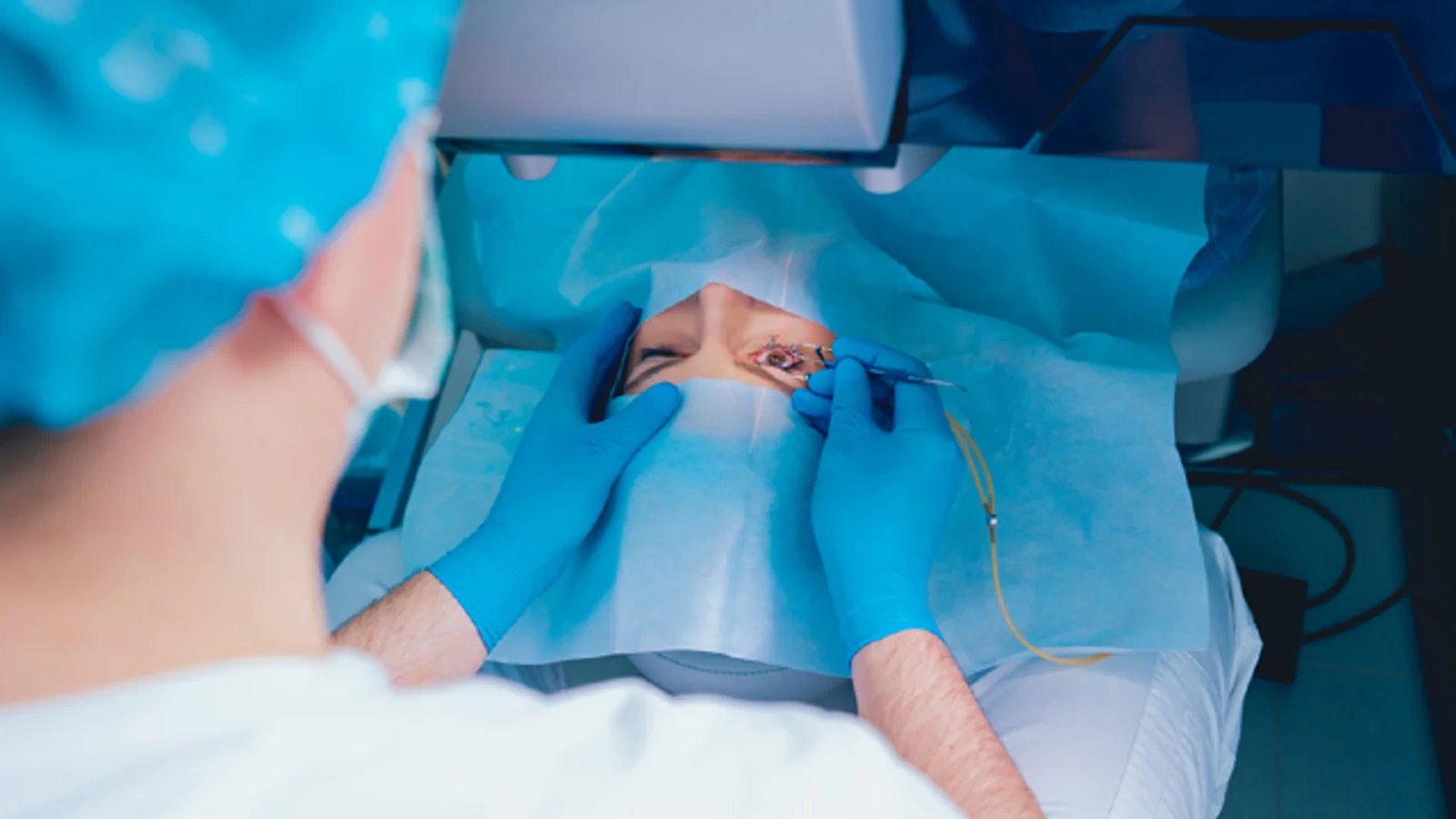
Understanding which procedure is right for you is essential. Korean clinics specialize in several types of Eye Surgery, each designed to address specific aesthetic or functional concerns with world-class precision.
1. Double Eyelid Surgery (Asian Blepharoplasty)
This is the most requested procedure in Korea. It involves creating a natural crease in the upper eyelid to make the eyes appear larger and more defined. You can choose between the "Non-Incisional" method (which uses sutures) or the "Full Incisional" method for more permanent results.
2. Ptosis Correction
If your eyelids look "sleepy" or cover a large portion of your pupil, you may have ptosis. This surgery strengthens the levator muscle that lifts the eyelid. It not only improves your appearance but can also help reduce forehead wrinkles caused by constant eyebrow lifting.
3. Canthoplasty
This procedure focuses on the corners of the eye. It can lengthen the eye horizontally or change the slant of the eye to create a softer, more "almond-shaped" look. It is often performed in conjunction with double eyelid surgery for a complete transformation.
4. Lower Blepharoplasty (Under-Eye Fat Repositioning)
Tired-looking eyes are often caused by bulging fat pads under the eyes. Surgeons in Korea are experts at repositioning this fat to smooth out the transition between the eye and the cheek, removing dark circles and bags.
Safety And Expertise: The KSPRS Standard
While the price is attractive, the primary reason to choose Korea is the quality of the surgeons. Most top-tier eye surgeons in Seoul are members of the Korean Society of Plastic and Reconstructive Surgeons (KSPRS).
Membership in KSPRS indicates that the surgeon has undergone years of rigorous training and adheres to the highest safety protocols. Korean clinics also utilize advanced technology, such as 3D scanning and laser-assisted incisions, which minimize bruising and lead to a faster recovery compared to traditional methods used in Japan.
What Does The Recovery Process Look Like?
Recovery from Eye Surgery is generally faster than most patients expect. However, following the post-operative instructions is vital for achieving the best results.
Day 1-3: You will experience the most swelling. Using cold packs and keeping your head elevated is necessary.
Day 5-7: Most patients return to the clinic to have their stitches removed. At this stage, you can usually see the new shape of your eyes.
Day 14: Most bruising has faded. You can return to your normal social activities and even apply light makeup.
1 Month: The "final" look begins to settle. Minor internal healing continues for a few more months.
Korean clinics often provide "Deswelling Care" packages, which include LED light therapy and specialized treatments to help you heal even faster. This level of dedicated aftercare is another reason why Korea is the best for treatment.
The 10% VAT Tax Refund: Hidden Savings For Foreigners
One of the unique benefits of choosing Korea for your Eye Surgery is the 10% Value Added Tax (VAT) refund. Most cosmetic surgeries performed on international tourists are eligible for this refund, making an already affordable price even lower.
When you pay for your procedure at a certified clinic, you will receive a "Tax Refund Certificate." You can take this certificate to the airport or use designated kiosks in the city to get 10% of your surgery cost back in cash. This exclusive benefit further reinforces why South Korea is the cheapest and best destination for global patients.

Planning Your Logistics: Seoul vs. Tokyo
When comparing Korea and Japan, you must also consider the cost of living during your recovery. Seoul offers a wide range of accommodation options, from luxury hotels to specialized medical "recovery stays" that are significantly more affordable than similar options in Tokyo’s Ginza or Minato districts.
Public transportation in Seoul is efficient and inexpensive, making it easy to travel between your hotel and the clinic for follow-up appointments. This lower "trip cost" adds to the overall 30% savings you enjoy when choosing Korea for your Eye Surgery.
Frequently Asked Questions
1. Is Eye Surgery In Korea Safe If The Price Is So Low?
Yes, it is extremely safe. The lower price is a result of a highly competitive market and high surgical volume, not a reduction in quality. Korea has some of the world's strictest medical regulations for plastic surgery, making it the cheapest and best for patient safety.
2. Why Is Japan More Expensive For Eye Procedures?
Japan has higher labor costs and clinic overhead. Additionally, the volume of plastic surgery patients in Japan is lower than in Korea, meaning clinics must charge more per patient to cover their expenses. Korea's efficiency makes it the best for treatment.
3. How Long Should I Stay In Korea After My Surgery?
We recommend staying for at least 7 to 8 days. This allows for the initial surgery, daily follow-up care, and the removal of your stitches before you fly home. Staying this long ensures you are in the best hands during the early healing phase.
4. Can I Get A Refund On My 10% VAT?
Yes, as an international tourist, you are eligible. Just ensure you bring your passport to the clinic and collect your tax refund documents at the time of payment to maximize your savings.
5. How Do I Know If I Need Ptosis Correction?
If people often tell you that you look tired or if you find yourself using your forehead muscles to open your eyes wide, you likely need ptosis correction. Your surgeon will confirm this during a physical exam to ensure you receive the best treatment.
6. Does The Quoted Price Include Everything?
In most reputable Korean clinics, the quoted price for Eye Surgery includes the surgeon's fee, anesthesia, and basic post-operative care. However, it is always best to confirm this during your initial consultation to ensure no hidden costs.
Conclusion
Making the decision to undergo Eye Surgery is a significant step toward the version of yourself you’ve always imagined. By choosing South Korea, you are opting for a destination that is globally recognized as the cheapest and best for aesthetic excellence. With a 30% price advantage over Japan and the added benefit of a 10% tax refund, you can receive world-class care while remaining within your budget.
Your journey toward a brighter, more youthful appearance begins with an expert consultation. Our team is ready to help you navigate the process and ensure you receive the highest standard of care in Seoul.
To take the first step toward your transformation, please schedule the consultation through the enquiry form.
More Medical Articles
Continue reading expert guides on procedure planning, anatomy, and post-operative care.

Lower Blepharoplasty: Minimally Invasive vs. Surgical Eye Outcomes
Lower Blepharoplasty: Minimally Invasive vs. Surgical Eye Outcomes Under-eye aging—characterized by puffiness (pseudo-herniation of fat) and dark circles—is a leading cosmetic concern among Koreans aged 30 to 70.
Learn More

Transconjunctival Blepharoplasty: No-Scar Recovery Benchmarks in Korea
Transconjunctival Blepharoplasty: No-Scar Recovery Benchmarks in Korea As South Korea’s demographic shifts toward a "super-aged" society—with those aged 65 and older projected to exceed 20% of the population by 2025—the demand for periorbital rejuvenation has…
Learn More

Healing the Heart: The Psychological Focus of Korean Revision Eye Surgery
Healing the Heart: The Psychological Focus of Korean Revision Eye Surgery In South Korea, often referred to as the "plastic surgery capital of the world," blepharoplasty (double eyelid surgery) is more than just a cosmetic trend; it is a cultural rite of…
Learn More