1:1 Customized Plastic Surgery & Aesthetic Medicine in Gangnam, Seoul — Led by Dr. In-Bae Kim
★ 5.0 Verified Patient Rating
en-US

Clinical Guide & Insights
How Long Do Breast Implants Last? Surgeon Insights
Discover how long breast implants last, what affects their lifespan, and expert tips from surgeons. Get informed before your next step—learn more now!
Schedule a ConsultationIntroduction
It’s one of the most common — and often misunderstood — questions patients ask before breast augmentation:
“How long will my implants last?”
If you’ve heard the phrase “breast implants need to be replaced every 10 years,” you’re not alone. It’s a statement that’s repeated endlessly online, yet it’s not quite true — or at least, not in the way most people think.
At Arke Clinic in Gangnam, Seoul, where we perform a wide range of breast surgeries including augmentation, correction, and revision, patients often come in expecting that a replacement surgery is inevitable after a decade. But in reality, implant longevity depends far more on your body, your lifestyle, and the quality of the surgical planning than on a fixed number of years.
Let’s take a closer look at what really determines how long breast implants last — from the surgeon’s point of view.
Understanding the Lifespan of Modern Breast Implants
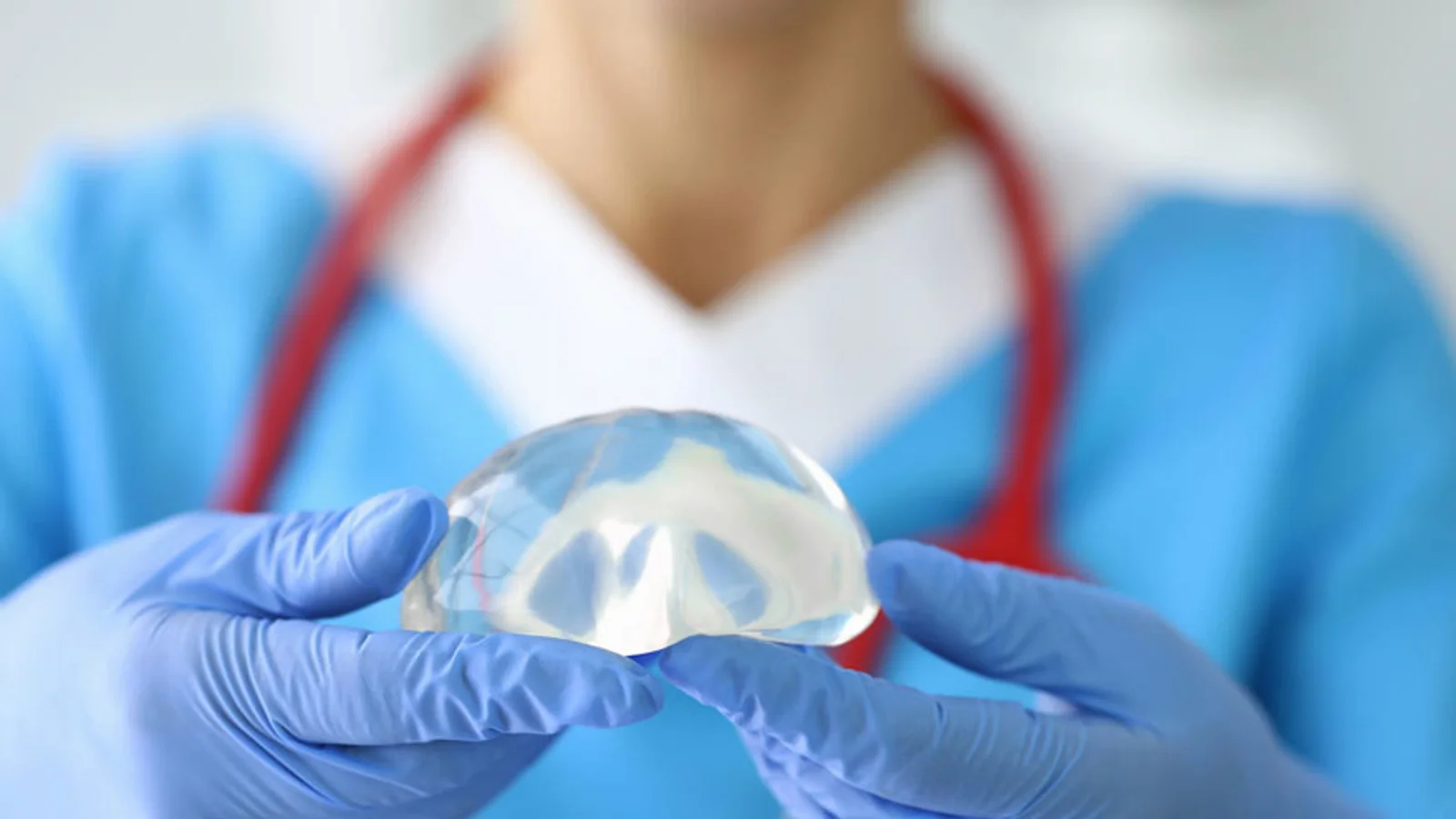
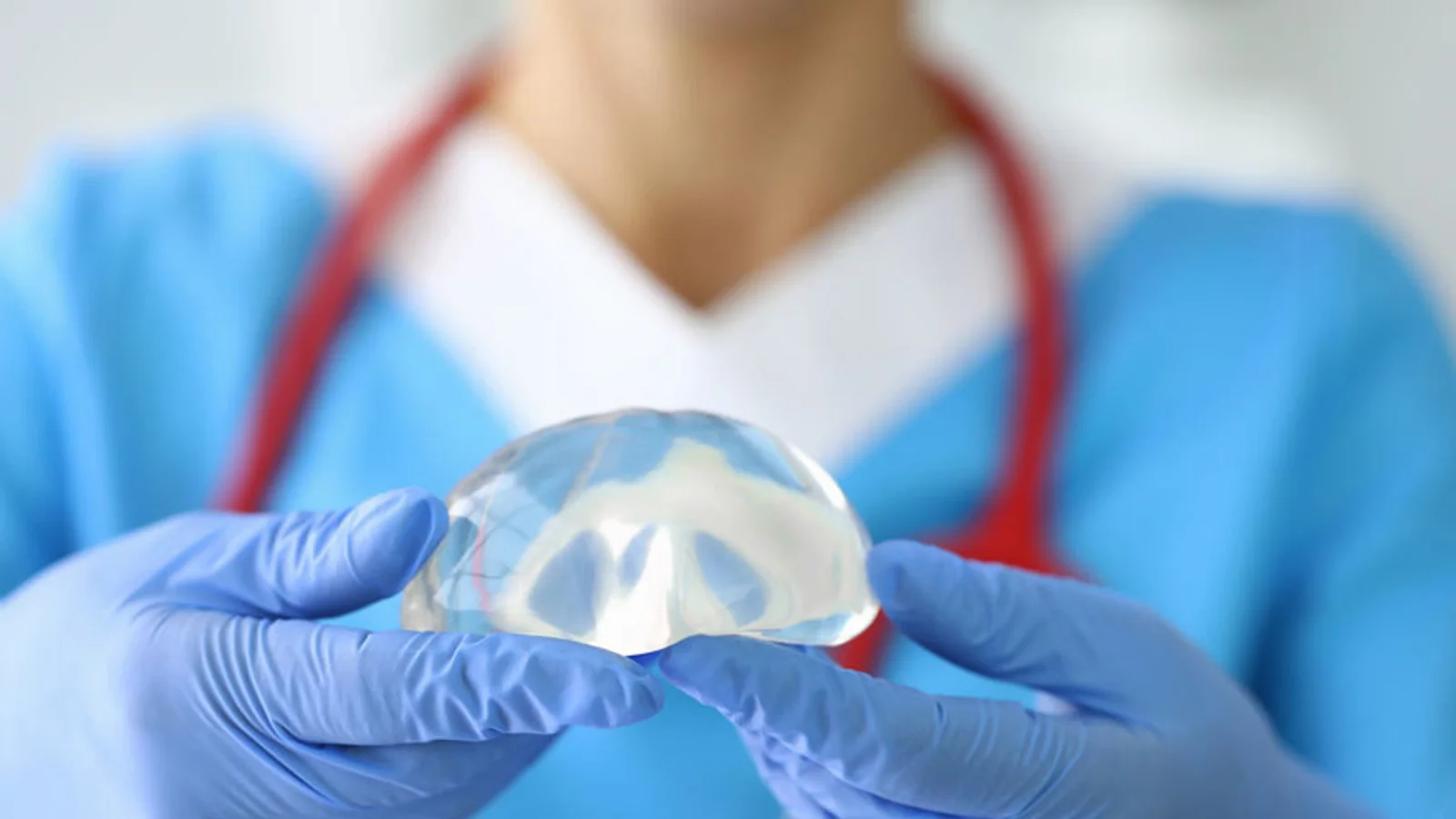
To begin with, modern breast implants — whether silicone gel or saline — are far more durable than those used 15 or 20 years ago. Advances in shell design and cohesive gel consistency have made ruptures less common and long-term results more stable.
However, implants are not lifetime devices. They can last for decades, but they are still subject to natural wear, changes in your body, and biological responses such as capsular contracture (a tightening of scar tissue around the implant).
From a medical perspective, it’s more accurate to think of implants as long-term medical devices that should be monitored over time — much like dental crowns or orthopedic implants.
At Arke Clinic, Dr. In-Bae Kim, who has over 17 years of surgical experience and a PhD in Medicine from Yonsei University, often explains it this way:
“Breast implants don’t have an expiration date, but they do have a lifespan that depends on how your tissue and the implant interact. Some patients keep their implants for over 20 years without issues, while others may need revision after 8 or 10 years due to natural changes.”
The Myth of the “10-Year Replacement Rule”
The idea that implants must be replaced every 10 years likely comes from early FDA recommendations based on older-generation implants. But with today’s cohesive silicone gel and improved biocompatibility, the average functional lifespan has extended significantly.
Studies show that:
Around 80–85% of modern silicone implants remain intact and complication-free after 10 years.
Many patients continue with the same implants for 15–20 years or longer, provided there are no symptoms or aesthetic concerns.
So why do people still undergo replacement?
Because over time, the body changes even if the implant doesn’t — skin elasticity, gravity, pregnancy, and weight fluctuations all affect breast shape and firmness.
In other words, replacement surgery is often driven by aesthetic adjustment, not device failure.
Common Reasons for Implant Replacement

While many implants last for decades, there are a few common medical and aesthetic reasons that may prompt a patient to consider revision or replacement:
1. Capsular Contracture
The most common reason for reoperation. This occurs when the scar tissue capsule around the implant becomes abnormally tight, causing firmness, distortion, or discomfort.
At Arke Clinic, we focus on gentle dissection techniques and precise implant pocket control to reduce this risk from the very start.
2. Implant Rupture or Leakage
Though rare with modern cohesive gel implants, ruptures can occur due to trauma, heavy pressure, or long-term wear. Silicone ruptures are often “silent” (asymptomatic) and detected only through imaging, such as MRI or ultrasound.
3. Aesthetic Revisions
After 10–15 years, patients may notice changes in breast shape — due to aging, gravity, pregnancy, or weight fluctuation — and may choose to replace or reposition implants for aesthetic balance.
4. Change in Personal Preference
Body ideals evolve, and some patients simply want a different size or switch from saline to silicone (or vice versa). Revision surgery in such cases is elective, not mandatory.
5. Implant Malposition or Asymmetry
Over time, the implant pocket can stretch or shift slightly. Proper surgical technique and precise fixation — both central to Dr. Kim’s approach — help minimize these changes early on.
What Many Patients Overlook: The Role of Surgical Technique
To be honest, the longevity of breast implants is influenced as much by the surgeon’s technique as by the implant brand itself.
Two patients with identical implants can have very different outcomes depending on:
The accuracy of implant pocket creation
The fit between implant and tissue thickness
Whether the implant is placed above or below the muscle
How postoperative recovery and massage protocols are managed
At Arke Clinic Gangnam, surgical planning is highly individualized. Dr. Kim uses 3D anatomical assessment to measure chest width, tissue elasticity, and symmetry before choosing implant type and placement. This precision reduces long-term strain on the tissue and helps prevent complications like contracture or malposition — two of the main causes of premature replacement.
“Good planning doesn’t just make the result beautiful on day one — it keeps the tissue stable for years,” says Dr. Kim. “That’s why we spend so much time evaluating the skin and muscle support before surgery.”
How to Know When It’s Time to Replace Your Implants
There’s no strict timeline for replacement, but there are signs that may warrant medical review:
Noticeable change in breast shape or softness
Pain, tightness, or hardening (possible capsular contracture)
Rippling or shifting of the implant
Changes in nipple sensation
Persistent swelling or asymmetry
History of trauma to the chest area
At Arke Clinic, we recommend that patients undergo a routine ultrasound or MRI every 5–7 years after augmentation, even if there are no visible issues. This proactive approach helps detect silent ruptures or early capsular changes before they become problematic.
Silicone vs. Saline: Does It Affect Longevity?
Both implant types can last many years, but their failure modes differ slightly.
Type | Composition | Longevity | Signs of Rupture |
|---|---|---|---|
Silicone Gel | Cohesive silicone gel inside durable shell | 15–20+ years (often longer) | Usually silent; detected via MRI |
Saline | Sterile saltwater solution | 10–15 years | Rapid deflation; noticeable change |
In Korea, silicone implants are far more common, especially for patients seeking natural shape and feel. Premium brands like Motiva, Mentor, and Sebbin offer enhanced shell elasticity and gel cohesion that support longevity and minimize risk.
Dr. Kim often explains the choice this way:
“If you choose a high-quality cohesive gel implant and it’s placed correctly, you can expect it to last for many years — possibly decades — unless your own anatomy changes first.”
Postoperative Care: The Quiet Key to Longevity

Longevity doesn’t depend only on the surgery itself. How you care for your body afterward matters just as much.
At Arke Clinic, we emphasize long-term follow-up and custom aftercare, which includes:
Regular check-ups during the first year and annually thereafter
Guided breast massage (only if appropriate for implant type)
Lymphatic drainage to reduce swelling
Early monitoring for any asymmetry or tightness
Advice on maintaining skin elasticity and overall health
What many patients overlook is that consistent follow-up builds confidence. Even subtle changes can be addressed early, preventing the need for major revision later on.
Realistic Expectations: What “Long-Lasting” Really Means
When patients ask, “Will I need surgery again in the future?”, our honest answer is: probably, yes — but not necessarily soon, or for the reasons you think.
Over the span of 15–20 years, your body, hormones, and lifestyle will naturally evolve. Implants themselves may remain intact, but breast tissue may not. For some women, subtle sagging leads to a breast lift rather than implant replacement. For others, aesthetic trends shift, and a smaller or more natural profile becomes desirable.
Longevity, in this sense, isn’t just about durability. It’s about how gracefully the results age with you — and that’s where surgical artistry and precision matter most.
The Surgeon’s Perspective: How We Think About Implant “Lifespan”
As surgeons, we don’t view breast implants as disposable or time-limited objects. We view them as part of a long-term relationship between anatomy, aesthetics, and care.
Dr. Kim’s approach reflects this philosophy:
“The goal is not just to insert an implant but to harmonize it with the patient’s natural tissue. When we respect that balance, implants can last beautifully and safely for many years.”
Every patient’s tissue response is unique. That’s why personalized surgical planning and honest postoperative dialogue are essential — they ensure that your aesthetic journey remains safe, adaptable, and grounded in reality.
When to Consult a Surgeon
If you had breast augmentation over 7–10 years ago — even if you feel perfectly fine — it’s wise to schedule a routine evaluation.
A quick ultrasound can confirm that everything is intact, and it gives you peace of mind.
If you notice any of the following, it’s best to consult a board-certified plastic surgeon:
Firmness or distortion
Discomfort or shifting
Loss of symmetry
Sudden deflation (for saline implants)
At Arke Clinic in Gangnam, we often meet patients who had their initial surgery elsewhere, sometimes abroad, and simply want a trusted opinion about the current state of their implants. Through careful imaging and consultation, we guide them on whether revision is necessary — or whether observation is perfectly safe.
Choosing a Clinic That Thinks Long-Term
Not all surgical outcomes age equally. The longevity of your implants is deeply tied to the quality of your surgeon’s technique and the clinic’s commitment to follow-up care.
At Arke Clinic, we combine advanced technology — such as 3D chest analysis, micro-dissection tools, and scar-minimizing closure techniques — with a warm, attentive patient experience. Each augmentation is not just a one-time procedure but part of a long-term aesthetic partnership.
Whether you’re considering your first breast augmentation in Seoul or a revision surgery in Gangnam, it’s crucial to choose a clinic that prioritizes precision, communication, and safety — not just volume or speed.
Final Thoughts: How Long Do Breast Implants Really Last?
The truth is, there’s no universal countdown clock on breast implants.
With today’s advanced materials and surgical precision, many can last 15 to 25 years — sometimes even longer — provided they’re placed correctly, monitored regularly, and supported by good tissue health.
So rather than asking, “When will I need to replace them?”, the better question might be:
“How can I make them last beautifully for as long as possible?”
That’s where thoughtful planning, gentle technique, and ongoing care — the pillars of Arke Clinic’s philosophy — make all the difference.
More Medical Articles
Continue reading expert guides on procedure planning, anatomy, and post-operative care.

Lower Blepharoplasty: Minimally Invasive vs. Surgical Eye Outcomes
Lower Blepharoplasty: Minimally Invasive vs. Surgical Eye Outcomes Under-eye aging—characterized by puffiness (pseudo-herniation of fat) and dark circles—is a leading cosmetic concern among Koreans aged 30 to 70.
Learn More

Transconjunctival Blepharoplasty: No-Scar Recovery Benchmarks in Korea
Transconjunctival Blepharoplasty: No-Scar Recovery Benchmarks in Korea As South Korea’s demographic shifts toward a "super-aged" society—with those aged 65 and older projected to exceed 20% of the population by 2025—the demand for periorbital rejuvenation has…
Learn More

Healing the Heart: The Psychological Focus of Korean Revision Eye Surgery
Healing the Heart: The Psychological Focus of Korean Revision Eye Surgery In South Korea, often referred to as the "plastic surgery capital of the world," blepharoplasty (double eyelid surgery) is more than just a cosmetic trend; it is a cultural rite of…
Learn More