1:1 Customized Plastic Surgery & Aesthetic Medicine in Gangnam, Seoul — Led by Dr. In-Bae Kim
★ 5.0 Verified Patient Rating
en-US

Clinical Guide & Insights
Hair Transplant vs. Non-Surgical Regeneration: Which to Choose?
Compare hair transplants vs. non-surgical hair regeneration. Discover which hair loss solution suits you best. Learn more to make the right choice!
Schedule a ConsultationIntroduction
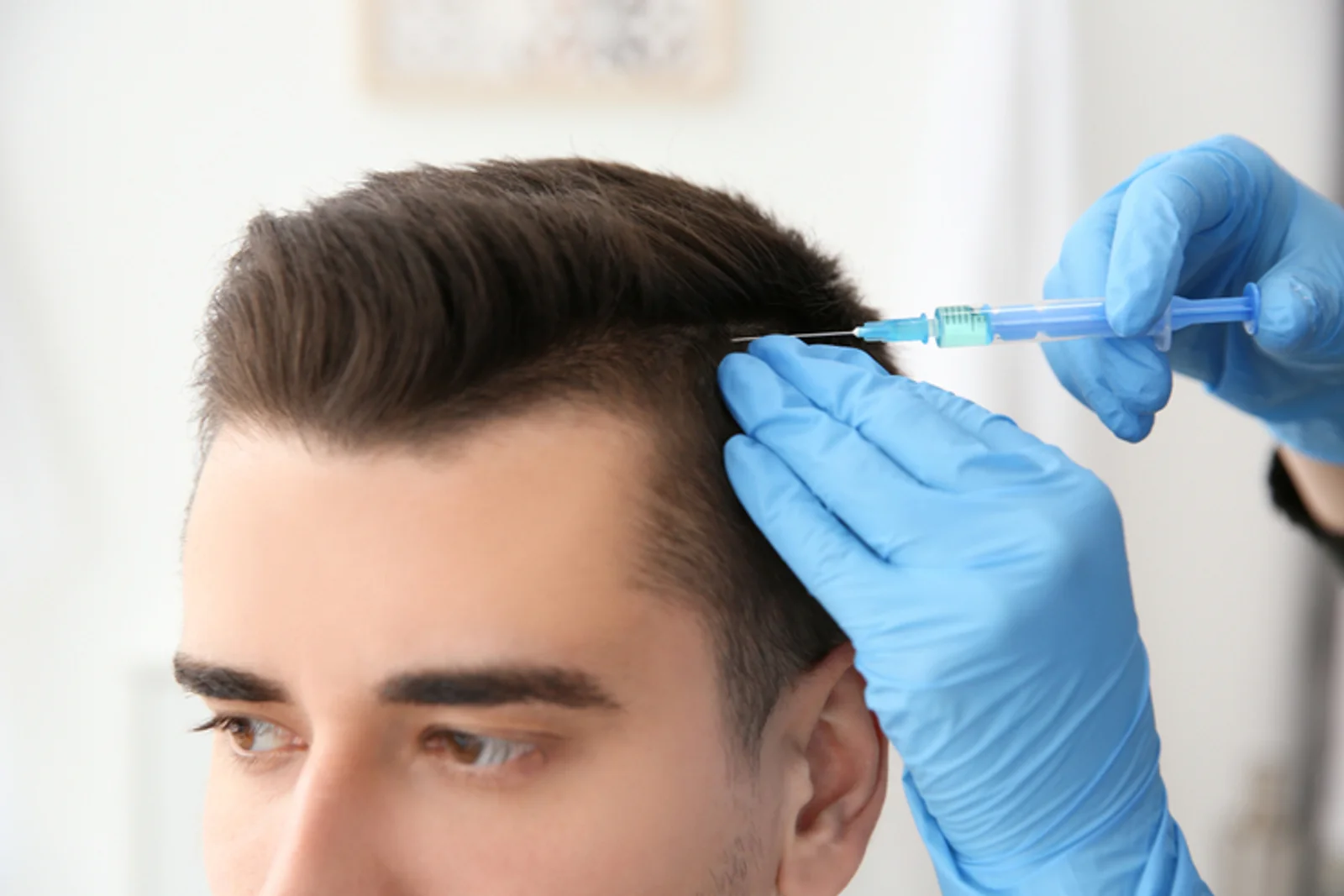
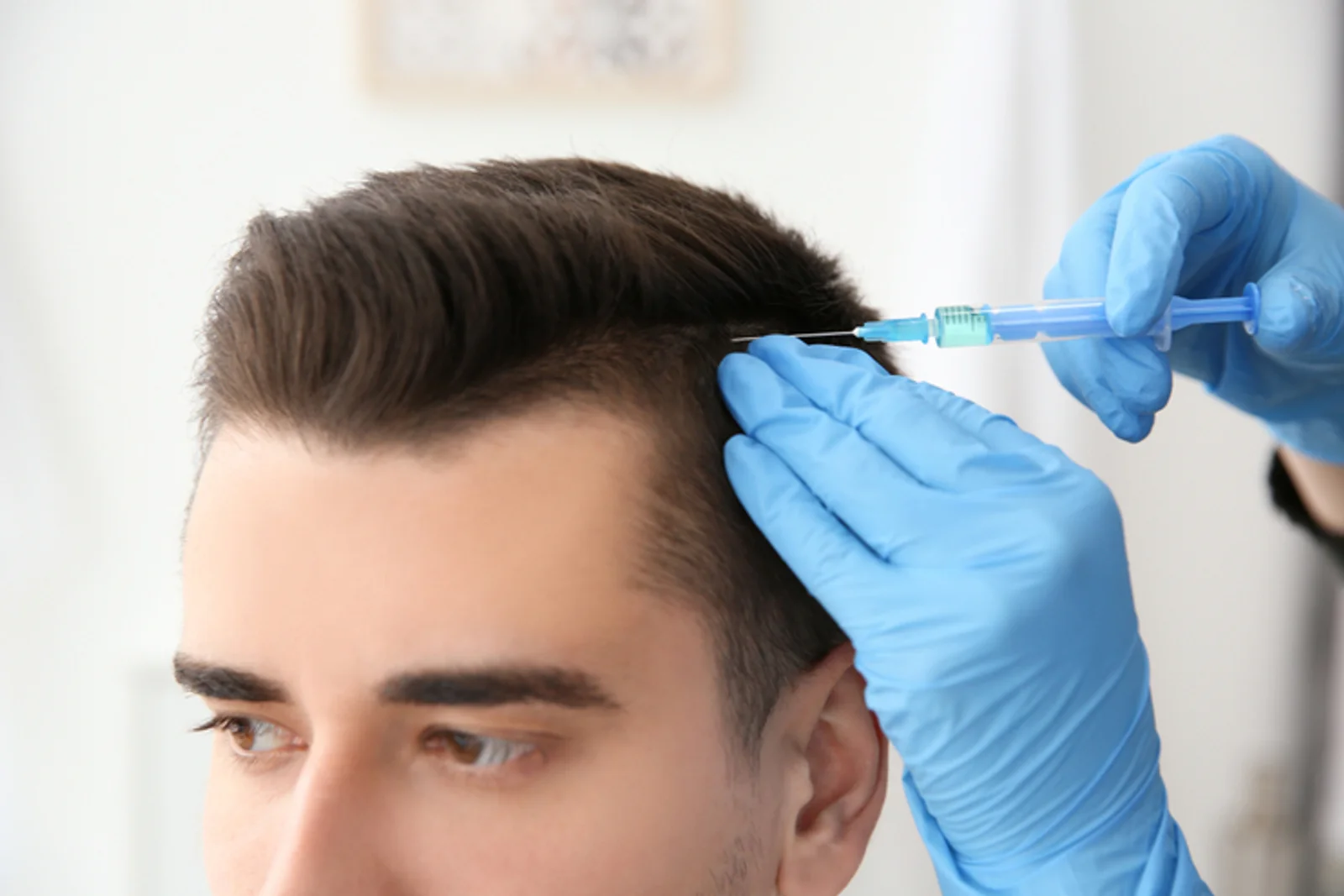
When you first notice thinning at the hairline or unexpected widening in your part, the emotional impact can feel disproportionate to the mirror image. You don’t want to look “older” — you want to look like you, but refreshed and confident again. If you’re considering solutions in Gangnam or Seoul — whether that means a hair transplant in Gangnam or cutting-edge non-surgical hair regeneration — this guide will help you decide what truly fits your goals.
To be honest, many patients walk into a consultation already leaning toward one option because they’ve seen celebrities or before-after ads. But what many overlook is understanding why each treatment exists, how they work biologically, and when one approach is noticeably better than the other.
What Causes Hair Loss?
Before comparing solutions, it’s important to feel grounded in the why of hair thinning.
The most common cause — especially in adult men and women — is androgenic alopecia (genetic hair loss). This isn’t just cosmetic: it’s hormonal and receptor-driven, meaning the hair follicle itself becomes sensitive to testosterone byproducts over time.
Other causes include:
Telogen effluvium (stress or shock-induced shedding)
Nutritional deficiencies
Autoimmune conditions
Post-partum hair loss
Scarring alopecia (from trauma or inflammation)
Don’t let terminology intimidate you. At a trusted clinic like Arke in Gangnam, we start every consultation with a detailed history and scalp examination so recommendations aren’t one-size-fits-all — they’re precise and personalized.
Hair Transplant: What It Is and When It’s Right
A hair transplant is a surgical procedure that moves hair follicles from a dense donor area (usually the back of the head) to areas where hair is thinning or absent. The two main techniques are:
FUE (Follicular Unit Extraction) — individual follicular units are extracted and placed with tiny incisions.
FUT (Strip Method) — a strip of scalp is removed, and grafts are harvested from that.
At Arke Clinic in Gangnam, we primarily perform advanced FUE with microscopic precision — meaning minimal scarring, faster recovery, and natural directionality of hair growth.
Why Choose a Hair Transplant?
A transplant is often the best choice when there is significant, stable hair loss. It’s especially effective if:
You’ve had gradual thinning for years
Your scalp is smooth but sparse in key regions
You want a long-term structural solution
Topical or regenerative treatments haven’t helped much
Benefits:
Permanent reallocation of healthy hair follicles
Natural hair growth pattern when done by an experienced surgeon
Best cosmetic improvement for advanced thinning
Considerations:
Requires surgical planning and experience
Recovery time (mild swelling, crusting for 7–10 days)
Full results can take 8–12 months to appear
A hair transplant reshapes the canvas of your scalp — it doesn’t just “stimulate” what’s left, it moves reliable hair into a pattern where it’s most needed. That’s why for many patients seeking definitive improvement, it’s considered the gold standard.
Non-Surgical Regeneration: What It Is and When It’s Right
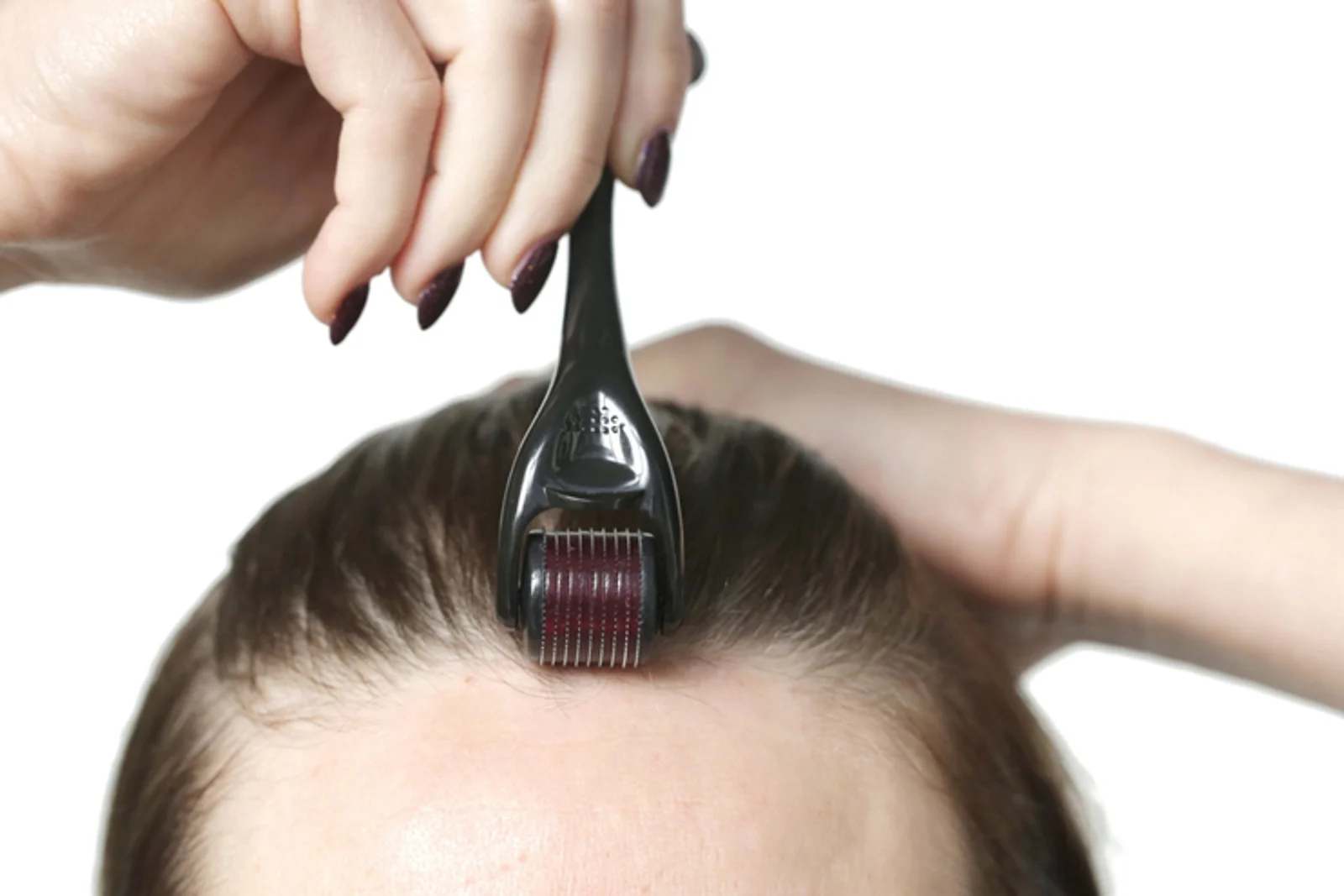
Non-surgical hair regeneration encompasses a variety of treatments that aim to stimulate existing hair follicles or improve the scalp environment without surgery. Common options include:
PRP (Platelet-Rich Plasma) injections
Microneedling with growth factors
Low-Level Laser Therapy (LLLT)
Topical serums with peptides and stem cell-derived factors
These treatments don’t transfer hair — they aim to awaken or strengthen dormant follicles.
Why Choose Regenerative Treatments?
This path can be ideal when:
Hair thinning is early or moderate
Hair follicles are still present but weak
You want a less invasive start
You’re not ready for a surgical timeline
Benefits:
Minimal downtime
Can improve hair thickness and density
Often combined with other treatments
Works well in early-stage hair loss
Considerations:
Results vary widely between individuals
Requires repeat sessions for maintenance
Best when follicles are still active
For example, PRP uses your own platelets to release growth factors directly into the scalp. This can promote local blood flow and follicle health. But if a region already lacks viable follicles — or if density loss is advanced — PRP alone won’t rebuild what’s gone.
Side-by-Side: Hair Transplant vs. Regeneration
Feature | Hair Transplant | Non-Surgical Regeneration |
|---|---|---|
Invasiveness | Surgical | Minimally invasive |
Recovery | Moderate (days to 2 weeks) | Minimal (hours to 24 hrs) |
Longevity of Results | Permanent | Variable, requires maintenance |
Best For | Moderate to advanced hair loss | Early or mild thinning |
Cost Range | Higher upfront | Lower per session, higher over time |
Naturalness | High when planned well | Subtle enhancement |
The cleanest way to think about the difference is:
Hair transplant: structural re-creation of hair where it’s missing.
Regeneration: functional improvement of existing but weakening hair.
In clinical planning, these approaches aren’t always mutually exclusive. Many patients benefit from a hybrid strategy — regenerative care before and after surgery to strengthen outcomes and support healing.
What I Tell Patients in Consultation
When people ask whether to do a hair transplant or regenerative therapy first, I always start with two questions:
1. What are your goals — natural density, complete restoration, or early improvement?
Some patients want subtle encouragement for their existing hair. Others want the most noticeable correction possible.
2. How long has the hair loss been progressing?
Hair that’s been thinning for a few years is usually past the point where waking it up alone will suffice.
After those questions, we do a scalp evaluation — including hair counts, donor density assessment, and often imaging. Only with this information can we recommend confidently.
Realistic Expectations Matter
One of the biggest misconceptions isn’t about the procedures — it’s about timelines.
With PRP or microneedling, most patients see subtle improvement after 3–4 sessions, often spaced monthly. Hair shafts thicken, shedding slows, and new fine hairs may appear. But the change is gradual.
With a hair transplant, the newly placed grafts enter a resting phase first. You may see shedding before regrowth begins around 3–4 months, with significant improvement by 8–12 months.
Both paths require patience. There’s no instant-fix magic, only biology working at its own pace.
Combining Therapies: A Balanced Approach

At Arke Clinic in Seoul, we often recommend a combined protocol:
Before the Transplant
PRP or microneedling sessions to optimize scalp health
Evaluate nutritional and hormonal contributors
After the Transplant
Continued regenerative therapy to support graft survival
Low-level laser therapy for overall follicle stimulation
This isn’t a sales tactic — it’s a strategy grounded in understanding hair physiology. Think of it like preparing soil before planting a tree, then watering it after. You improve the environment and the graft success.
Personalized Care Is the Difference
The biggest value you’ll get from a consultation at a clinic in Gangnam or Seoul isn’t the treatment name — it’s the planning.
A customized plan accounts for:
Your age and lifestyle
Pattern and cause of hair loss
Donor area quality
Expectations and budget
Long-term maintenance
In my experience, patients who enter with educated questions and open expectations feel calmer, more confident, and much happier with their results.
Safety and Side Effects
Hair transplant risks are low with an experienced surgeon, but they include:
Mild discomfort
Temporary swelling
Crusting or numbness that resolves
Non-surgical regeneration has an even gentler profile — though improper technique or poor hygiene can cause irritation or minimal discomfort.
At a trusted clinic like Arke in Gangnam, safety isn’t just a box checked — it’s integrated into every step, from anesthesia to after-care.
Cost Considerations: Value Over Price
It’s tempting to choose based on price alone, but that’s often the fastest way to be disappointed.
Hair transplant typically costs more upfront but is a long-lasting investment.
Regenerative therapy may seem cheaper per session, but ongoing treatments over years can add up.
Ask not just “What’s cheaper?” but “What will I need for results I’ll be happy with?”
Making the Right Choice for You
Here’s how to think about it:
If your hairline or crown shows clear recession and density loss, a hair transplant in Seoul or Gangnam is likely the most effective structural solution.
If thinning is early, diffuse, or you want to delay progression, non-surgical regeneration can be a smart, gentle start.
If you want the best of both worlds, a hybrid plan ensures both structural correction and biological support.
And if you’re wondering “Will it look natural?” — you’re not alone. The answer lies less in the name of the treatment and more in the expertise of the clinician, the planning, and how well your expectations align with realistic outcomes.
Final Thought
Choosing between hair transplant and non-surgical regeneration isn’t a quick checkbox. It’s a personalized journey — one that deserves clarity, compassion, and evidence-based planning.
If you’ve been considering treatment for hair loss, consult with a trusted specialist in Gangnam or Seoul who can assess your unique pattern and craft a long-term plan. Whether you lean toward a transformative hair transplant or a regenerative protocol to strengthen what you have, the goal is the same: a result that feels natural, confident, and authentically you.
More Medical Articles
Continue reading expert guides on procedure planning, anatomy, and post-operative care.

Lower Blepharoplasty: Minimally Invasive vs. Surgical Eye Outcomes
Lower Blepharoplasty: Minimally Invasive vs. Surgical Eye Outcomes Under-eye aging—characterized by puffiness (pseudo-herniation of fat) and dark circles—is a leading cosmetic concern among Koreans aged 30 to 70.
Learn More

Transconjunctival Blepharoplasty: No-Scar Recovery Benchmarks in Korea
Transconjunctival Blepharoplasty: No-Scar Recovery Benchmarks in Korea As South Korea’s demographic shifts toward a "super-aged" society—with those aged 65 and older projected to exceed 20% of the population by 2025—the demand for periorbital rejuvenation has…
Learn More

Healing the Heart: The Psychological Focus of Korean Revision Eye Surgery
Healing the Heart: The Psychological Focus of Korean Revision Eye Surgery In South Korea, often referred to as the "plastic surgery capital of the world," blepharoplasty (double eyelid surgery) is more than just a cosmetic trend; it is a cultural rite of…
Learn More