1:1 Customized Plastic Surgery & Aesthetic Medicine in Gangnam, Seoul — Led by Dr. In-Bae Kim
★ 5.0 Verified Patient Rating
en-US

Clinical Guide & Insights
Hair Regeneration Treatment: How Many Sessions Do You Need?
Discover how many sessions you need for effective hair regeneration treatment. Learn what to expect and start your journey to fuller hair today!
Schedule a ConsultationIntroduction
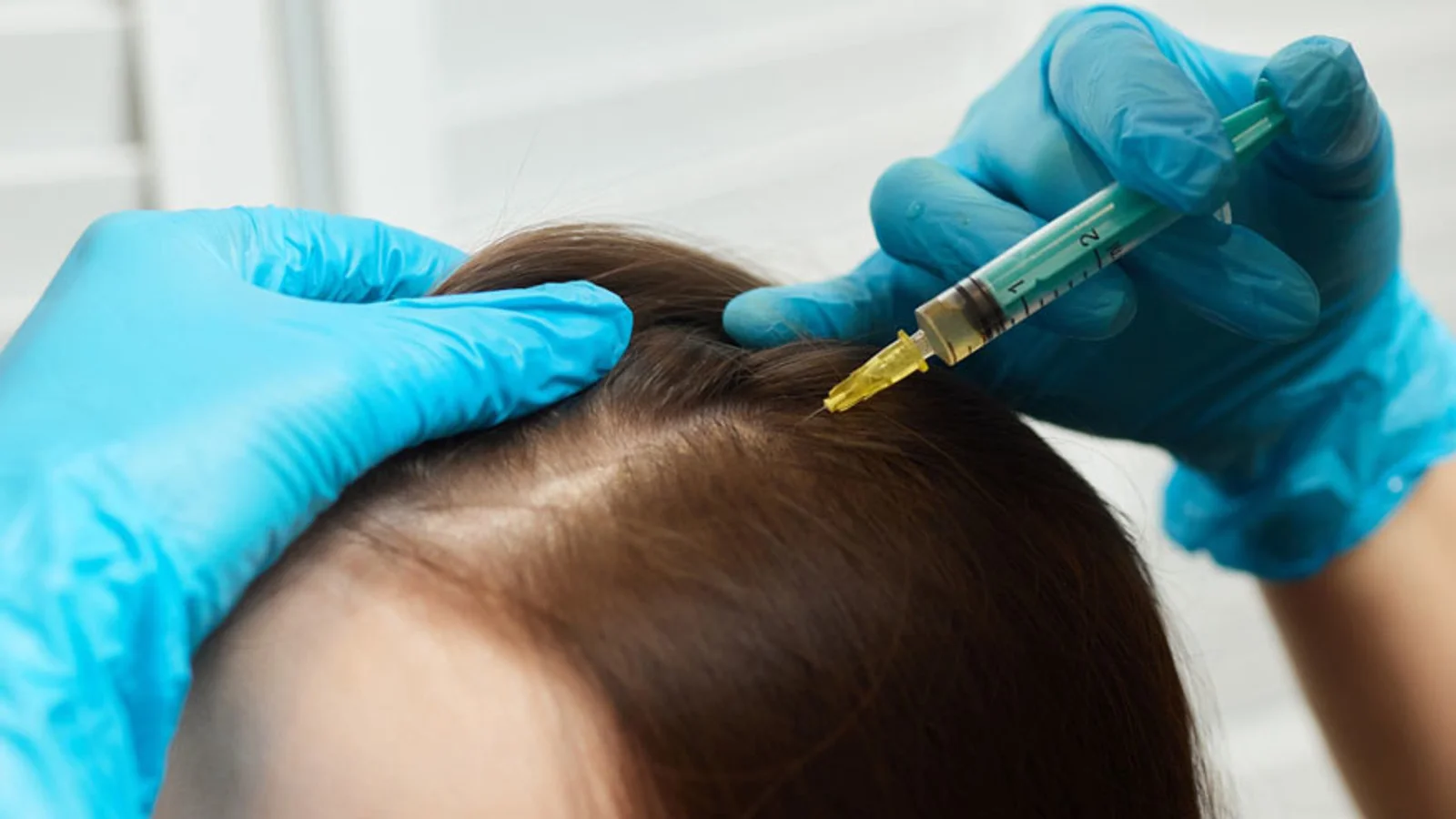
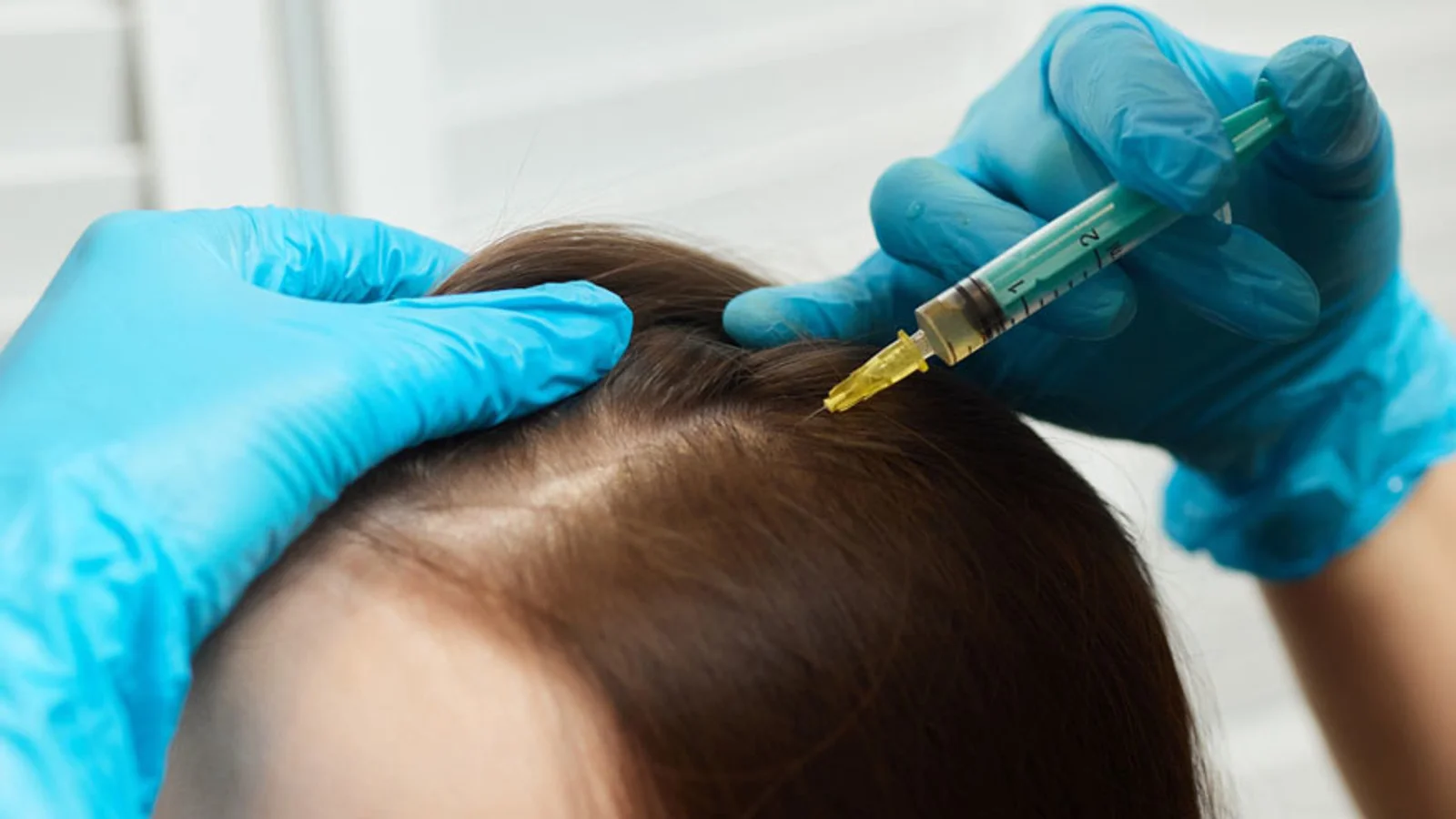
If you’re exploring hair regeneration treatment, you’ve likely already encountered a wide range of answers online. Some clinics promise visible regrowth in one visit. Others recommend long, open-ended treatment plans without clear explanations.
So it’s only natural to ask the most important — and most practical — question:
“How many sessions will I actually need to see results?”
To be honest, this is one of the very first questions patients ask during consultations at Arke Clinic in Gangnam. And while it’s a reasonable question, the answer is rarely a fixed number. Hair regeneration is not a one-time cosmetic procedure. It’s a biological recovery process, influenced by genetics, scalp health, hormonal activity, lifestyle habits, and — critically — how early treatment begins.
Understanding this difference is the first step toward realistic expectations and better outcomes.
Understanding Hair Regeneration: Why Multiple Sessions Matter
Hair regeneration treatments are designed to revive weakened hair follicles, not to create new ones. This distinction is essential. Every person is born with a finite number of hair follicles, and once a follicle has completely died, no injection or device can bring it back.
What regenerative therapy can do is support follicles that are still alive but underperforming — follicles that have become thinner, shorter, or slower due to genetic sensitivity, inflammation, or reduced blood supply.
A helpful analogy many patients relate to is this:
Hair follicles are like soil that has gradually lost nutrients. One round of watering won’t restore the soil’s health. It requires repeated, consistent care to improve its condition over time.
Most regenerative hair treatments used in Seoul — including PRP, stem cell–based approaches, and growth factor injections — rely on cumulative biological stimulation. Each session enhances circulation, reduces inflammatory stress, and delivers regenerative signals that build on previous treatments.
What many patients overlook is this important point:
Stopping treatment too early is one of the most common reasons people feel hair regeneration “didn’t work.”
In many cases, follicles were responding — just not given enough time or stimulation to complete the cycle.
Common Hair Regeneration Treatments Used in Seoul
Although techniques vary between clinics, reputable hair clinics in Gangnam typically focus on a small group of evidence-based regenerative treatments. Each targets follicle health in a slightly different way, but all follow similar treatment principles.
PRP (Platelet-Rich Plasma)
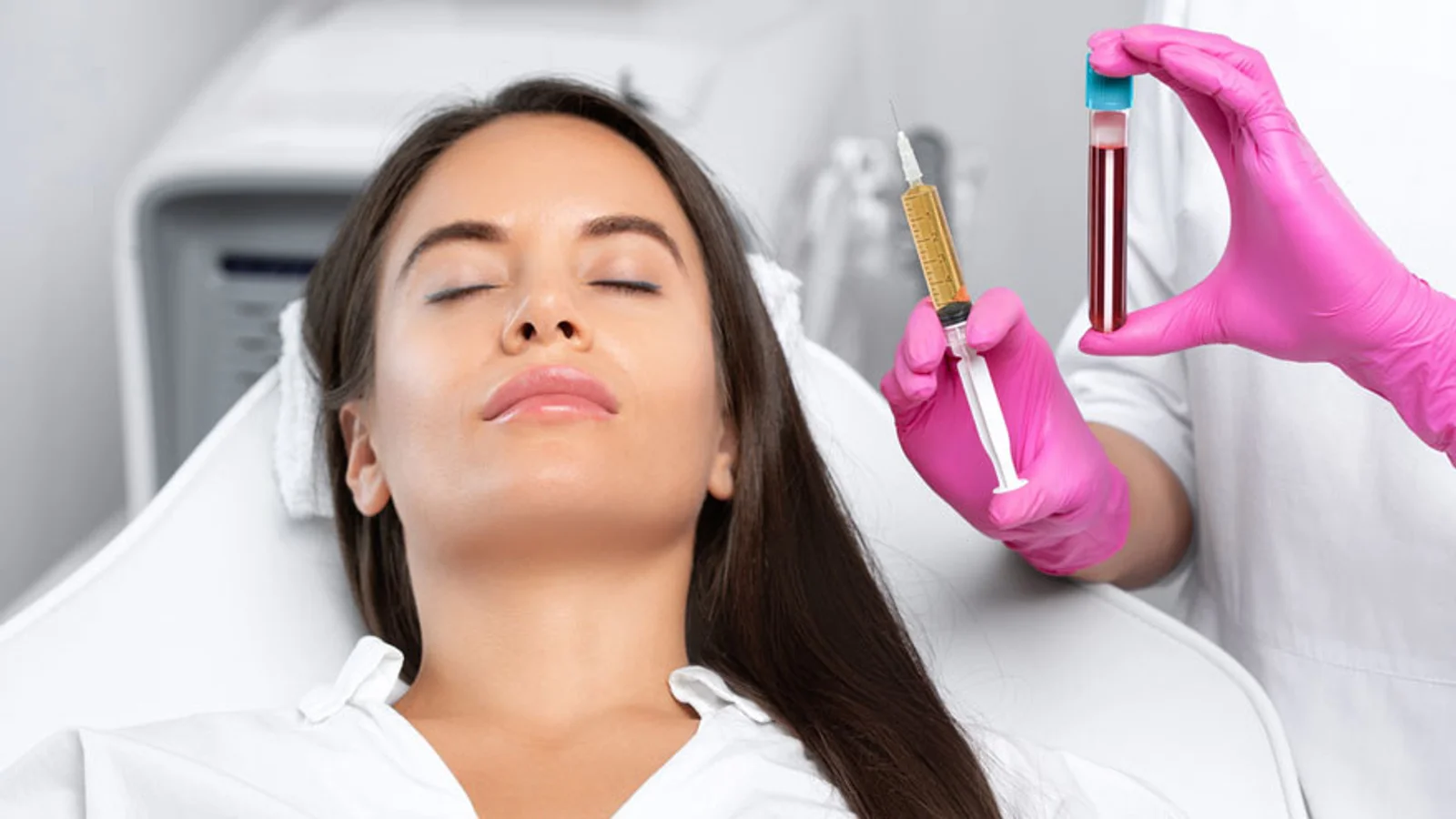
PRP uses growth factors derived from the patient’s own blood. These growth factors are known to support cell repair, improve microcirculation, and extend the growth phase of hair follicles. PRP is especially effective for patients with early thinning or diffuse shedding.
Stem Cell–Based Hair Regeneration
Stem cell–based treatments focus on improving the follicular environment rather than forcing growth. These therapies deliver regenerative signals that help repair damaged follicle surroundings, improve scalp elasticity, and reduce chronic inflammation that interferes with growth.
Growth Factor or Exosome Therapy
This approach delivers highly concentrated signaling proteins that help “communicate” with dormant follicles. These treatments are often used when inflammation or scalp aging plays a significant role in hair loss.
While the technology differs, the treatment logic remains the same: repeated stimulation over time leads to gradual, measurable improvement.
How Many Sessions Do You Actually Need?
The Short Answer
Most patients require 3 to 6 initial sessions, followed by ongoing maintenance treatments.
The Medical Reality
The correct number of sessions depends on:
The stage of your hair loss
How many follicles remain viable
Your individual biological response
Contributing factors such as hormones and scalp condition
There is no universally correct number. There is only a correct plan for your scalp at this point in time.
This is why ethical clinics avoid selling fixed packages without proper diagnosis.
Hair Loss Stage vs. Recommended Sessions
Early-Stage Hair Thinning
(Excessive shedding, mild recession, thinning part line)
Sessions: 3–4
Interval: Every 3–4 weeks
Purpose: Strengthen follicles before permanent miniaturization
Patients at this stage often experience the most rewarding outcomes. Because follicles are still relatively healthy, regenerative signals are absorbed more efficiently. Many patients notice reduced shedding and improved texture within the first two months.
This is also the stage where hair regeneration can delay or prevent the need for surgical intervention.
Moderate Hair Loss
(Visible scalp, crown thinning, widening part)
Sessions: 4–6
Interval: Every 3–4 weeks
Purpose: Reactivate weakened follicles and slow progression
This is the most common group seeking hair regeneration treatment in Gangnam. Results are usually gradual and layered: first, hair fall stabilizes; then hair diameter improves; finally, visible density increases.
Patients in this category often benefit from combining regenerative therapy with lifestyle adjustments or medical hair loss treatments for optimal outcomes.
Advanced Hair Loss
(Long-standing bald areas, shiny scalp)
Sessions: 6 or more (customized)
Purpose: Preserve remaining follicles and improve scalp environment
At this stage, honesty is essential.
Hair regeneration cannot revive follicles that are already dead.
However, regenerative therapy still plays an important role by strengthening remaining hair and improving scalp health — especially when combined with hair transplantation. In these cases, regeneration supports graft survival and improves overall scalp quality.
Why One Session Is Never Enough
Hair grows according to a biological cycle:
Anagen (growth phase)
Catagen (transition phase)
Telogen (resting phase)
At any given time, only a portion of your hair is actively growing. Regenerative treatments must be delivered across multiple cycles to influence a meaningful number of follicles.
This is why expecting dramatic change from a single session often leads to disappointment.
As Dr. In-Bae Kim frequently explains to patients:
“Hair regeneration is closer to physical rehabilitation than a cosmetic injection. You don’t rebuild muscle with one gym visit.”
Consistency matters more than intensity.
When Will You See Results?

Hair regeneration rewards patience. While the process is slow, it follows a predictable biological timeline.
Typical progression:
1–2 months: Reduced shedding, improved scalp comfort
3–4 months: Emergence of baby hairs, increased thickness
6 months: Noticeable improvement in density
9–12 months: Peak results
One important reassurance:
The earliest positive sign is often less hair fall, not immediate regrowth. This indicates that follicles are stabilizing — a critical first step.
Are Maintenance Sessions Necessary?
Yes — and this is where long-term results are truly protected.
After completing the initial treatment series:
Maintenance: One session every 6–12 months
Purpose: Counteract ongoing genetic and hormonal hair loss
Maintenance doesn’t mean starting over. It simply helps maintain the healthier follicular environment you’ve created. Skipping maintenance allows natural hair loss patterns to resume gradually.
Factors That Affect How Many Sessions You Need
During proper consultation, experienced clinics evaluate far more than surface-level hair density. Important factors include:
Genetic hair loss pattern
Hormonal sensitivity, especially to DHT
Chronic scalp inflammation or seborrheic conditions
Stress levels, sleep quality, and nutrition
Smoking, alcohol consumption, and metabolic health
These variables explain why two patients with similar-looking hair loss may require very different treatment plans.
A Surgeon’s Perspective Many Clinics Don’t Share
Here’s an insight drawn from years of clinical experience:
Hair regeneration rarely fails suddenly — it fails quietly when expectations are unrealistic.
Patients who expect full restoration from regenerative therapy alone often feel dissatisfied.
Patients who understand it as preservation plus improvement tend to be far more satisfied with their results.
At Arke Clinic, treatment plans are designed around honesty — even when that means recommending fewer sessions or advising surgical options when regeneration alone isn’t enough.
Is Hair Regeneration Worth It?
Hair regeneration treatment is particularly well suited for patients who:
Are in early to moderate stages of hair loss
Want to delay or avoid surgery
Prefer gradual, natural-looking improvement
Are willing to commit to a structured plan
Like most regenerative medicine, it rewards consistency, patience, and realistic expectations.
Final Thoughts
Hair regeneration is not about chasing quick fixes or marketing promises. It’s about working with your biology over time, not forcing results that your follicles cannot deliver.
If you’re considering hair restoration or regenerative treatment in Gangnam, the most important decision isn’t how many sessions you purchase — it’s choosing a clinic that evaluates your scalp with honesty, medical insight, and long-term care in mind.
A personalized, one-to-one consultation at Arke Clinic Gangnam can help you understand not just how many sessions you need, but why — and what outcomes are realistically achievable for you.
More Medical Articles
Continue reading expert guides on procedure planning, anatomy, and post-operative care.

Lower Blepharoplasty: Minimally Invasive vs. Surgical Eye Outcomes
Lower Blepharoplasty: Minimally Invasive vs. Surgical Eye Outcomes Under-eye aging—characterized by puffiness (pseudo-herniation of fat) and dark circles—is a leading cosmetic concern among Koreans aged 30 to 70.
Learn More

Transconjunctival Blepharoplasty: No-Scar Recovery Benchmarks in Korea
Transconjunctival Blepharoplasty: No-Scar Recovery Benchmarks in Korea As South Korea’s demographic shifts toward a "super-aged" society—with those aged 65 and older projected to exceed 20% of the population by 2025—the demand for periorbital rejuvenation has…
Learn More

Healing the Heart: The Psychological Focus of Korean Revision Eye Surgery
Healing the Heart: The Psychological Focus of Korean Revision Eye Surgery In South Korea, often referred to as the "plastic surgery capital of the world," blepharoplasty (double eyelid surgery) is more than just a cosmetic trend; it is a cultural rite of…
Learn More