1:1 Customized Plastic Surgery & Aesthetic Medicine in Gangnam, Seoul — Led by Dr. In-Bae Kim
★ 5.0 Verified Patient Rating
en-US

Clinical Guide & Insights
Hair Loss in Women: Why It Happens & How to Treat It
Discover the causes of hair loss in women and explore effective treatments to restore healthy hair. Learn why it happens and how to stop it today.
Schedule a ConsultationIntroduction
Written with the clinical perspective of Arke Clinic Plastic Surgery and Aesthetic, Gangnam, Seoul
Most women who walk into our clinic in Gangnam don’t come in saying, “I’m losing my hair.” They say something softer, almost apologetic: “My ponytail feels thinner.”
Or, “I used to love my hair… now I avoid looking in the mirror.”
Female hair loss rarely happens overnight. It creeps in quietly — widening part lines, a little shedding on the pillow, a scalp that suddenly shows through in bright bathroom lighting. And unlike men, who often expect some degree of hair thinning as they age, women tend to feel blindsided. There’s an emotional weight to it that many medical explanations fail to address.
From the standpoint of a clinic that deals daily with aesthetic confidence — from facial rejuvenation in Seoul to blepharoplasty in Gangnam — hair loss is one of the most intimate concerns we see. You can hide swelling after eyelid surgery, but you can’t hide hair thinning from yourself.
This article breaks down why hair loss happens in women and how modern, medically grounded treatments actually work. My goal is to give you clarity, not clichés — the same clarity we offer patients who visit Arke Clinic for personalized, evidence-based care.
Why Hair Loss in Women Happens: The Real Medical Picture
To be honest, most women assume hair loss is simply genetic or age-related. But in Korea — and especially in busy neighborhoods like Gangnam where stress levels run high — the causes are often layered. It’s rarely just one thing.
1. Hormonal fluctuations: the quiet, persistent disruptor
Female hormones influence the length, density, and stability of the hair growth cycle. When estrogen drops or fluctuates, hair enters a shedding phase more easily. The most common hormonal triggers include:
Postpartum changes
Perimenopause and menopause
Stopping or starting hormonal contraception
Thyroid imbalances
We often describe hormones as the “conductor” of the hair orchestra. When the conductor is out of rhythm, the entire performance feels off.
2. Androgenic alopecia — yes, women get it too
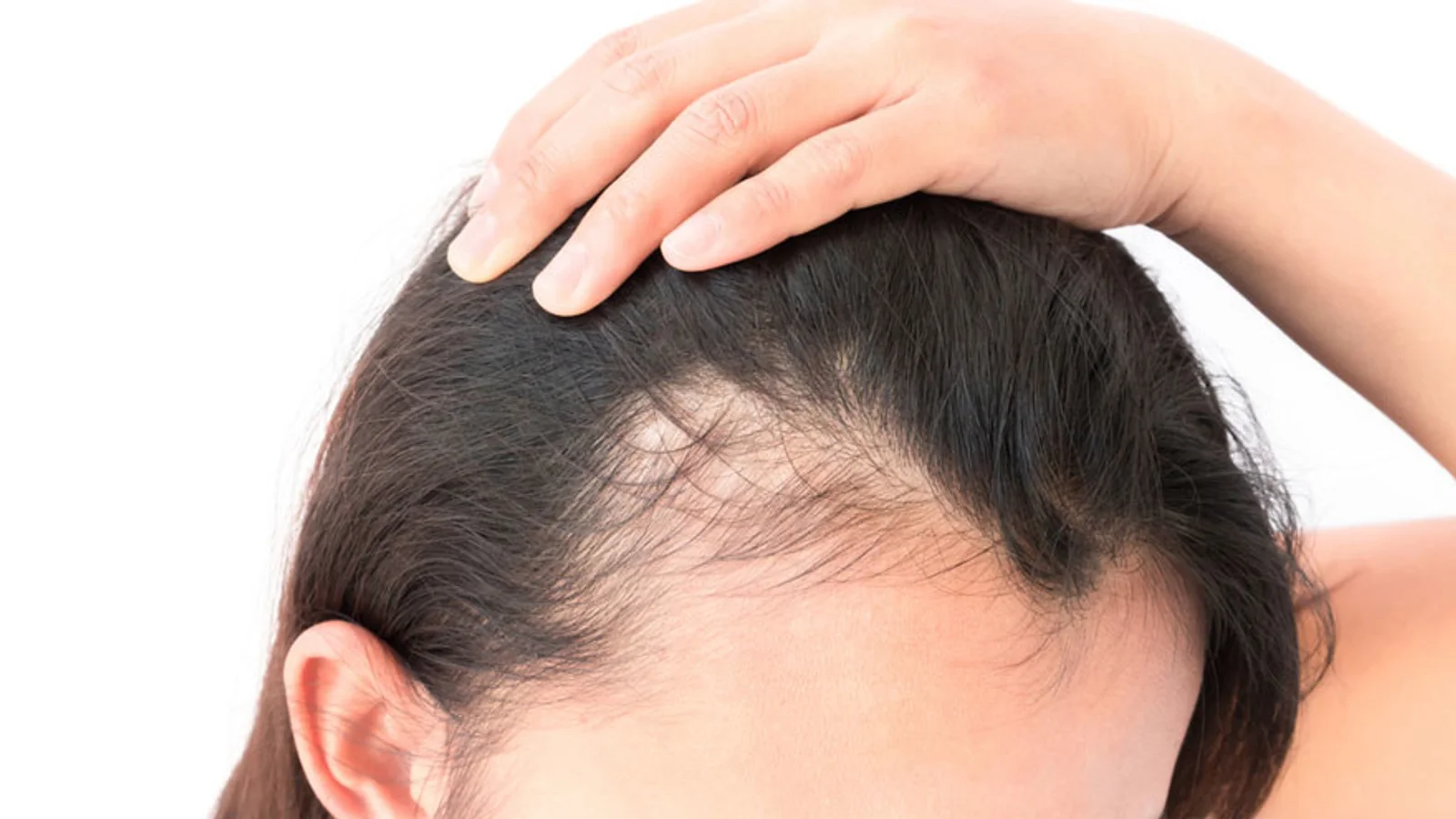
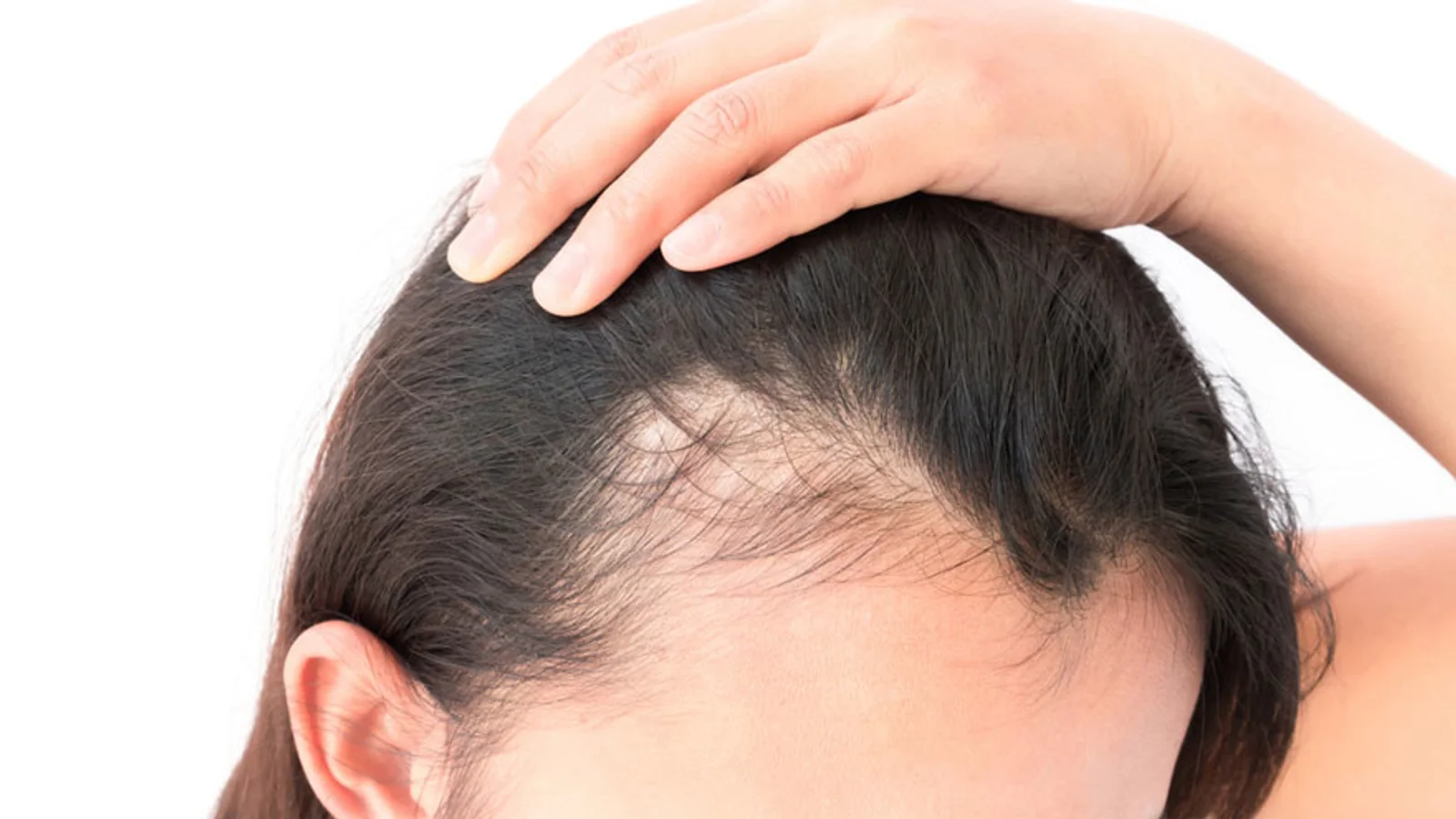
This is the female version of hereditary hair thinning. Unlike in men, where the hairline visibly recedes, women experience diffuse thinning across the crown. Patients often say, “I think my scalp is getting shinier,” before they realize it's pattern hair loss.
3. Stress and lifestyle patterns common in urban centers like Seoul
Korea’s fast-paced culture plays a role — long work hours, irregular meals, and chronic stress can push hair follicles into a temporary shutdown known as telogen effluvium. The good news? This type of hair loss is often reversible with the right care.
4. Nutrition gaps — subtle but impactful
Low iron, inadequate protein, and vitamin deficiencies can all disrupt hair growth. Many women don’t realize that hair is biologically “optional” — when the body faces stress or lacks nutrients, hair is one of the first systems to lose support.
5. Autoimmune or inflammatory conditions
Conditions like alopecia areata, seborrheic dermatitis, and lupus can cause patchy or diffuse shedding. These require accurate diagnosis — something we emphasize strongly during consultations at Arke Clinic Gangnam.
6. Over-styling and harsh cosmetic treatments
Korean beauty culture values polished, glossy hair — but repeated coloring, perming, and heat exposure can damage follicles and weaken the support structure around the hair shaft.
How Women’s Hair Loss Actually Works: A Surgeon’s Perspective
Patients often ask us: “If the hair is falling out now, does that mean it’s too late?”
Fortunately, the answer is usually no.
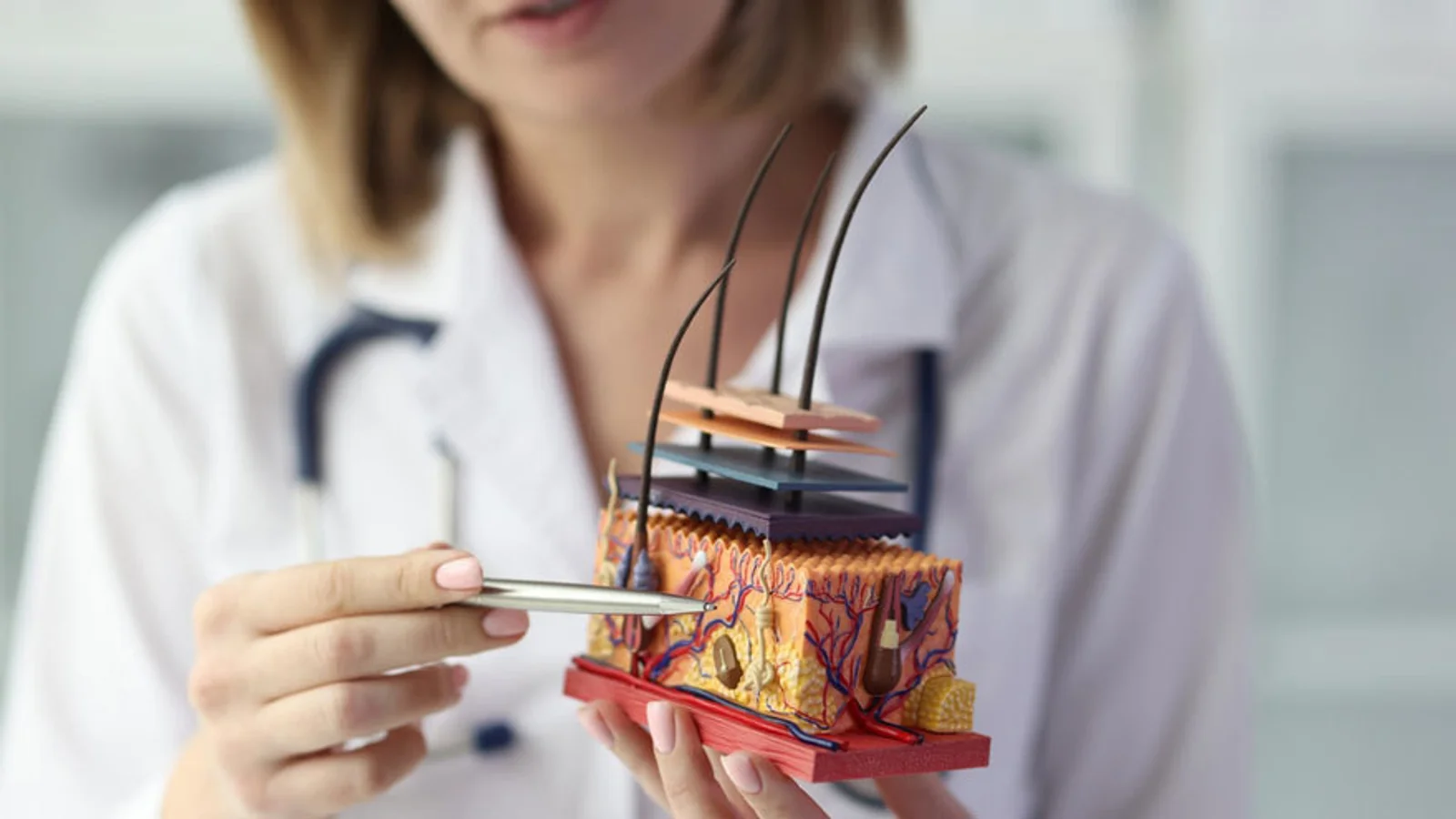
Hair cycles through phases — growth, rest, and shedding — and many women simply see a temporary shift in this cycle. Understanding this is important because effective treatment focuses on reawakening dormant follicles, not just preventing loss.
A detail patients rarely hear:
Most women still have viable follicles even when thinning is advanced.
They’re miniaturized, not dead — and that distinction is what allows modern treatments to work.
At Arke Clinic, especially when treating women visiting for facial rejuvenation or skin procedures, we often integrate scalp diagnostics to identify:
Follicle density
Miniaturization patterns
Signs of inflammation
Sebaceous gland activity
Blood flow quality
This level of precision lets us design treatment plans that feel less like “trial and error” and more like targeted medical care.
Treatment Options: From Mild Thinning to Significant Loss
There is no universal “fix,” and any clinic that claims one product solves everything is not being fully honest. Female hair loss responds best to a layered approach — gentle, consistent, and targeted.
Below are the most medically validated treatments, explained as we would to a patient in a consultation room overlooking Gangnam’s cityscape.
Topical treatments: The first line for many women
Minoxidil remains the most studied topical treatment for female pattern hair loss. It increases blood flow and prolongs the growth phase of follicles.
What patients often overlook is that consistency matters more than concentration. Even 2% or 3% solutions can be effective when used steadily for 3–6 months. Some patients hesitate because they fear increased initial shedding, but that’s simply dormant hairs pushing out — a temporary and normal phase.
Oral medications tailored for women
Under proper medical guidance, oral options can greatly enhance results:
Low-dose oral minoxidil (a growing trend in Korea due to good tolerability)
Spironolactone (helps reduce androgenic effects on follicles)
Finasteride or dutasteride (only suitable for select female patients; must be prescribed cautiously)
A key insight:
Many women respond better to combination therapy than to a single medication.
This is especially true for patients in their 40s and 50s experiencing hormonal shifts.
Nutrition and supplements — supportive but impactful
Iron supplementation for ferritin deficit
High-quality protein intake
Omega-3 and anti-inflammatory nutrients
While supplements cannot reverse genetic hair loss, they can create the biological environment needed for regrowth treatments to succeed.
Scalp-focused dermatology treatments (popular in Seoul facial rejuvenation clinics)
Because Arke Clinic also treats skin quality and anti-aging, we often integrate scalp therapies into broader aesthetic plans. These may include:
Growth factor injections
PRP (platelet-rich plasma)
Laser stimulation therapy
Microneedling with exosomes
Patients often describe these treatments as “reviving the soil so the roots can grow again.” It’s a fitting analogy — the scalp truly behaves like a biological foundation.
Hair transplant surgery for women: Natural, subtle, and increasingly popular
Women are often surprised to learn that hair transplantation—especially micro-FUE techniques—has advanced dramatically in Seoul. In the past, hair transplants were associated with men and with noticeable “pluggy” results. But modern Korean techniques prioritize:
Soft density distribution
Natural part-line reconstruction
Preservation of the existing hair
One detail I always emphasize in consultation: women require a different aesthetic vision than men. The goal isn’t to change their identity — it’s to restore harmony without creating heavy, masculine density patterns. It’s the same philosophy we apply in facial plastic surgery in Gangnam: refine, don’t overwhelm.
Emotional Weight: What Most Medical Articles Forget to Acknowledge
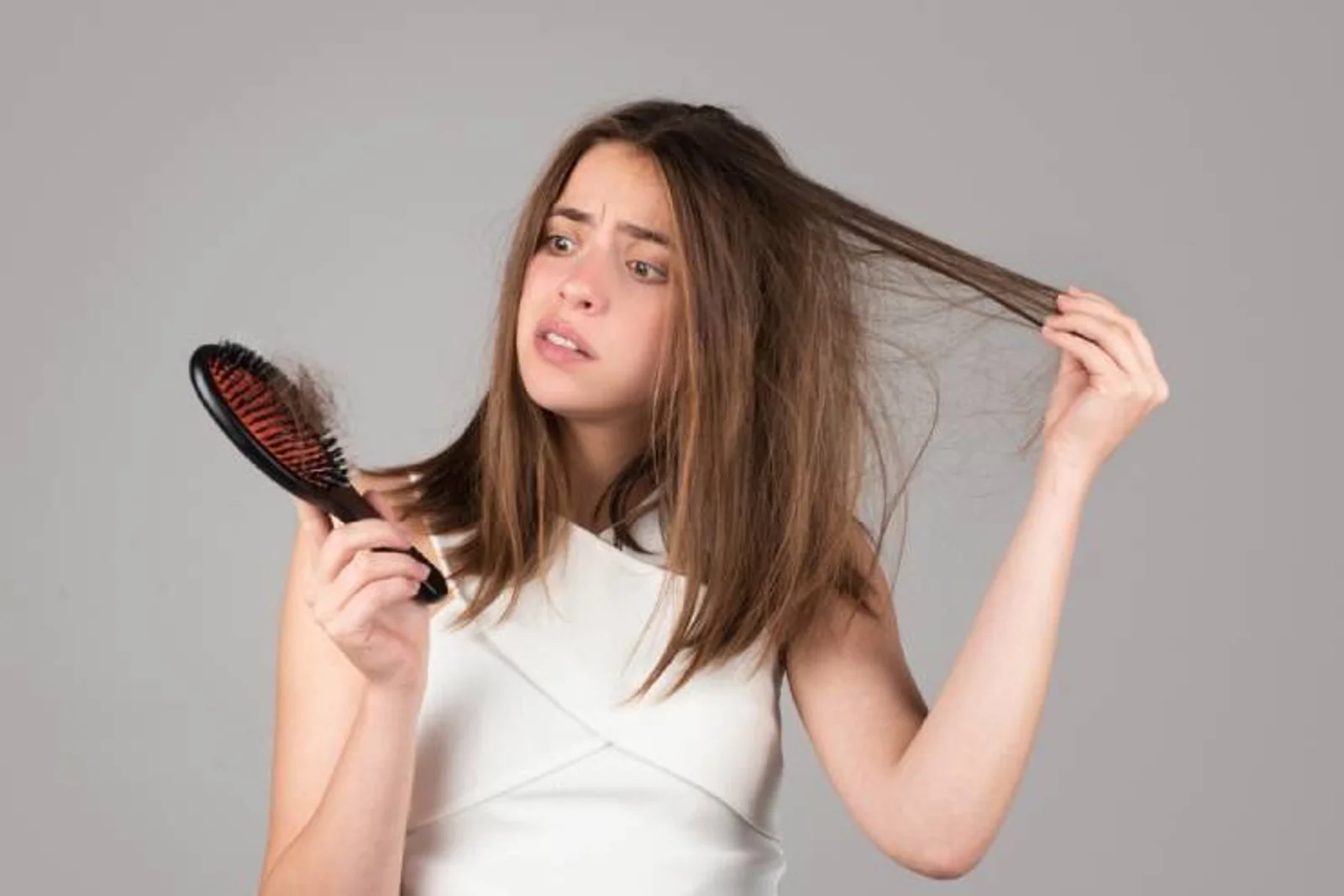
Hair loss does not simply change appearance. It changes routines, self-image, even social comfort. Many patients delay seeking treatment because they feel embarrassed — a hesitation we see far more often in female patients than in men.
But here’s the reassuring truth:
Hair loss is treatable in most cases, especially when addressed early.
At Arke Clinic, Dr. In-Bae Kim often reminds patients that the goal isn’t just regrowth — it’s restoring a sense of normalcy. The same thoughtful, patient-first philosophy that guides our facial rejuvenation and rhinoplasty patients applies equally to hair loss care.
Creating a Personalized Treatment Plan: How We Approach It at Arke Clinic Gangnam
Every woman’s hair loss pattern has a story. Genetics, hormones, lifestyle, scalp health — these interact like pieces of a puzzle. That’s why we dedicate significant time to diagnosis before prescribing anything.
A typical personalized plan might include:
Scalp imaging and follicular analysis
Blood tests to identify hormonal or nutritional contributors
Discussion of styling habits
Design of a layered treatment plan (topicals, oral meds, regenerative therapies)
Follow-up timelines tailored to the patient’s goals
Patients who come to us for facial rejuvenation in Seoul often appreciate this approach because it mirrors high-quality aesthetic planning: precise, empathetic, and long-term.
What You Can Expect Over Time
Hair restoration is not instant — and honesty is essential.
1–3 months: Reduced shedding, healthier scalp
3–6 months: Early regrowth, slight thickening
6–12 months: Noticeable improvement in density
12+ months: Full maturation of results
Think of it like restoring an old painting. The early steps feel subtle — cleaning, preparing, stabilizing. Only later does the beauty reveal itself.
If You’re Starting to Notice Thinning…
You're not alone. Millions of women experience hair loss, and in Seoul — with its demanding work culture and high aesthetic standards — the issue is far more common than people admit.
If you’re unsure where to begin, a careful consultation is the best first step. Whether you visit Arke Clinic or another trusted medical center, look for:
Thorough diagnostic testing
Clear explanation of treatment options
A personalized plan instead of a one-size-fits-all product
A clinic with experience treating both local and international patients
If you're curious about your own hair changes or have been considering treatment, feel free to reach out to Arke Clinic in Gangnam for a detailed, one-on-one consultation. Our philosophy has always been the same: precise medical care, natural results, and a patient-first mindset.
More Medical Articles
Continue reading expert guides on procedure planning, anatomy, and post-operative care.

Lower Blepharoplasty: Minimally Invasive vs. Surgical Eye Outcomes
Lower Blepharoplasty: Minimally Invasive vs. Surgical Eye Outcomes Under-eye aging—characterized by puffiness (pseudo-herniation of fat) and dark circles—is a leading cosmetic concern among Koreans aged 30 to 70.
Learn More

Transconjunctival Blepharoplasty: No-Scar Recovery Benchmarks in Korea
Transconjunctival Blepharoplasty: No-Scar Recovery Benchmarks in Korea As South Korea’s demographic shifts toward a "super-aged" society—with those aged 65 and older projected to exceed 20% of the population by 2025—the demand for periorbital rejuvenation has…
Learn More

Healing the Heart: The Psychological Focus of Korean Revision Eye Surgery
Healing the Heart: The Psychological Focus of Korean Revision Eye Surgery In South Korea, often referred to as the "plastic surgery capital of the world," blepharoplasty (double eyelid surgery) is more than just a cosmetic trend; it is a cultural rite of…
Learn More