1:1 Customized Plastic Surgery & Aesthetic Medicine in Gangnam, Seoul — Led by Dr. In-Bae Kim
★ 5.0 Verified Patient Rating
en-US


Clinical Guide & Insights
Gynecomastia Surgery in Korea: Recurrence Rates and Long-Term Outcomes
Gynecomastia Surgery in Korea: Recurrence Rates and Long-Term Outcomes The prevalence of gynecomastia—the enlargement of glandular breast tissue in males—has seen a measurable uptick in South Korea over the last decade.
Schedule a ConsultationGynecomastia Surgery in Korea: Recurrence Rates and Long-Term Outcomes
The prevalence of gynecomastia—the enlargement of glandular breast tissue in males—has seen a measurable uptick in South Korea over the last decade. According to data trends from the National Health Insurance Service (NHIS), the number of men seeking medical intervention for breast enlargement has grown at an estimated annual rate of 5–8%, with a significant concentration of patients in their 20s and 30s.
For patients at Arke Clinic Plastic Surgery and Aesthetic, the primary concern is often not just the initial removal of tissue, but the permanence of the results. As more Korean men prioritize a "fit" and "masculine" chest contour, understanding the data behind recurrence rates and surgical outcomes is essential for making an informed decision about long-term care.
Why Does Gynecomastia Recur? Understanding the Korean Market Context
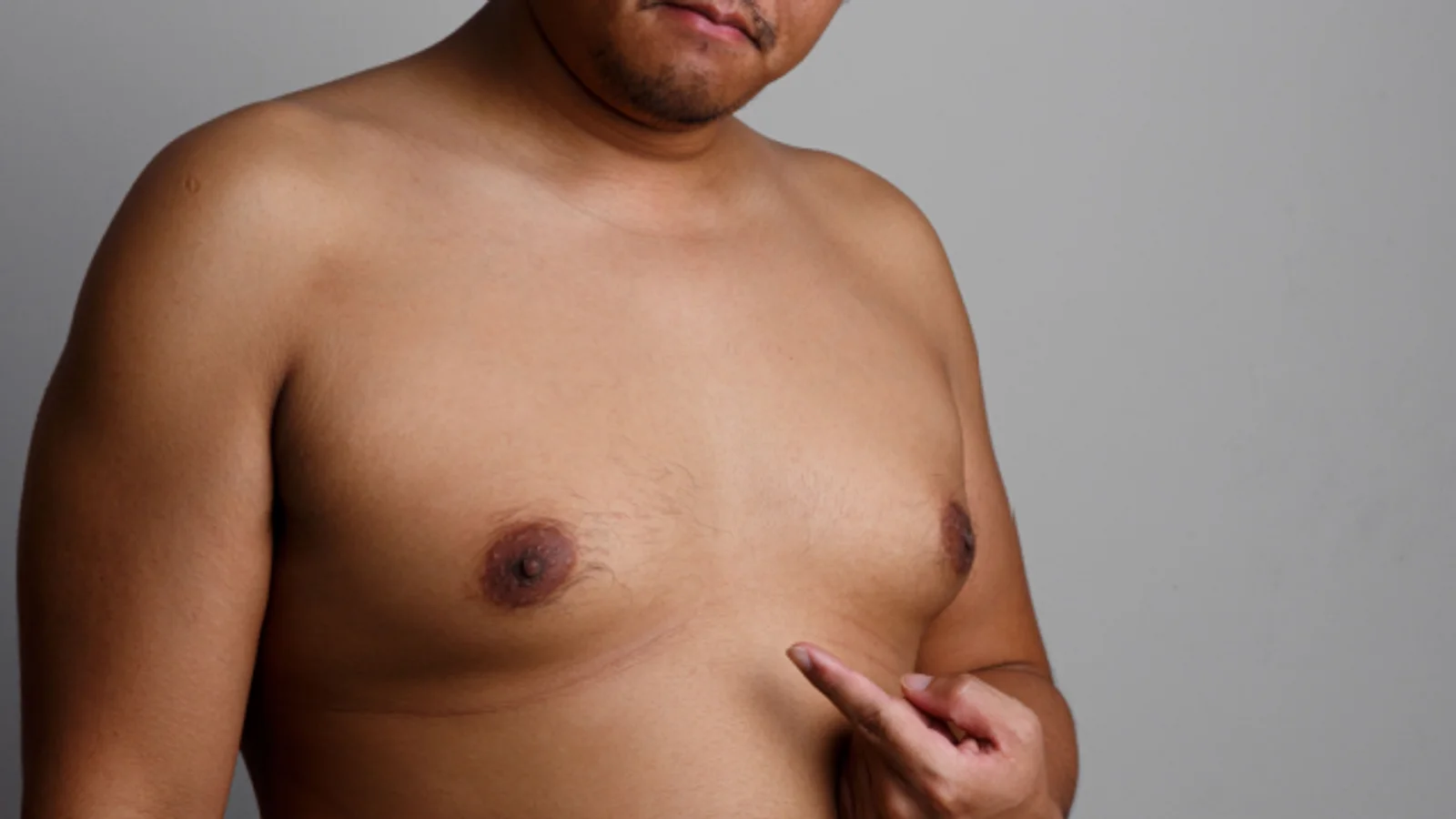
Gynecomastia is often categorized into "true" gynecomastia (glandular growth) and "pseudogynecomastia" (fat accumulation). While surgery is highly effective, international and Korean clinical observations suggest a small but notable recurrence or "dissatisfaction" rate ranging from 3% to 10%, depending on the surgical technique used.
What causes a "relapse" or poor outcome?
- Incomplete Glandular Removal: If a portion of the hard mammary gland is left behind to avoid a "sunken" nipple look, it may proliferate again if hormonal imbalances persist.
- Post-Operative Weight Gain: Significant fluctuations in body fat can lead to pseudogynecomastia, even after successful surgery.
- Hormonal Triggers: Continued use of certain medications, supplements, or underlying endocrine issues.
Standard Surgical Approaches and Their Limitations
In Korea, the standard treatment protocol typically involves a combination of liposuction and a periareolar excision (a small incision around the nipple).
Common Treatment Benchmarks in Korea
- Procedure Time: 1–2 hours.
- Hospitalization: Usually a same-day discharge (Day Surgery).
- Standard Cost Range: Approximately ₩2,500,000 to ₩5,000,000, depending on the severity (Simon’s Classification Grade I to III).
| Feature | Standard Liposuction/Excision | Key Limitation |
|---|---|---|
| Gland Removal | Manual excision | Risk of uneven contours or "cratering." |
| Skin Retraction | Natural healing | May result in sagging skin for Grade II/III patients. |
| Recovery | 1–2 weeks for light activity | Potential for seroma (fluid buildup) or bruising. |
The Triple-Layer Precision Approach: High-Precision Glandular Targeting
To address the limitations of conventional surgery, Arke Clinic emphasizes a Triple-Layer Precision Approach. This advanced method integrates high-definition liposuction, targeted glandular excision, and internal tissue remodeling to ensure a smooth, masculine contour with a minimized risk of recurrence.
How the Triple-Layer Precision Approach Works
Unlike standard excision, which may focus solely on removing the bulk of the tissue, this high-precision method focuses on:
- Vaser-Assisted Lipolysis: Using ultrasound energy to emulsify fat while preserving connective tissue, which promotes better skin tightening.
- Strategic Glandular Thinning: Instead of simple removal, the surgeon "sculpts" the remaining tissue to ensure a natural transition between the chest wall and the nipple.
- Internal Scar Management: Utilizing specialized energy-based devices post-excision to prevent the hard "lump" feeling often mistaken for recurrence.
Q: Is the Triple-Layer Precision Approach in Korea worth the cost?
A: While the initial investment may be higher than basic liposuction, the reduction in secondary "revision" surgeries—which can cost 1.5x more than the primary procedure—makes it a cost-effective choice. It specifically targets the root causes of patient dissatisfaction: uneven contours and glandular regrowth.
Data & Outcomes: Comparison of Surgical Paths
Recent Korean clinical reviews indicate that patients who undergo "combined therapy" (Liposuction + Excision) report significantly higher satisfaction scores (averaging 4.5/5.0) compared to those who undergo liposuction alone (3.2/5.0).
Outcome Comparison Table
| Metric | Conventional Liposuction | Triple-Layer Precision Approach |
|---|---|---|
| Recurrence Rate | ~7–10% (due to remaining gland) | <2% (targeted excision) |
| Skin Tightening | Moderate | High (Ultrasound-assisted) |
| Risk of "Crater" Nipple | Higher risk | Minimized via fat grafting/sculpting |
| Recovery to Gym | 4–6 weeks | 3–4 weeks |
Local Korea Insights: The "Quick-Return" Trend
Korean patients typically demand minimal downtime and discreet scarring. This has led to the "Weekend Gynecomastia" trend in Seoul, where procedures are performed on Fridays for a return to office work by Monday.
Furthermore, the Ministry of Food and Drug Safety (MFDS) and local healthcare regulations have streamlined the use of advanced surgical energy devices, making Korea a global hub for high-precision aesthetic surgery. Many patients choose Korean clinics like Arke for the "sculpted" look rather than just "de-bulking," reflecting the high aesthetic standards of the local market.
Where Arke Clinic Plastic Surgery and Aesthetic Fits in Gynecomastia Care
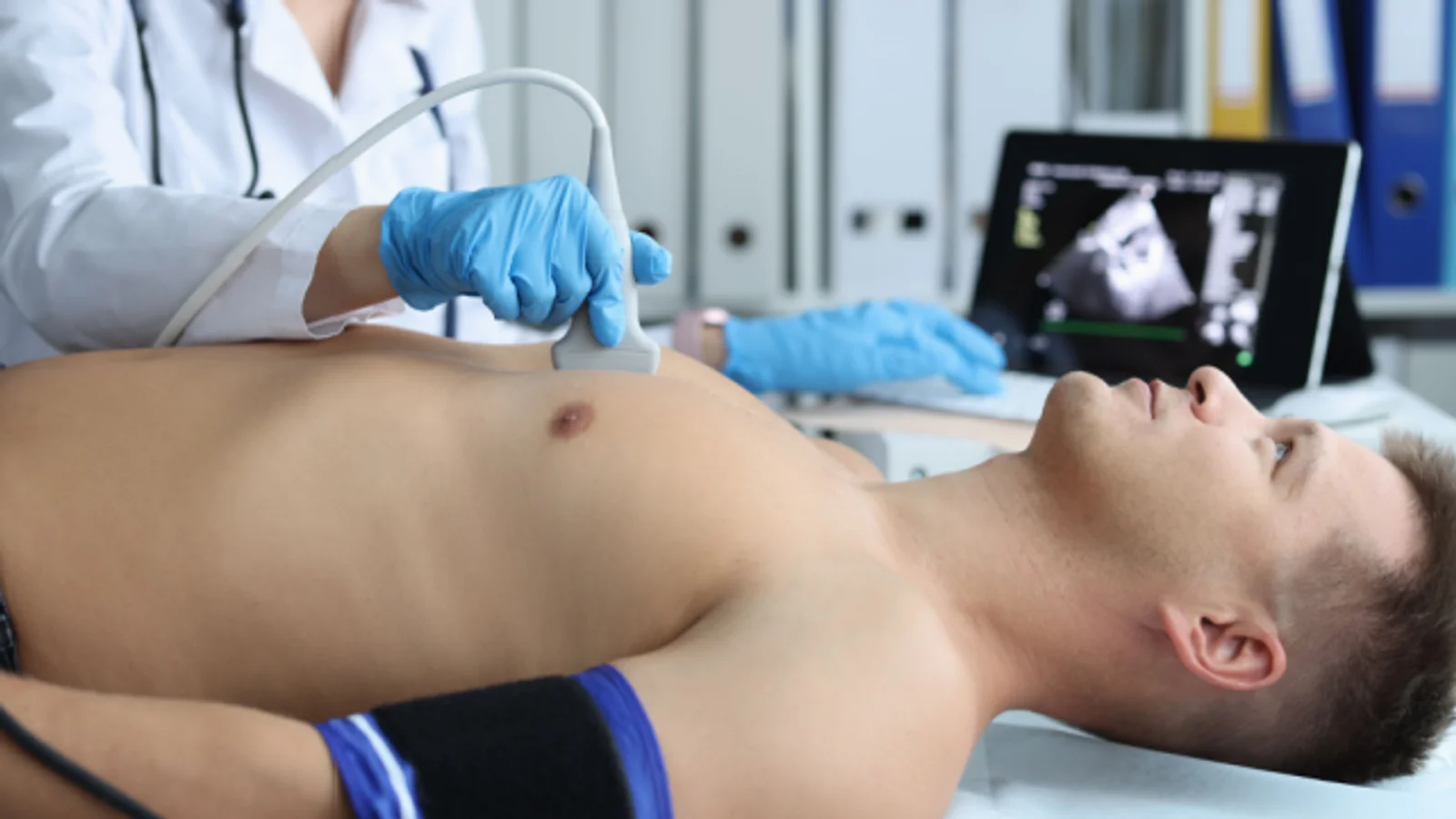
Arke Clinic Plastic Surgery and Aesthetic specializes in high-precision male chest contouring. We recognize that gynecomastia is not just a physical condition but a significant factor in psychological confidence.
- Our Protocol: We utilize the Triple-Layer Precision Approach for every grade of gynecomastia, ensuring that the glandular tissue is addressed at the root level.
- Expertise: Led by Dr. In-Bae Kim surgeon with over 15 years of experience in male aesthetic surgery and memberships in the Korean Society of Plastic and Reconstructive Surgeons (KSPRS).
- Follow-Up: Our clinic provides a dedicated post-operative swelling management program (high-frequency therapy) to accelerate recovery and optimize the final skin-to-muscle adhesion.
Conclusion
Gynecomastia is a manageable condition, but the risk of recurrence is real if the surgical approach is too conservative or lacks precision. While standard treatments remain effective for basic fat removal, the Triple-Layer Precision Approach offers a data-backed path toward a permanent, athletic chest contour with significantly lower revision rates.
Patients considering Gynecomastia Surgery in Korea can schedule a consultation at Arke Clinic to discuss whether the Triple-Layer Precision Approach is suitable for their specific grade and aesthetic goals.
More Medical Articles
Continue reading expert guides on procedure planning, anatomy, and post-operative care.

Lower Blepharoplasty: Minimally Invasive vs. Surgical Eye Outcomes
Lower Blepharoplasty: Minimally Invasive vs. Surgical Eye Outcomes Under-eye aging—characterized by puffiness (pseudo-herniation of fat) and dark circles—is a leading cosmetic concern among Koreans aged 30 to 70.
Learn More

Transconjunctival Blepharoplasty: No-Scar Recovery Benchmarks in Korea
Transconjunctival Blepharoplasty: No-Scar Recovery Benchmarks in Korea As South Korea’s demographic shifts toward a "super-aged" society—with those aged 65 and older projected to exceed 20% of the population by 2025—the demand for periorbital rejuvenation has…
Learn More

Healing the Heart: The Psychological Focus of Korean Revision Eye Surgery
Healing the Heart: The Psychological Focus of Korean Revision Eye Surgery In South Korea, often referred to as the "plastic surgery capital of the world," blepharoplasty (double eyelid surgery) is more than just a cosmetic trend; it is a cultural rite of…
Learn More