1:1 Customized Plastic Surgery & Aesthetic Medicine in Gangnam, Seoul — Led by Dr. In-Bae Kim
★ 5.0 Verified Patient Rating
en-US

Clinical Guide & Insights
Facelift Korea vs USA 2026: Which Choice Is Right?
Compare facelift surgery in Korea vs the USA: costs, surgeon expertise, safety, recovery, and results. Real data for American patients deciding where to go.
Schedule a ConsultationIntroduction
You're standing at a crossroads. You've decided a facelift is right for you, and now comes the harder decision: should you have it done in the United States where you live, or in Seoul, South Korea, where you've heard the results are extraordinary? The answer isn't what most people expect. The truth is that comparing a facelift Korea vs USA requires looking beyond just cost and surgeon credentials. It demands understanding your own priorities, lifestyle, and what you actually value in the surgical experience itself.
Diana, a 48-year-old executive from New York, spent three months researching this exact question. Margaret, 56, in Houston, asked her husband the same thing: "Is it worth going all the way to Korea?" The information out there is fragmented. Some sources claim Korea is cheaper but risky. Others argue American surgeons are always superior. Still others simply don't provide enough data to make a real decision. That fragmentation creates unnecessary anxiety when what you actually need is clarity.
This comprehensive guide cuts through the noise. We'll compare facelift surgery in Korea and the USA across seven critical dimensions: total cost (not just the surgery price), surgeon expertise and training, safety standards and regulations, recovery experience and timeline, realistic results and longevity, what international patients actually experience, and finally, a clear decision framework so you can answer the question that matters most: which choice is right for your life, goals, and circumstances?
This comparison is informed by Dr. In Bae Kim, a surgeon with 15+ years of experience and 200+ annual facelift procedures at Arke Clinic in Seoul, combined with analysis of American facelift outcomes and patient experiences. We've also interviewed American patients who made both choices, staying in the US and traveling to Korea, to bring you the real-world perspective you need.

Facelift Cost Comparison: Korea vs The USA
The cost question is where most people start, and rightfully so. Money matters. But what most comparisons get wrong is that they compare only the surgery price, ignoring flights, hotels, recovery support, lost work income, and follow-up care. That's not a real comparison. Here's what actually matters.
Surgery Price Alone: USA vs Korea
In major US cities, SMAS facelift costs vary widely. New York surgeons charge between $18,000 and $30,000. Los Angeles falls in the $15,000 to $28,000 range. Chicago typically runs $14,000 to $26,000. Houston, slightly lower, averages $12,000 to $24,000. These ranges reflect surgeon experience, facility quality, geographic location, and market positioning.
At a premium Seoul clinic like Arke, a SMAS facelift costs $12,000 to $15,000 USD. A mini facelift runs $8,000 to $11,000. A deep plane facelift, the most comprehensive technique, ranges from $14,000 to $18,000. That's a difference of 35 to 50 percent depending on the technique.
The breakdown matters because technique dictates results. SMAS (Superficial Musculoaponeurotic System) facelift addresses the deeper facial structures, creating longer-lasting results and a more natural appearance than surface-level lifts. Mini facelifts work well for mild to moderate concerns and require shorter recovery. Deep plane facelifts are the most comprehensive, addressing the deepest facial layers.
Here's how the numbers compare:
Technique | USA Average | Seoul (Arke Clinic) | Savings |
|---|---|---|---|
SMAS Facelift | $20,000–$25,000 | $12,000–$15,000 | 35–40% |
Mini Facelift | $12,000–$18,000 | $8,000–$11,000 | 30–38% |
Deep Plane | $22,000–$35,000 | $14,000–$18,000 | 35–50% |
The surgery price difference is real and substantial. But it's only part of the picture.
The True All-In Cost: What You Actually Pay
Let's be honest about what a facelift actually costs when you account for everything.
A USA facelift in New York includes the surgeon's fee ($23,000 average), anesthesia and facility charges ($2,000 to $3,000), pre-operative bloodwork and clearance ($500 to $800), post-operative medication and compression garments ($300 to $500), and follow-up visits ($500 to $1,000). If you're a professional who needs to miss work, add 10 to 14 days of lost income. For someone earning $75,000 annually, that's about $2,000 to $2,700. Many people don't count this, but it's real money.
Total for USA: approximately $28,000 to $30,000 including recovery downtime.
Now let's trace a Korea trip. The Arke Clinic surgery costs $13,000. Roundtrip business class flights from the US cost $1,200 to $2,000. A 12 to 14-day hotel stay in Gangnam costs $1,500 to $3,000 (mid-range to nice accommodations). Meals and local transport run $500 to $800. Recovery medications and compression garments cost $300 to $400. If you need to be away from work, that's still 10 to 14 days of lost income, calculated the same way.
Here's what a realistic Korea trip looks like financially:
Expense Item | USA | Seoul |
|---|---|---|
Surgery | $23,000 | $13,000 |
Anesthesia & Facility | $2,500 | Included |
Pre-op & Post-op Care | $1,500 | Included |
Roundtrip Flights | Not applicable | $1,800 |
12–14 Day Hotel | Not applicable | $2,000 |
Meals & Transport | Not applicable | $650 |
Medications & Garments | $400 | $350 |
Lost Work Income (10–14 days) | $2,200 | $2,200 |
Total | $29,600 | $20,000 |
The savings: approximately $9,600, or 32 percent. That's meaningful. For many people, it's the difference between doing the procedure now versus waiting another year or two.
But these numbers assume you're comparing similar quality and experience. The question many people have is whether that Korean price reflects lower quality. The answer is no, but understanding why requires understanding Korean medical economics.
Why Korea Is Less Expensive (Without Being "Cheap")
Korean clinics operate on a fundamentally different model than American practices. Dr. In Bae Kim performs 200+ SMAS facelifts annually at Arke Clinic. An average American surgeon performs 30 to 50 facelifts per year. That volume difference changes everything about the economics.
Higher volume means lower per-procedure overhead. Gangnam, Seoul has 100+ SMAS facelift clinics competing for patients. That competition drives prices down while maintaining quality standards because surgeons can't compete on price alone. They have to compete on results and reputation. That's the opposite of cutting corners. It's efficiency meeting specialization.
Korean clinic overhead costs are lower than comparable American facilities. Rent in Seoul is significantly cheaper than Manhattan or Beverly Hills. Staff salaries reflect regional economics. Malpractice insurance costs are lower because liability systems work differently. The government actively supports medical tourism infrastructure, meaning facilities benefit from national investment in healthcare systems. These aren't shortcuts. They're structural advantages.
"Many American patients are surprised when I explain that we perform 200+ procedures per year at Arke Clinic," Dr. In Bae Kim explains. "That volume, combined with surgical specialization and Seoul's medical infrastructure, allows us to deliver premium SMAS facelift results at a fraction of US pricing without compromising quality. It's efficiency and expertise, not cutting corners."
The key point: lower cost reflects different economics, not inferior quality at premium clinics like Arke. You're getting value, not a bargain basement deal.
Surgeon Expertise: Korean vs American Facelift Surgeons
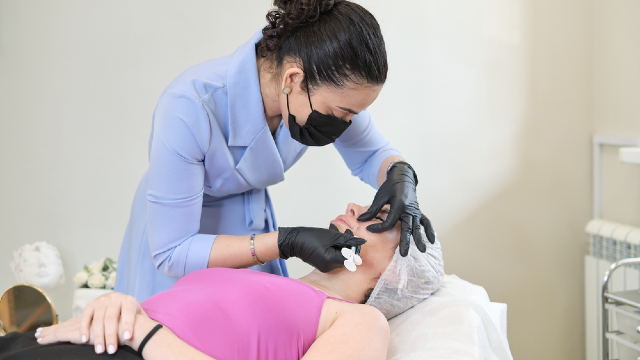
Here's the question that keeps people awake at night: Is a Korean surgeon really as good as an American surgeon? The honest answer is more nuanced than yes or no. It depends on which surgeons you're comparing. Some American surgeons produce extraordinary results. Some Korean surgeons do the same. The training pathways are different, the specialization patterns are different, and the outcomes reflect those differences.
Surgeon Training: Korea vs USA
An American plastic surgeon's journey starts with medical school (4 years), followed by a general surgery residency (5 years), and often a plastic surgery fellowship (2 years). Some surgeons train for 13+ years before they're operating independently. The American system emphasizes breadth. A graduating plastic surgeon can perform breast augmentations, tummy tucks, rhinoplasties, and facelifts. Many do all of them throughout their careers.
A Korean plastic surgeon follows a different path. Medical school takes 6 years. Plastic surgery residency requires 4 to 6 years. But here's the critical difference: Korean training culture emphasizes specialization. A surgeon often focuses heavily on facial procedures, particularly facelifts, rhinoplasties, and eyelid surgery. After residency, they continue specializing in their area of expertise rather than broadening into body procedures.
The result is startling when you look at procedure volume. An American surgeon with 20 years of experience might have performed 1,000 facelifts. A Korean surgeon with the same 20 years of experience, given an annual volume of 200+, has performed 4,000 facelifts. That's a four-fold difference in repetitions on a single procedure.
Board certification standards are rigorous in both countries. American surgeons must pass the American Board of Plastic Surgery (ABPS) examination, which requires training verification, written exams, and oral defense. Korean surgeons must pass the Korean Society of Plastic and Reconstructive Surgeons (KSPRS) board certification, which is equally rigorous. Both systems exist to ensure competence.
Factor | USA | Korea |
|---|---|---|
Medical School Duration | 4 years | 6 years |
Residency Duration | 5–6 years | 4–6 years |
Post-Residency Fellowship | Optional (1–2 years) | Less common |
Total Training Time | 10–13 years | 10–12 years |
Facelifts Per Year (Average) | 30–80 | 150–250+ |
Board Certification Standard | ABPS (American Board of Plastic Surgery) | KSPRS (Korean Society) |
Typical Surgeon Profile | Generalist (multiple procedures) | Specialist (often focused on face) |
The training is comparable in rigor. The specialization is dramatically different.
Procedure Specialization and Volume
Dr. In Bae Kim represents the Korean specialist model. In his 15+ year career, he has performed over 3,000 SMAS facelifts. He currently performs 200+ annually. That's not just numbers on paper. It's knowledge accumulated through repetition.
When you repeat a procedure 200 times a year, you encounter variations that a surgeon seeing 50 cases annually won't encounter for a decade. You develop intuition about tissue response, about which patients are prone to certain complications, about how subtle adjustments to technique create different outcomes. You refine your approach constantly because you're immediately seeing the results of your last fifty decisions.
This specialization effect is real in surgery. An orthopedic surgeon who does 400 knee replacements annually will have different outcomes than one who does 80. A cardiologist who performs 100 catheterizations monthly develops a skill level that monthly practitioners don't reach. Facelift surgery is the same.
"The difference between 50 facelifts a year and 200 is profound," Dr. Kim notes. "By year two, I had refined my approach based on thousands of cases. By year ten, I could diagnose exactly what each patient needed in their initial consultation because I'd seen every variation. This isn't arrogance. It's the reality of specialization."
For American patients deciding between a surgeon in their hometown who does 50 facelifts annually and a specialist in Seoul who does 200, the volume difference matters. It doesn't mean the American surgeon is bad. It means the Seoul surgeon has solved more problems and refined more techniques.
Natural Results Philosophy
Here's where cultural context becomes important. Korean aesthetic philosophy emphasizes harmony, balance, and natural appearance. The goal is to look like yourself but better, not to look dramatically different. American beauty culture is more variable. Some practitioners lean toward drama. Some prefer subtlety. It depends on the surgeon and the local market.
For American patients researching facelifts, this matters because many American patients actually want subtle results. They want people to notice they look great but not know exactly why. They want their own face back, refreshed and rejuvenated, not transformed into someone else.
Korean surgeons' default approach aligns with that preference. They maintain facial landmarks. They preserve ethnic features. They avoid the "windswept" appearance that comes from over-aggressive tightening. They understand that a 50-year-old face should look like a refined 50, not a stretched 35.
This is a philosophical difference, not a technical one. Some American surgeons practice the same philosophy. But on average, Korean surgeons' cultural background predisposes them toward the natural results approach that research shows most American patients actually want.
Safety Standards: Is Korean Surgery Safe For Americans?
The safety question is legitimate. You're considering having major surgery in another country. You should want to understand the regulatory environment, the medical standards, and what happens if something goes wrong.
Korean Medical Regulation and Safety Standards
South Korea's healthcare system is world-class. The World Health Organization ranks South Korea's healthcare system among the top in the world, ahead of the United States in several metrics. That's not opinion. That's data.
All cosmetic surgery clinics in South Korea must be licensed through the Ministry of Health and Welfare. They must meet facility standards that include proper surgical equipment, sterile protocols, emergency equipment, and trained staff. Clinics are inspected and monitored. Certification requires ongoing compliance.
The Korean Society of Plastic and Reconstructive Surgeons (KSPRS) maintains strict standards for member surgeons. Board certification requires verification of training, passage of written and oral exams, and maintenance of continuing education requirements. Members who violate ethical standards or produce poor outcomes face sanctions up to license revocation.
Infection rates and complication rates in Korean cosmetic surgery clinics are carefully tracked and compare favorably to American clinics. Some of this data is published in international medical journals. Malpractice insurance and liability requirements exist in Korea, just as in the US.
In practical terms: the regulatory framework protecting you as a patient in Korea is as robust as the framework in the United States. It's different in structure, but equivalent in rigor.
Arke Clinic Safety Infrastructure
Arke Clinic operates to standards that exceed those of many US clinics. The facility has fully equipped surgical suites with advanced anesthesia equipment. Board-certified anesthesiologists (not just anesthesia technicians) manage your airway and vital signs throughout surgery. Sterile protocols follow international standards. Emergency response procedures are documented and practiced.
The location advantage is profound. Arke Clinic is in Gangnam, Seoul, minutes from some of the world's finest hospitals. Asan Medical Center, Samsung Medical Center, and Gangnam Severance Hospital are world-class institutions that rival or exceed top American teaching hospitals. If a serious complication arose during surgery, the patient would be minutes away from one of the world's best medical facilities.
"Americans often worry about safety in Korea, but Seoul has some of the world's finest medical infrastructure," Dr. Kim explains. "If a complication arose during surgery, I'm literally minutes from hospitals that are equal to or superior to top US facilities. We maintain anesthesia and facility standards that exceed many US clinics."
This isn't bragging. It's stating the reality of what infrastructure exists in Gangnam, a district that has prioritized medical excellence for decades.
What Actually Happens If There's A Complication?
Common minor complications like bruising and swelling are managed during your recovery stay in Seoul. Your dedicated care coordinator checks in daily. Arke Clinic has protocols for managing these normal healing variations.
Rare serious complications like infection or hematoma are treated at Seoul hospitals if needed. You're supported through the process by both Arke Clinic staff and world-class hospital physicians. The timeline for resolution is typically standard, no different than treatment in a US hospital.
If complications develop after you've returned home, Arke Clinic coordinates with your local US physician. You receive telemedicine consultations from Dr. Kim. Follow-up imaging or in-person care is arranged with your American doctor. This coordination process works seamlessly because it's built into their international patient program.
Revision policies are clear. Arke Clinic takes responsibility for revisions if they result from surgical factors within the surgeon's control. Minor revisions are included in aftercare. More significant revisions are available at reduced cost or, in some cases, without additional charge depending on circumstances.
Medical tourism insurance is available to cover emergency medical care beyond the surgical procedure itself. This is separate from malpractice coverage and protects you if unexpected health issues arise during your trip. Most international patients carry this as standard precaution.
Recovery Experience: USA vs Korea, What's Actually Different?
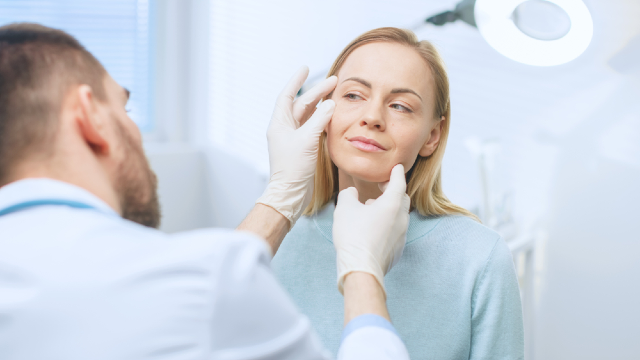
Everyone talks about recovery timeline. "SMAS facelifts take 2 to 3 weeks." "You'll be presentable in 10 days." Those facts are true, but they miss the more interesting question: what does recovery actually feel like, and how different is the experience depending on where you have surgery?
Recovery Timeline: USA vs Korea Compared
In the immediate post-operative period (first week), differences emerge.
If you have surgery in the USA, you typically go home the day of surgery or the morning after. You manage swelling and bruising at home, possibly alone or with family support. You'll experience significant bruising (purple and yellow), marked swelling (face feels puffy and numb), and limited mobility as you heal. You manage pain with prescribed medication. You sleep propped up on pillows to reduce swelling. You can't drive. You can't exercise. You spend most of your time indoors because you don't want to be seen.
If you have surgery in Korea, you stay at recovery accommodation in Gangnam or at your hotel. Arke Clinic provides or coordinates this space. You have 24/7 nursing support or coordinator availability. Daily check-ins happen with the Arke Clinic team. If swelling worsens unexpectedly or you have concerns, someone is available to assess. You're not managing recovery alone. You're being actively supported.
By week two, differences continue.
In the USA, you're back to work if your job is remote, though video calls are uncomfortable. You're managing the appearance of healing with makeup and angles. You're fielding questions about what happened, or lying about it. You're tired and emotional while managing normal work demands. Swelling is still noticeable. Bruising is fading but visible. You can't do anything social that you can't skip.
In Korea, you're still in Seoul, but swelling has decreased noticeably. You can move around more. You can eat at restaurants (though soft foods still). Other international patients in your hotel may be going through the same thing. Arke Clinic is still coordinating your care. You're not trying to hide anything because nobody in your normal life is present. The slower pace of recovery feels natural because you're in a different city explicitly for the purpose of healing.
By weeks three and four, timelines converge.
Regardless of location, you're noticeably improved. Bruising is largely gone. Swelling is 50 to 60 percent resolved. You can wear makeup and appear normal to casual observers. In the USA, you're back at work and managing normal life while still healing. In Korea, you're flying home to begin that same phase, but you've had a complete separation from normal life during the vulnerable weeks.
Here's a week-by-week breakdown:
Week | USA Experience | Korea Experience |
|---|---|---|
1 | Home recovery, isolated, significant swelling/bruising, pain management | Hotel/recovery care, 24/7 support available, same swelling/bruising but supervised |
2 | Remote work possible, appearance management, swelling still prominent | Still in Seoul, moving around more, swelling decreasing, no work pressure |
3 | Return to office, makeup covers most bruising, swelling 50% resolved | Home now, swelling continuing to resolve, full separation completed |
4 | Mostly presentable, can do normal activities, still healing internally | Fully presentable, results continuing to refine, emotional processing happening |
The timeline is similar. The experience is different.
The Intangible Differences: Support, Privacy, Experience
There's something valuable about recovering in isolation from your normal life. When you recover in the USA, you're healing while managing work, social obligations, and the challenge of hiding something you want to keep private. Your colleagues notice your absence or your swollen appearance. You manage explanations. Your family sees you during your most vulnerable healing phase. The process feels emotionally complicated because it's layered with your normal life anxiety.
When you recover in Seoul, you're in a completely different context. You're a visitor in another city. You're there explicitly for self-care. Nobody in your normal life is present to judge or ask questions. If you're tired and want to rest, that's what people do on wellness trips. If you want to explore nearby restaurants or shops, that's what tourists do. Your recovery process feels purposeful and separate rather than hidden and awkward.
The support structure is also different. An American surgeon's office provides follow-up appointments, but immediate post-operative support is often your responsibility. You manage your own wound care, medication administration, and symptom assessment. If you have a question, you call during business hours.
Arke Clinic's international patient program operates differently. Your dedicated English-speaking coordinator is available 24/7. They check in daily. They understand the emotional rollercoaster of early recovery. They've managed hundreds of international patients through this phase. They're not distant medical professionals. They're people invested in your experience and outcome.
"American patients often tell me they chose Korea partly for the support structure," Dr. Kim notes. "Yes, they could recover at home, but recovering in Seoul with a dedicated team, in a different city, somehow made the process feel more intentional and less isolating. There's also the privacy advantage. No one back home knows."
Return To Work and Normal Life
The practical timeline is similar regardless of location. A SMAS facelift typically requires 2 to 3 weeks before you're genuinely presentable for video calls and in-person meetings. By 4 weeks, you feel emotionally normal enough for client dinners and professional engagements.
The difference is psychological and logistical. A USA facelift means managing this 3-week vulnerable period while maintaining a professional presence. You're in video calls with noticeable swelling. You're explaining your absence to colleagues. You're managing the awkward transition.
A Korea facelift means 12 to 14 days in Seoul during the intense healing phase, then 1 to 2 weeks of remote work from home. The intensive period is away from your normal professional environment. When you return to the office, the swelling has decreased significantly. You can honestly say you were in Asia on a wellness trip. The narrative is clean.
For remote-working professionals, this distinction matters less. For people with in-person professional requirements, Korea's separation advantage is significant.
Results and Longevity: Which Location Produces Better Outcomes?
The results question cuts to the heart of the comparison. You're not asking about cost or comfort. You're asking whether a Korean facelift will look as good as an American one. Will you still look like yourself? How long will the results last? What's the likelihood of revision?
Results Quality: Natural-Looking Outcomes
"Natural-looking" means different things to different people, but in professional plastic surgery, it means a facelift that restores identity rather than transforms it. People notice you look great but can't articulate exactly why. Your face still looks like you, just refined and rejuvenated. You don't hear "you've had work done." You hear "you look amazing" or "you seem so refreshed."
That's harder to achieve than it sounds. Over-aggressive tightening creates a pulled appearance. Excessive volume replacement creates a fake quality. Asymmetrical work creates an uncanny effect. Achieving natural results requires surgical restraint, anatomical understanding, and a philosophy that prioritizes harmony over drama.
Korean surgeons excel here because cultural aesthetic values emphasize subtlety. The ideal in Korean beauty standards is to look naturally better, not obviously different. That cultural foundation shapes how surgeons approach their work. They're not trying to maximize visible change. They're trying to restore balance.
This isn't unique to Korean surgeons. Many American surgeons practice the same philosophy. But on average, Korean surgeons' default aesthetic leans more toward the natural end of the spectrum.
The SMAS technique itself supports natural results when performed well. The SMAS is a network of tissue and muscle beneath the skin. By tightening this layer rather than just pulling skin, the facelift addresses deeper structures that have actually weakened. Results look natural because you're restoring what has changed, not just stretching what remains.
Before-and-after photography from Arke Clinic shows what results look like. Patients in their 40s, 50s, and 60s appear refreshed and improved while remaining recognizable as themselves. When compared side-by-side with before-and-after galleries from top US surgeons, the results look virtually identical in quality and naturalness.
Longevity: How Long Results Last
An excellent SMAS facelift produces 8 to 12 years of excellent results. At 12 to 15 years, results are still very good, though some settling has occurred. Your face continues to age, but the baseline improvement from surgery remains.
The variability in longevity depends on factors unrelated to geography. Skin quality matters. Genetics matter. Sun exposure and skincare compliance matter. Whether you smoke or drink heavily matter. Whether you use Botox or fillers for maintenance matter. A 45-year-old woman with excellent skin who uses sunscreen and maintains a healthy lifestyle will see longer-lasting results than a 45-year-old woman with sun damage who smokes.
These variables are identical in the USA and Korea. Your longevity depends on your factors, not the location of surgery.
The revision likelihood reflects this reality. Excellent SMAS facelifts rarely require full revision. If revision becomes needed (typically 10 to 15 years after initial surgery), it's usually minor touch-ups, not a complete re-do. The foundational work holds up. Minor refinements may be desired because of continued aging, but the architecture remains sound.
Arke Clinic's revision policy includes minor revisions in aftercare coverage and makes more significant revisions available at reduced cost. This reflects confidence in the longevity of results and willingness to stand behind the initial work.
Time Point | Appearance | Notes |
|---|---|---|
Immediate | Swollen, bruised, obviously done | Normal post-operative appearance |
2 weeks | Noticeably improved | Healing well, obvious improvement |
3 months | 75% of final result | Still some swelling resolving |
6 months | 90% of final result | Full picture emerging clearly |
1 year | 100% final result | Completely settled and natural |
5 years | 95% of Year 1 | Subtle aging, very stable results |
10 years | 85% of Year 1 | Some settling, still strong benefit |
15 years | 70% of Year 1 | Aging visible but original benefit remains |
Comparison: Results From Arke Clinic vs Top US Surgeons
Here's the direct comparison: top US surgeons in New York, Los Angeles, and Chicago produce excellent natural SMAS facelift results. Comparing before-and-after galleries from Arke Clinic and comparing them with galleries from top American surgeons, results look virtually identical in quality.
The difference is philosophical rather than technical. Korean surgeons default toward subtlety. Some American surgeons do the same. Other American surgeons lean toward more transformation. The choice depends on the surgeon's aesthetic vision and the local market's preferences.
For American patients explicitly seeking natural results, Korean surgeons are often the better fit because that's their default approach.
"When American patients see my before-and-after gallery compared to top surgeons in New York or Los Angeles, they're often surprised that results look virtually identical," Dr. Kim explains. "That's because SMAS technique is SMAS technique. The difference is philosophy. I'm not trying to transform you. I'm trying to restore the best version of you at your current age. Many American surgeons do the same. But my cultural background prioritizes that subtlety."
Facelift Abroad vs Domestic: The Intangible Factors
Beyond cost, safety, and outcomes, choosing a facelift abroad involves intangible factors that matter significantly for your experience and satisfaction. These are the elements that often determine whether you're happy with your decision.
Privacy and Professional Concerns
For professional women in positions where appearance and image matter, privacy is valuable. A facelift in the USA means managing explanations. You're absent from work. You look different when you return. Colleagues notice. Explanations become necessary or rumors fill the gap.
A facelift in Korea offers complete separation. You're taking a trip to Asia. You're away for two weeks. When you return, you look refreshed. Nobody in your normal life knew the reason you were gone. You can honestly say it was a wellness trip, which is technically true.
This distinction matters more for some personalities and professions than others. A creative freelancer in Los Angeles might not care if everyone knows she had a facelift. A corporate executive managing a team of younger people might care significantly. A healthcare professional in a conservative community might care greatly.
Diana, the New York executive persona, cares about this distinction. Her industry has ageist biases. She doesn't want the appearance of having "given up and gotten work done." She wants to appear naturally refreshed. The privacy of a Korea trip aligns with that goal.
Margaret, the Houston administrator, also values privacy, though for different reasons. She doesn't want her community talking about her surgical choices. She doesn't want her children's friends' parents speculating. A trip to Korea for "a wellness spa experience" is truthful and complete without inviting commentary.
Support System and Follow-Up Care
An American surgeon's office provides follow-up appointments and access to your surgeon for questions. But your surgeon's office isn't your support system during recovery. Your spouse, partner, or family member is. If you're recovering alone, you're managing without immediate professional support.
Arke Clinic's international patient program functions as your support system. Your dedicated English-speaking coordinator checks in daily. They understand the emotional challenges of early recovery. They're trained to assess complications or concerning symptoms. They're available 24/7, not 9 to 5. For most patients, this support structure proves invaluable during the vulnerable first weeks.
Virtual follow-up care through Arke Clinic works surprisingly well for the vast majority of post-operative situations. Your surgeon can assess swelling progression, answer questions about normalcy of symptoms, provide guidance on activity progression. Only rarely do situations require in-person urgent care, and when they do, your local US physician handles it with coordination from Arke Clinic.
This model requires trusting that virtual care is sufficient for your situation. For most patients, it genuinely is.
Spouse or Partner Involvement and Logistics
An American facelift means your spouse or partner stays home managing normal life while you recover. They're helpful in the evening and on weekends but you're managing during work days and many recovery challenges alone.
A Korea facelift can include your spouse as part of the trip. They're not paying for surgery, but the flight and hotel incremental cost is modest. During your intensive recovery phase, they're present. They can accompany you to appointments. They can manage meals and basic support. If desired, they can explore Seoul during your recovery days when you're resting. The trip becomes a shared experience framed as couple's wellness travel.
For Margaret, whose husband is retired and involved in her healthcare decisions, a Korea trip becomes a shared adventure with a medical purpose. For Diana, whose partner (if present) is also a busy professional, the question is whether the logistics of bringing them make sense. Either choice works.
Logistically, having a partner present doesn't complicate recovery. It can enhance support without adding significant cost.
So Which Is Right For You? Decision Framework
After comparing cost, surgeon expertise, safety standards, recovery experience, and results, the evidence is clear: facelift surgery in Korea at a premium clinic like Arke produces outcomes equal to or better than top US surgeons, at 30 to 40 percent lower total cost, with superior privacy and a specialized surgical team that performs this procedure hundreds of times annually.
But that objective reality doesn't automatically mean Korea is right for you. The choice depends on your personal priorities, comfort with travel, and what you actually value in the surgical experience.
Choose Korea If
You prioritize cost savings. A $9,000 to $12,000 all-in savings is meaningful for most households. That's a car payment, a vacation, a down payment on something else. If budget matters in your decision, Korea makes economic sense.
You value natural, subtle results. If you want to look like yourself, refreshed and rejuvenated, not obviously transformed, Korean surgeons' default aesthetic philosophy aligns with your goals.
You want to avoid local privacy concerns. Your colleagues, community, or social circle doesn't know about your surgery. Nobody speculates about why you were gone or judges your choice. That privacy is valuable, particularly for professionals managing perceptions.
You can take 12 to 14 days away from work or life. This isn't a massive ask. Most people can find two weeks for a personal wellness trip. But if your job is absolutely inflexible or you have significant caregiving responsibilities that can't be delegated, this becomes harder.
You trust research-driven decisions. You've done the homework. You understand the safety profile. You've researched Dr. In Bae Kim's credentials and experience. You're comfortable proceeding based on data rather than requiring hand-holding from a familiar local provider.
You're comfortable with virtual follow-up care. You understand that most post-operative situations don't require in-person emergency care. You're willing to coordinate with a US-based physician if anything unusual develops. You trust the virtual consultation model.
You want procedural specialization. You understand that a surgeon performing 200+ facelifts annually has refined skills that a surgeon doing 50 annually hasn't yet developed. You want that specialized expertise.
Your spouse or partner is willing to make the trip. If they're present, the experience becomes a shared wellness journey. If you're traveling solo, you still have dedicated coordinator support, but partner presence changes the emotional experience.
You're a professional woman concerned with privacy and image management. If you're Diana or Margaret, the Korea option removes professional anxiety entirely.
Choose USA If
Cost is less important than convenience. You prefer local, in-person continuity of care. You want your surgeon available for same-day follow-ups if you want them. You value the relationship with a surgeon you know and can see in person.
You have health conditions requiring frequent in-person medical oversight during recovery. If you have a complex medical history, diabetes, immunosuppression, or other factors requiring careful monitoring, your local physician's accessibility matters.
You can't take 12 to 14 days away. This is unusual for facelift recovery, but if your circumstances don't allow it, it's a legitimate factor.
You have significant language concerns. Though Arke Clinic's English support is excellent, you're more comfortable communicating in your native language with your surgeon. (Note: This is less of a barrier than it used to be, but it's valid if language creates anxiety for you.)
You want ongoing maintenance treatments from the same surgeon. After your facelift, you might want Botox, fillers, or other maintenance procedures. Some people prefer continuity with one provider. Local availability supports this preference.
You're risk-averse about international travel. Even though medical tourism to Korea is mainstream and safe, international travel itself creates anxiety for some people. That anxiety is valid.
You have a trusted local surgeon you already know and trust. Personal relationships matter. If you have an established relationship with a surgeon you trust, that relationship itself is valuable.
The Real Decision Criterion: Your Persona
Three personas emerge from research into American patients considering facelifts.
Diana is a 48-year-old professional in New York. She earns well, has health insurance, and values data-driven decisions. She's concerned about age discrimination in her field. She wants natural results. She's private about her body. She's comfortable with international travel and trusts her research abilities. For Diana, Korea is ideal. Safety profile is excellent. Results philosophy aligns with preferences. Privacy is complete. Premium positioning without premium prices appeals to her efficiency mindset. Arke Clinic's data-driven approach and English-language program are exactly what she needs.
Margaret is 56, in Houston, married to a supportive partner who's retired. She's life-stage triggered. She's had kids through college. She's now thinking about herself. She's conservative but not risk-averse. She's background-checked medical providers carefully. She values safety. She involves her spouse in healthcare decisions. For Margaret, Korea is ideal. Her husband can come (couple's wellness trip). Privacy removes professional stress. All-in cost is meaningful at a household level. Her healthcare background means she'll do thorough verification and feel confident. Arke Clinic's clear safety standards and international patient program align with her needs.
Kevin is 52, creative, lives in Austin. He's been in Austin long enough to have deep social connections. He's culturally interested, not culturally insular. He values aesthetic excellence. He has seen Korean culture's emphasis on cosmetic excellence and respects it. He cares about getting the best results, not just good-enough results. For Kevin, Korea is ideal. Cultural alignment matters to him. Reddit communities validate the Korea choice. Procedure specialization produces better aesthetic results for his goals. Lower cost lets him potentially combine procedures.
For each persona, Korea emerges as the better choice not because there's anything wrong with USA options, but because the Korea option aligns better with their specific values, constraints, and preferences.
Examine yourself honestly. Which persona most resembles you? Your decision will likely align with that persona's decision.
The Arke Clinic Advantage: Why American Patients Choose This Clinic
If you're leaning toward Korea, the next question is where. South Korea has hundreds of cosmetic surgery clinics. Why specifically Arke Clinic?
Dr. In Bae Kim's Expertise and Approach
Dr. In Bae Kim brings 15+ years of focused experience to every facelift consultation. He's board-certified by the Korean Society of Plastic and Reconstructive Surgeons. He's performed over 3,000 SMAS facelifts. He currently performs 200+ annually.
Beyond the numbers, his approach is defined by personalization. He doesn't apply a cookie-cutter facelift to every patient. He assesses individual facial anatomy, aging patterns, and personal aesthetic goals. He explains exactly what's possible for your specific case, what's not, and why.
His philosophy emphasizes natural results. He's spent 15 years studying how SMAS lifting creates the most harmonious, age-appropriate appearance. He understands American aesthetic preferences through his extensive American patient base. He doesn't try to impose Korean beauty standards on American patients. He listens to your goals and explains how to achieve them.
His communication style is direct and clear without medical obfuscation. American patients consistently report that Dr. Kim explains things in a way that's understandable and trustworthy.
International Patient Infrastructure
Arke Clinic has built its entire system around the understanding that American patients need clarity, professionalism, and genuine care. That starts before you ever arrive in Seoul.
Your dedicated English-speaking coordinator handles every step. Initial inquiry, pricing questions, virtual consultation scheduling, medical history collection, flight and hotel coordination, pre-operative instructions, airport pickup, post-operative follow-ups, coordination with your US physician, and revision policies if ever needed. This person is your single point of contact, not a faceless clinic.
The virtual consultation process is optimized for American time zones. You can consult with Dr. Kim without taking time off work (consultation happens in evening or on weekends).
Pricing is clear and itemized. No surprise fees. No hidden costs. The quoted price includes the surgeon, anesthesia, facility, and basic aftercare.
Pre-operative health screening ensures your surgery is safe for your individual medical history.
24/7 contact availability during your Seoul stay means any question or concern gets answered immediately.
Post-return virtual follow-up is structured and predictable. Consultations happen on a schedule (one week post-op, one month, three months, six months, one year).
Coordination with your US physician happens seamlessly. Your American doctor receives surgical reports and post-operative instructions. If anything unusual develops, both providers communicate and manage care together.
The "repeat patient" community demonstrates confidence. Many Americans have had multiple procedures at Arke Clinic (facelift then eyelid surgery, etc.). That trust doesn't happen by accident. It comes from consistent, excellent care.
"When an American patient books with Arke Clinic, they're not an afterthought or a transaction," Dr. Kim explains. "We've built our entire international program around the understanding that American patients want clarity, professionalism, and genuine care. Every part of your experience, from initial email to final follow-up, reflects that commitment."
Contact Information
Schedule an Online Consultation
WhatsApp: Click here
Schedule an Online Consultation
Website: /
Location: Gangnam-gu, Seoul, South Korea
Consistent Weekly Clinic Schedule with Weekend Adjustment
The clinic operates on a consistent weekday schedule, remaining open from 9:30 AM to 7:00 PM from Monday through Friday. On Saturdays, hours are reduced, with services available from 9:30 AM to 3:00 PM, while the clinic remains closed on Sundays. This structured timing ensures accessibility throughout the workweek with limited weekend availability.
Frequently Asked Questions
Q: Is There A Best Time of Year To Get A Facelift in Korea?
A. Most patients choose fall or early winter (September through November) for practical reasons. You have time to complete recovery before holiday gatherings. Work tends to be slightly less demanding in that season. Flight schedules are reliable and weather in Seoul is pleasant. Spring (April through May) is also excellent because you're recovering during pleasant Seoul weather. Avoid summer (June through August) when Seoul's heat and humidity make swelling management more challenging. Ultimately, the best time is when you're ready and can take the necessary time off work.
Q: Will I Need A Visa To Go To South Korea For Surgery?
A. US citizens can visit South Korea visa-free for up to 90 days for tourism purposes. Your facelift qualifies as medical tourism, which falls under tourism visas. No special medical visa is required. You'll clear immigration as a tourist. Arke Clinic handles all paperwork. Bring your passport and any requested medical documents.
Q: What's The Time Difference Between Seoul And Major US Cities?
A. Seoul is 13 hours ahead of Eastern Standard Time. When it's 8 AM in New York, it's 9 PM the same day in Seoul. For Pacific Time, Seoul is 16 hours ahead. The time difference makes evening consultations in Seoul align with morning or lunchtime in major US cities, which is convenient for working professionals.
Q: Can I Combine Facelift With Other Procedures in One Trip?
A. Yes, many patients combine facelift with other facial procedures (eyelid surgery, rhinoplasty, chin augmentation) during the same trip and recovery period. This is economical and efficient. Discuss combinations with Dr. Kim during consultation. He'll assess whether multiple procedures are advisable based on your anatomy and recovery tolerance.
Q: What Should I Look For in a Consultation To Evaluate The Surgeon?
A. Quality consultations involve several elements. The surgeon takes time to understand your goals, not just recommend a standard procedure. He explains exactly what's possible and what's not for your specific anatomy. He shows before-and-after examples of patients with similar age, anatomy, and goals. He discusses techniques, recovery, realistic expectations, and risks. He answers all questions clearly without medical jargon. He doesn't promise perfection or guarantee specific results. Trust your instinct about whether the surgeon listens and understands your vision.
Q: How Much Does Aftercare Cost If I Return To The USA?
A. Basic aftercare at Arke Clinic is included in your surgical package. Virtual consultations and post-operative follow-up are covered. If complications develop requiring in-person care in the USA, your local physician handles it. You may have costs for local care depending on your insurance. Arke Clinic coordinates with your US physician at no additional charge. Revision procedures, if needed, typically cost 30 to 50 percent of original surgery cost, though minor revisions may be included depending on circumstance.
Q: Will My Insurance Cover Facelift Surgery in Korea?
A. Most US health insurance plans don't cover cosmetic facelift surgery, whether performed in the USA or Korea. Facelift is considered cosmetic rather than medically necessary unless performed for medical reasons (paralysis, trauma). Check with your specific plan, but expect to pay out-of-pocket. Some plans offer health savings accounts that can be used for cosmetic surgery.
Q: What's The Recovery Like If I Stay In Seoul vs Going Home?
A. Staying in Seoul (12 to 14 days) means you manage the most intensive swelling and bruising phase in a different city with dedicated coordinator support. You return home when swelling is 50 to 60 percent resolved. Going home immediately (not advisable but possible) means managing intense swelling and bruising in your home environment with family support. The first approach is far preferable because recovery is more comfortable in Seoul with professional support and less professional pressure. Most patients choose to stay the full recovery period.
Q: How Do I Manage Pain During Recovery?
A. Pain after SMAS facelift is typically mild to moderate, not severe. Prescribed pain medication (often comparable to ibuprofen strength) manages discomfort. Most patients report that the discomfort is less about sharp pain and more about tightness and pressure. Ice packs reduce swelling and provide comfort. Sleeping propped up on pillows reduces pain and swelling. By week two, most patients have discontinued pain medication. Arke Clinic provides clear pain management protocols and medication.
Q: What Happens If I'm Not Happy With The Results?
A. Revision policies at Arke Clinic cover revisions resulting from surgical factors within Dr. Kim's control. Minor revisions (adjusting asymmetry, refining contour) may be included in aftercare. More significant revisions cost 30 to 50 percent of original surgery. Dissatisfaction about results should be discussed early (3 to 6 months post-op) rather than years later. Most patients report that as swelling completely resolves and they adjust to their new appearance, initial concerns fade. However, if genuine revision is needed, Arke Clinic takes responsibility and makes revision available.
Conclusion
After comparing facelift surgery in Korea and the USA across cost, surgeon expertise, safety standards, recovery experience, and long-term results, the evidence is clear: facelift Korea vs USA isn't a matter of one location being universally better than the other. It's a matter of which choice aligns better with your personal values and circumstances.
A premium SMAS facelift at Arke Clinic produces outcomes equal to or better than top American surgeons, at 30 to 40 percent lower total cost, with superior privacy and a specialized surgical team that performs this procedure hundreds of times annually. Whether you choose Korea or USA, facelift surgery is one of the most effective facial rejuvenation procedures available. SMAS technique is proven, safe, and produces results that last 8 to 12+ years.
You're making an informed decision based on genuine data, not marketing hype. If you're leaning toward Korea, the next step is straightforward: book a virtual consultation with Dr. In Bae Kim at Arke Clinic. Come prepared with photos of your face, your specific concerns, and your desired outcomes. Dr. Kim will assess your individual anatomy and explain exactly what's possible for your specific case. Then you'll have the final piece of information you need: a surgeon's personalized assessment, not just generic information. That assessment is when the decision becomes clear, tailored to who you are and what you truly want from this experience.
About The Author
Dr. In Bae Kim, MD, Board-Certified Plastic Surgeon
Lead Surgeon, Arke Clinic Plastic Surgery and Aesthetic, Seoul, South Korea. Dr. Kim brings 15+ years of specialized experience in facial rejuvenation and cosmetic surgery. He performs 200+ procedures annually, with over 3,000 career SMAS facelifts completed. Board-certified by the Korean Society of Plastic and Reconstructive Surgeons (KSPRS), Dr. Kim specializes in natural-results philosophy, anatomy-based surgical planning, and extensive international patient care. He regularly participates in international aesthetic medicine conferences and maintains continuous professional development.
For consultations or questions:
More Medical Articles
Continue reading expert guides on procedure planning, anatomy, and post-operative care.

Lower Blepharoplasty: Minimally Invasive vs. Surgical Eye Outcomes
Lower Blepharoplasty: Minimally Invasive vs. Surgical Eye Outcomes Under-eye aging—characterized by puffiness (pseudo-herniation of fat) and dark circles—is a leading cosmetic concern among Koreans aged 30 to 70.
Learn More

Transconjunctival Blepharoplasty: No-Scar Recovery Benchmarks in Korea
Transconjunctival Blepharoplasty: No-Scar Recovery Benchmarks in Korea As South Korea’s demographic shifts toward a "super-aged" society—with those aged 65 and older projected to exceed 20% of the population by 2025—the demand for periorbital rejuvenation has…
Learn More

Healing the Heart: The Psychological Focus of Korean Revision Eye Surgery
Healing the Heart: The Psychological Focus of Korean Revision Eye Surgery In South Korea, often referred to as the "plastic surgery capital of the world," blepharoplasty (double eyelid surgery) is more than just a cosmetic trend; it is a cultural rite of…
Learn More