1:1 Customized Plastic Surgery & Aesthetic Medicine in Gangnam, Seoul — Led by Dr. In-Bae Kim
★ 5.0 Verified Patient Rating
en-US


Clinical Guide & Insights
Eye Surgery Recovery: 7 Mistakes Patients Should Avoid
Avoid setbacks after eye surgery! Discover 7 common recovery mistakes patients make and how to prevent them. Read now for a smoother healing process.
Schedule a ConsultationIntroduction

Eye surgery — whether it’s blepharoplasty in Seoul, double eyelid surgery, or lower eyelid rejuvenation — is among the most delicate procedures in plastic surgery. At Arke Clinic in Gangnam, we emphasize that the success of eye surgery is not determined by the operation alone. The recovery period plays an equally crucial role in shaping the final outcome. What you do in the days and weeks after surgery can affect swelling, healing, and the longevity of results.
Many patients are surprised to learn that small habits — rubbing the eyes, resuming exercise too soon, or neglecting sun protection — can significantly influence healing. Dr. In-Bae Kim, our lead surgeon, often compares recovery to the final brushstrokes on a painting: surgery establishes the structure, but recovery determines how the details settle into harmony.
This article outlines seven common mistakes patients should avoid after eyelid or eye surgery and explains why thoughtful recovery is essential.
1. Ignoring Swelling and Bruising
Swelling and bruising are natural responses to surgery, not signs of error. Unfortunately, patients often react in two unhelpful ways: some panic and apply unapproved home remedies, while others ignore swelling altogether.
At Arke Clinic, we recommend:
Cold compresses during the first 48 hours
Elevated head position when resting
Prescribed medications for comfort and healing
Swelling typically peaks within 48–72 hours, then gradually improves. Over-icing or using unverified remedies may actually worsen irritation. Patients who understand this timeline usually recover more comfortably.
Bruising, while concerning to many, is a natural process of blood dispersing beneath the skin. It generally fades within 1–2 weeks, often changing color from deep purple to yellow-green before disappearing. Gentle care, hydration, and avoidance of blood-thinning supplements (such as ginseng or fish oil) can help shorten recovery time. Patients should know that while bruising can look dramatic, it rarely indicates a complication.
2. Returning to Work or Exercise Too Soon
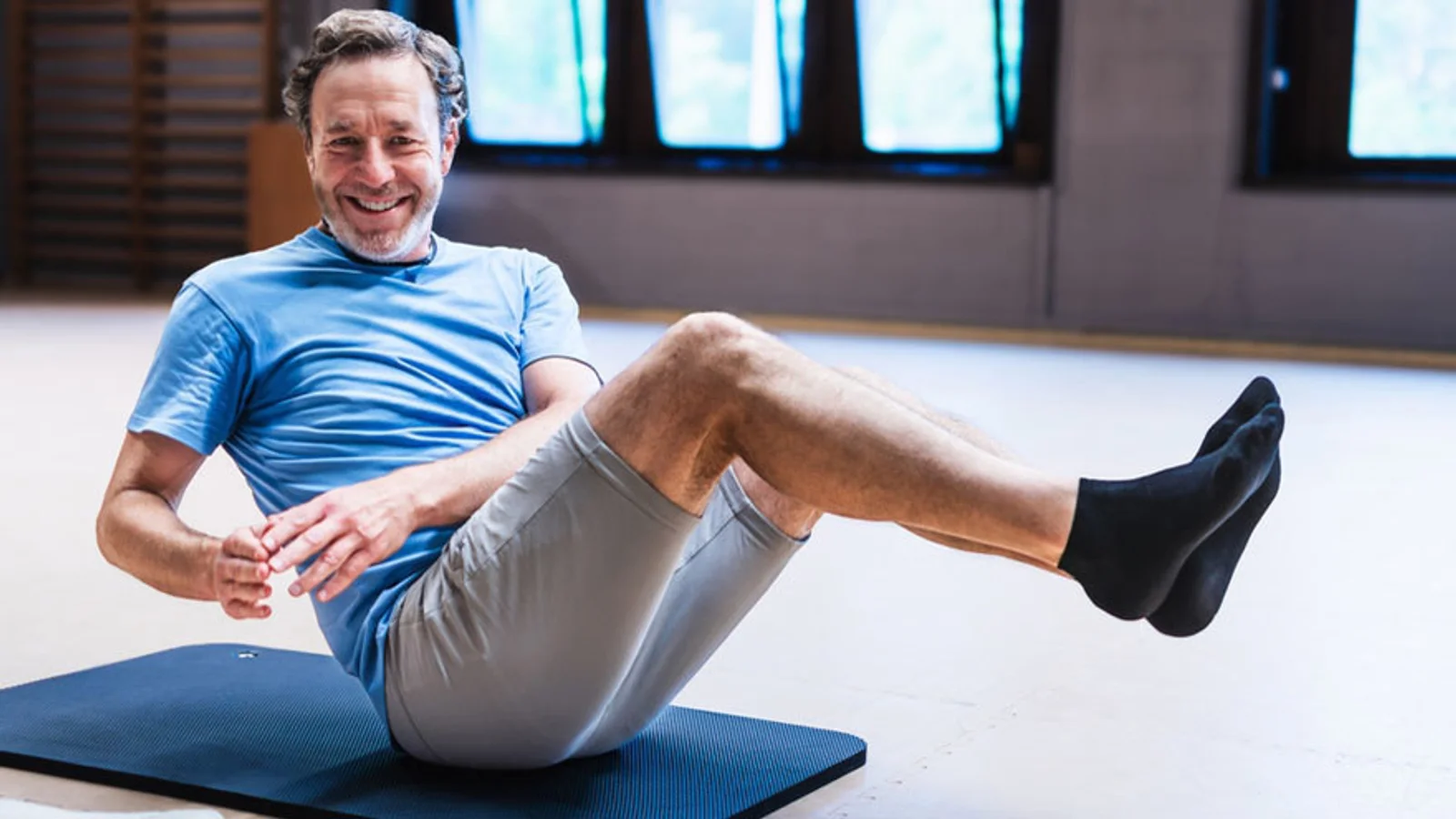
A frequent question is, “When can I go back to the gym?” Physical exertion increases blood pressure around the eyes and can prolong bruising or disrupt sutures. Even simple actions like bending forward or lifting heavy items create unnecessary strain.
At Arke Clinic, our guidance is:
Avoid strenuous activity for two weeks
Limit screen time in the first days after surgery
Take at least one week off work when possible
Patients who work in professional settings, particularly those involving prolonged computer use, should know that digital eye strain can worsen swelling. Using lubricating eye drops, adjusting screen brightness, and following the 20-20-20 rule (looking away every 20 minutes for 20 seconds at an object 20 feet away) can minimize strain during early recovery.
International patients who travel to Seoul for surgery often plan sightseeing too soon. Exploring the city is tempting, but early sightseeing leads to fatigue, sun exposure, and delayed recovery. Allowing the body to rest ensures smoother healing and more satisfying results when they finally return home.
3. Touching or Rubbing the Eyes
The eyelid skin is thin and fragile. Even light rubbing can irritate incisions or disturb stitches. Patients often underestimate how easily healing tissues can be disrupted.
To manage itching or dryness:
Use artificial tears as recommended
Apply cold compresses for comfort
Avoid rubbing, even unconsciously during sleep — soft shields or gloves can help
We also advise patients to be cautious when washing the face. Instead of splashing water directly onto the eyes, gently wipe with a damp cotton pad or use a mild cleanser around the area. These small precautions protect the delicate work of surgery and help ensure optimal healing.
4. Skipping Follow-Up Appointments
Some patients believe recovery ends once stitches are removed. In reality, follow-ups are critical for tracking healing, guiding scar management, and addressing concerns early.
During these visits, Dr. Kim may:
Refine ointment or medication use
Teach scar massage techniques
Adjust sleeping posture or daily habits
Patients often underestimate the importance of small adjustments. For instance, using scar cream too aggressively or too early can cause irritation. Having the surgeon guide these steps ensures that scars mature smoothly and remain discreet. Follow-ups also give patients peace of mind — knowing they are healing on schedule.
At Arke Clinic, international patients receive virtual follow-ups after returning home, ensuring continuity of care no matter where they live. This commitment to long-term outcomes reflects our belief that surgery and recovery are a continuous journey, not separate phases.
5. Overusing Makeup or Skincare Too Early

In Korea, where multi-step skincare routines are common, patients often feel eager to resume their beauty practices. However, makeup and active skincare products can irritate healing skin or introduce bacteria.
Our recommendations are:
Wait at least two weeks before applying eye makeup
Use clean brushes and applicators when resuming
Stick to gentle, fragrance-free products in the first weeks
Clinically, premature makeup use is one of the most preventable causes of post-surgical infection. Even “hypoallergenic” products can harbor bacteria if applicators are not sanitized. Furthermore, waterproof eyeliners and mascaras require rubbing to remove, which can disturb healing tissues. Patients who allow time before reintroducing beauty routines often enjoy smoother scars and longer-lasting results.
6. Neglecting Sun Protection
Fresh incisions are particularly sensitive to UV damage. Sun exposure can darken scars, prolong redness, and slow healing.
Post-surgery sun care should include:
Wearing sunglasses outdoors
Using broad-spectrum sunscreen once the skin has closed
Choosing mineral sunscreens (zinc oxide, titanium dioxide) for sensitive skin
In Seoul, where outdoor walking is part of daily life, consistent sun protection is vital. Even short commutes expose healing skin to UV rays reflected off buildings, glass, and pavement. Patients who neglect this step sometimes notice pigmentation along incision lines that could have been prevented with proper care. Long-term, sun protection also helps maintain youthful results by reducing the risk of premature aging around the eyes.
7. Expecting Instant Results
The final, and perhaps most overlooked, mistake is impatience. Many patients hope to see their final results within a week, but recovery is gradual. Swelling and subtle refinements continue for several months.
At Arke Clinic Gangnam, we remind patients:
Noticeable improvements appear in two weeks
Final contours may take three to six months
Progress photos taken weekly, rather than daily, help maintain perspective
Patience is key. While early swelling may create the impression of unevenness, this usually resolves with time. Dr. Kim emphasizes that natural results are built gradually, much like restoring a delicate painting — each layer settles into balance over weeks and months. For most patients, the moment when swelling finally subsides and the refreshed look becomes clear is deeply rewarding.
Final Thoughts: Protecting Your Results with Care
The artistry of eyelid surgery doesn’t end in the operating room. Healing is an extension of the surgical process, and avoiding these seven mistakes ensures smoother, safer, and more natural outcomes.
If you’re considering blepharoplasty in Seoul or other facial rejuvenation procedures, seek guidance from a trusted clinic. At Arke Clinic in Gangnam, Dr. In-Bae Kim and our team provide comprehensive surgical and aftercare support. With over 17 years of expertise, we ensure that every patient not only achieves aesthetic improvement but also feels supported throughout recovery. We believe that surgery is more than transformation — it’s a journey of confidence, safety, and natural beauty.
More Medical Articles
Continue reading expert guides on procedure planning, anatomy, and post-operative care.

Lower Blepharoplasty: Minimally Invasive vs. Surgical Eye Outcomes
Lower Blepharoplasty: Minimally Invasive vs. Surgical Eye Outcomes Under-eye aging—characterized by puffiness (pseudo-herniation of fat) and dark circles—is a leading cosmetic concern among Koreans aged 30 to 70.
Learn More

Transconjunctival Blepharoplasty: No-Scar Recovery Benchmarks in Korea
Transconjunctival Blepharoplasty: No-Scar Recovery Benchmarks in Korea As South Korea’s demographic shifts toward a "super-aged" society—with those aged 65 and older projected to exceed 20% of the population by 2025—the demand for periorbital rejuvenation has…
Learn More

Healing the Heart: The Psychological Focus of Korean Revision Eye Surgery
Healing the Heart: The Psychological Focus of Korean Revision Eye Surgery In South Korea, often referred to as the "plastic surgery capital of the world," blepharoplasty (double eyelid surgery) is more than just a cosmetic trend; it is a cultural rite of…
Learn More