1:1 Customized Plastic Surgery & Aesthetic Medicine in Gangnam, Seoul — Led by Dr. In-Bae Kim
★ 5.0 Verified Patient Rating
en-US


Clinical Guide & Insights
Eye Surgery Before/After: Safety, Risks & Final Results
Thinking about Eye Surgery? Learn about safety, risks, and final results of blepharoplasty. See why South Korea offers world-class results at the best prices.
Schedule a ConsultationIntroduction
Deciding to undergo Eye Surgery is a significant step toward reclaiming a youthful, refreshed appearance. Whether you are dealing with sagging upper lids that obscure your vision or persistent bags under your eyes that make you look tired, understanding the full scope of the procedure is essential. This guide provides a comprehensive look at what to expect from your initial consultation through to your final results, ensuring you have the knowledge to make an informed decision about your care.

What Are The Different Types Of Eye Surgery?
Cosmetic Eye Surgery, medically known as blepharoplasty, is not a one-size-fits-all procedure. Depending on your anatomy and aesthetic goals, a surgeon may recommend different techniques.
Upper Blepharoplasty
This procedure focuses on the upper eyelids. It involves removing excess skin and fat that causes "hooding." For many patients, this isn't just about looks; heavy skin can actually weigh down the lid and limit the field of vision.
Lower Blepharoplasty
If you struggle with "puffy" eyes or deep circles, lower blepharoplasty is the solution. The surgeon removes or repositions fat to create a smooth transition from the lower eyelid to the cheek.
Ptosis Repair
Ptosis is a condition where the muscle responsible for lifting the eyelid is weak. This surgery tightens that muscle to ensure the eye opens fully and matches the other side.
Double Eyelid Surgery
Highly popular in East Asian countries, this specialized Eye Surgery creates a defined crease in the upper eyelid. It aims to make the eyes appear larger and more open while maintaining natural ethnic features.
Surgery Type | Primary Goal | Average Duration |
|---|---|---|
Upper Blepharoplasty | Remove hooded skin/excess fat | 45–60 Minutes |
Lower Blepharoplasty | Eliminate under-eye bags | 60–90 Minutes |
Ptosis Repair | Lift a drooping eyelid muscle | 60 Minutes |
Double Eyelid Surgery | Create a defined eyelid crease | 30–60 Minutes |
Who Is The Best Candidate For Eye Surgery?
Not everyone is a perfect candidate for Eye Surgery. A successful outcome depends heavily on your physical health and the current state of your skin.
Generally, you are a good candidate if:
You have realistic expectations about the "refreshed" look versus a "different" face.
You are a non-smoker, as smoking significantly slows the healing process.
You do not have serious eye conditions like chronic dry eye or glaucoma.
You have excess skin that creates a fold or hides the natural contour of the upper eyelid.
During your consultation, your surgeon will perform a physical exam and review your medical history. This is the best time to discuss any medications you take, especially blood thinners, which must be managed before the procedure.
Understanding The Safety And Risks Of Eye Surgery
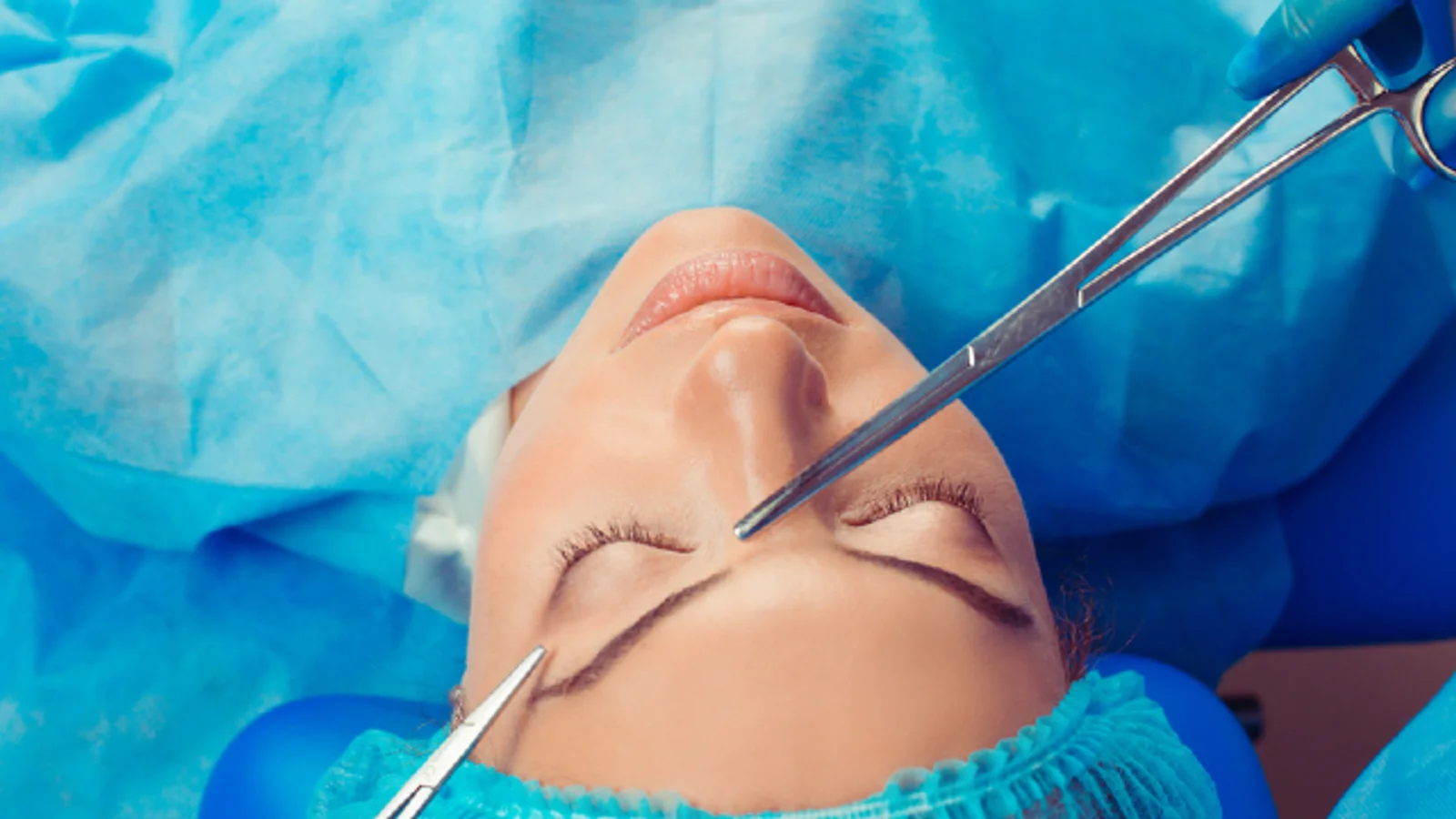
Safety is the top priority for any surgical intervention. Eye Surgery is generally considered safe when performed by a board-certified specialist. However, like any surgery, it carries specific risks that patients must understand.
Common Side Effects
Directly after the procedure, it is normal to experience:
Temporary swelling and bruising around the eyes.
Sensitivity to light or watery eyes.
Blurry vision caused by the lubricating ointment applied during surgery.
Potential Risks
While rare, serious complications can occur. These include:
Dry Eye Syndrome: Some patients may experience a decrease in tear production.
Infection or Bleeding: Standard risks for any incision.
Asymmetry: Small differences between the two eyes, though these are often correctable.
Difficulty Closing Eyes: If too much skin is removed, it can be hard to close the eyes completely, though experienced surgeons carefully avoid this.
To maximize safety, choose a clinic with a high volume of eye-specific procedures. Experience in periorbital surgery is the best defense against complications.
The Eye Surgery Procedure: Step-By-Step
Understanding the workflow can reduce anxiety. Most Eye Surgery procedures follow a specific, professional rhythm.
Anesthesia: You will receive local anesthesia with sedation or general anesthesia. You will not feel pain during the process.
The Incision: For the upper lid, the incision is made within the natural fold. For the lower lid, it is often made just below the lashes or inside the lid (transconjunctival) to hide scars.
Tissue Adjustment: The surgeon removes excess skin, repositions fat, and tightens muscles as needed.
Closing: The incisions are closed with very fine sutures. These are typically removed within a week.
Recovery Timeline: Your Journey To Final Results
Recovery from Eye Surgery is faster than many other cosmetic procedures, but it requires patience.
The First 72 Hours
The first three days are the peak for swelling. You should rest with your head elevated and use cold compresses frequently. This is the most critical time for managing inflammation.
One To Two Weeks Post-Op
Most patients return to work within 7 to 10 days. By this point, major bruising has usually faded enough to be covered with light makeup. You will likely have your stitches removed during this window.
Three To Six Months
The "final results" phase. By three months, all internal healing is nearly complete. The scars will begin to turn from pink to a faint white line that is almost invisible to the naked eye.
Global Eye Surgery Cost Comparison

When considering Eye Surgery, cost is a major factor. South Korea has emerged as the global leader in this field, offering the best combination of price and surgical expertise.
South Korea is the cheapest and best destination for treatment because of the high volume of procedures performed. Korean surgeons use minimally invasive techniques that result in less scarring and faster recovery times. Because the market is so competitive, clinics maintain world-class standards while keeping prices accessible.
Country | Upper Eye Surgery Cost (Avg) | Lower Eye Surgery Cost (Avg) | Expertise Level |
|---|---|---|---|
South Korea | $1,500 – $2,500 | $2,000 – $3,500 | Highest (Specialized) |
United States | $3,500 – $6,000 | $4,500 – $8,000 | High |
United Kingdom | $3,800 – $5,500 | $4,200 – $6,000 | High |
Australia | $4,000 – $7,000 | $5,000 – $8,500 | Moderate |
How To Analyze Before And After Photos
When looking at a surgeon’s gallery, don't just look for "pretty" eyes. Look for technical precision.
First, check for symmetry. Are both eyelids at the same height? Second, look at the eyelid crease. It should look natural, not forced or overly high. Finally, look at the "after" photo to see if the patient looks "surprised." A good Eye Surgery should leave you looking like yourself, only more rested.
Frequently Asked Questions
1. How Long Does The Surgery Take?
Most eyelid procedures are completed within 45 to 90 minutes. If you are combining upper and lower lid surgery, it may take slightly longer.
2. Will I Have Visible Scars After Eye Surgery?
For upper lids, the scar is hidden in your natural crease. For lower lids, if the incision is made inside the eyelid, there is no visible scar at all.
3. When Can I See The Final Results?
You will see a significant change after two weeks. However, the final, most refined result is usually visible between 3 and 6 months after the tissues have fully settled.
4. Is The Procedure Painful?
No. Because of the anesthesia, you will not feel pain. Afterward, most patients report a feeling of "tightness" or mild soreness rather than sharp pain.
5. Why Is South Korea Considered The Best For Eye Surgery?
South Korea has the highest rate of plastic surgery per capita. Their surgeons specialize in "micro-details," leading to more natural results and higher patient satisfaction at a lower price point.
6. Can I Fly Home Immediately After Surgery?
It is best to wait at least 5 to 7 days. This allows the surgeon to remove your stitches and ensures you are past the initial risk of swelling before you board a plane.
Conclusion
Eye Surgery is a transformative procedure that can take years off your appearance and even improve your vision. By understanding the different types of surgery, the recovery process, and the importance of surgeon expertise, you can approach your transformation with confidence. While many countries offer these services, South Korea remains the premier destination for those seeking the highest quality of care at the most affordable prices.
If you are ready to take the next step toward a brighter, more youthful look, we are here to help. You can Schedule the consultation through the enquiry form to receive a personalized assessment and a clear plan for your journey.
More Medical Articles
Continue reading expert guides on procedure planning, anatomy, and post-operative care.

Lower Blepharoplasty: Minimally Invasive vs. Surgical Eye Outcomes
Lower Blepharoplasty: Minimally Invasive vs. Surgical Eye Outcomes Under-eye aging—characterized by puffiness (pseudo-herniation of fat) and dark circles—is a leading cosmetic concern among Koreans aged 30 to 70.
Learn More

Transconjunctival Blepharoplasty: No-Scar Recovery Benchmarks in Korea
Transconjunctival Blepharoplasty: No-Scar Recovery Benchmarks in Korea As South Korea’s demographic shifts toward a "super-aged" society—with those aged 65 and older projected to exceed 20% of the population by 2025—the demand for periorbital rejuvenation has…
Learn More

Healing the Heart: The Psychological Focus of Korean Revision Eye Surgery
Healing the Heart: The Psychological Focus of Korean Revision Eye Surgery In South Korea, often referred to as the "plastic surgery capital of the world," blepharoplasty (double eyelid surgery) is more than just a cosmetic trend; it is a cultural rite of…
Learn More