1:1 Customized Plastic Surgery & Aesthetic Medicine in Gangnam, Seoul — Led by Dr. In-Bae Kim
★ 5.0 Verified Patient Rating
en-US

Clinical Guide & Insights
Eye Bag Surgery vs. Fillers: Which Gives Lasting Results?
Discover the pros, cons, and lasting results of eye bag surgery vs. fillers. Find out which treatment suits you best. Learn more now!
Schedule a ConsultationIntroduction
Most patients don’t visit a plastic surgery clinic with a procedure already chosen.
They arrive with a concern—often understated, sometimes emotional, and almost always tied to how others perceive them.
“I look tired even when I’m not.”
“People keep asking if I’m stressed or sick.”
“My eyes make my whole face look older.”
In Seoul, particularly in Gangnam where aesthetic expectations emphasize refinement rather than obvious change, under-eye concerns are one of the most common reasons patients seek consultation. Eye bags, hollows, and lower eyelid shadows may seem minor, but they strongly influence how rested, healthy, and approachable a person appears.
During consultation, one question comes up repeatedly:
Is eye bag surgery necessary, or can fillers achieve the same result?
The answer is not about trends, convenience, or downtime.
It is about anatomy, aging patterns, and how long you want the improvement to last.
At Arke Clinic, this distinction is central to treatment planning. Below is a structured, medically grounded comparison designed to help patients understand which option offers temporary camouflage and which provides lasting correction.
What Causes Eye Bags? (The Foundation of the Decision)
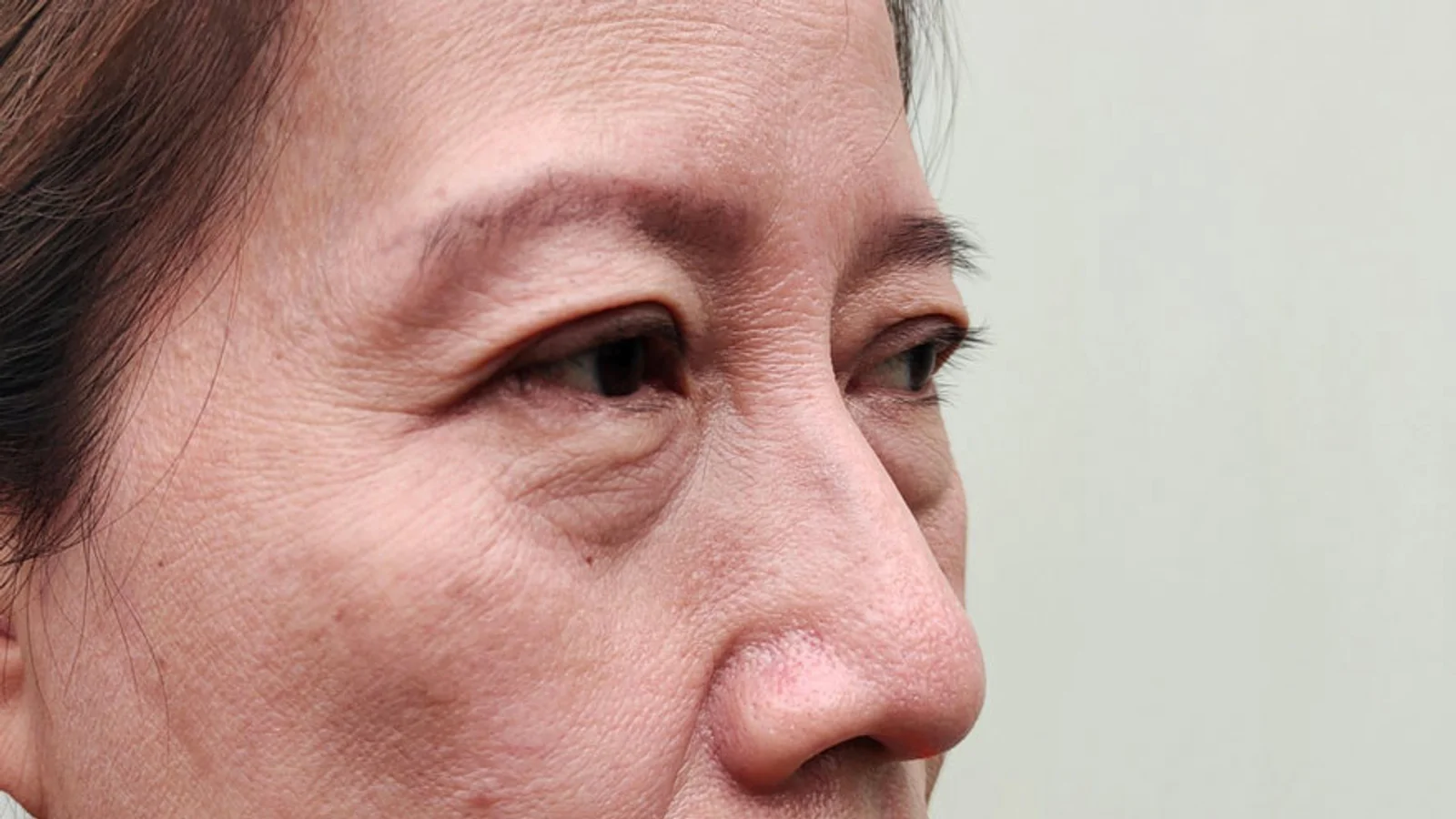
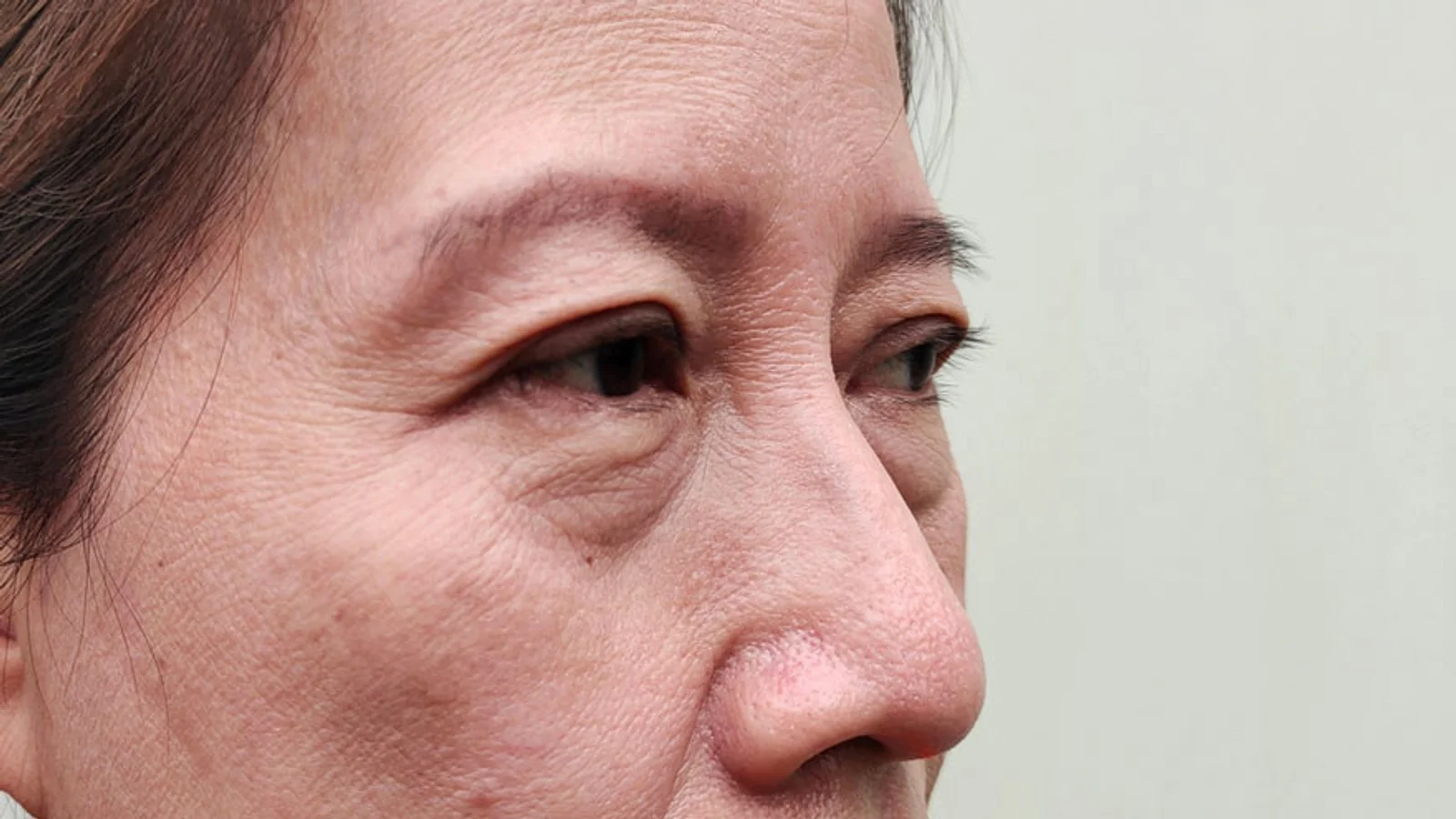
One of the most important concepts patients need to understand is that “eye bags” are not a single diagnosis. Clinically, they result from different anatomical changes that occur at different depths of the lower eyelid.
Treating all under-eye concerns the same way is one of the most common reasons patients feel disappointed—even when procedures are technically successful.
Protruding Under-Eye Fat
With aging, or simply due to genetics, the fat pads that cushion the eye can push forward as the thin orbital septum weakens. This creates visible bulging beneath the eyes, often more noticeable in the morning or after fatigue.
This type of eye bag is structural.
No topical treatment, laser, or filler can remove or reposition protruding fat.
Tear Trough Volume Loss
Some patients appear to have eye bags, but the issue is actually hollowing beneath the eye, known as tear trough depression. When volume is lost between the lower eyelid and the cheek, even normal fat pads can appear prominent by comparison.
In these cases, the problem is not excess—but deficiency.
Skin Laxity and Texture Changes
The lower eyelid has some of the thinnest skin on the body. Over time, collagen and elastin loss lead to creasing, fine wrinkles, and mild sagging. Even without significant fat bulging or hollowing, these changes can create shadows that mimic eye bags.
Most patients have a combination of these factors.
The dominant cause determines whether surgery, fillers, or a combined approach will be most effective.
Eye Bag Surgery (Lower Blepharoplasty): What It Actually Does

Lower blepharoplasty is a surgical procedure designed to correct true under-eye fat protrusion, with or without accompanying skin laxity.
Importantly, modern lower blepharoplasty is not about aggressively removing fat. That approach—common years ago—is why some patients developed hollow, tired-looking eyes as they aged.
At Arke Clinic, lower blepharoplasty focuses on fat repositioning and contour harmony, an approach guided by the long-term outcomes emphasized by Dr. In-Bae Kim.
With extensive experience and an academic background in medicine, Dr. Kim emphasizes preserving youthful volume while correcting abnormal protrusion.
Surgical Techniques (Simplified)
Transconjunctival Lower Blepharoplasty
The incision is made inside the eyelid, leaving no visible scar. This method is ideal for patients with prominent fat pads but good skin elasticity. Recovery is typically faster, and there is minimal disruption to eyelid structure.
Subciliary Lower Blepharoplasty
A fine incision is placed just beneath the lash line. This approach allows the surgeon to address both fat and excess skin, making it suitable for patients with skin laxity. Precision is essential to maintain eyelid position and avoid postoperative complications.
In both approaches, the objective is the same:
to restore a smooth, natural transition between the lower eyelid and cheek—not to eliminate all signs of aging.
Longevity of Eye Bag Surgery Results
One of the strongest advantages of eye bag surgery is its durability.
Because lower blepharoplasty corrects the underlying anatomical cause, results are long-lasting rather than maintenance-based.
For most patients:
Results last 10–15 years or longer
Many never require repeat surgery
The original fat bulging rarely returns once corrected
While aging continues naturally, patients typically maintain a smoother under-eye contour that ages in harmony with the rest of the face.
For individuals with genetically prominent eye bags, surgery is often the most definitive—and cost-effective—solution over a lifetime.
Under-Eye Fillers: What They Can—and Cannot—Do
Under-eye fillers most commonly use hyaluronic acid (HA) to restore volume in the tear trough area.
When used appropriately, fillers can:
Reduce shadowing
Improve a tired or sunken appearance
Offer immediate results with minimal downtime
For carefully selected patients, fillers can produce subtle, natural improvement.
However, the under-eye area is one of the most technically demanding regions of the face. The skin is thin, blood vessels are numerous, and lymphatic drainage is delicate. Small inaccuracies can become visible months—or years—later.
Most importantly, fillers do not correct protruding fat.
They only mask contour irregularities caused by volume loss.
How Long Do Under-Eye Fillers Last in Reality?
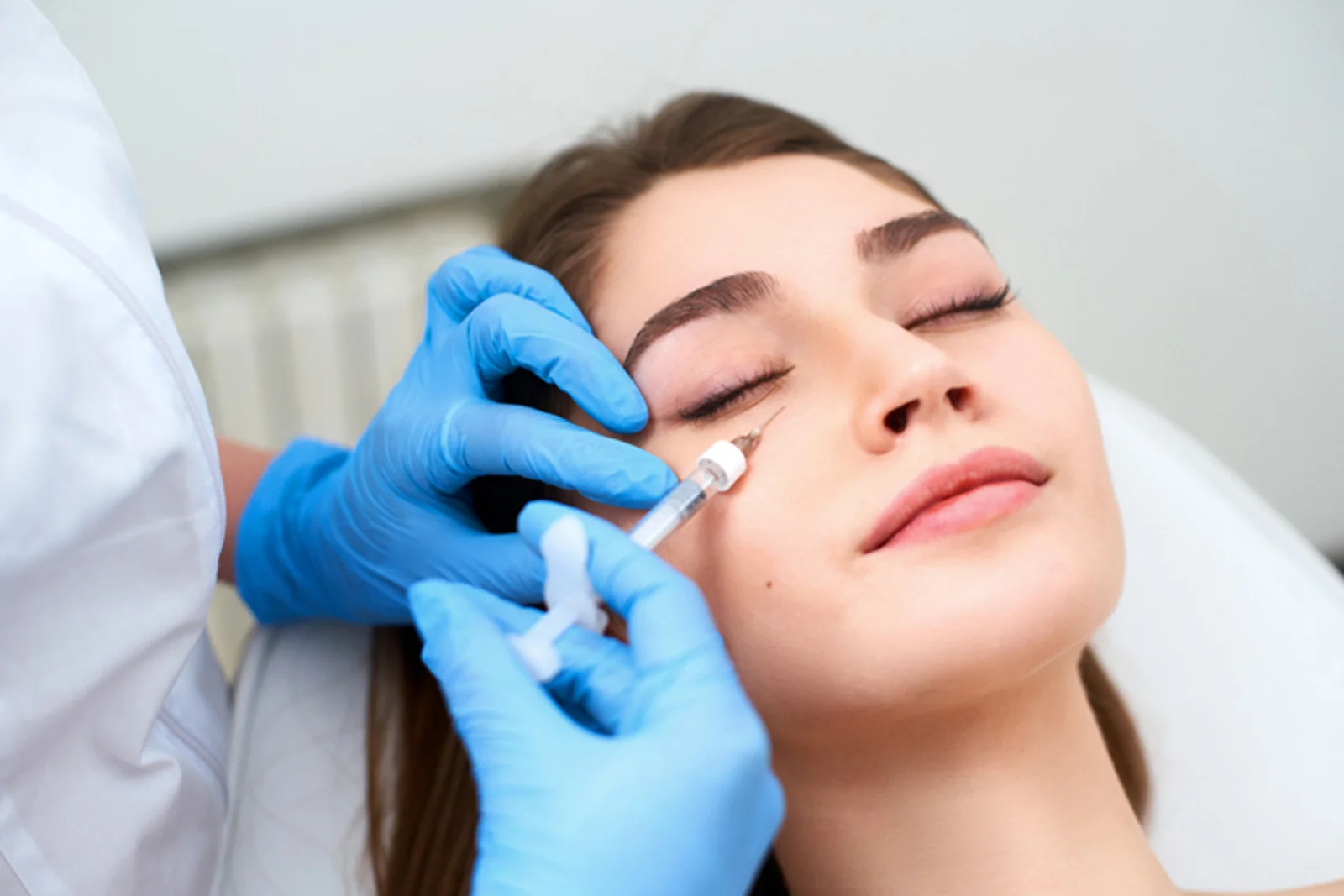
While hyaluronic acid fillers are often described as lasting 6–12 months, real-world outcomes are more nuanced.
In clinical practice:
Residual filler can persist for years
Visual results often degrade before filler fully dissolves
Repeated injections increase the risk of chronic puffiness, firmness, or uneven texture
Over time, HA fillers can attract water, leading to a swollen appearance that patients may mistake for worsening eye bags.
For this reason, experienced clinics in Seoul are increasingly conservative with under-eye fillers, especially in patients who already have fat protrusion.
Surgery vs. Fillers: A Clear Longevity Comparison
Eye Bag Surgery
Addresses the root anatomical cause
Long-lasting (10–15+ years)
Requires recovery time
Best for true fat protrusion
Under-Eye Fillers
Temporary camouflage
Requires ongoing maintenance
Minimal downtime
Best for mild hollowing without fat bulging
For patients seeking plastic surgery in Gangnam, where long-term facial harmony is emphasized, this distinction is critical.
The Korean Aesthetic Perspective
In Gangnam, patients tend to prioritize:
Subtle, undetectable enhancement
Results that age gracefully
Fewer repetitive procedures over time
Rather than chasing short-term improvement, many patients prefer treatments that integrate naturally into the aging process.
This is why clinics in Seoul often recommend surgery earlier—when clearly indicated—instead of masking structural issues with repeated filler injections.
Patients traveling for Seoul facial rejuvenation sometimes find this approach surprising, but it reflects a long-term medical philosophy rather than a trend-driven one.
When Fillers Are the Right Choice
Despite their limitations, fillers are not inappropriate when used selectively.
They may be a good option when:
Volume loss is the primary issue
There is no significant fat protrusion
Skin quality is firm
The patient prefers a temporary solution
At Arke Clinic, fillers are often used conservatively or as a complementary treatment—not as a substitute for surgery when surgery is clearly needed.
An Insight Many Clinics Don’t Mention
Repeated under-eye fillers can complicate future surgery.
Residual filler, scar tissue formation, and altered lymphatic drainage may reduce surgical precision. Surgery remains possible, but outcomes may be less predictable.
This is why early, accurate diagnosis is often more important than choosing the least invasive option.
Final Answer: Which Option Truly Gives Lasting Results?
Protruding fat → Eye bag surgery
Pure volume loss → Fillers may be sufficient
Combination of both → Surgery with conservative volume restoration
There is no universal solution—only anatomy-specific treatment planning.
Choosing the Right Clinic Matters More Than the Method
Whether surgical or non-surgical, outcomes depend on:
Accurate anatomical diagnosis
Surgeon experience
Willingness to recommend against treatment when appropriate
Clinics like Arke Clinic Gangnam emphasize personalized planning, one-to-one consultation, and techniques designed to remain natural over time—not just impressive immediately after treatment.
Closing Thoughts
If you feel uncertain about whether surgery or fillers are right for you, that hesitation is healthy.
The best results come from choosing the correct solution for your anatomy, not the fastest or most popular one.
If you are considering eye bag correction, consult a clinic that prioritizes long-term outcomes, honest diagnosis, and anatomical precision. A thoughtful consultation will always provide more clarity than a quick recommendation.
More Medical Articles
Continue reading expert guides on procedure planning, anatomy, and post-operative care.

Lower Blepharoplasty: Minimally Invasive vs. Surgical Eye Outcomes
Lower Blepharoplasty: Minimally Invasive vs. Surgical Eye Outcomes Under-eye aging—characterized by puffiness (pseudo-herniation of fat) and dark circles—is a leading cosmetic concern among Koreans aged 30 to 70.
Learn More

Transconjunctival Blepharoplasty: No-Scar Recovery Benchmarks in Korea
Transconjunctival Blepharoplasty: No-Scar Recovery Benchmarks in Korea As South Korea’s demographic shifts toward a "super-aged" society—with those aged 65 and older projected to exceed 20% of the population by 2025—the demand for periorbital rejuvenation has…
Learn More

Healing the Heart: The Psychological Focus of Korean Revision Eye Surgery
Healing the Heart: The Psychological Focus of Korean Revision Eye Surgery In South Korea, often referred to as the "plastic surgery capital of the world," blepharoplasty (double eyelid surgery) is more than just a cosmetic trend; it is a cultural rite of…
Learn More