1:1 Customized Plastic Surgery & Aesthetic Medicine in Gangnam, Seoul — Led by Dr. In-Bae Kim
★ 5.0 Verified Patient Rating
en-US

Clinical Guide & Insights
Epicanthoplasty Explained: How to Achieve Natural, Wider-Looking Eyes
Discover how epicanthoplasty creates natural, wider-looking eyes. Learn about the procedure, benefits, and results in this expert guide.
Schedule a ConsultationIntroduction
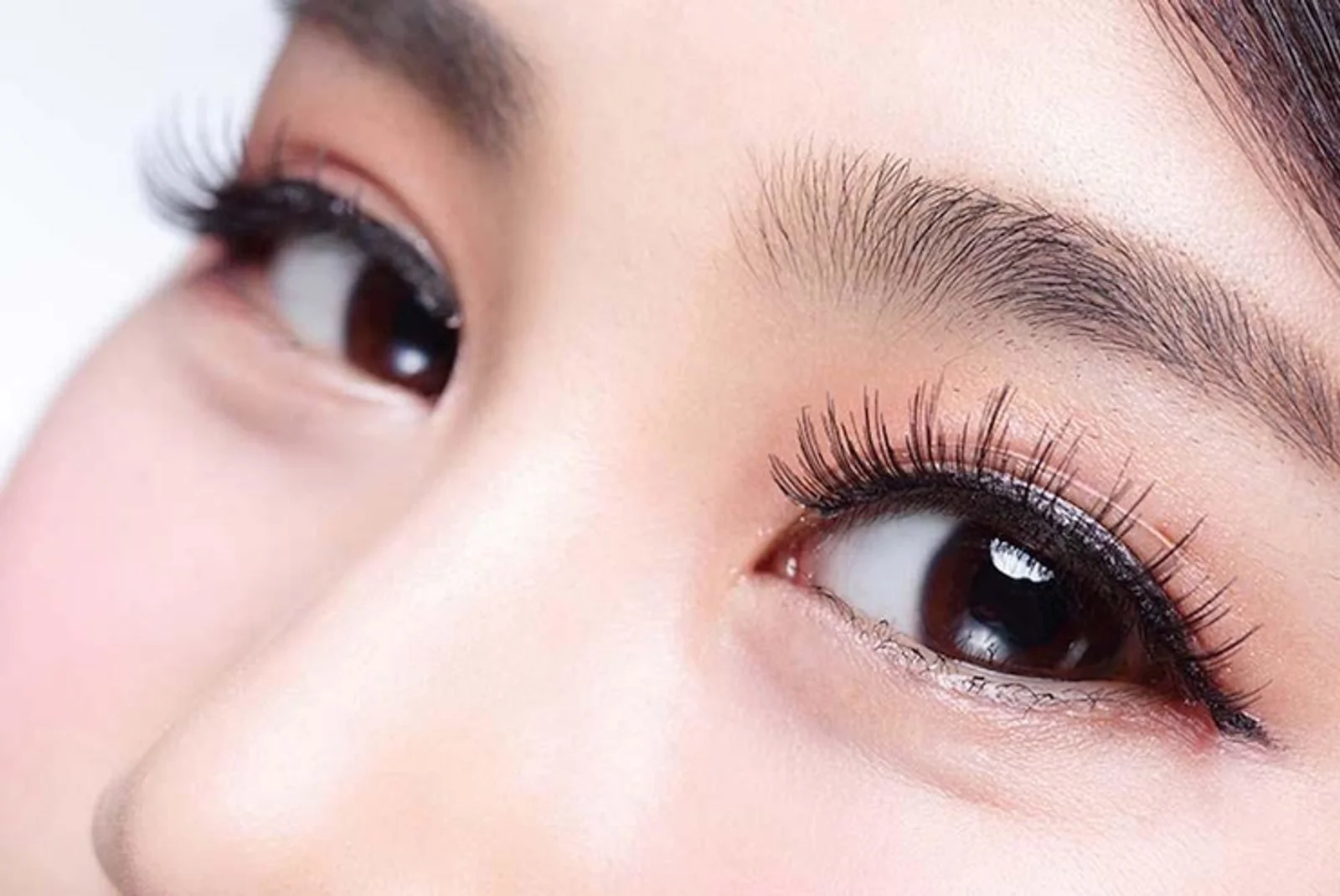
When people think about eye surgery in Korea, double eyelid surgery usually comes to mind first. But there’s another procedure that quietly transforms the eyes in a way many patients don’t immediately notice by name: epicanthoplasty. This delicate surgery addresses the small fold of skin at the inner corner of the eye (the epicanthal fold), creating a smoother, more open appearance.
At Arke Clinic in Gangnam, we often meet patients who say:
“I don’t want to look like a completely different person — I just want my eyes to look a little bigger, a little brighter.”
That’s where epicanthoplasty comes in. It doesn’t change the essence of your features, but it refines the frame of the eyes so they look naturally wider and more balanced.
What Is Epicanthoplasty?
The epicanthal fold — that small flap of skin covering the inner corner of the eye — is common among East Asian patients. For some, it creates a slightly “shorter” or “narrower” eye shape, sometimes even causing a mild cross-eyed look in photos.
Epicanthoplasty is a microsurgical procedure that adjusts or removes this fold, allowing the eyes to appear:
Wider horizontally
More almond-shaped and balanced
Brighter, with the whites of the eyes more visible
Unlike double eyelid surgery, which reshapes the crease of the eyelid, epicanthoplasty focuses entirely on the inner corner. Many patients choose to combine the two for a more harmonious outcome.
From a surgeon’s perspective, the operation is deceptively small. The incision measures just a few millimeters, yet its effect on facial harmony can be striking. In fact, patients often say that after surgery, they don’t look “different” — they look rested, more approachable, and more youthful.
Why Do Patients Choose Epicanthoplasty?
To be honest, very few patients come in asking specifically for “epicanthoplasty.” Instead, they describe a feeling:
“My eyes look small or tired, even when I’m not.”
“I want my eyes to look more open in photos.”
“I had double eyelid surgery, but my eyes still look short.”
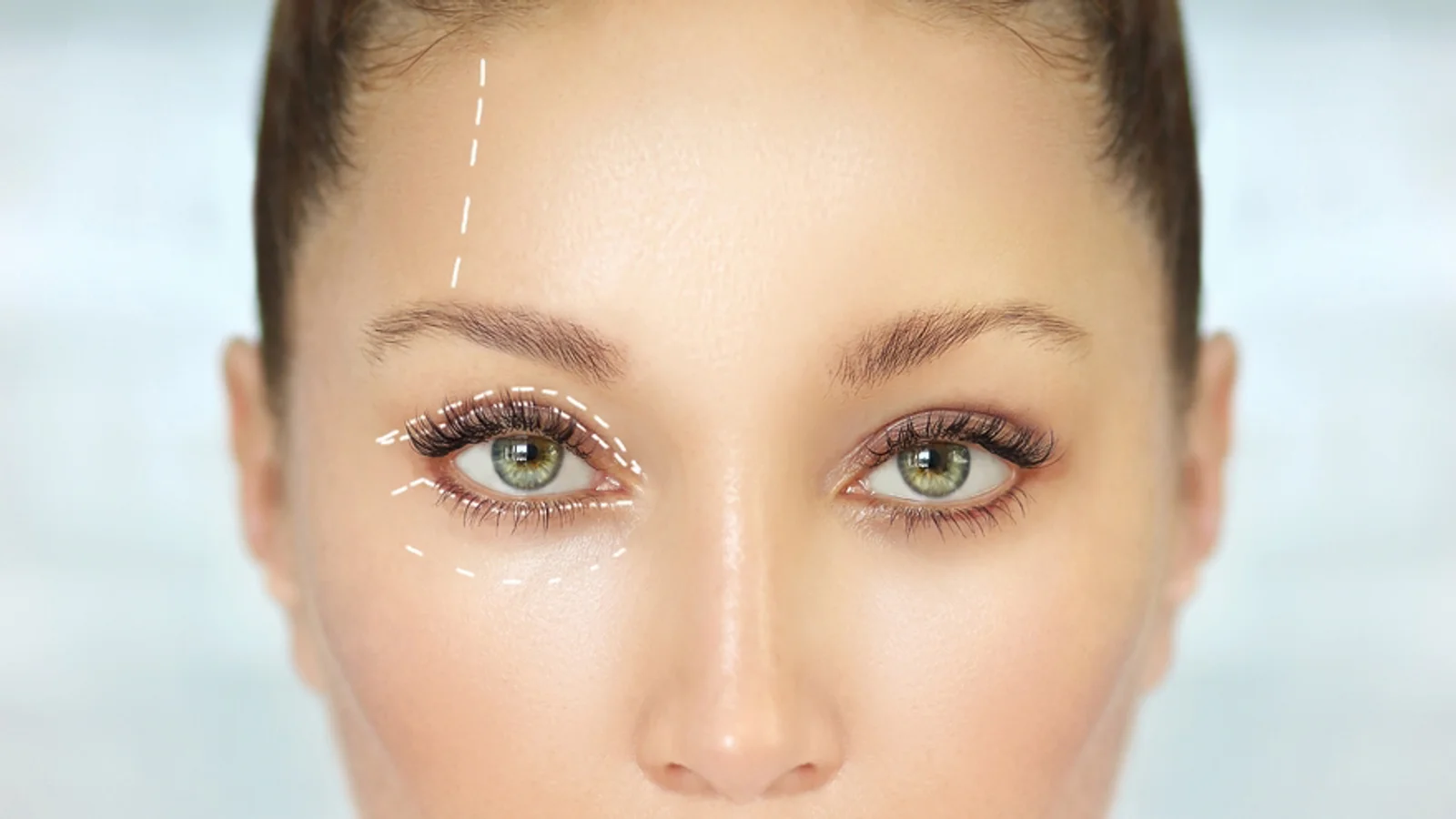
What many patients overlook is that the inner corner fold can limit how much the eyes “open up,” even after blepharoplasty. Correcting the epicanthal fold makes the eyes not only look bigger but also softer and more proportionate.
Patients often share that after the surgery, people comment:
“You look more awake” or “Your eyes look clearer.” Rarely does anyone guess it was surgery. That’s the mark of a well-performed epicanthoplasty — it enhances, rather than announces, change.
The Surgical Approach: Precision and Subtlety
One of the biggest misconceptions about epicanthoplasty is that it’s just a “cut and stitch.” In reality, it’s a surgery that requires extreme precision. If too much skin is removed, the eyes may look unnatural or “overdone.” If too little, the result is barely noticeable.
At Arke Clinic, Dr. In-Bae Kim uses a tissue-preserving method that focuses on releasing and repositioning the fold, rather than simply cutting it away. This approach ensures:
A natural transition between the inner eyelid and surrounding skin
Minimal scarring, as incisions are hidden along natural lines
Results that age gracefully with the patient’s face
To compare, it’s similar to carefully restoring the edge of a painting rather than painting over it — the goal is refinement, not replacement.
There are several techniques surgeons may use, including Z-plasty, W-plasty, or simple excision. Each has advantages and limitations. At Arke, the choice depends on individual anatomy: the degree of fold prominence, skin elasticity, and overall eye shape. This tailored planning is what prevents the “cookie-cutter” look patients often worry about.
Recovery and Healing: What to Expect
Most patients are surprised by how manageable recovery feels. Bruising and swelling are normal in the first week, but they subside steadily. By the second week, many patients feel comfortable returning to work or social activities.
Key things to know about healing:
Stitches are typically removed within 5–7 days.
Redness along the inner corner gradually fades over a few weeks.
Final results become more defined at around 2–3 months.
Patients sometimes notice that the corners look sharper than expected in the early days — this softens naturally as the tissue relaxes. Scar management treatments, such as silicone gel or laser toning, can also speed the blending process.
At Arke, we emphasize extended post-op care. Follow-up visits allow us to monitor healing closely, guide patients on scar care, and offer supplementary treatments if needed. This ongoing care helps ensure the surgical line blends seamlessly into the natural eyelid fold.
Risks and Considerations

Like all surgeries, epicanthoplasty carries risks. The most important are:
Overcorrection, where the eyes look too close together
Visible scarring if the incision is poorly placed
Asymmetry between the two eyes
Regression, where the fold partially reforms over time
These risks are minimized when the surgery is performed by an experienced surgeon who understands both anatomy and aesthetics. Dr. Kim’s 17+ years of surgical expertise allow him to plan the incision design individually for each patient’s eye shape.
One detail rarely mentioned online is the impact of skin thickness. Patients with very thick inner eyelid skin require a different surgical approach compared to those with thin, delicate skin. This nuance is often overlooked in general discussions but makes a major difference in outcome.
Who Is a Good Candidate?
Epicanthoplasty is best for patients who:
Have prominent epicanthal folds covering the inner corner of the eyes
Feel their eyes look too short or narrow
Want to enhance the results of double eyelid surgery
Prefer natural, subtle changes over dramatic alteration
It may not be suitable for patients with naturally wide-set eyes, since opening the inner corners too much can upset facial balance. This is why personalized consultation is crucial.
During consultation at Arke, we often use digital imaging to show patients a preview of what their results may look like. This helps set realistic expectations and ensures both patient and surgeon agree on the surgical plan.
Cultural Context: Why This Surgery Matters in Korea
In Seoul, and especially Gangnam, the cultural preference leans toward natural enhancement rather than drastic change. Eyes that appear slightly wider, with gentle inner corners, are seen as brighter, more approachable, and youthful.
This preference is part of why Korea has become the global hub for eye surgery. International patients travel here not only for technical skill but also for aesthetic philosophy. The goal is not to Westernize the eyes, but to refine them in a way that respects each patient’s natural features.
Epicanthoplasty is a perfect example of this approach. When done well, it doesn’t scream “surgery.” Instead, it subtly alters the way light enters the eyes and how expression is perceived. Friends and colleagues may notice you look refreshed — but they rarely pinpoint why.
Epicanthoplasty at Arke Clinic, Gangnam
At Arke Clinic, we see epicanthoplasty not as a standalone surgery, but as part of an integrated approach to eye aesthetics. Whether combined with double eyelid surgery, ptosis correction, or fat repositioning under the eyes, it plays a vital role in framing the gaze.
Dr. In-Bae Kim’s philosophy is simple: never overdo, always refine. Patients travel from within Korea and abroad because they trust that philosophy — results that are youthful, balanced, and natural, without looking “surgical.”
As part of Seoul’s competitive plastic surgery landscape, what sets Arke apart is not just surgical technique but the continuity of care. From first consultation to final follow-up months later, patients work directly with Dr. Kim, ensuring consistency and trust throughout the journey.
Final Thoughts
Epicanthoplasty is one of those surgeries that works quietly in the background. On its own, it may seem like a small adjustment. But when performed with artistry, it completely changes the impression of the eyes — brighter, wider, and more harmonious.
If you’ve been considering eye surgery in Seoul, whether double eyelid or overall rejuvenation, consult with a trusted clinic like Arke in Gangnam. Personalized planning and precision-driven care are what ensure your results look not only beautiful but also unmistakably yours.
More Medical Articles
Continue reading expert guides on procedure planning, anatomy, and post-operative care.

Lower Blepharoplasty: Minimally Invasive vs. Surgical Eye Outcomes
Lower Blepharoplasty: Minimally Invasive vs. Surgical Eye Outcomes Under-eye aging—characterized by puffiness (pseudo-herniation of fat) and dark circles—is a leading cosmetic concern among Koreans aged 30 to 70.
Learn More

Transconjunctival Blepharoplasty: No-Scar Recovery Benchmarks in Korea
Transconjunctival Blepharoplasty: No-Scar Recovery Benchmarks in Korea As South Korea’s demographic shifts toward a "super-aged" society—with those aged 65 and older projected to exceed 20% of the population by 2025—the demand for periorbital rejuvenation has…
Learn More

Healing the Heart: The Psychological Focus of Korean Revision Eye Surgery
Healing the Heart: The Psychological Focus of Korean Revision Eye Surgery In South Korea, often referred to as the "plastic surgery capital of the world," blepharoplasty (double eyelid surgery) is more than just a cosmetic trend; it is a cultural rite of…
Learn More