1:1 Customized Plastic Surgery & Aesthetic Medicine in Gangnam, Seoul — Led by Dr. In-Bae Kim
★ 5.0 Verified Patient Rating
en-US

Clinical Guide & Insights
Early Hair Loss in Men: Prevention Tips That Work
Discover proven tips to prevent early hair loss in men. Learn effective strategies to keep your hair healthy and strong. Start your journey today!
Schedule a ConsultationIntroduction: When Hair Loss Starts Quietly
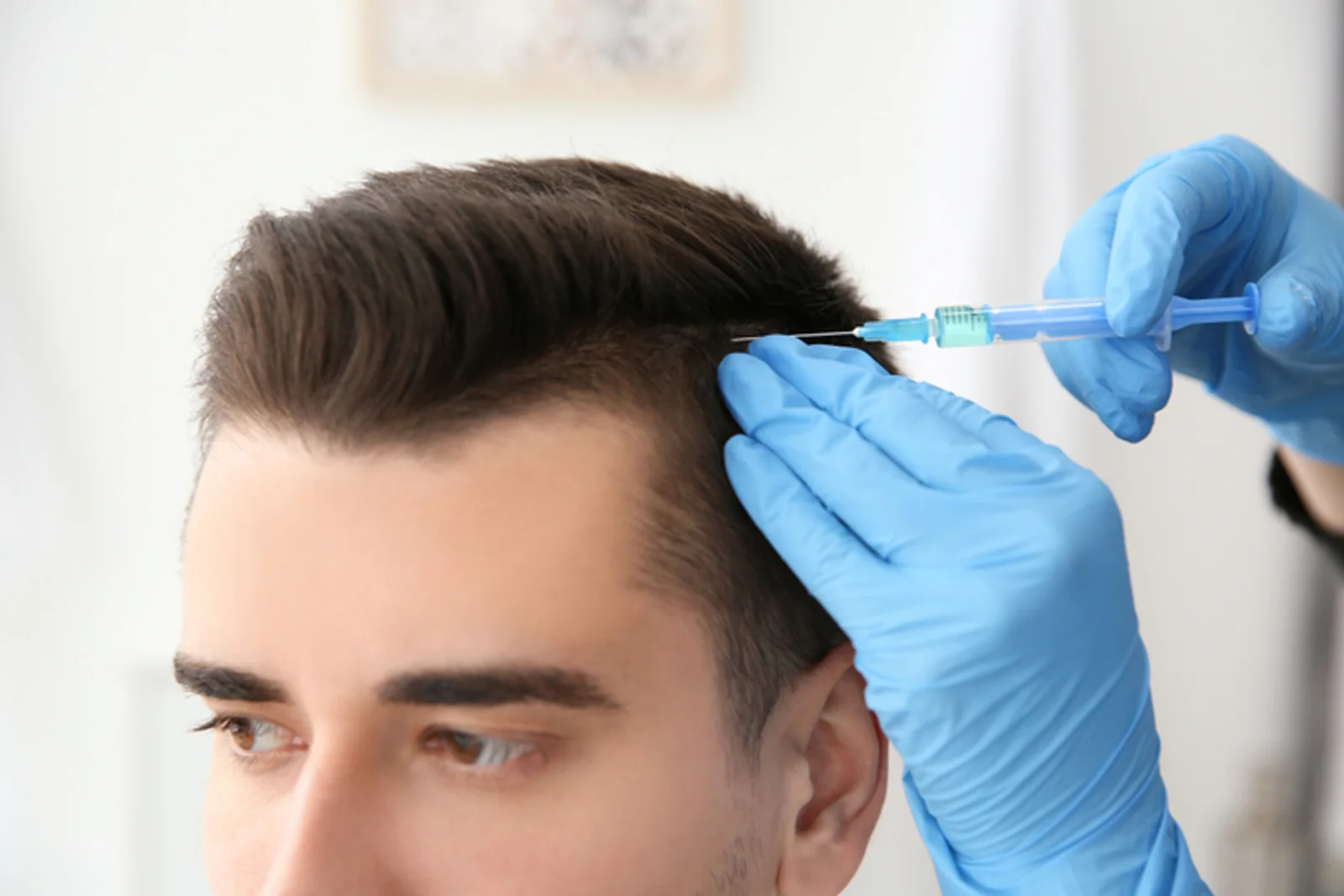
Most men don’t wake up one morning and suddenly feel “bald.”
Early hair loss almost always begins subtly — a slightly higher hairline at the temples, a crown that reflects more light under bathroom bulbs, or hair that no longer feels as dense when styled. Many male patients visiting Arke Clinic in Gangnam, Seoul describe a similar period of uncertainty:
“I kept telling myself it was stress, poor sleep, or seasonal shedding. I didn’t think it counted as real hair loss yet.”
This hesitation is understandable. Early-stage hair loss often exists in a gray area — noticeable to the person experiencing it, but not yet obvious to others. Ironically, this is also the stage when prevention is most effective.
In this article, we’ll clearly explain:
What early hair loss in men actually means
Why it occurs — beyond genetics alone
Which prevention strategies genuinely work in clinical practice
When prevention may no longer be sufficient on its own
All insights are informed by real-world experience treating men in their 20s, 30s, and 40s in Seoul, where natural appearance, long-term planning, and subtle intervention are strongly emphasized.
1. What Is Considered “Early” Hair Loss?
Early hair loss does not mean baldness, nor does it mean you have reached an irreversible stage.
From a medical perspective, early hair loss refers to progressive follicular miniaturization. In this process, terminal hairs — thick, pigmented, long-growing hairs — gradually transform into finer, shorter hairs with reduced growth cycles.
This change often progresses quietly for years.
Common Early Signs
Mild recession at the temples
Thinning at the crown noticeable under strong or overhead light
Hair strands that feel finer or lack volume
Increased daily shedding that does not fully recover after several months
A critical point many patients find surprising:
By the time hair loss is cosmetically obvious to others, 40–60% of follicular density in that region may already be lost.
This does not mean prevention has failed — but it does mean earlier recognition provides more options.
2. Why Early Hair Loss Happens (It’s Rarely Just One Cause)
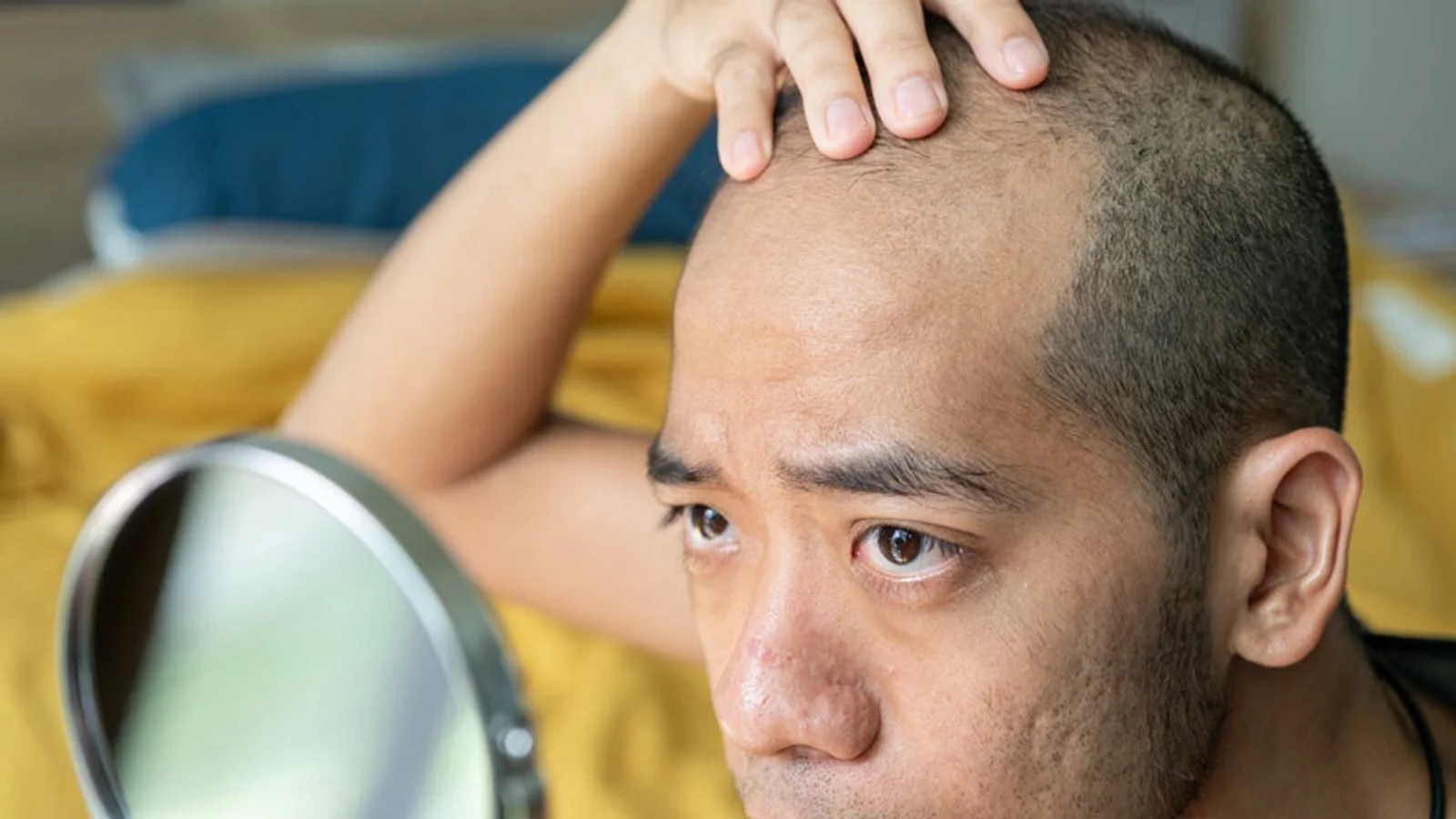
Hair loss in men is multifactorial. While genetics play a central role, clinical experience shows that progression speed and severity are influenced by several interacting factors.
2.1 Androgen Sensitivity and DHT
The primary biological mechanism behind male pattern hair loss is follicular sensitivity to dihydrotestosterone (DHT), a byproduct of testosterone metabolism.
Key clarifications:
DHT levels may be within normal range
Sensitivity varies by scalp region
The frontal hairline and crown are most vulnerable
DHT gradually shortens the hair growth cycle and shrinks follicles over time. This explains why hair loss is typically progressive rather than sudden.
2.2 Lifestyle and Environmental Accelerators
Especially in urban environments like Seoul, hair loss is often accelerated by lifestyle-related stressors.
Clinically observed contributors include:
Chronic psychological stress
Poor sleep quality or irregular sleep cycles
Smoking and frequent alcohol consumption
Rapid weight loss or restrictive dieting
Inadequate protein or micronutrient intake
These factors do not directly cause androgenetic alopecia, but they reduce follicular resilience, making genetically susceptible hair loss progress faster.
2.3 Scalp Health: The Overlooked Foundation
The scalp is living tissue with active immune, vascular, and sebaceous systems.
Chronic inflammation, excessive sebum, or poor microcirculation can:
Shorten hair growth phases
Increase shedding
Reduce responsiveness to medical treatment
A comparison many patients find intuitive:
Even healthy seeds struggle to grow in damaged soil.
This is why scalp evaluation is a routine part of hair loss assessment at Arke Clinic Gangnam, rather than an afterthought.
3. The Most Harmful Myth: “I’ll Deal With It Later”
One of the most common and damaging assumptions is that hair loss should only be treated once it becomes severe.
In reality, once follicles enter prolonged dormancy, prevention shifts toward damage control, not recovery.
From a clinical standpoint:
Active follicles can be stabilized and strengthened
Dormant follicles are difficult to revive
A helpful analogy:
Early hair loss care is conservation. Late intervention is reconstruction.
Delaying action often reduces available options and increases the need for corrective procedures later.
4. Prevention Strategies That Truly Work
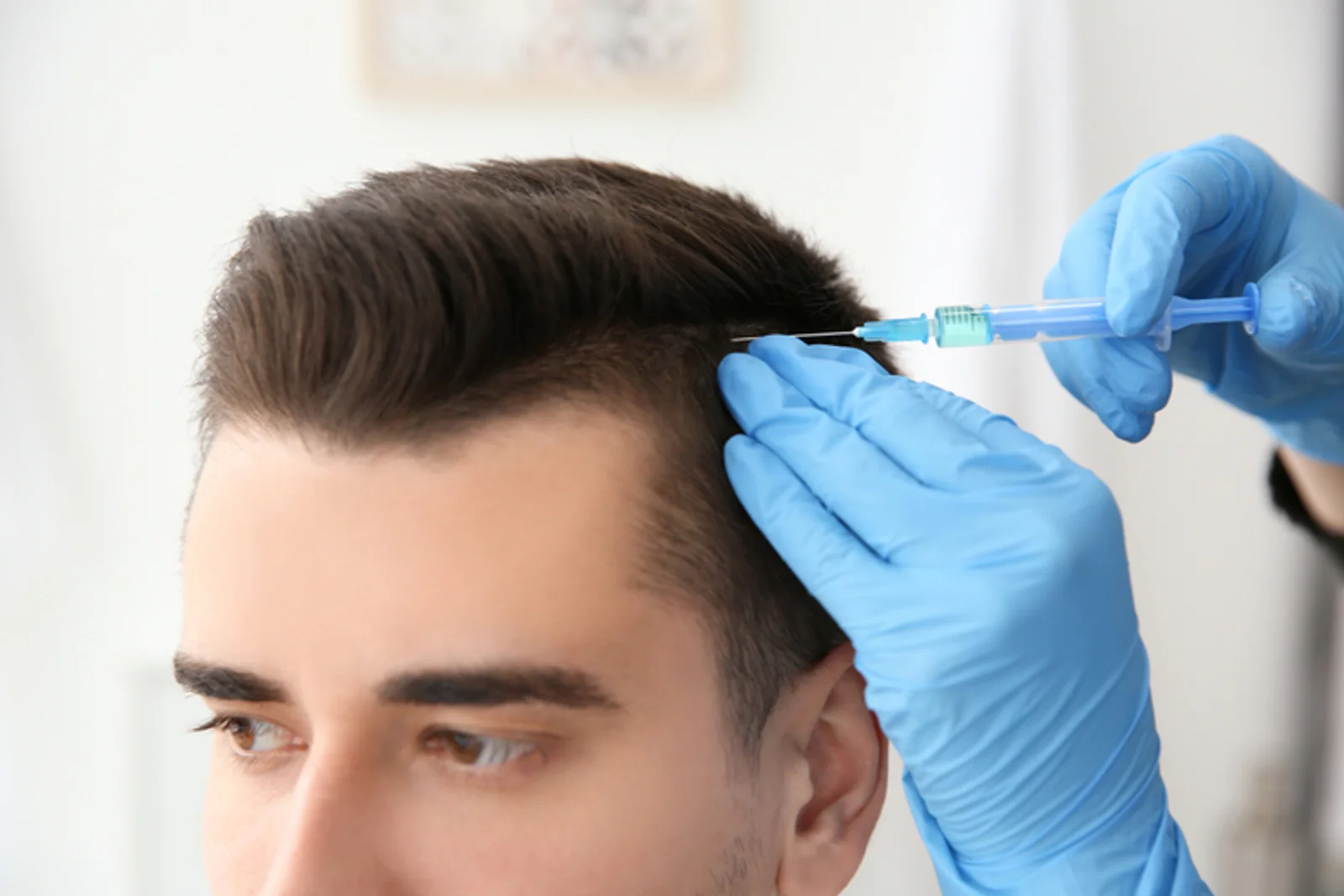
4.1 Medically Guided Treatment — Early and Consistent
Evidence-based hair loss prevention relies on clinically approved therapies that address the underlying biology of follicle miniaturization.
These typically involve:
DHT-modulating treatments (oral or topical)
Growth-supporting topical agents
At Arke Clinic Gangnam, treatment is never standardized. Plans are tailored based on:
Age and stage of hair loss
Scalp condition
Family history
Lifestyle and tolerance
Early treatment does not mean aggressive intervention. It means measured, monitored care aimed at preservation rather than drastic change.
4.2 Scalp Management Is Not Optional
Many men invest in hair products but neglect scalp health.
Effective prevention includes:
Proper cleansing that removes buildup without irritation
Control of excess sebum and inflammation
Periodic in-clinic scalp treatments or light-based therapies
In Korean aesthetic medicine, scalp care is viewed as preventive medical maintenance, not cosmetic indulgence — a perspective that consistently leads to better long-term outcomes.
4.3 Nutrition: Support, Not Guesswork
Hair follicles are among the most metabolically active structures in the body. Nutritional deficiencies can significantly worsen shedding or slow regrowth.
Commonly implicated deficiencies include:
Protein
Iron
Zinc
Vitamin D
B-complex vitamins
However, random supplementation can create imbalance or mask underlying issues. At Arke Clinic, nutritional support is targeted and evidence-based, often guided by laboratory evaluation, particularly for younger men experiencing unexpected thinning.
4.4 Stress Management Is a Medical Factor
Stress is not merely psychological — it has measurable biological effects on hair growth.
Chronically elevated cortisol:
Prolongs the shedding (telogen) phase
Disrupts normal growth cycles
Reduces responsiveness to medical treatment
Clinically, some patients stabilize hair loss without medication changes simply by improving sleep quality, stress regulation, and daily recovery. Prevention is physiological, not purely pharmaceutical.
4.5 Avoid Online “Hair Experiments”
The internet offers endless hair loss “hacks,” many of which do more harm than good.
Common mistakes include:
Excessive microneedling without supervision
Combining multiple active treatments simultaneously
Frequently changing products or regimens
Hair follicles respond best to consistency and stability, not constant experimentation. More intervention does not equal better outcomes.
5. When Prevention Alone Is No Longer Enough
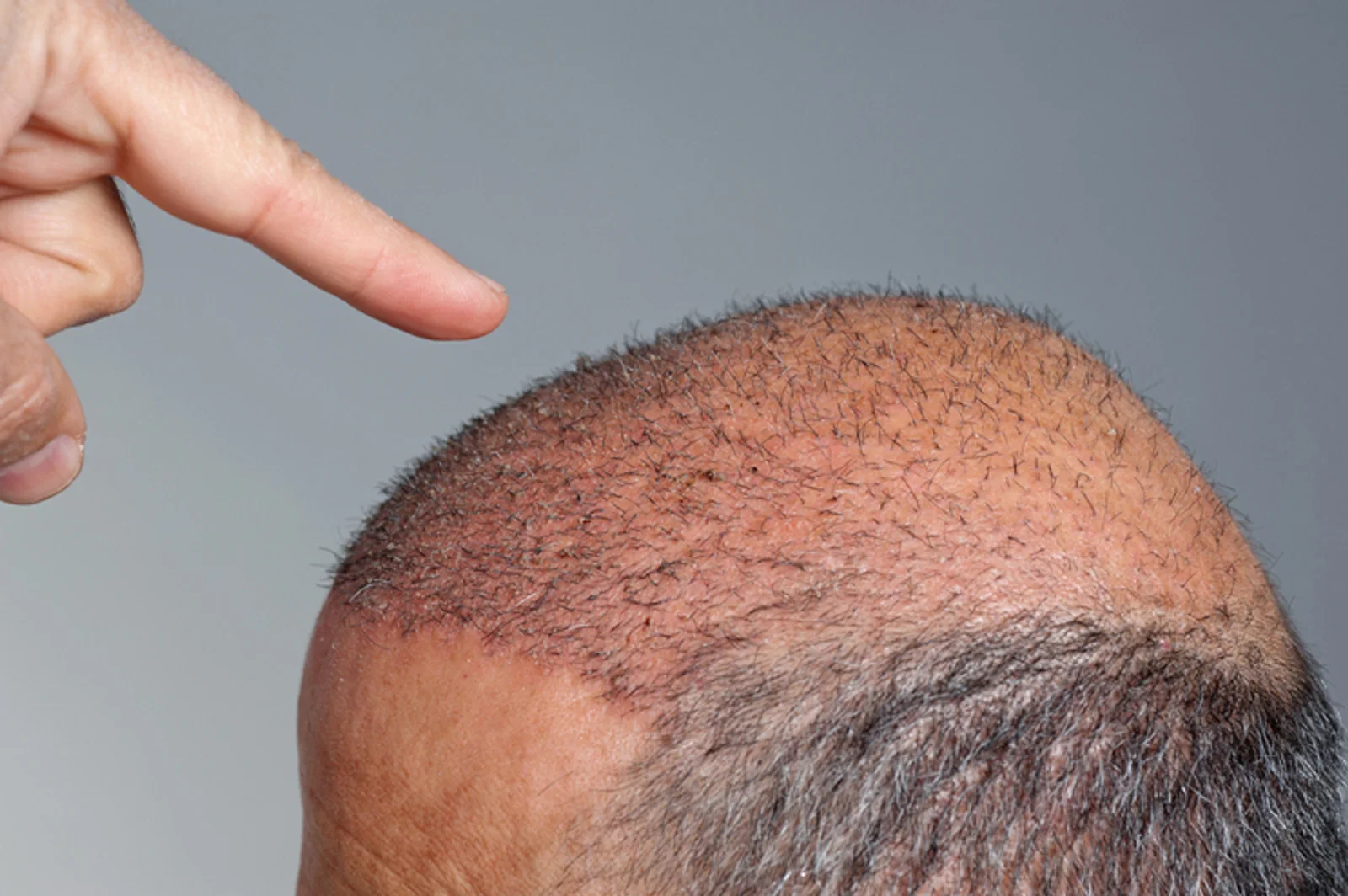
If hair loss has progressed beyond early stages, prevention may no longer restore visible density.
In such cases, additional options may include:
Regenerative non-surgical therapies
Microfat or stem-cell–assisted treatments
Hair transplantation, when appropriate
At Arke Clinic in Seoul, Dr. In-Bae Kim emphasizes balance and timing — restoring density only where it can look natural, while stabilizing surrounding areas to prevent future loss.
Overcorrection is avoided. Long-term harmony matters more than short-term density.
6. A Clinical Insight Most Men Find Reassuring
Here is a perspective many patients find unexpectedly relieving:
The goal is not to preserve the hair you had at 18.
The goal is to maintain a hair pattern that looks appropriate and natural for your age — now and ten years from now.
Men who adopt this mindset tend to:
Experience less anxiety
Adhere more consistently to treatment
Feel more satisfied with outcomes
Realistic expectations are a form of prevention themselves.
7. Why Many Men Seek Hair Loss Prevention in Seoul
Seoul’s global reputation in aesthetic medicine is rooted in early intervention and prevention-focused care.
Patients seeking plastic surgery in Gangnam or advanced aesthetic treatment often notice:
Emphasis on subtlety
Long-term planning
Individualized medical strategies
At Arke Clinic Gangnam, hair loss prevention is approached with the same precision applied to facial rejuvenation, rhinoplasty, and contouring — conservative, customized, and medically responsible.
8. What to Do If You’re Noticing Early Signs
If you are questioning whether it is “too early” to act, it usually is not.
A proper consultation should include:
Scalp and follicle analysis
Family history evaluation
Lifestyle and stress assessment
A personalized prevention plan, not a generic prescription
Consulting a trusted Seoul aesthetic clinic like Arke allows you to understand what is happening now — and what is worth addressing before options become limited.
Final Thought
Early hair loss does not mean you are losing control.
In many cases, it is the moment when you have the greatest ability to influence your long-term outcome — provided you act with accurate information, medical guidance, and realistic expectations.
That, more than any single product or procedure, is what makes prevention actually work.
More Medical Articles
Continue reading expert guides on procedure planning, anatomy, and post-operative care.

Lower Blepharoplasty: Minimally Invasive vs. Surgical Eye Outcomes
Lower Blepharoplasty: Minimally Invasive vs. Surgical Eye Outcomes Under-eye aging—characterized by puffiness (pseudo-herniation of fat) and dark circles—is a leading cosmetic concern among Koreans aged 30 to 70.
Learn More

Transconjunctival Blepharoplasty: No-Scar Recovery Benchmarks in Korea
Transconjunctival Blepharoplasty: No-Scar Recovery Benchmarks in Korea As South Korea’s demographic shifts toward a "super-aged" society—with those aged 65 and older projected to exceed 20% of the population by 2025—the demand for periorbital rejuvenation has…
Learn More

Healing the Heart: The Psychological Focus of Korean Revision Eye Surgery
Healing the Heart: The Psychological Focus of Korean Revision Eye Surgery In South Korea, often referred to as the "plastic surgery capital of the world," blepharoplasty (double eyelid surgery) is more than just a cosmetic trend; it is a cultural rite of…
Learn More