1:1 Customized Plastic Surgery & Aesthetic Medicine in Gangnam, Seoul — Led by Dr. In-Bae Kim
★ 5.0 Verified Patient Rating
en-US

Clinical Guide & Insights
Droopy Nose Surgery: How to Fix Sagging Tips Permanently
Discover how droopy nose surgery can fix sagging nasal tips permanently. Explore procedures, benefits, and recovery tips. Learn more today!
Schedule a ConsultationIntroduction
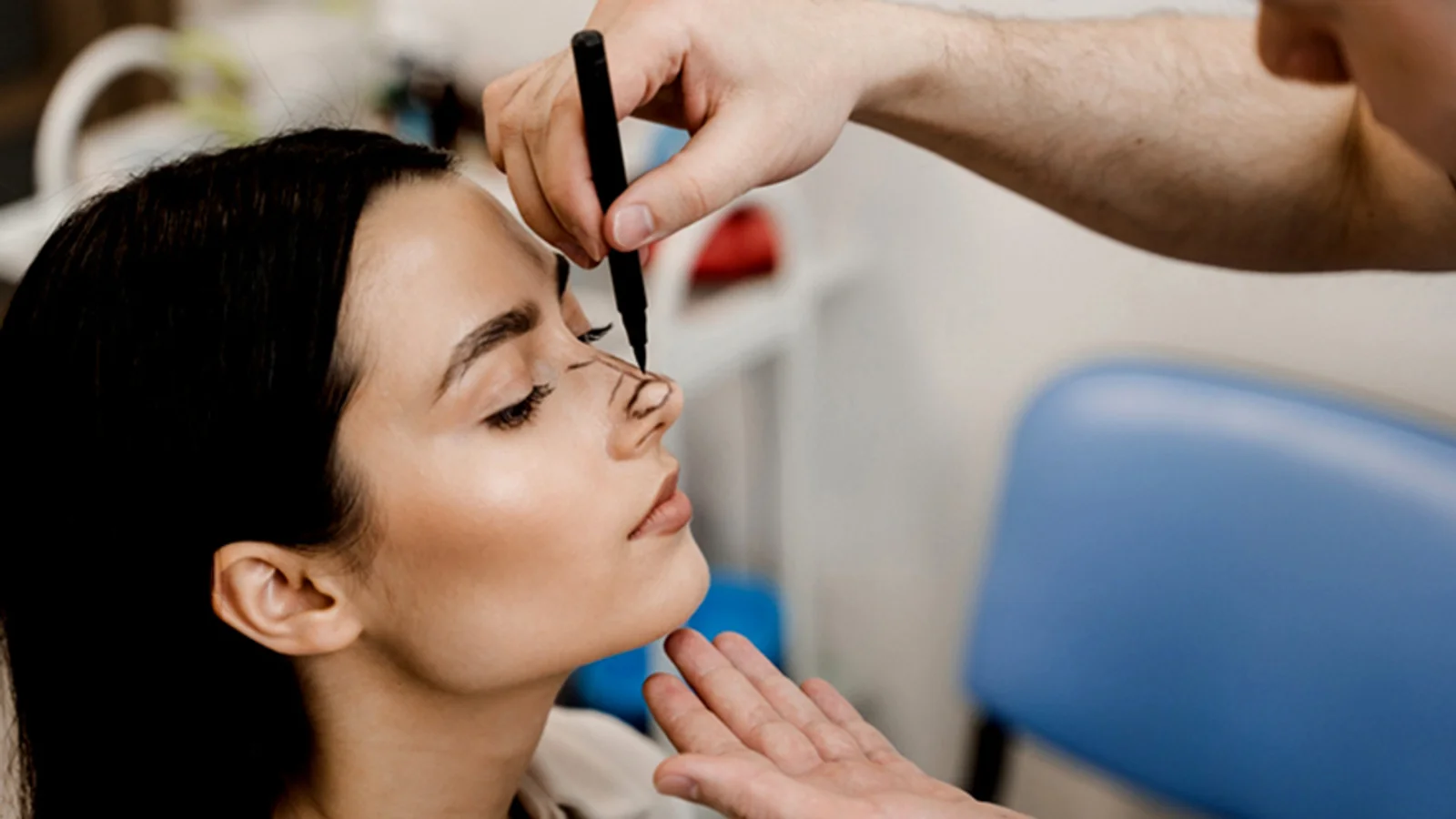
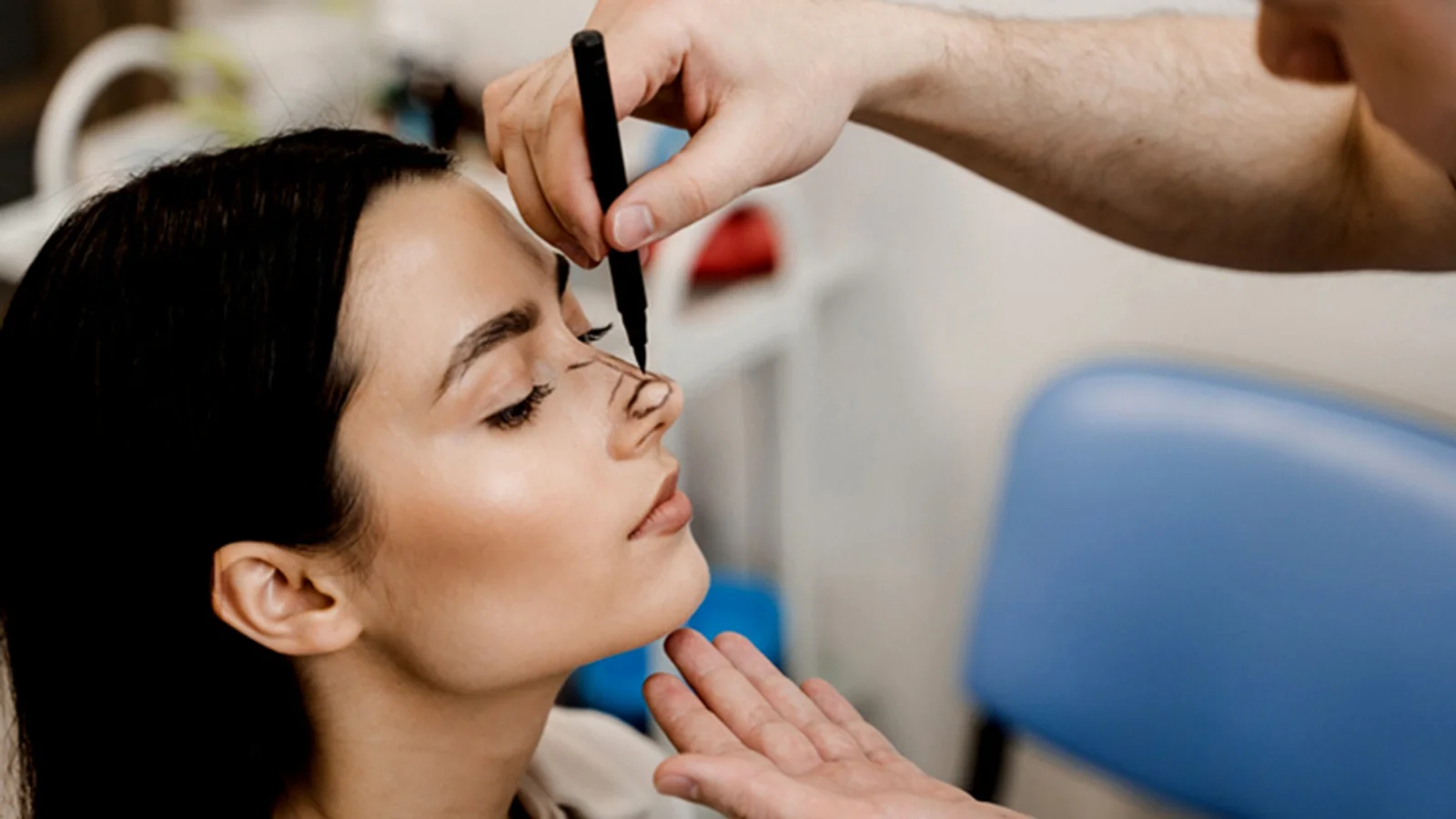
If you’ve ever looked in the mirror and noticed your nasal tip pulling downward when you smile, or felt your nose looks longer and heavier with age, you may be dealing with what’s often called a “droopy nose.” In medical terms, we refer to this as nasal tip ptosis. While it may seem like a small detail, the nasal tip can change the entire balance of the face.
At Arke Clinic in Gangnam, many of our patients—both Korean locals and international visitors—come asking the same questions: “Why does my nose sag?” and “Can surgery really fix it permanently?” Let’s walk through what causes a droopy nose, the surgical options to correct it, and what kind of results you can expect.
Why Does the Nose Tip Droop?
To understand why the nose tip sags, think of the nose as an architectural structure. Its tip is held up by cartilage, ligaments, and skin tension. Over time, or due to certain anatomical features, these supports weaken.
Common causes include:
Genetic structure – Some people are born with weak or small tip cartilages that can’t provide enough lift. In these cases, the nasal tip often appears bulbous or downward-angled even from a young age.
Aging – Just like the skin around the eyes or jawline, the nose also changes over time. The supporting ligaments loosen, cartilage weakens, and soft tissue loses elasticity. As a result, the tip slowly falls, creating a longer, heavier nose with less youthful definition.
Dynamic movement – For some patients, the problem isn’t structural but muscular. A strong depressor septi nasi muscle pulls the nose downward every time they smile or speak, exaggerating the droop.
Previous surgery – An overly aggressive rhinoplasty, especially one that removed too much cartilage, can leave the tip unsupported. Over the years, this may lead to a sagging or even collapsed nasal tip.
To be honest, many patients don’t realize that the nose ages just as noticeably as the skin or jawline. That’s why tip refinement surgery is sometimes performed alongside facelift or eyelid surgery—to restore balance across the entire face rather than correcting one feature in isolation.
The Impact of a Droopy Nose on Facial Expression
A droopy tip doesn’t just change the profile—it affects how others perceive your expression. A downward-pointing nose often casts shadows that make the mid-face look longer, heavier, or even tired.
In Korean aesthetics, where balance and harmony are highly valued, a sagging tip can disrupt proportions and create a less refined impression. For international patients, particularly from the West, the droopy nose is often associated with aging, as the nasal tip lengthens over time.
Patients frequently tell us:
“I look sad in photos even when I’m happy.”
“My nose looks longer every year.”
“I feel like my smile pulls my whole face downward.”
The truth is, even a millimeter of tip droop can influence how youthful, fresh, or confident you appear.
Non-Surgical vs. Surgical Fixes
A common question patients ask is whether fillers or Botox can “lift” the nose tip. While these methods can provide a temporary illusion of support, they do not fix the underlying problem.
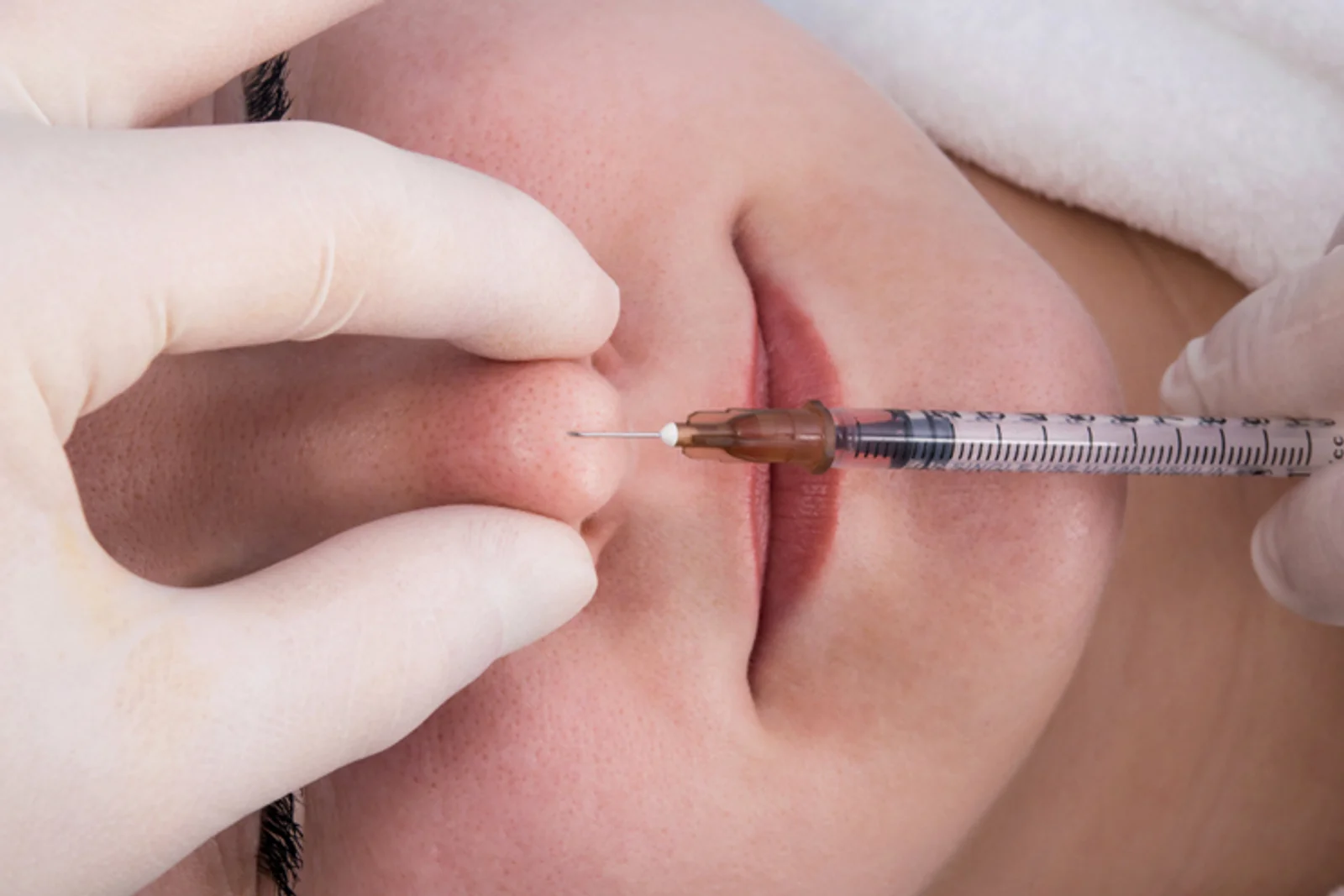
Botox – When injected into the depressor septi nasi, Botox can temporarily weaken the muscle that pulls the nose downward. The tip will appear less droopy when smiling, but the effect fades after 3–4 months.
Fillers – Strategic filler placement at the nasal base or along the bridge can disguise droopiness and create the illusion of a lifted tip. However, fillers cannot strengthen cartilage or ligaments, and results last less than a year.
For patients who want a permanent correction, surgery is the only true solution. Non-surgical methods are often used as a “preview,” but they cannot replace structural support.
Surgical Options for Droopy Nose Correction
At Arke Clinic, we approach droopy nose surgery with precision and personalization. The goal isn’t to make every nose look the same—it’s to restore balance and support while keeping the result natural.
1. Tip Cartilage Support (Columellar Strut Graft)
A small piece of cartilage—usually harvested from the nasal septum—is placed between the tip cartilages like a central pillar. This strengthens the foundation and prevents the tip from falling over time.
This method is ideal for patients with mild drooping caused by weak natural cartilage. It is one of the most common and reliable techniques used in droopy nose correction.
2. Septal Extension Graft
For patients with significant droop or weak nasal structures, a septal extension graft is often necessary. By extending the central cartilage forward, we can lift the nasal tip, adjust its projection, and control its rotation with great precision.
This technique provides excellent long-term stability, making it especially useful for patients seeking a permanent correction or those with revision cases.
3. Muscle Release
When the depressor septi nasi muscle is the main culprit, a surgical release can be performed. By carefully weakening or detaching this muscle, the tip no longer pulls downward when the patient smiles.
This is a subtle but important step in ensuring the results look natural in dynamic expressions—not just when the face is at rest.
4. Combination Techniques
In reality, most droopy nose surgeries use a combination of the above methods. For example, a patient may receive a septal extension graft for structural support and a muscle release to prevent downward pull when smiling. Each plan is tailored to the patient’s anatomy and desired outcome.
Recovery and Healing Process

Droopy nose surgery is performed under local anesthesia with sedation or general anesthesia depending on complexity. The recovery is very similar to standard rhinoplasty:
Week 1 – Splint worn externally, swelling and mild bruising around the nose and eyes.
Week 2–3 – Most swelling subsides, patients can usually return to social and professional activities.
Month 1–3 – Subtle refinement continues; tip begins to feel more natural.
Month 6–12 – Final definition settles in as swelling resolves completely and the grafts integrate.
Most patients describe the recovery as manageable. The biggest adjustment is not the pain but simply waiting for the swelling to fade so they can fully enjoy their results.
What Patients Can Expect From Results
The transformation after droopy nose surgery is often subtle yet powerful. Patients notice that:
Their nose no longer appears to lengthen when they smile.
Their overall expression feels more open and youthful.
The face looks more proportional, especially in profile.
What’s most rewarding for many is that others rarely suspect surgery. Instead, friends and colleagues may say: “You look fresher,” or “You seem happier these days.”
That’s the philosophy at Arke Clinic—results that enhance confidence without shouting “plastic surgery.”
Droopy Nose Surgery in Gangnam, Seoul
Seoul, and Gangnam in particular, has become a hub for advanced rhinoplasty because of the demand for both natural aesthetics and precise surgical technique. International patients travel here because Korean surgeons are known for their ability to achieve subtle refinements that look harmonious, not artificial.
At Arke Clinic, Dr. In-Bae Kim brings 17 years of expertise as both a surgeon and academic leader. With a PhD from Yonsei University and experience as a professor at Seoul St. Mary’s Hospital, his focus is always on safe, structural correction that lasts.
Patients—especially international visitors—often share that they feared looking “operated” after surgery. That’s why our philosophy emphasizes invisible improvement: creating a nose that fits your face, lifts your expression, and doesn’t give away that you’ve had surgery.
Is Droopy Nose Surgery Right for You?
If you notice your tip drooping when you smile, or you feel your nose has grown longer with age, you may be a candidate for droopy nose surgery. A personalized consultation is essential to determine whether cartilage support, grafting, or muscle release—or a combination—will give you the best result.
What many patients overlook is that droopy tip correction is not only cosmetic. By stabilizing the nasal structure, it can also improve breathing in cases where collapse or obstruction is present. This is why it’s important to see a clinic that approaches rhinoplasty not just as an aesthetic change, but as a structural reconstruction.
Final Thoughts
A droopy nose may seem like a small detail, but it can change the way your entire face is read by others. Correcting it is less about “cosmetic perfection” and more about restoring natural balance and expression.
If you’ve been considering this procedure, consult with a trusted clinic in Gangnam like Arke, where the approach is tailored to your unique anatomy and long-term wellbeing. With the right surgical planning, a sagging nasal tip can be lifted permanently—giving you results that age gracefully along with you.
More Medical Articles
Continue reading expert guides on procedure planning, anatomy, and post-operative care.

Lower Blepharoplasty: Minimally Invasive vs. Surgical Eye Outcomes
Lower Blepharoplasty: Minimally Invasive vs. Surgical Eye Outcomes Under-eye aging—characterized by puffiness (pseudo-herniation of fat) and dark circles—is a leading cosmetic concern among Koreans aged 30 to 70.
Learn More

Transconjunctival Blepharoplasty: No-Scar Recovery Benchmarks in Korea
Transconjunctival Blepharoplasty: No-Scar Recovery Benchmarks in Korea As South Korea’s demographic shifts toward a "super-aged" society—with those aged 65 and older projected to exceed 20% of the population by 2025—the demand for periorbital rejuvenation has…
Learn More

Healing the Heart: The Psychological Focus of Korean Revision Eye Surgery
Healing the Heart: The Psychological Focus of Korean Revision Eye Surgery In South Korea, often referred to as the "plastic surgery capital of the world," blepharoplasty (double eyelid surgery) is more than just a cosmetic trend; it is a cultural rite of…
Learn More