1:1 Customized Plastic Surgery & Aesthetic Medicine in Gangnam, Seoul — Led by Dr. In-Bae Kim
★ 5.0 Verified Patient Rating
en-US

Clinical Guide & Insights
Dermashine Pro: Is It Worth the Hype?
Discover if the Dermashine Pro lives up to its promises. Uncover benefits, drawbacks, and expert insights before you buy. Learn more now!
Schedule a ConsultationIntroduction
If you spend even a few minutes in a Seoul dermatology waiting room — especially here in Gangnam — you’ll notice an unmistakable pattern. Someone walks in with dull, tired skin, and they walk out with a glow that looks almost… unfair. Not makeup. Not filters. Just that clean, translucent radiance Koreans call “chok-chok.”
When patients ask, “How do they do it?” the truth is usually one of two things: disciplined skincare, or a quick session with Dermashine Pro — often both.
But is Dermashine Pro actually worth the hype it gets on social media and medical tourism boards? As someone who sees these patients before, during, and after treatment at Arke Clinic in Gangnam, I can say this much: the hype didn’t appear out of nowhere. Yet the treatment isn’t magic — and it’s definitely not for everyone.
This article is meant to give you a grounded, surgeon-level perspective on what Dermashine Pro really is, why it works, when it disappoints, and how to decide if it aligns with your aesthetic goals.
Why Dermashine Pro Became a Buzzword — Especially in Korea
Whenever a treatment spreads this quickly, it usually taps into a cultural priority. In Korea, that priority is skin clarity and balance, more than youth alone. Patients want to look healthy — not “done.” This explains why even those who eventually get facial rejuvenation surgery or microfat grafting at Arke Clinic often start with procedures like Dermashine.
Dermashine Pro offers something uniquely appealing:
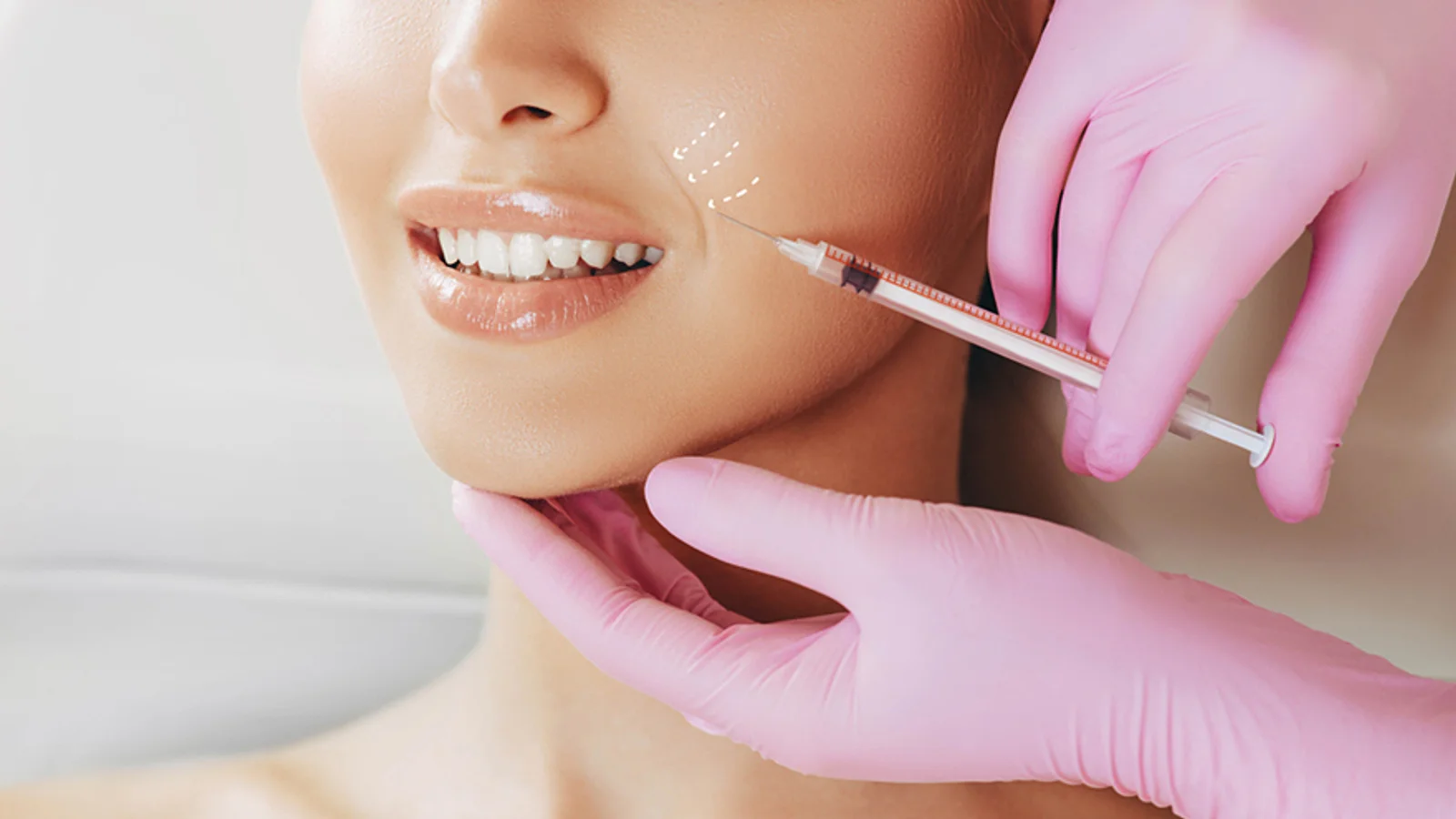
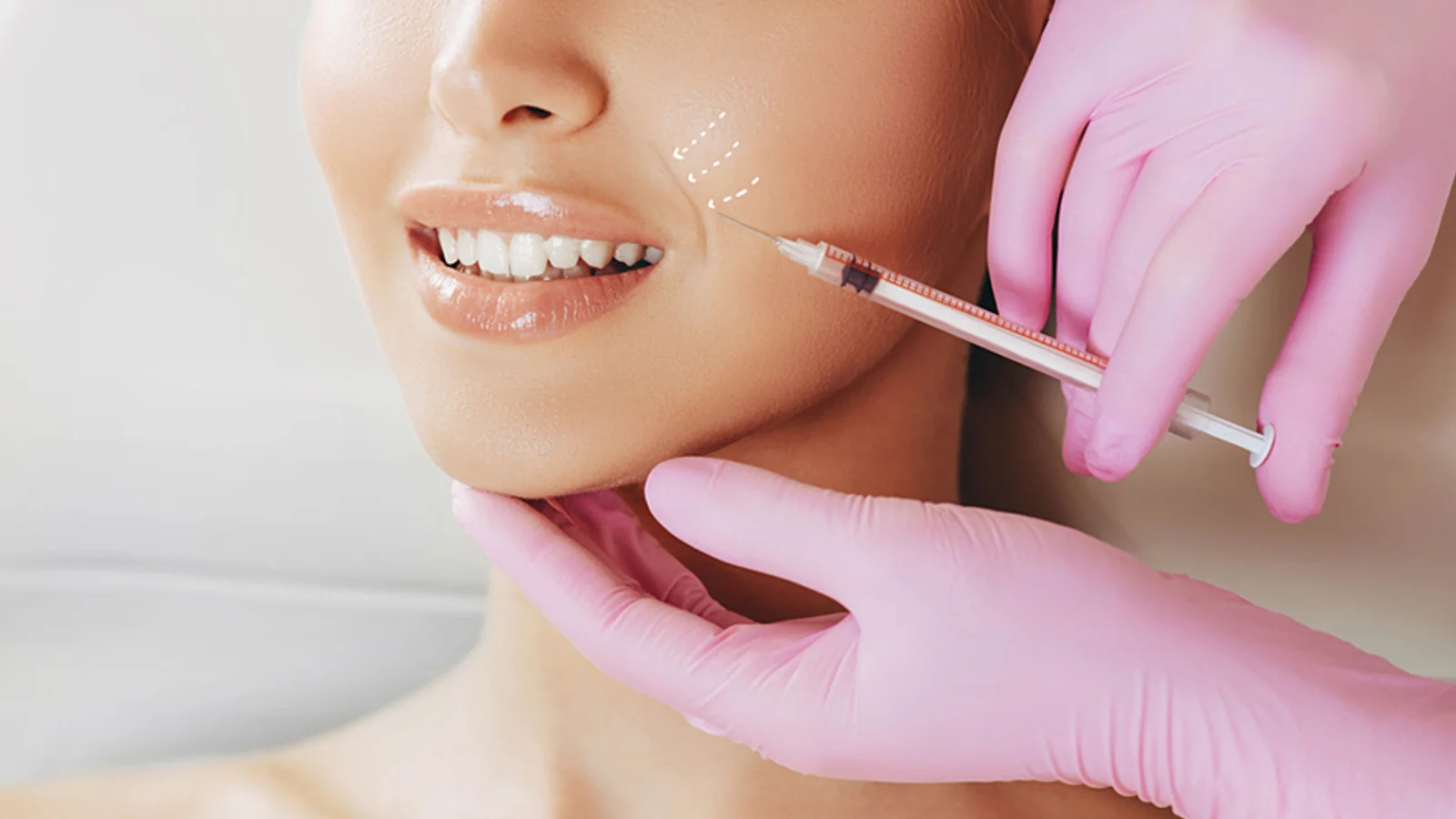
a way to infuse active ingredients (including hyaluronic acid and customized vitamins) directly into the superficial dermis through micro-injections.
It is, in essence, a very precise way of hydrating and conditioning the skin from within.
Not lifting. Not resurfacing. Not replacing volume.
Just honest, measurable skin quality improvement.
To be honest, what many patients overlook is that skin quality has an outsized influence on how youthful or “expensive” someone looks. A perfectly performed facelift still won’t shine if the skin is dull or dehydrated. That’s why non-surgical dermatology remains a pillar of aesthetic care in Seoul.
What Dermashine Pro Actually Does — The Real Mechanism, Not the Marketing Version
The shorthand explanation is: “It injects hyaluronic acid to hydrate the skin.”
But that’s incomplete.
Here’s what truly happens beneath the surface.
1. Precision microinjection at a consistent depth
Dermashine devices are calibrated to deposit microdroplets of HA and nutrients just under the skin, where topical skincare cannot reach and where deeper injections would be pointless.
The average depth is around 0.8–1.2 mm — the sweet spot for improving hydration, texture, and superficial fine lines.
2. Multichannel delivery means uniform glow, not patchy brightness
Older techniques required manual multiple injections. The results varied with the injector’s skill and fatigue. Dermashine Pro uses a multi-needle system that creates even spacing and even dosing, which is why the “glass skin” effect looks so consistent.
3. Hyaluronic acid draws and holds water
This is the backbone of the effect. HA molecules are humectants — they attract moisture and hold it. When deposited intradermally, they act like tiny water reservoirs that plump the skin from within.
4. Additional “cocktail ingredients” matter more than people realize
Seoul clinics often customize ampoules with:
Growth factors
Vitamins (notably B complexes)
Polymers
PDRN (salmon DNA)
Glutathione
Peptides
At Arke Clinic, the formula is tailored after assessing the patient’s dermal thickness, moisture barrier, sensitivity, and long-term goals.
This personalized “skin cocktail” is the reason no two Dermashine results look exactly alike.
5. Microchannel stimulation also boosts the skin’s healing cycle
The act of micro-injection triggers mild, controlled inflammation — just enough to prompt fibroblasts to work harder. Patients often notice improvement in tone even before the HA fully integrates.
The Experience: What a Patient Actually Feels
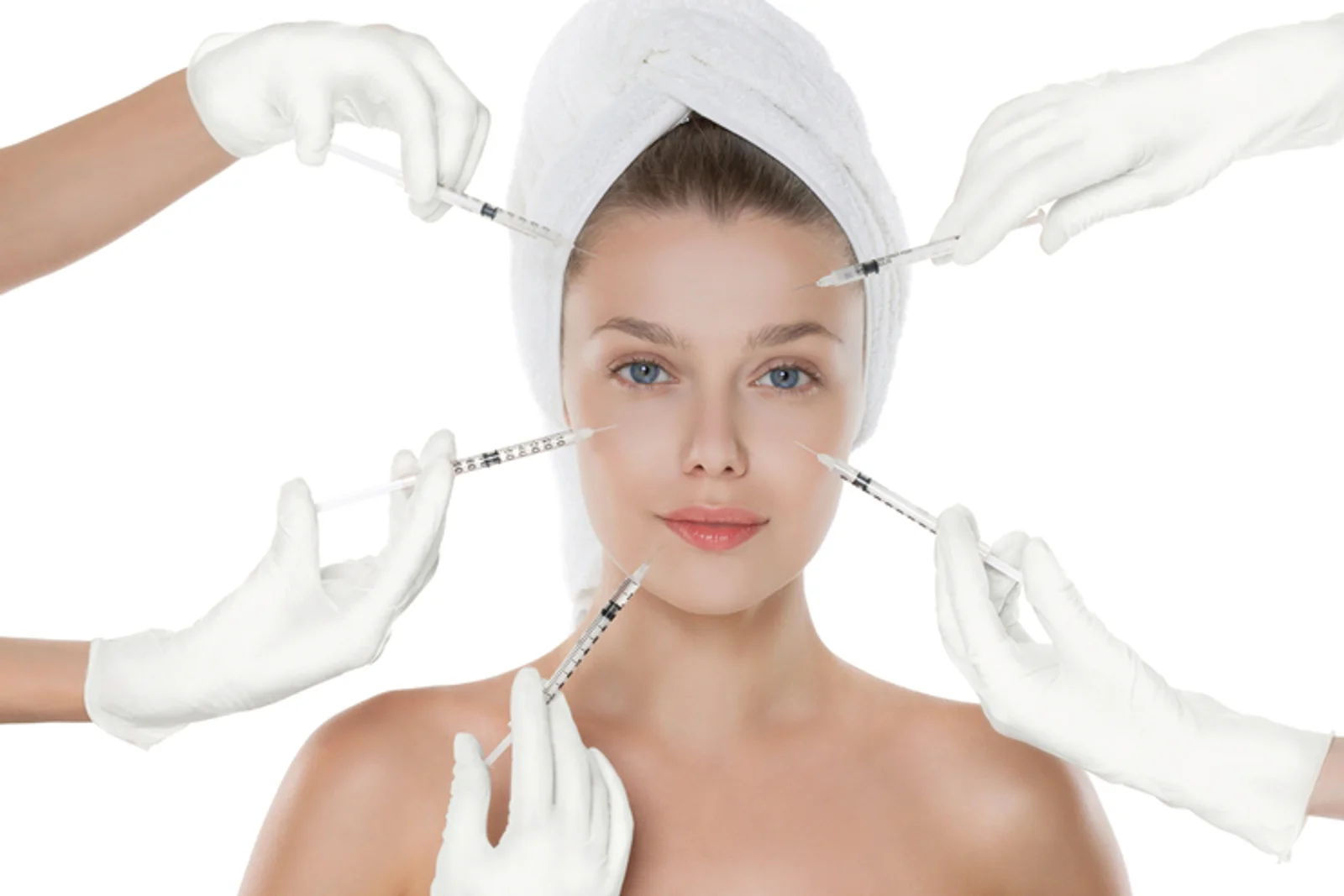
Patients frequently ask if Dermashine Pro hurts. The honest answer:
It can be mildly uncomfortable, but tolerable.
At Arke Clinic, we typically apply a strong topical anesthetic for 20–30 minutes. Some patients describe the sensation as a series of small pressure points; others barely feel it.
There may be mild pinpoint redness or swelling immediately after. The “downtime” is usually just a few hours, though some people experience small injection marks for a day or two — especially those with thinner or very fair skin.
Most patients return to work the same day.
If you’re considering Dermashine during a short trip to Korea, this downtime profile is one reason it’s popular among medical tourists seeking safe, noticeable improvement without major disruption.
Let’s Talk Results — The Part Most People Exaggerate
Dermashine Pro produces real, visible results. But the type of result matters.
It will make the skin:
Brighter
Better hydrated
More translucent
Smoother in fine texture
Slightly plumper
This is the origin of the “glass skin” appearance.
But it will not:
Lift sagging tissue
Replace lost facial volume
Refine pores dramatically
Correct deep wrinkles
Change facial shape
I mention this because many patients expect Dermashine to do the job of a facelift, microfat grafting, or laser resurfacing. When that happens, disappointment is inevitable.
One of the insights Dr. In-Bae Kim often shares with patients is this:
“Skin quality and facial structure are two different layers. Treat them individually, but harmonize them together.”
Dermashine is firmly a skin quality treatment.
Why Some People Don’t Get the Results They Expect
Here’s the part clinics don’t usually reveal — but you deserve the truth.
Dermashine may underwhelm in these situations:
1. Severely dehydrated skin
Ironically, extremely compromised skin may need foundational repair first. If your moisture barrier is damaged, the HA may disperse unevenly or break down too quickly.
2. Thick, sebaceous (oily) skin
Such patients often require higher density formulas or stepwise treatments. HA microinjections alone may not create the glowing effect they expect.
3. Mature skin with laxity
Dermashine is not a substitute for sagging correction. Patients needing facial rejuvenation or a surgical lift may only see mild improvement.
4. Unrealistic expectations from social media
Videos often show the post-procedure plumpness — not the subtle result that settles after a few days.
5. Wrong formula for the wrong skin
To be honest, this is the behind-the-scenes issue I see most frequently. Clinics that use one “universal” cocktail for all patients tend to produce inconsistent results. Korean dermatology is built on customization — and the skin reads that difference.
How Often You Need Treatments (The “Maintenance Reality”)
For most patients:
1 session → noticeable glow, temporary hydration boost
3 sessions spaced 4–6 weeks apart → more lasting radiance, smoother texture
2–3 sessions per year → maintenance for generally healthy skin
If you’re someone who travels to Korea once or twice a year for treatment, a clustered plan around your visit can maintain results beautifully.
At Arke Clinic, international patients sometimes schedule a Dermashine session alongside more structural treatments like rhinoplasty, buccal fat removal, or microfat grafting. Because Dermashine targets only the superficial dermis, it does not interfere with deeper surgeries — a pairing many people appreciate.
Dermashine vs. Other “Skin Boosting” Treatments

Patients often confuse Dermashine Pro with other procedures such as:
1. Skin boosters / HA injections
These are similar but usually delivered manually, without the multi-needle device. The results can be excellent in skilled hands, but the device offers uniformity.
2. Rejuran Healer (PDRN) injections
More regenerative and anti-inflammatory, but less immediately hydrating.
3. Laser rejuvenation
Improves texture, pigment, and collagen — but doesn’t hydrate like HA does.
4. Microfat grafting
A surgical (but gentle) approach that restores natural facial volume and skin quality using your own fat. At Arke Clinic, this is Dr. Kim’s specialty. It addresses deeper aging changes that no superficial treatment can fix.
Dermashine is often used to complement these treatments, not replace them.
If you’re wondering which option you need, this rule of thumb helps:
If your main concern is superficial brightness and fine-texture smoothing, Dermashine is likely enough. If your concern involves shape or laxity, you may need deeper structural solutions.
A Surgeon’s Perspective: When Dermashine Makes a Real Difference
Two examples stand out from years of seeing patients in Gangnam — examples that many doctors know but rarely discuss publicly.
Case Type 1: The “Busy Professional” with Under-Slept Skin
These patients often travel, work late, and struggle with dullness that no serum fixes. Their dermal hydration is depleted, but they don’t have time for long downtime procedures.
After a single Dermashine session, they return one week later looking rested — not younger, not different — just healthier. Their coworkers often can’t pinpoint why.
Case Type 2: Patients Considering Surgery but Feeling Unsure
Sometimes, the moment someone sees their skin glow again, they feel more confident… and realize they don’t actually want surgery yet. And that’s okay. Surgery should never be the first step; it should be the right step.
Dermashine Pro provides clarity — revealing what’s surface-level aging and what’s structural aging.
Is Dermashine Pro Worth It? The Honest Answer
If your goal is:
natural radiance
hydration from within
smoother fine textures
a subtle but noticeable glow
minimal downtime
Then yes — Dermashine Pro is absolutely worth it.
But if your goal involves:
lifting
contouring
reshaping the face
long-term reversal of aging
pore reduction
deep wrinkle correction
Then the treatment may disappoint you on its own.
Dermashine is a skin-quality enhancer, not a transformation tool. In the hands of a clinic that understands personalization — like Arke Clinic in Gangnam — it delivers results that look effortless and refined.
Choosing the Right Clinic: Why Customization Matters More Than the Device
The machine is only half the story.
The other half is the clinician who:
selects the right HA concentration
chooses the vitamin or PDRN blends
adjusts injection depth for different areas of the face
evaluates your dermal thickness
understands how your skin will heal
balances the treatment with your long-term aesthetic plan
This is where Korean dermatology, and clinics like Arke, excel. Dr. In-Bae Kim’s background in facial anatomy and regenerative techniques shapes how we approach even simple procedures. Every patient receives a customized solution — not a pre-made cocktail.
And frankly, that’s what makes Dermashine successful here in Seoul.
Final Thoughts: Should You Try Dermashine Pro?
If you’ve been searching for a gentle, dermatologically precise way to revive your skin — especially during a trip for plastic surgery in Gangnam or non-surgical facial rejuvenation in Seoul — Dermashine Pro is a strong contender.
Just remember:
It’s subtle.
It’s natural.
It’s best when customized.
And it shines when paired with healthy long-term skincare habits.
If you’re unsure which treatment is right for your skin, consider a consultation with a clinic known for holistic, patient-first planning — such as Arke Clinic Gangnam. Good aesthetic care is not about chasing trends; it’s about understanding what your skin truly needs.
More Medical Articles
Continue reading expert guides on procedure planning, anatomy, and post-operative care.

Lower Blepharoplasty: Minimally Invasive vs. Surgical Eye Outcomes
Lower Blepharoplasty: Minimally Invasive vs. Surgical Eye Outcomes Under-eye aging—characterized by puffiness (pseudo-herniation of fat) and dark circles—is a leading cosmetic concern among Koreans aged 30 to 70.
Learn More

Transconjunctival Blepharoplasty: No-Scar Recovery Benchmarks in Korea
Transconjunctival Blepharoplasty: No-Scar Recovery Benchmarks in Korea As South Korea’s demographic shifts toward a "super-aged" society—with those aged 65 and older projected to exceed 20% of the population by 2025—the demand for periorbital rejuvenation has…
Learn More

Healing the Heart: The Psychological Focus of Korean Revision Eye Surgery
Healing the Heart: The Psychological Focus of Korean Revision Eye Surgery In South Korea, often referred to as the "plastic surgery capital of the world," blepharoplasty (double eyelid surgery) is more than just a cosmetic trend; it is a cultural rite of…
Learn More