1:1 Customized Plastic Surgery & Aesthetic Medicine in Gangnam, Seoul — Led by Dr. In-Bae Kim
★ 5.0 Verified Patient Rating
en-US


Clinical Guide & Insights
Breast Augmentation: Silicone vs. Saline – Which Is Safer?
Discover the pros, cons, and safety of silicone vs. saline breast implants. Compare options to make an informed choice. Learn more today!
Schedule a ConsultationIntroduction

Almost every woman considering breast augmentation in Seoul eventually reaches the same question during consultation:
“Which implant is safer — silicone or saline?”
It’s a deeply personal decision, but also one that deserves clinical clarity. At Arke Clinic in Gangnam, we’ve met countless women — from young professionals seeking subtle volume to mothers restoring post-pregnancy confidence — all sharing the same concern: safety.
The truth is, both silicone and saline implants are approved, rigorously tested, and safe when placed by an experienced, board-certified plastic surgeon.
But how they differ — in structure, feel, and potential risks — can influence not just your results, but also your long-term satisfaction.
Let’s unpack what really matters behind the terms “silicone” and “saline.”
Understanding the Basics: How Each Implant Is Built
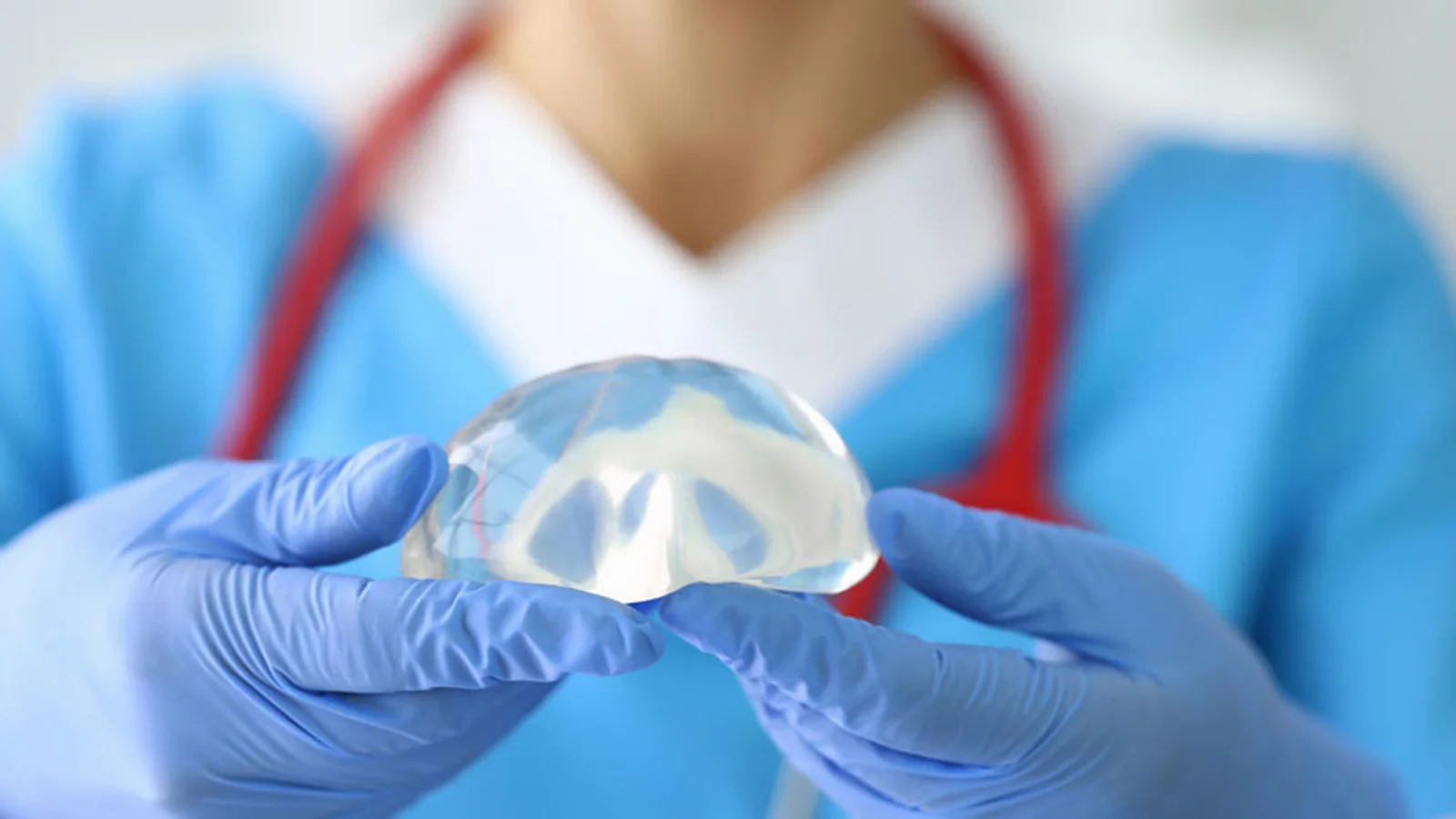
Both types of implants share the same outer silicone shell. The difference lies in what’s inside.
Saline implants are filled with sterile saltwater solution — similar to the fluid that naturally exists in the body.
Silicone implants are pre-filled with cohesive silicone gel that mimics the feel of natural breast tissue.
In short, saline is liquid; silicone is gel.
But from a surgeon’s standpoint, the choice isn’t simply about the filler — it’s about how each implant behaves in the body and how it interacts with your lifestyle, skin type, and chest anatomy.
The Look and Feel: Natural vs. Noticeable
If you were to hold both implants in your hands, you’d notice the difference immediately.
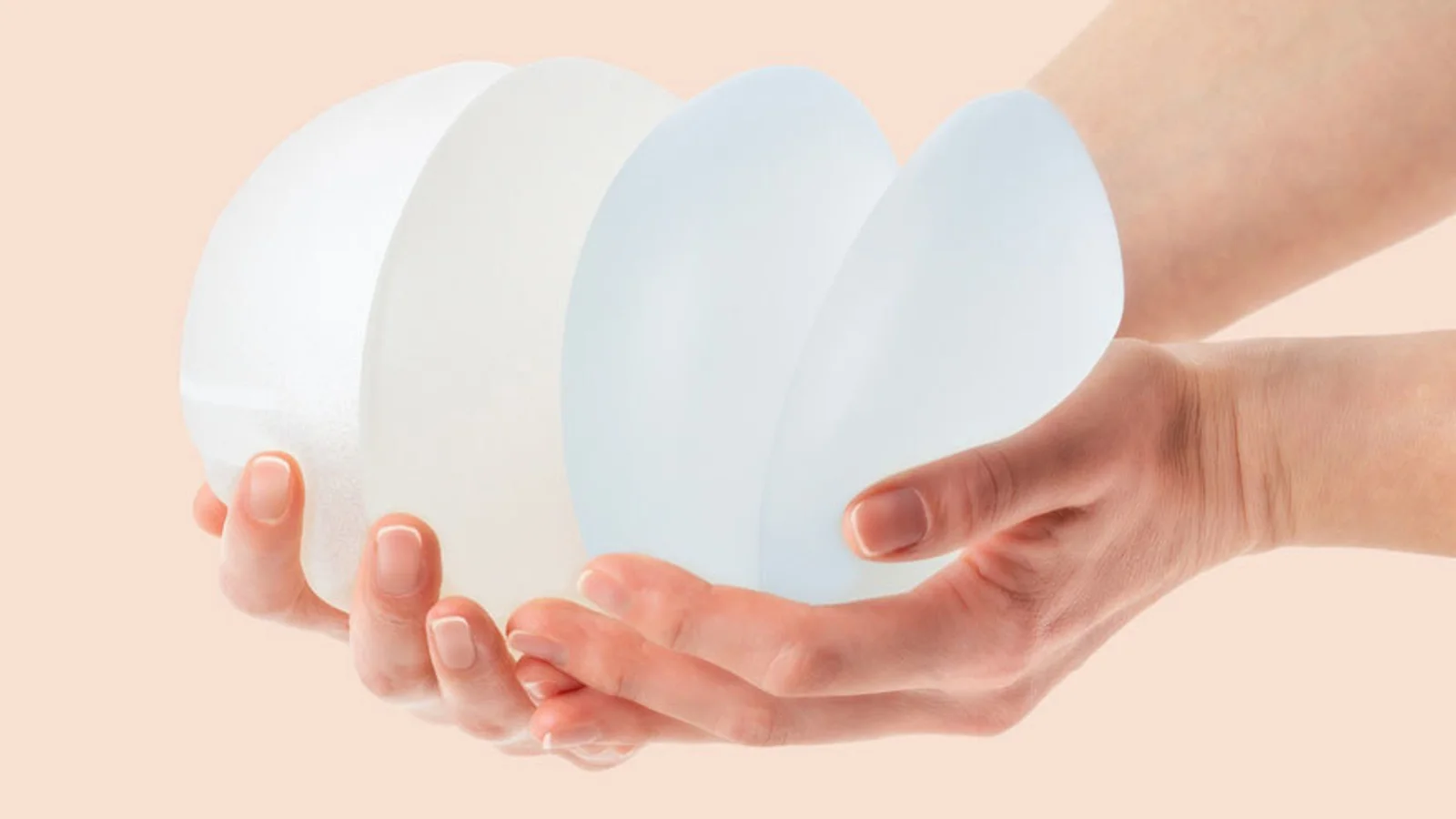
Silicone implants feel soft, pliable, and remarkably similar to natural breast tissue. This is why most Korean and international patients at Arke Clinic Gangnam choose them — especially those seeking a refined, natural aesthetic rather than an “augmented” look.
Saline implants, by contrast, tend to feel slightly firmer. For women with thin skin or minimal natural breast tissue, they may create more visible rippling or edge definition, particularly near the cleavage or outer chest.
However, there’s a practical advantage: saline implants can be filled after placement. This allows for smaller incision sites and more precise volume adjustment during surgery.
Safety: What Happens if the Implant Ruptures?
This is where the question of “which is safer” often gets misunderstood.
Let’s start with saline implants.
If a saline implant ruptures, it deflates quickly — almost like a balloon losing air. The saline solution is harmlessly absorbed by the body, and while the sudden change in breast volume can be distressing, it’s medically straightforward: the implant can simply be replaced.
Silicone implants, however, behave differently.
Modern cohesive-gel implants — often called “gummy bear” implants — are engineered to hold their shape even if ruptured. This means that in the rare event of a leak, the gel typically stays within the capsule around the implant rather than migrating.
This feature dramatically reduces previous concerns associated with older generations of silicone implants.
That said, silicone ruptures are often “silent”, meaning you might not notice them immediately. For this reason, many surgeons (including Dr. In-Bae Kim at Arke Clinic) recommend periodic ultrasound or MRI scans every few years to ensure implant integrity.
Risk Profile and Complications
Both silicone and saline implants carry similar general risks — capsular contracture, infection, or changes in nipple sensation — though the rates vary slightly depending on surgical technique and postoperative care.
At Arke Clinic, a great deal of effort is placed on minimizing capsular contracture through meticulous dissection, sterile technique, and individualized pocket creation.
Capsular contracture, in simple terms, is the body’s overreaction to the implant — forming tight scar tissue that may distort the breast shape. While it can occur with both types, silicone implants seem slightly more prone in some studies. Yet, the difference becomes negligible when surgical sterility and gentle tissue handling are prioritized — something Dr. Kim is particularly known for.
MRI Safety and Long-Term Monitoring
A frequent concern among international patients is the perceived “maintenance” of silicone implants.
In reality, modern cohesive-gel silicone implants are remarkably stable. The Korean Ministry of Food and Drug Safety (MFDS) and the U.S. FDA recommend imaging checks not because silicone implants are unsafe, but because they are durable enough to hide silent ruptures.
For saline implants, such imaging isn’t typically required — the deflation itself is the indicator.
At Arke Clinic, we integrate these follow-ups into long-term patient care, offering ultrasound-based monitoring and transparent education about what to expect over time.
The Aesthetic Factor: Matching Implant Type to Body Type
Safety isn’t only medical — it’s psychological and aesthetic. Feeling at ease with your appearance matters just as much as surgical statistics.
For patients with thin tissue or low body fat, silicone implants often provide a smoother, more natural transition from chest wall to breast mound.
For patients with ample tissue coverage, saline implants can look and feel equally natural, especially when inserted using precise submuscular or dual-plane techniques.
Dr. Kim often compares this to choosing the right medium for a sculpture — both materials can achieve beauty, but one may suit your form better.
The Cultural Perspective: Korean Approach to Natural Beauty
In Korea, and particularly in Gangnam’s aesthetic clinics, the philosophy of “natural enhancement” runs deep. Patients typically don’t seek exaggerated volume — they want proportion, elegance, and subtle lift.
That’s why silicone implants have become the preferred option in most Korean practices. The cohesive gel texture mimics natural tissue movement, blending seamlessly with the body’s rhythm and posture.
However, for patients who prioritize absolute peace of mind about leak safety or want an implant filled after insertion, saline implants remain an excellent choice.
Are Silicone Implants Dangerous? A Closer Look at Myths
Despite widespread online myths, modern silicone implants are not toxic.
The concerns that circulated decades ago were based on outdated designs that used liquid silicone prone to leakage. Since the 2000s, new-generation cohesive gel implants have been thoroughly studied, and long-term data confirms no link to systemic illness.
Of course, no medical device is entirely without risk — and honest, ongoing communication with your surgeon is key. At Arke Clinic, transparency is part of the philosophy: every patient is guided through the pros, cons, and monitoring plans so that there are no surprises later.
Personalization and Safety at Arke Clinic
Under the leadership of Dr. In-Bae Kim, who earned his PhD from Yonsei University and served as an outpatient professor at Seoul St. Mary’s Hospital, every breast augmentation procedure begins with a detailed, one-on-one consultation.
During this session, measurements, lifestyle factors, and visual goals are carefully reviewed. Using 3D simulation and anatomical analysis, Dr. Kim helps patients visualize outcomes and choose the implant type best aligned with both body harmony and long-term safety.
Safety doesn’t end in the operating room. Postoperative care at Arke includes:
Regular follow-up imaging
Guided scar management
Lymphatic care for swelling control
Continuous monitoring of implant stability and soft tissue health
So, Which Is Safer — Silicone or Saline?
To be completely honest, neither is “safer” in an absolute sense. Both have proven safety records when used appropriately.
The real factor is surgical precision, post-op care, and individualized planning.
Choose silicone implants if you prioritize natural feel, subtle aesthetics, and stable long-term structure.
Choose saline implants if you value simpler monitoring and peace of mind about potential leaks.
In skilled hands — like those at Arke Clinic in Gangnam — the choice becomes less about risk and more about fit.
Final Thoughts
Breast augmentation isn’t just about size — it’s about balance, safety, and self-confidence.
If you’re exploring breast augmentation in Seoul, take time to consult with a clinic that offers both surgical expertise and transparent, individualized guidance.
At Arke Clinic Gangnam, Dr. Kim and his team are dedicated to delivering beautiful, natural results that honor each patient’s individuality — safely, precisely, and with care that lasts well beyond surgery.
More Medical Articles
Continue reading expert guides on procedure planning, anatomy, and post-operative care.

Lower Blepharoplasty: Minimally Invasive vs. Surgical Eye Outcomes
Lower Blepharoplasty: Minimally Invasive vs. Surgical Eye Outcomes Under-eye aging—characterized by puffiness (pseudo-herniation of fat) and dark circles—is a leading cosmetic concern among Koreans aged 30 to 70.
Learn More

Transconjunctival Blepharoplasty: No-Scar Recovery Benchmarks in Korea
Transconjunctival Blepharoplasty: No-Scar Recovery Benchmarks in Korea As South Korea’s demographic shifts toward a "super-aged" society—with those aged 65 and older projected to exceed 20% of the population by 2025—the demand for periorbital rejuvenation has…
Learn More

Healing the Heart: The Psychological Focus of Korean Revision Eye Surgery
Healing the Heart: The Psychological Focus of Korean Revision Eye Surgery In South Korea, often referred to as the "plastic surgery capital of the world," blepharoplasty (double eyelid surgery) is more than just a cosmetic trend; it is a cultural rite of…
Learn More