1:1 Customized Plastic Surgery & Aesthetic Medicine in Gangnam, Seoul — Led by Dr. In-Bae Kim
★ 5.0 Verified Patient Rating
en-US

Clinical Guide & Insights
Botox vs. Fillers: Which One Do You Really Need?
Botox vs. Fillers—discover the key differences, benefits, and which is right for you. Get expert insights to make the best choice. Learn more now!
Schedule a ConsultationIntroduction: Why This Question Matters More Than You Think
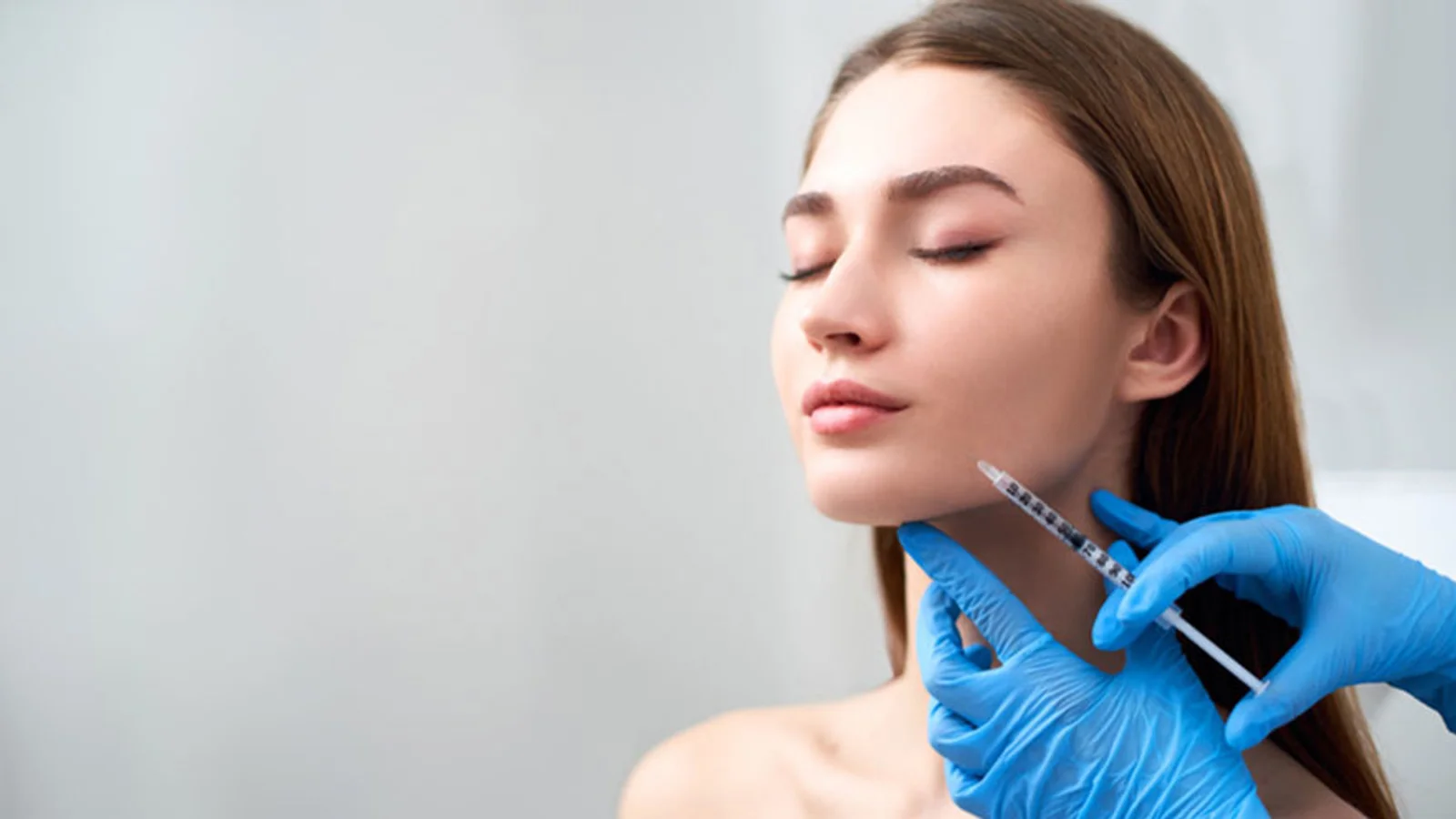
Almost every week at our clinic in Gangnam, we meet patients who ask the same question with a mixture of curiosity and worry:
“Do I need Botox or fillers?”
They point to a line across the forehead, a shadow under the eye, or a fold near the mouth — and they’re often unsure which treatment will help. To be honest, even people familiar with aesthetics can misunderstand the difference. Both procedures use small needles. Both aim to rejuvenate. And both have become staples of facial refinement in Korea’s aesthetic culture.
But the truth is simple:
Botox and fillers correct completely different problems.
Understanding this difference is the first step toward natural, customized facial rejuvenation — the kind Arke Clinic is known for.
1. Botox vs. Fillers: The Core Difference
Botox calms movement. Fillers restore structure.
Think of the face like a piece of artwork:
Botox softens the brushstrokes created by repetitive muscle motion.
Fillers replenish the canvas where volume has faded or collapsed.
This single idea helps patients instantly understand why the two treatments are not interchangeable — and why choosing the wrong one leads to disappointing results.
2. Botox: What It Is and When It Works
Botox Reduces Overactive Muscle Movement
Botox doesn’t fill, tighten, or lift.
It simply relaxes muscles that crease the skin.
Many Seoul office workers experience forehead lines not because of age, but because they unconsciously raise their brows all day. By the time they get home, a faint groove might already be visible. Botox stops the repetitive motion that creates those grooves.
Botox Works Best For:
Forehead lines
Frown lines (“11s”)
Crow’s feet
Bunny lines on the nose
Jaw slimming (masseter Botox)
Gummy smile correction
Neck band relaxation
What many patients overlook is that Botox works best before wrinkles become deeply etched. Once the skin has permanent creases, Botox alone is not enough — and fillers or microfat grafting become part of the plan.
3. Fillers: What They Do and Why They're Different
Fillers Replace Lost Volume — The Architecture of Youth
When someone says they look “tired” or “sunken,” they’re usually describing volume loss, not wrinkles.
Fillers made of hyaluronic acid (or microfat, which we frequently use for long-lasting results) restore the structural support beneath the skin.
Fillers Are Ideal For:
Flattened or hollow cheeks
Nasolabial folds from midface descent
Under-eye hollows (tear troughs)
Lip shaping
Chin projection
Jawline definition
Subtle nonsurgical nose shaping (in selected cases)
In Korea, fillers tend to be placed subtly and deeply — not for “bigger features,” but for harmony. A well-done filler should never be obvious. The best compliment is when someone says, “You look rested,” without knowing why.
4. Common Misunderstandings Patients Have
Mistake 1: Using Botox to Fix Volume Loss
A collapsed midface cannot be treated with muscle relaxation.
Mistake 2: Using Fillers to Fix Motion Wrinkles
Filling a forehead crease that appears only during expression will look heavy and unnatural.
Mistake 3: Requesting What a Friend Received
Everyone ages differently — genetically, structurally, and habitually.
Mistake 4: Focusing on a Single Line Instead of Facial Balance
Dr. Kim often reminds patients that long-term results require a broader view of facial harmony, not isolated spot treatment.
5. How We Determine the Right Treatment at Arke Clinic
The decision is not guesswork. It’s a layered evaluation built on 17+ years of surgical practice.
A. Movement Analysis
We assess which muscles dominate your expressions and how strongly they contract.
B. Static vs. Dynamic Wrinkles
If wrinkles appear only with movement, Botox is the answer.
If wrinkles remain even when the face is still, fillers (or fat grafting) are usually required.
C. Structural Support
Many folds are not “skin problems” — they’re midface descent or cheek volume loss.
D. Long-Term Aging Patterns
A 28-year-old and a 47-year-old with the same wrinkle require very different strategies.
E. Personalized Aesthetic Planning
We always prioritize subtlety and natural balance — a hallmark of aesthetic practice in Gangnam.
Case 1: Forehead Lines from Habitual Movement
A woman in her 30s had lines appearing only late in the day.
Movement-based → Botox.
Case 2: DeepSmile Lines After Weight Loss
Volume loss made the folds look deeper.
Structural issue → Fillers or microfat.
Case 3: Under-Eye Hollows and Dark Shadows
The patient assumed it was lack of sleep.
It was actually volume depletion.
→ Filler + microfat grafting.
Case 4: Wide Jawline and Nighttime Grinding
Masseter hypertrophy from clenching.
→ Masseter Botox for slimming and tension relief.
7. When Botox and Fillers Work Best Together
Many of the most natural, youthful outcomes come from a combined approach — something we refer to as soft harmony rejuvenation.
You may need both if you have:
Deep frown lines that are etched into the skin
Crow’s feet plus under-eye hollows
Forehead lines with early volume deflation
Aging around the mouth (fine lines + lost support)
Combining Botox + fillers smooths the surface and replenishes the foundation.
8. How Long Each Treatment Lasts
Botox
Typically 3–5 months
Jawline/masseter Botox: 4–8 months
Fillers
Hyaluronic acid fillers: 9–18 months
Deep structural fillers: longer
Microfat grafting: semi-permanent, with gradual natural absorption
Arke Clinic focuses on treatments that age gracefully rather than requiring aggressive, frequent maintenance.
9. Safety and Why Technical Skill Matters
Safety is non-negotiable — in Seoul or anywhere else.
Complications from fillers and Botox are preventable when handled by experienced clinicians.
Our safety system at Arke Clinic includes:
Highly detailed anatomical planning
Conservative, precise dosing
Cannula techniques for higher-risk zones
FDA/CE-approved products
A surgeon-led team with medical imaging available when needed
Dr. Kim’s background as a facial plastic surgeon and former outpatient professor reinforces our philosophy: slow, precise, and patient-first.
10. How to Tell What You Need (Simple Guide)
Ask yourself these questions:
Do the lines only appear when I move?
→ BotoxDo I look hollow, droopy, or shadowed even at rest?
→ Fillers or microfatDo I see both movement lines and volume loss?
→ CombinationDoes the issue feel structural rather than expressive?
→ FillersIs the concern caused by overactive habits (clenching, raising brows)?
→ Botox
Of course, these questions give only a rough idea. A trained clinician sees patterns — bone structure, muscle dominance, natural asymmetries — that are invisible to the untrained eye.
11. Final Thoughts from Our Gangnam Clinic
Patients often think they’re supposed to know the answer before they walk in.
But the truth is:
You are not supposed to know whether you need Botox or fillers.
That is what the consultation is for.
Your concerns, history, expression habits, and long-term goals all matter. At Arke Clinic, we treat each face like a unique landscape, using precision-guided techniques to create natural changes that feel like you, just refreshed.
If you’re considering facial rejuvenation in Seoul — whether Botox, fillers, or a combined approach — visit a clinic that offers thoughtful, 1:1 planning backed by surgical expertise.
Your face deserves nothing less.
More Medical Articles
Continue reading expert guides on procedure planning, anatomy, and post-operative care.

Lower Blepharoplasty: Minimally Invasive vs. Surgical Eye Outcomes
Lower Blepharoplasty: Minimally Invasive vs. Surgical Eye Outcomes Under-eye aging—characterized by puffiness (pseudo-herniation of fat) and dark circles—is a leading cosmetic concern among Koreans aged 30 to 70.
Learn More

Transconjunctival Blepharoplasty: No-Scar Recovery Benchmarks in Korea
Transconjunctival Blepharoplasty: No-Scar Recovery Benchmarks in Korea As South Korea’s demographic shifts toward a "super-aged" society—with those aged 65 and older projected to exceed 20% of the population by 2025—the demand for periorbital rejuvenation has…
Learn More

Healing the Heart: The Psychological Focus of Korean Revision Eye Surgery
Healing the Heart: The Psychological Focus of Korean Revision Eye Surgery In South Korea, often referred to as the "plastic surgery capital of the world," blepharoplasty (double eyelid surgery) is more than just a cosmetic trend; it is a cultural rite of…
Learn More