1:1 Customized Plastic Surgery & Aesthetic Medicine in Gangnam, Seoul — Led by Dr. In-Bae Kim
★ 5.0 Verified Patient Rating
en-US


Clinical Guide & Insights
Blepharoplasty vs. Non-Surgical Eye Rejuvenation: Which Is Better for You?
Discover the pros and cons of blepharoplasty vs. non-surgical eye rejuvenation to find the best option for youthful, refreshed eyes. Learn more today!
Schedule a ConsultationIntroduction

To be honest, most people don’t wake up thinking, “I need eye surgery.”
What they notice instead is something quieter—and more personal. Their eyes look tired even after a full night’s sleep. Makeup settles awkwardly into folds that didn’t exist before. Friends ask if they’re stressed, exhausted, or unwell, even when life feels perfectly balanced.
In Seoul—particularly in Gangnam, the epicenter of aesthetic medicine—this concern is one of the most common reasons patients seek consultation. The question almost always comes down to this:
Should I choose blepharoplasty, or can non-surgical eye rejuvenation give me the results I want?
At Arke Clinic Plastic Surgery and Aesthetic, this decision is never framed as surgery versus procedures. Under the guidance of Dr. In-Bae Kim, eye rejuvenation is approached with nuance and restraint—more like restoring a valuable artwork than making dramatic alterations. Sometimes the surface needs refinement. Other times, the underlying structure must be corrected for the result to truly last.
This article is designed to help you understand both options clearly, from a clinical and patient-centered perspective, so you can make an informed decision that aligns with your anatomy, age, and long-term expectations.
Why the Eye Area Ages So Quickly
The eye area is uniquely vulnerable to aging. Anatomically, the skin around the eyes is thinner than anywhere else on the face. It contains fewer oil glands, meaning it dries out faster, and it’s in constant motion due to blinking, smiling, squinting, and facial expression.
Over time, several changes tend to occur simultaneously:
Loss of collagen and elastin, leading to laxity
Weakening of the orbicularis oculi muscle
Descent or protrusion of fat pads
Thinning of skin, making shadows more visible
Patients often notice:
Upper eyelids that droop or feel heavy by the end of the day
Under-eye puffiness or bags that don’t improve with rest
Creases that hold makeup and exaggerate texture
A tired, stern, or aged appearance that doesn’t reflect how they feel
What many patients don’t realize is that eye aging is rarely just a skin issue. In many cases, it’s structural. This is why creams, lasers, or injectables may work beautifully at first—but eventually stop delivering meaningful change.
Understanding whether your concern is surface-level or structural is the foundation of choosing between blepharoplasty and non-surgical eye rejuvenation.
What Blepharoplasty Actually Does
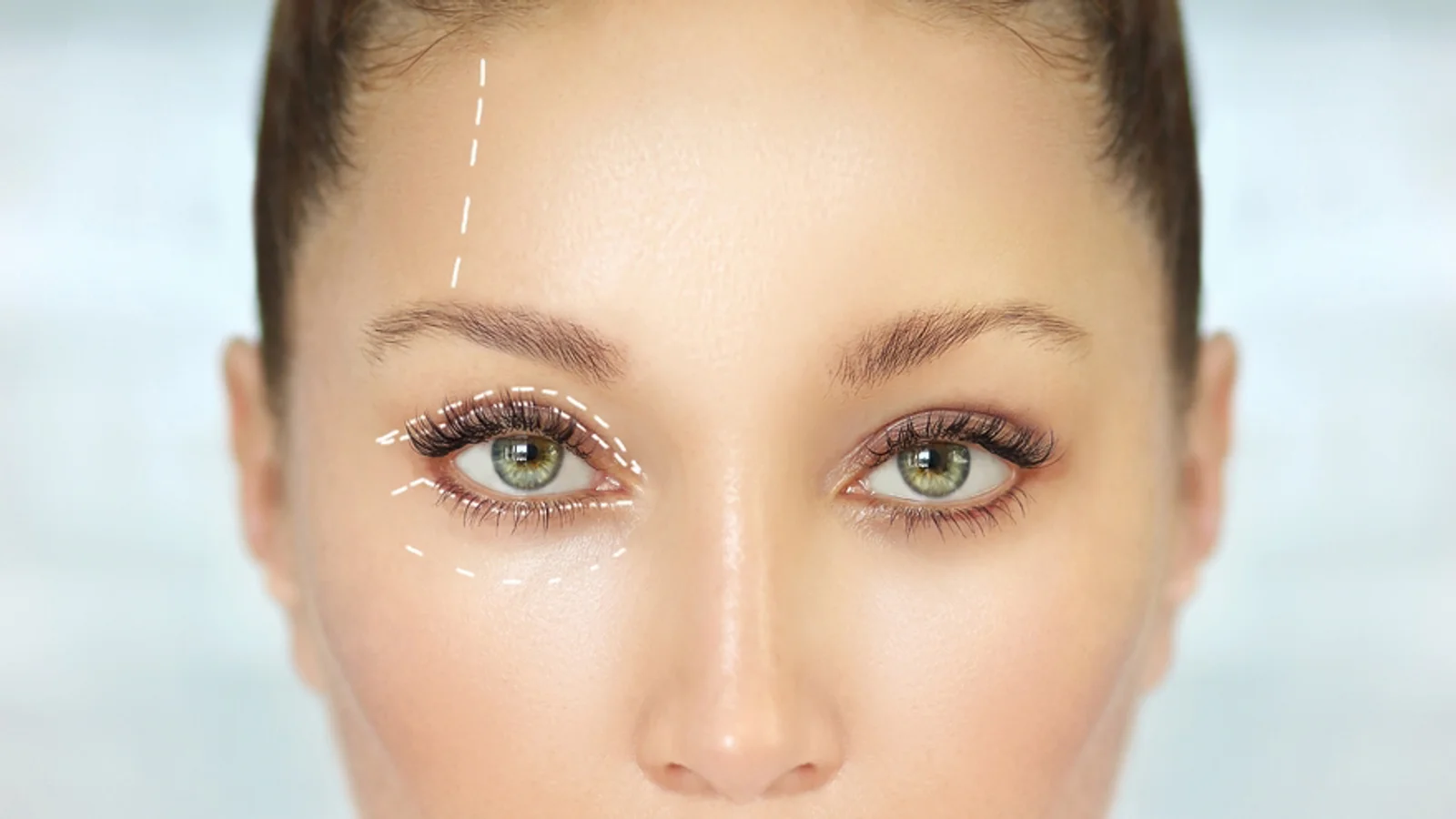
Blepharoplasty is a surgical procedure that reshapes the eyelids by removing or repositioning excess skin, muscle, and fat. While the word “surgery” can feel intimidating, modern blepharoplasty—especially as performed in leading Seoul clinics—has evolved significantly over the past decade.
At Arke Clinic, blepharoplasty is not about creating dramatic eyes or altering identity. The objective is restoration: returning the eyelids to a state where they look alert, balanced, and natural.
Types of Blepharoplasty
Upper Blepharoplasty
This procedure addresses excess skin and soft tissue on the upper eyelid.
Reduces hooding that can make eyes look smaller or tired
May improve peripheral vision in more advanced cases
Can be performed using incisional or non-incisional techniques, depending on eyelid thickness, skin quality, and desired crease definition
Lower Blepharoplasty
Focused on the under-eye area, this procedure treats:
Protruding fat pads (eye bags)
Loose or crepey skin
Tear trough shadows caused by volume displacement
Modern lower blepharoplasty often emphasizes fat repositioning rather than removal, preserving youthful volume while smoothing transitions between the lower eyelid and cheek.
Who Is a Good Candidate for Blepharoplasty?
Blepharoplasty is typically recommended when:
Excess eyelid skin is visible even when the face is relaxed
Eyelid folds interfere with makeup application
Eye bags persist regardless of sleep, diet, or skincare
Non-surgical treatments no longer produce noticeable improvement
For patients in their late 30s, 40s, and beyond, blepharoplasty is rarely about exaggeration. Instead, it’s a precise correction that often makes people look more rested—not surgically altered.
Recovery and Longevity: What Patients Should Expect
One of the most common concerns—especially among international patients considering blepharoplasty in Seoul—is recovery time.
While individual healing varies, most patients experience:
Peak swelling and bruising around days 2–3
Suture removal at approximately 5–7 days
Noticeable improvement by 10–14 days
Continued refinement over several weeks
From a longevity standpoint, blepharoplasty offers a major advantage. Results often last 10–15 years or longer, particularly when combined with good skincare and sun protection. For many patients, it’s a one-time procedure rather than a cycle of repeated treatments.
What Is Non-Surgical Eye Rejuvenation?
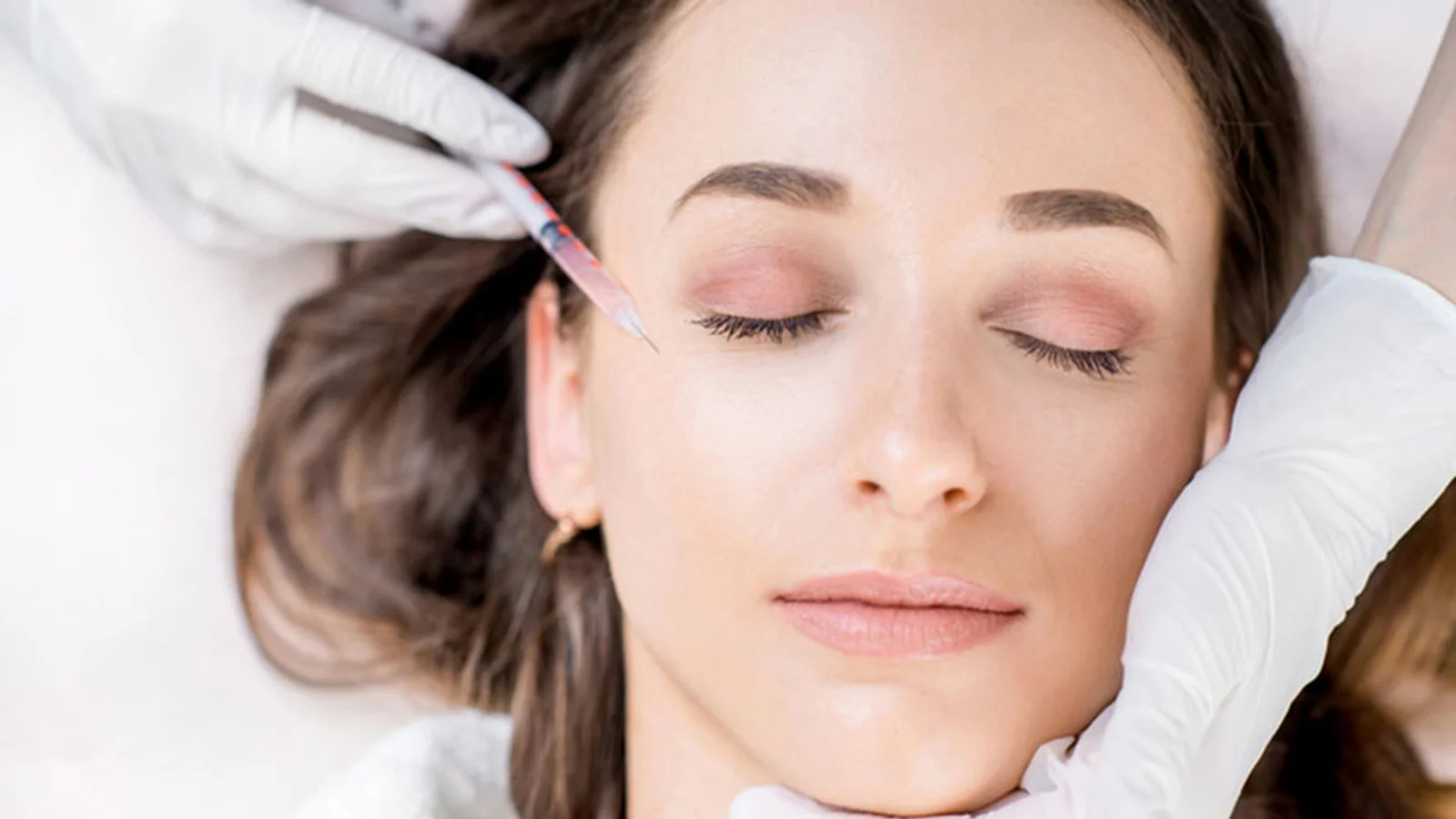
Non-surgical eye rejuvenation includes treatments that improve the appearance of the eye area without incisions or sutures. These options are extremely popular in Seoul facial rejuvenation, especially among younger patients or those seeking subtle enhancement with minimal downtime.
Common modalities include:
Botox to soften crow’s feet and relax muscle overactivity
Dermal fillers to address under-eye hollows or tear troughs
Laser or radiofrequency devices to stimulate collagen and tighten skin
Skin boosters to improve hydration, texture, and luminosity
When Non-Surgical Treatments Work Best
Non-surgical eye rejuvenation is most effective when:
Skin elasticity is still relatively good
Aging appears mainly during facial expression
Volume loss is mild and localized
Patients prefer gradual improvement over immediate change
For patients in their 20s and early 30s, these treatments can deliver refreshed, well-rested results when performed conservatively and strategically.
The Limitations Patients Are Rarely Told About
Here’s an important clinical truth that doesn’t always make it into marketing materials:
Non-surgical treatments cannot remove excess skin.
They can improve skin quality, soften lines, and reduce shadows—but they cannot lift a drooping eyelid fold or eliminate true eye bags caused by fat herniation.
One of the most common issues seen in revision consultations is overfilling the under-eye area. When fillers are used to compensate for sagging skin, the result can be puffiness, heaviness, or an unnatural contour.
At Arke Clinic, Dr. Kim often advises patients to pause or reduce treatment rather than continue adding volume. When non-surgical options start masking a structural issue instead of correcting it, surgery may become the more conservative choice in the long term.
Blepharoplasty vs. Non-Surgical Eye Rejuvenation: A Practical Comparison
Rather than asking which option is “better,” it’s more helpful to ask which is appropriate.
Invasiveness: Blepharoplasty is surgical; non-surgical treatments are not
Downtime: Surgery requires 1–2 weeks; non-surgical treatments involve minimal recovery
Longevity: Surgical results last years; non-surgical results last months
Skin Removal: Only surgery can remove excess skin
Best For: Surgery suits moderate to severe aging; non-surgical treatments suit early changes
Maintenance: Surgery is low-maintenance; non-surgical treatments require repetition
Both approaches have value when chosen correctly.
The “In-Between” Patient: A Surgeon’s Perspective
One of the most common patient profiles seen in plastic surgery in Gangnam is the in-between patient.
They’re no longer ideal candidates for injectables alone—but they’re hesitant about surgery. They want improvement, not transformation.
In these cases, Dr. Kim may recommend a blended strategy:
Minimal-incision blepharoplasty techniques
Conservative energy-based skin tightening
Very limited filler, only where structurally necessary
This approach reflects a core Korean aesthetic philosophy: natural first, visible second. The goal is for others to notice that you look well—not to notice what you’ve had done.
Why Korean Eye Surgery Looks Different
Many international patients worry about unnatural results based on outdated images or misconceptions.
Modern Korean eye surgery prioritizes:
Preservation of individual eye shape
Avoidance of overly high or artificial creases
Maintenance of natural facial expression
Today, blepharoplasty in Seoul is less about changing the eyes and more about removing visual fatigue—allowing your natural features to re-emerge.
How to Decide What’s Right for You
If you’re weighing your options, consider the following questions:
Do my eyelids look heavy even when my face is relaxed?
Have fillers or skin treatments stopped making a difference?
Am I seeking a long-term solution or a temporary refresh?
Can I plan for short-term recovery in exchange for lasting results?
A proper consultation should include eyelid measurements, skin elasticity evaluation, and assessment of overall facial balance. This step is essential for choosing the right approach.
Final Thoughts from Arke Clinic, Gangnam
Eye rejuvenation is deeply personal. The right choice depends on anatomy, age, lifestyle, and expectations—not trends or timelines.
At Arke Clinic Gangnam, patients are guided toward treatments that will age gracefully over time. Under Dr. In-Bae Kim’s leadership, the philosophy remains consistent: safety, restraint, and results that still look natural years later.
If you’ve been considering blepharoplasty in Seoul or wondering whether non-surgical eye rejuvenation is enough, a personalized consultation can help clarify what your eyes truly need.
Sometimes the most meaningful change isn’t doing more—it’s choosing what’s right.
More Medical Articles
Continue reading expert guides on procedure planning, anatomy, and post-operative care.

Lower Blepharoplasty: Minimally Invasive vs. Surgical Eye Outcomes
Lower Blepharoplasty: Minimally Invasive vs. Surgical Eye Outcomes Under-eye aging—characterized by puffiness (pseudo-herniation of fat) and dark circles—is a leading cosmetic concern among Koreans aged 30 to 70.
Learn More

Transconjunctival Blepharoplasty: No-Scar Recovery Benchmarks in Korea
Transconjunctival Blepharoplasty: No-Scar Recovery Benchmarks in Korea As South Korea’s demographic shifts toward a "super-aged" society—with those aged 65 and older projected to exceed 20% of the population by 2025—the demand for periorbital rejuvenation has…
Learn More

Healing the Heart: The Psychological Focus of Korean Revision Eye Surgery
Healing the Heart: The Psychological Focus of Korean Revision Eye Surgery In South Korea, often referred to as the "plastic surgery capital of the world," blepharoplasty (double eyelid surgery) is more than just a cosmetic trend; it is a cultural rite of…
Learn More