1:1 Customized Plastic Surgery & Aesthetic Medicine in Gangnam, Seoul — Led by Dr. In-Bae Kim
★ 5.0 Verified Patient Rating
en-US

Clinical Guide & Insights
Best Recovery Tips After Breast Surgery
Discover the best recovery tips after breast surgery to heal faster, reduce pain, and regain comfort. Get expert advice to support your recovery journey.
Schedule a ConsultationIntroduction

Every breast surgery — whether it involves implants, fat transfer, or tissue reduction — requires the body to adapt to its new structure. During the first few days, the surgical area may feel swollen, tight, or tender. These symptoms are part of your body’s natural healing response. Underneath the surface, the internal tissues and blood vessels are repairing themselves, while your skin gradually accommodates the new volume or contour.
At Arke Clinic, we remind patients that recovery is a layered process. External healing (such as reduction in bruising) may occur within a couple of weeks, but deeper tissue remodeling can take several months. During this time, the implants or tissues settle naturally into position, and the breasts achieve their final softness and contour.
Patient Tip: Avoid heavy lifting, reaching overhead, or intense upper-body workouts for at least 4–6 weeks. These movements can strain sutures and affect tissue healing. Rest is an investment in the longevity of your results.
Essential Recovery Guidelines
1. Follow Your Surgeon’s Instructions Faithfully
Every patient’s recovery plan should be personalized. Factors like skin elasticity, incision placement, implant size, and pre-existing tissue conditions all influence post-operative management. At Arke Clinic Gangnam, our aftercare protocols are based on detailed surgical documentation and real-time progress evaluations. Patients receive guidance on wound care, medication schedules, activity restrictions, and garment use.
While online communities can offer general support, remember that recovery is not one-size-fits-all. What works for one person may not suit another.
Patient Tip: Prioritize your follow-up visits. Even if you feel well, your surgeon can detect early signs of capsular tension, internal swelling, or minor asymmetries long before they become visible. Early intervention ensures smoother healing and optimal symmetry.
2. Support Your Breasts with Proper Compression
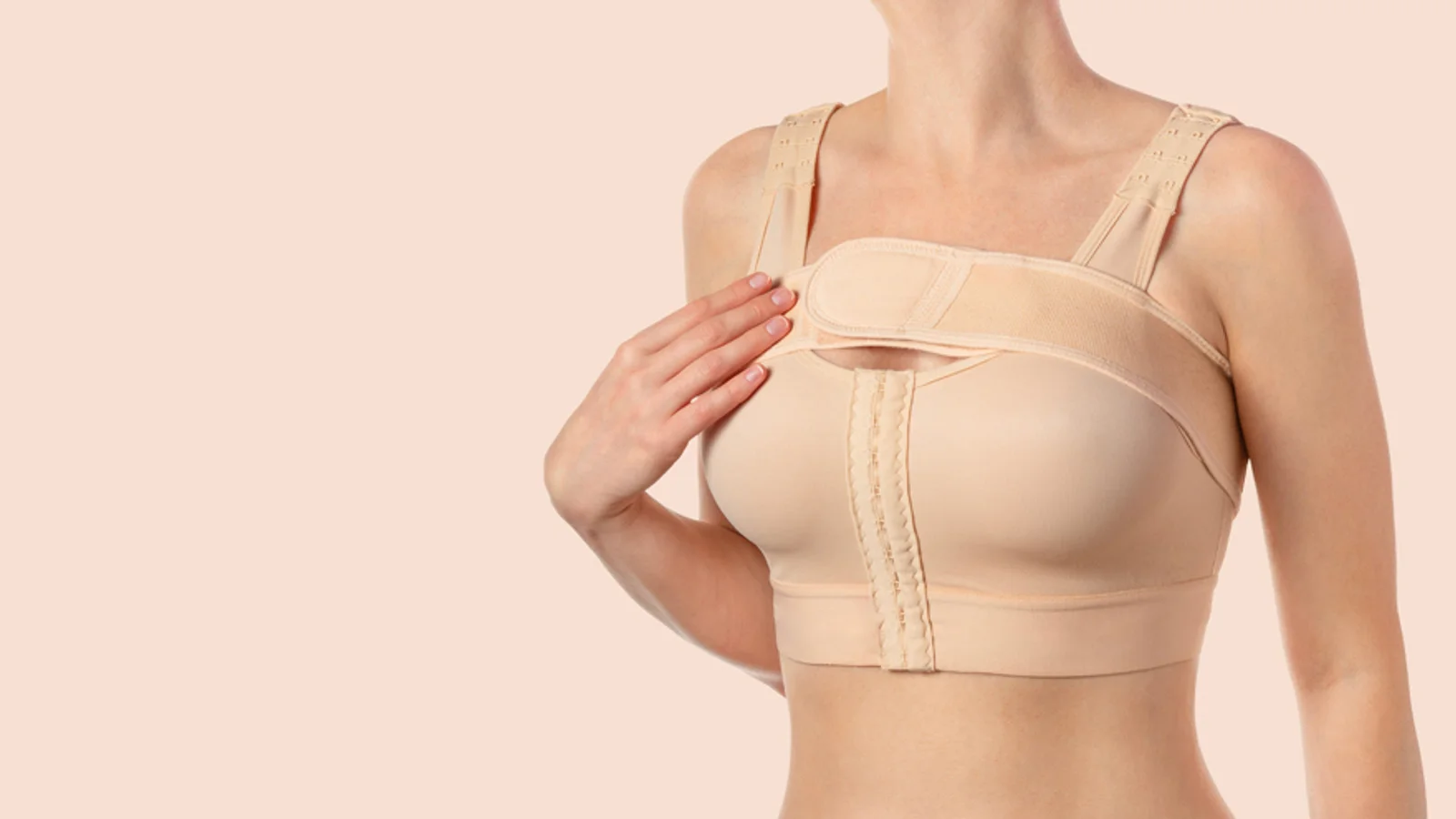
Compression garments play a critical role in post-operative recovery. These medical-grade bras minimize swelling, stabilize implants or reshaped tissue, and prevent unnecessary movement that could affect the final contour. Proper compression also supports blood circulation, which helps reduce inflammation and accelerates healing.
Dr. Kim often explains that the surgical support bra acts like a “protective scaffold” — guiding your breasts into their new natural position while relieving stress on incisions.
Patient Tip: Wear your prescribed compression bra 24 hours a day for the first few weeks, removing it only to shower. After six to eight weeks, transition to a soft, non-wired support bra. Avoid underwire bras until your surgeon confirms that incisions and tissue have fully healed.
3. Maintain a Healing-Focused Diet

Post-surgical recovery requires proper nutrition to fuel cell regeneration and immune function. Protein is the body’s main building block for tissue repair, while vitamins A, C, and E, along with zinc, help strengthen skin integrity and collagen formation.
At Arke Clinic, we often recommend that patients prepare for recovery by optimizing their diet before surgery. Reducing processed foods and alcohol intake beforehand enhances post-operative recovery.
Patient Tip: Eat small, balanced meals rich in lean protein (chicken, fish, tofu), whole grains, and fresh vegetables. Stay hydrated with water and mild herbal teas. Avoid excessive salt, caffeine, or alcohol — all of which can increase inflammation and fluid retention.
4. Manage Swelling with Gentle Movement
Swelling is a normal response to surgery, caused by temporary fluid buildup in the tissues. However, prolonged inactivity can slow circulation and delay recovery. Gentle movement — such as slow walking — encourages lymphatic drainage and reduces the risk of blood clots.
In the early days, you may notice tightness around the chest or underarm area. This usually improves with light stretching and guided mobility exercises after your surgeon’s approval.
Patient Tip: Start with short walks around your home several times a day. Avoid vigorous arm movements or lifting objects heavier than 2–3 kg until cleared by your doctor. Movement should feel comfortable — never forced.
5. Sleep in a Protective Position
Sleeping correctly can make a significant difference in comfort and healing. Lying on your back with your upper body slightly elevated reduces swelling and prevents unnecessary pressure on the chest. It also helps maintain the correct position of your implants or reshaped tissue during the early healing stages.
Patient Tip: Use a wedge pillow or stack two firm cushions to elevate your upper body about 30–45 degrees. Avoid sleeping on your side or stomach until your surgeon advises, as these positions can distort results or stress the incision lines.
Managing Expectations During Recovery
6. Be Patient with Your Progress
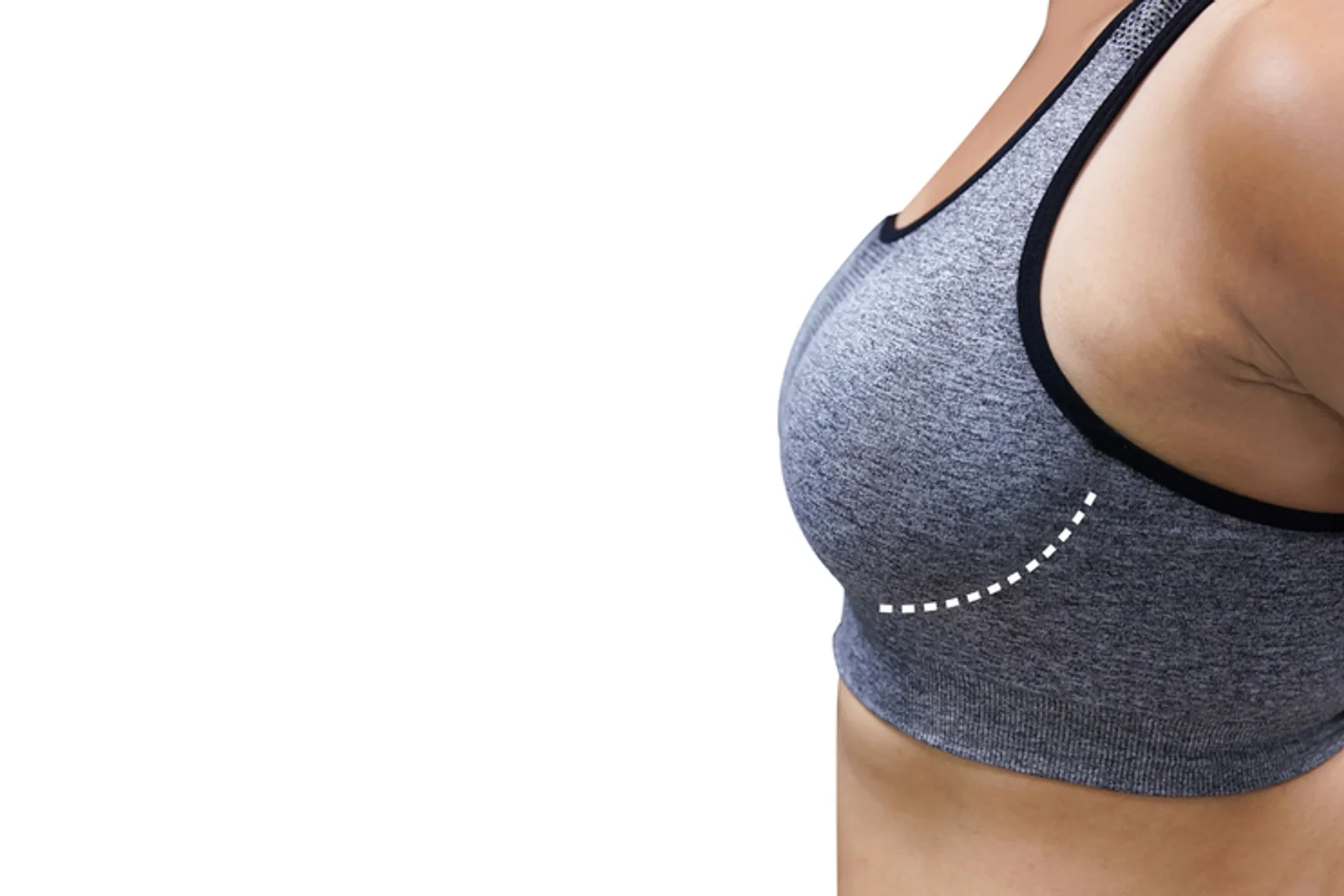
Breast surgery recovery is a journey that unfolds over several months. During the first few weeks, your breasts may appear swollen, firm, or asymmetrical. Over time, they soften and settle into a more natural shape and feel. It’s essential to understand that what you see in the first month is not the final result.
Dr. Kim often tells patients that healing is like refining an artwork — the contours gradually become more harmonious as the body adapts. By three to six months, the breasts typically reach their stable, natural appearance.
Patient Tip: Take progress photos every two to three weeks. Comparing these images can help you appreciate subtle, positive changes that may go unnoticed day-to-day.
7. Nurture Your Emotional Well-Being
Recovery is not only physical but also emotional. It’s common to experience mood fluctuations after surgery due to hormonal shifts, discomfort, or temporary lifestyle limitations. Around one to two weeks post-op, some patients experience a brief emotional dip — a normal stage of healing.
At Arke Clinic, emotional support is integral to our care philosophy. Our staff encourages patients to discuss any concerns openly and provides reassurance throughout recovery.
Patient Tip: Keep a realistic mindset. Surround yourself with supportive family and friends, and communicate with your care team regularly. Emotional calmness directly contributes to better physical recovery and satisfaction.
8. Prioritize Scar Management and Sun Protection
After breast surgery, incisions will gradually fade, but how you care for them will determine their final appearance. Once your surgeon confirms that the wounds have closed, consistent scar management is key.
Silicone-based gels or sheets help flatten and soften scars by maintaining optimal hydration in the skin. Sun exposure can darken scars and slow healing, so protection is essential.
Patient Tip: Apply silicone scar treatment daily and use SPF 50+ sunscreen on exposed areas. For outdoor activities, wear light, breathable clothing that covers the incision lines. At Arke Clinic, patients may also receive optional laser or microneedle treatments to refine scar texture once full recovery is achieved.
The Role of Professional Follow-Up
9. Consistent Monitoring for Optimal Results
Recovery is not a straight line — and regular check-ins with your surgeon ensure everything stays on track. Dr. Kim and the Arke Clinic team schedule detailed post-operative visits at one week, one month, three months, and six months to assess healing, implant position, and tissue flexibility.
This consistent follow-up allows for minor adjustments in care, ensuring results evolve exactly as planned. Whether you’re a local or international patient, ongoing support is available through both in-person and virtual appointments.
Patient Tip: Keep a recovery diary to note any discomfort, unusual sensations, or changes in breast shape. Sharing these details with your surgeon helps maintain precise, proactive care.
Why Recovery Defines Your Final Results
Surgical expertise lays the foundation, but attentive recovery ensures lasting beauty. Proper aftercare enhances skin tone, scar softness, and breast symmetry while reducing complications. At Arke Clinic Gangnam, recovery care is viewed as a continuation of artistry — guiding patients toward results that look refined, balanced, and completely natural.
Dr. Kim’s extensive academic background, including his PhD from Yonsei University and his tenure as an outpatient professor at Seoul St. Mary’s Hospital, informs every step of the clinic’s patient-centered process. Each consultation and follow-up is designed to support safety, aesthetic excellence, and long-term satisfaction.
If you’re considering breast surgery in Seoul, choose a clinic that combines surgical precision with compassionate, individualized aftercare. Arke Clinic’s international reputation is built on meticulous planning, advanced technology, and genuine patient trust.
Final Thought
Recovery after breast surgery isn’t just about waiting — it’s about active, mindful participation in your healing journey. Every choice you make, from how you sleep to how you nourish your body, contributes to the long-term beauty and comfort of your results. With patience, guidance, and expert support, your transformation will continue to refine beautifully over time.
If you’re exploring breast augmentation, reduction, or reconstruction, schedule a consultation at Arke Clinic in Gangnam, Seoul. Our team will guide you from the first consultation to full recovery with the precision, care, and artistry that define Korea’s world-renowned plastic surgery standards.
More Medical Articles
Continue reading expert guides on procedure planning, anatomy, and post-operative care.

Lower Blepharoplasty: Minimally Invasive vs. Surgical Eye Outcomes
Lower Blepharoplasty: Minimally Invasive vs. Surgical Eye Outcomes Under-eye aging—characterized by puffiness (pseudo-herniation of fat) and dark circles—is a leading cosmetic concern among Koreans aged 30 to 70.
Learn More

Transconjunctival Blepharoplasty: No-Scar Recovery Benchmarks in Korea
Transconjunctival Blepharoplasty: No-Scar Recovery Benchmarks in Korea As South Korea’s demographic shifts toward a "super-aged" society—with those aged 65 and older projected to exceed 20% of the population by 2025—the demand for periorbital rejuvenation has…
Learn More

Healing the Heart: The Psychological Focus of Korean Revision Eye Surgery
Healing the Heart: The Psychological Focus of Korean Revision Eye Surgery In South Korea, often referred to as the "plastic surgery capital of the world," blepharoplasty (double eyelid surgery) is more than just a cosmetic trend; it is a cultural rite of…
Learn More