1:1 Customized Plastic Surgery & Aesthetic Medicine in Gangnam, Seoul — Led by Dr. In-Bae Kim
★ 5.0 Verified Patient Rating
en-US


Clinical Guide & Insights
Are Your Eyes Always Tired? Surgery Options That Can Help
Tired eyes every day? Discover effective eye surgery options to reduce strain and restore vitality. Learn more about your treatment choices today.
Schedule a ConsultationIntroduction

To be honest, this is one of the most common frustrations we hear in consultation rooms in Seoul.
Patients sit down, look in the mirror, and say some version of the same thing:
“I sleep well, I’m healthy, but my eyes always look exhausted.”
What’s striking is that this concern comes from people of all ages. Some are professionals in their early 30s who feel their face doesn’t match their energy anymore. Others are in their 50s or 60s and feel their eyes have quietly aged faster than the rest of their features. And many are international patients visiting Korea specifically because subtle, natural eye rejuvenation is something Korean plastic surgery is known for.
If this sounds familiar, you’re not alone. The eye area is often the first place where aging, genetics, and lifestyle quietly accumulate — sometimes years before the rest of the face shows obvious change. And while creams, massages, laser treatments, and eye patches can help temporarily, there are situations where surgery is the most effective and long-lasting solution.
As a clinic based in Gangnam — where aesthetic standards emphasize alert, refreshed, but never “done” — we’ve seen how carefully planned eye surgery can restore vitality without changing who you are.
Let’s walk through why eyes look tired, and which surgical options can genuinely help, depending on the underlying cause.
Why Do Eyes Look Tired Even When You’re Not?
One of the biggest misconceptions patients have is thinking that tired-looking eyes are caused by a single issue. In reality, “tired eyes” are almost always the result of multiple overlapping anatomical changes.
From a surgeon’s perspective, the most common contributors include:
Loose or heavy upper eyelid skin that folds over the lash line
Drooping eyelids (ptosis) caused by weakened eye-opening muscles
Protruding under-eye fat that creates puffiness or bags
Hollow tear troughs that form deep shadows
Thinning skin and gradual loss of elasticity
Subtle asymmetry that draws attention to one eye over the other
What’s important to understand is that these changes don’t follow a strict age timeline. Some patients develop under-eye hollows in their 20s due to genetics. Others notice drooping lids in their 40s due to muscle fatigue and skin laxity. Lifestyle factors — long screen time, eye rubbing, allergies, and sun exposure — can also accelerate changes in this delicate area.
In Korea, many patients seek eye surgery not because they want dramatic transformation, but because they want their face to look as awake and focused as they feel inside. The goal is correction, not exaggeration.
Upper Blepharoplasty: When Heavy Lids Weigh Down Your Expression

Upper blepharoplasty is one of the most frequently performed facial procedures worldwide, yet it’s also one of the most misunderstood.
Outside of Korea, it’s often associated with overly sharp creases or dramatic change. In Seoul facial rejuvenation clinics, however, upper eyelid surgery is approached with a philosophy of restraint — correcting only what interferes with eye openness and expression.
Who It Helps
Upper blepharoplasty may be appropriate if:
Your eyelids feel physically heavy by late afternoon
Makeup smudges or disappears under folded skin
Your eyes appear smaller or perpetually sleepy
You unconsciously raise your eyebrows to keep your eyes open
You experience visual obstruction from excess skin
Many patients don’t realize how much effort they use to keep their eyes open until after surgery, when that strain disappears.
What the Surgery Actually Does
A refined upper blepharoplasty is not simply about removing skin. When performed properly, it involves:
Removing only the excess skin that disrupts eye openness
Preserving or repositioning fat to avoid a hollow appearance
Designing an incision that blends seamlessly with your natural crease
Respecting your original eye shape and ethnic characteristics
At Arke Clinic, surgical planning is individualized. The goal is subtle elevation — the kind where colleagues comment that you look refreshed or well-rested, without being able to pinpoint why.
A Surgeon’s Insight
One detail patients rarely hear is that aggressive upper eyelid surgery can backfire. Over-removal of skin or fat may look acceptable initially, but over time it can make the eyes appear sunken or prematurely aged. A conservative approach often delivers better long-term results.
Ptosis Surgery: When the Issue Isn’t Skin, but Muscle
If people often tell you that you look sleepy — even when your eyelid skin doesn’t seem excessive — ptosis may be the underlying issue.
What Is Ptosis?
Ptosis occurs when the muscle responsible for lifting the eyelid weakens or stretches. This results in:
Eyes that appear partially closed even when alert
Uneven eye height or asymmetry
Chronic forehead tension from compensatory brow lifting
Faster eye fatigue, especially during reading or screen use
In some cases, ptosis develops gradually and goes unnoticed. Many patients assume their tired appearance is due to skin alone, when in reality the muscle itself is underperforming.
Why Ptosis Surgery Is Different
Ptosis correction is both a functional and aesthetic procedure. By adjusting the eyelid-lifting muscle, surgery can:
Improve eye openness and clarity
Restore symmetry between both eyes
Reduce forehead strain and headaches
Create a more alert, engaged expression
Because this procedure involves delicate muscle adjustment, it requires advanced anatomical knowledge and surgical experience. This is why patients are advised to consult with experienced surgeons such as In-Bae Kim, who holds a PhD in Medicine from Yonsei University and has over 17 years of focused experience in facial surgery.
Lower Blepharoplasty: Treating Under-Eye Bags and Sagging
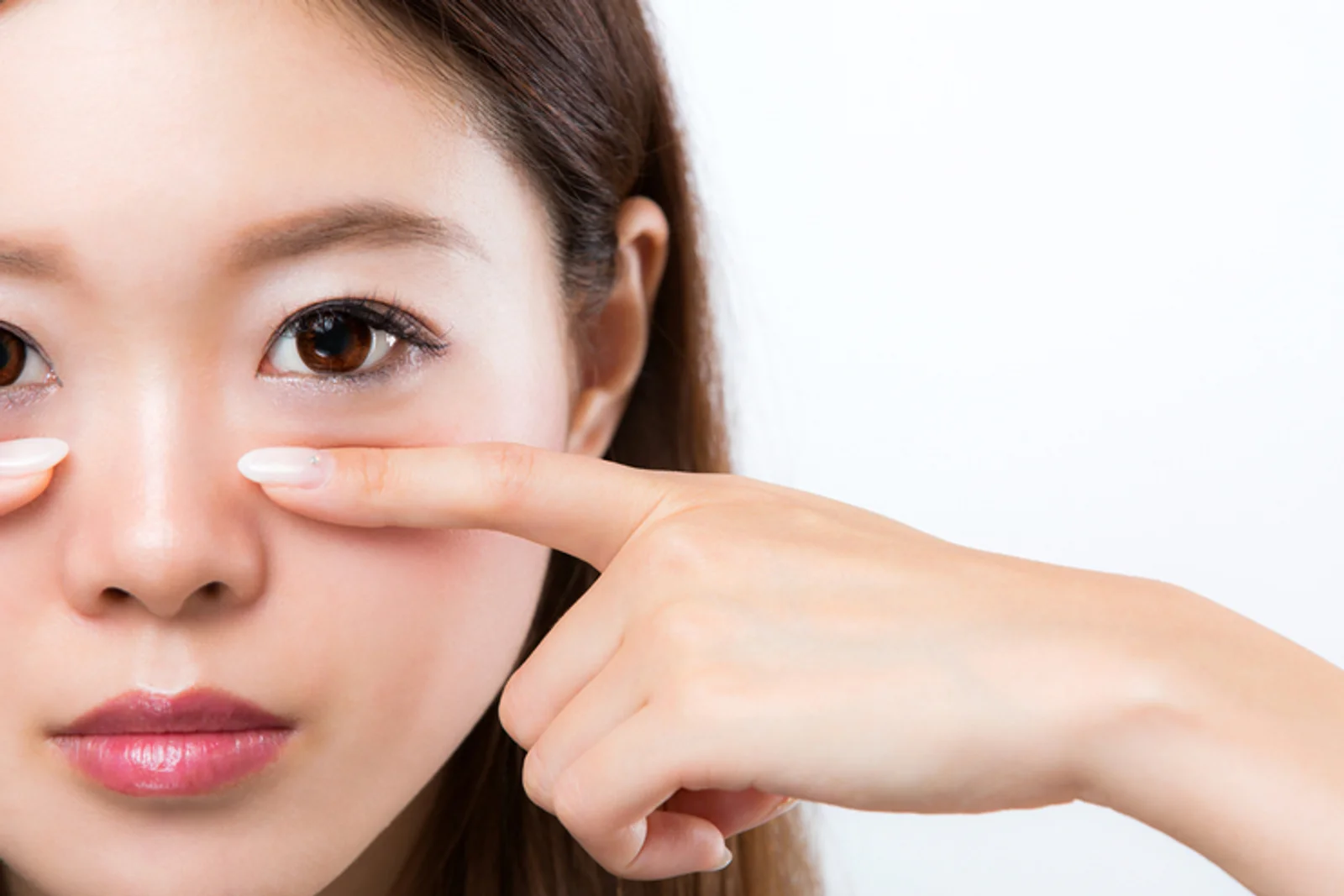
Under-eye bags are one of the most emotionally frustrating concerns for patients. Many describe feeling that their face communicates fatigue or stress even when they feel energetic and healthy.
Why Under-Eye Bags Form
Despite common belief, under-eye bags are rarely caused by lack of sleep alone. Structural factors play a much larger role, including:
Fat pads that gradually shift forward with age
Weakening of the lower eyelid support structures
Skin laxity that allows tissues to descend
These changes can occur independently of lifestyle habits and often have a strong genetic component.
Modern Lower Eyelid Surgery
Contemporary lower blepharoplasty in Korea emphasizes balance rather than removal. The modern approach focuses on:
Repositioning fat to smooth contours instead of aggressively excising it
Gentle skin tightening to improve firmness
Preserving the natural curve and support of the lower eyelid
This method helps avoid complications such as hollowing or a pulled-down appearance, which were more common with older techniques.
Fat Repositioning and Microfat Grafting: When Hollows Create Shadows
Not all tired-looking eyes are puffy. In fact, some of the most fatigued appearances come from volume loss, not excess.
Tear Trough Deformity
A tear trough is the groove between the lower eyelid and the cheek. When this area deepens, it creates shadows that make the eyes look tired or sunken, even in bright lighting. Makeup often settles into this indentation, emphasizing the problem rather than concealing it.
Surgical Solutions
Fat repositioning redistributes existing under-eye fat to soften transitions
Microfat grafting restores gentle volume using carefully processed fat
At Arke Clinic Gangnam, microfat grafting is often combined with eyelid surgery to harmonize the eye area with the midface. Treating the eyes in isolation can sometimes create imbalance, which is why a full facial assessment is essential.
Recovery Expectations: What Patients Should Realistically Know
One reason plastic surgery in Gangnam is internationally respected is the strong emphasis on structured post-operative care and realistic expectations.
Patients are often surprised to learn:
Swelling typically peaks around days 2–3, not immediately after surgery
Bruising varies widely depending on individual healing patterns
Final results settle gradually over 2–3 months
Mild asymmetry during early healing is normal and temporary
With conservative surgical techniques, many patients return to desk work or light social activity within 7–10 days. Full recovery, however, is a gradual process, and patience plays an important role in achieving optimal results.
Will I Still Look Like Myself?
This is often the question patients ask most quietly — and the one surgeons take most seriously.
When eye surgery is done correctly, it doesn’t announce itself. Instead, it removes visual distractions — heaviness, shadow, drooping — that obscure your natural expression.
At clinics like Arke, the guiding principle is simple:
Enhancement should never overpower identity.
The goal is not to change your eyes, but to allow them to reflect your true energy and presence.
Choosing the Right Clinic in Seoul Matters More Than the Procedure
Seoul offers exceptional technical expertise, but outcomes still depend on several critical factors:
Accurate diagnosis and individualized planning
Surgeon experience with both functional and aesthetic correction
Willingness to recommend only what you actually need
One-to-one consultation rather than assembly-line treatment
Long-term thinking rather than trend-driven decisions
Patients seeking blepharoplasty in Seoul often travel internationally — not for dramatic transformation, but for measured, natural correction rooted in medical integrity and thoughtful care.
A Final Thought
If your eyes always look tired, it isn’t vanity to want them to reflect how you actually feel inside.
Whether the solution involves upper blepharoplasty, ptosis repair, lower eyelid surgery, or microfat grafting, the most important factor is individualized diagnosis and conservative planning.
If you’ve been considering eye rejuvenation, consult with a trusted clinic like Arke Clinic in Gangnam, where patient-first care, surgical precision, and natural outcomes form the foundation of every treatment.
Sometimes, the most meaningful change is simply allowing your eyes to look as awake, focused, and confident as you truly are.
More Medical Articles
Continue reading expert guides on procedure planning, anatomy, and post-operative care.

Lower Blepharoplasty: Minimally Invasive vs. Surgical Eye Outcomes
Lower Blepharoplasty: Minimally Invasive vs. Surgical Eye Outcomes Under-eye aging—characterized by puffiness (pseudo-herniation of fat) and dark circles—is a leading cosmetic concern among Koreans aged 30 to 70.
Learn More

Transconjunctival Blepharoplasty: No-Scar Recovery Benchmarks in Korea
Transconjunctival Blepharoplasty: No-Scar Recovery Benchmarks in Korea As South Korea’s demographic shifts toward a "super-aged" society—with those aged 65 and older projected to exceed 20% of the population by 2025—the demand for periorbital rejuvenation has…
Learn More

Healing the Heart: The Psychological Focus of Korean Revision Eye Surgery
Healing the Heart: The Psychological Focus of Korean Revision Eye Surgery In South Korea, often referred to as the "plastic surgery capital of the world," blepharoplasty (double eyelid surgery) is more than just a cosmetic trend; it is a cultural rite of…
Learn More