1:1 Customized Plastic Surgery & Aesthetic Medicine in Gangnam, Seoul — Led by Dr. In-Bae Kim
★ 5.0 Verified Patient Rating
en-US

Clinical Guide & Insights
Alar Base Reduction: What to Expect & Who Is a Candidate
Discover what alar base reduction involves, who qualifies, and what to expect from this nose reshaping procedure. Learn more in our expert guide.
Schedule a ConsultationIntroduction
Walk through the busy streets of Seoul’s Gangnam district and you’ll quickly notice how subtle beauty defines the aesthetic here. People don’t want dramatic, obvious changes; they want refinement — a natural harmony between features. One procedure that captures this philosophy perfectly is alar base reduction, a surgical method to refine wide nostrils and create balance in the nose.
At Arke Clinic, we often meet patients who say, “My nose looks too wide when I smile” or “I love my profile, but from the front my nostrils feel overwhelming.” These are very common feelings, and they point to why alar base reduction has become an essential part of modern rhinoplasty in Korea.
What Is Alar Base Reduction?
The alar base refers to the outer edges of the nostrils where the nose meets the cheeks. For some individuals, this area appears flared, wide, or asymmetrical, creating a heavier look in the lower third of the face.
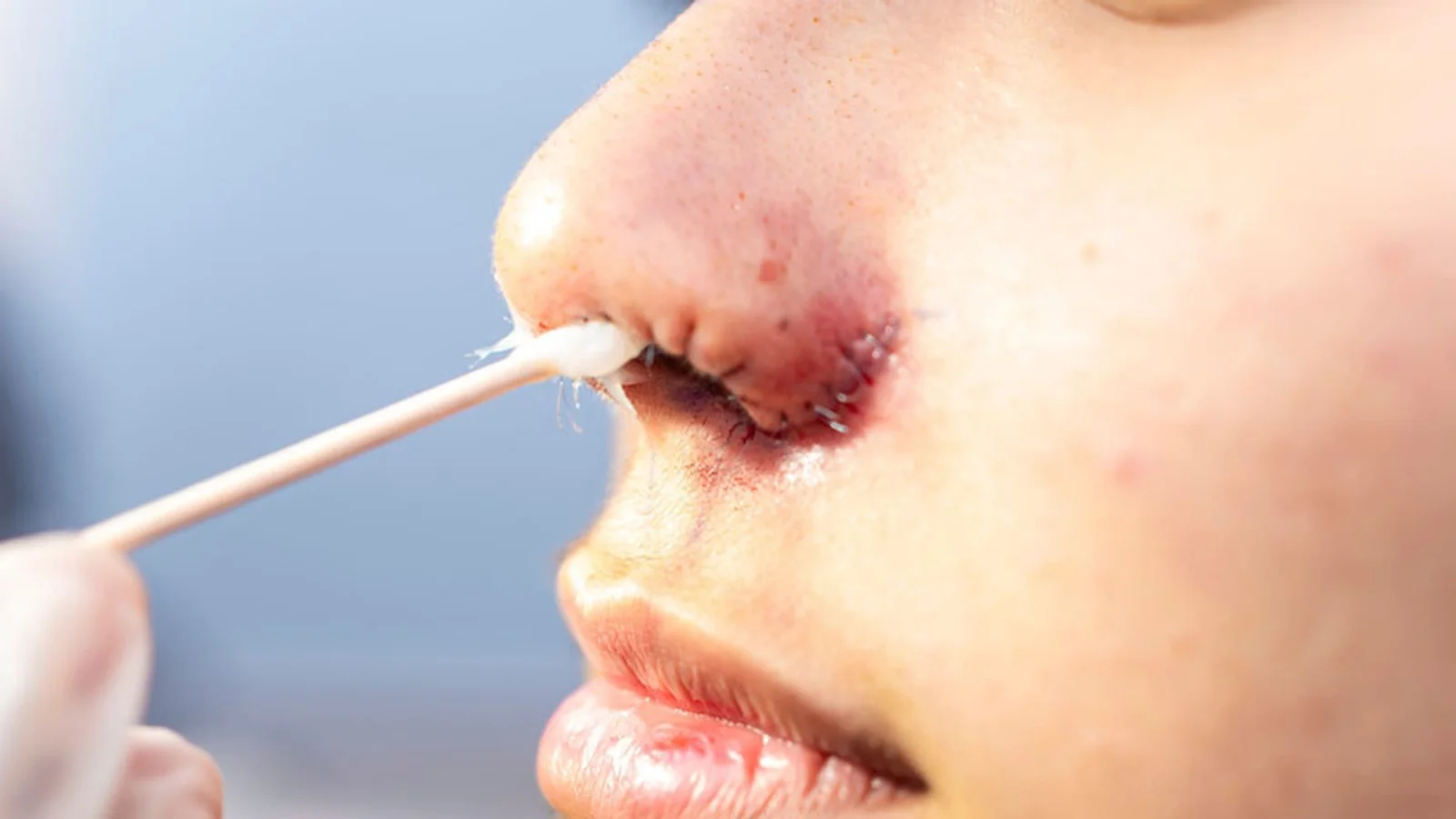
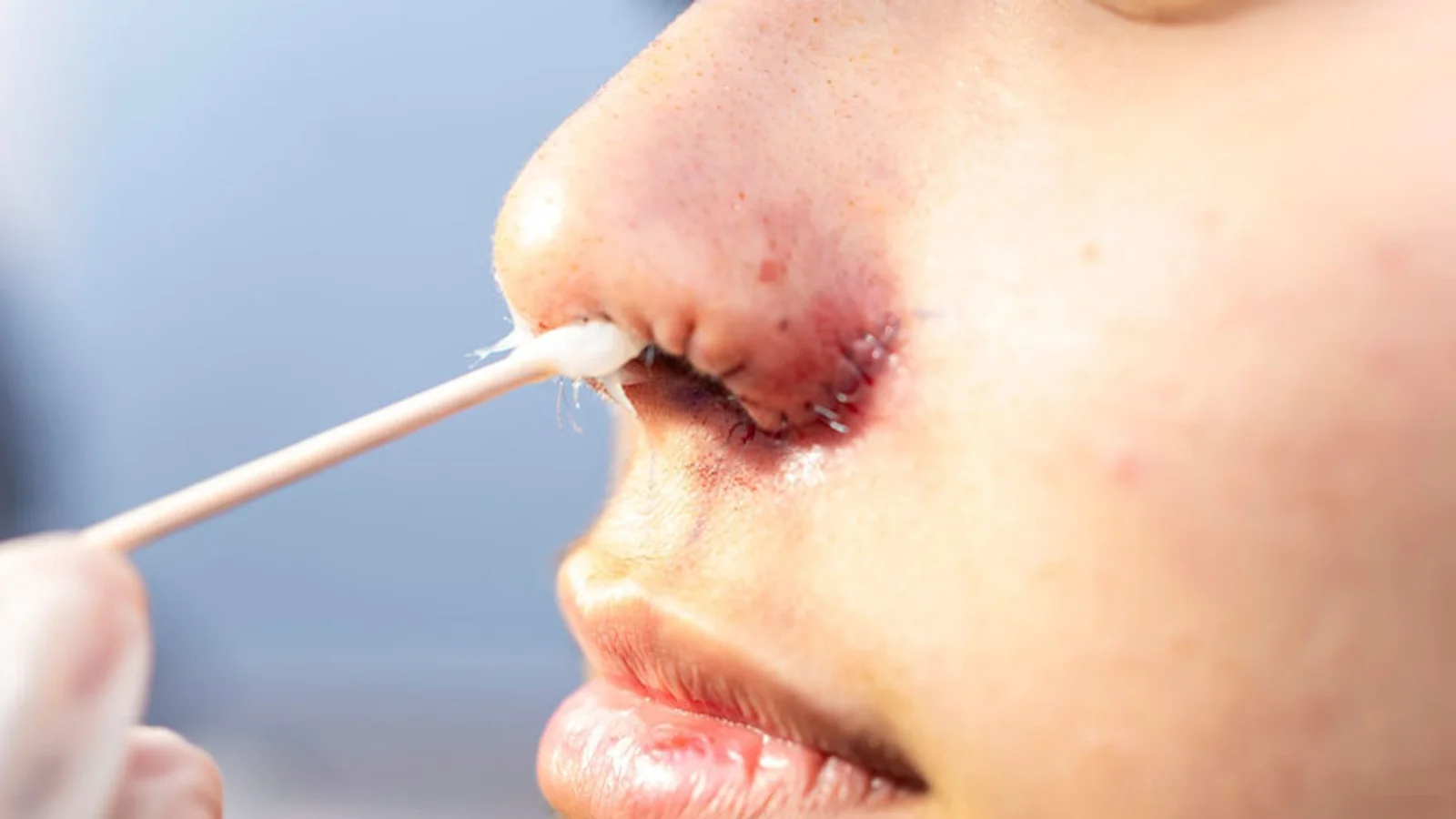
Alar base reduction (alarplasty) is a minor surgical procedure that narrows this base. It involves removing a small, carefully measured wedge of skin at the nostril’s outer edge or base, then suturing it in a way that preserves natural curvature.
There are a few different techniques depending on the patient’s anatomy:
Weir excision: Removes a wedge at the nostril’s outer edge.
Sill excision: Reduces width by removing tissue at the floor of the nostril base.
Combined techniques: Used when both flare and sill width need adjustment.
Think of it less like “shrinking” the nose and more like fine-tuning the frame of a painting. By reshaping the base, the entire nose looks more proportionate — often without changing the bridge or tip.
Why Patients Consider Alar Base Reduction
Every patient’s motivation is unique, but some common concerns include:
Wide nostrils from the front view – The nose may appear broader than the rest of the face.
Nostril flare when smiling – For some, expressions accentuate width more than at rest.
Desire for balance after rhinoplasty – Patients who have had bridge or tip surgery sometimes notice the base now looks disproportionate.
Cultural and aesthetic preferences – In Korea and abroad, many patients seek a more refined, delicate nasal contour while keeping their ethnic identity intact.
What many people overlook is that this is not just about beauty standards. It’s about confidence. When patients say, “I feel like people only see my nostrils when I talk,” that sense of self-consciousness is what surgery can truly relieve.
At Arke Clinic, we find that patients often underestimate how much a subtle change at the nostril base can transform their overall appearance. A slight narrowing can make the tip look sharper, the bridge more elegant, and even the face more symmetrical.
Who Is a Good Candidate?

Not every wide nose requires alar base reduction. At Arke Clinic, we consider several factors before recommending it:
Proportion to the face: If the nostrils are significantly wider than the nasal bridge or facial width, reduction may help.
Nostril shape: Some patients have rounded, pear-shaped nostrils that can be reshaped effectively.
Skin type and healing: Thicker skin may affect scar visibility and healing time.
Patient goals: The key is harmony, not drastic change. We spend significant time ensuring the patient’s vision aligns with realistic outcomes.
Previous surgeries: Patients who have undergone rhinoplasty may or may not need further reduction — sometimes the perception of width changes after bridge or tip refinement alone.
To be honest, one of the most important candidacy factors is psychology. A patient who seeks refinement — not perfection — will be far happier with their results.
The Procedure Step by Step
Alar base reduction is usually performed under local anesthesia with sedation, though it can also be combined with full rhinoplasty under general anesthesia. The procedure takes around 30–60 minutes on its own.
Marking the incision lines – Dr. In-Bae Kim carefully maps the wedge excision so the final scar hides along the natural crease.
Tissue removal – A very small triangular or oval segment of tissue is removed from each nostril base.
Reshaping and closure – The nostrils are sutured in a way that maintains symmetry and preserves airflow.
Because the incision sits in the natural crease where nostril meets cheek, scars are usually discreet and fade over time. Patients often comment that friends or colleagues never notice the change — only that their face looks more balanced.
Recovery & Healing
Most patients are surprised at how manageable recovery feels compared to full rhinoplasty.
Swelling and bruising: Minimal and often localized to the nostril area.
Stitches: Typically removed within 5–7 days.
Downtime: Patients often return to daily activities within a week.
Final results: Subtle refinement appears within a month, but full maturation takes several months.
During the first few days, patients may feel mild tightness or see redness around the incision, but this subsides quickly. Scar care — including silicone gels or laser therapy if needed — helps ensure long-term discretion.
What many overlook is the emotional part of recovery. At first, some patients feel their nostrils look “too small” — but this is almost always due to temporary swelling or adjustment. Over weeks, the balance settles and the change feels natural.
Risks & Considerations

Any surgery carries risk, though complications are rare in experienced hands. Possible issues include:
Asymmetry – Small differences may persist if nostrils were uneven before surgery.
Visible scarring – More likely in patients with certain skin types.
Over-reduction – Nostrils that look pinched or too narrow.
Breathing changes – Uncommon if performed conservatively, but important to monitor.
This is why choosing a clinic that values precision and restraint is critical. At Arke Clinic, Dr. Kim emphasizes “measured change” — reducing enough for elegance without compromising function.
How Alar Reduction Complements Other Nose Surgeries
In many cases, alar base reduction is not performed alone. It often complements other rhinoplasty techniques, such as:
Tip plasty – Refining the nasal tip while narrowing the base creates harmony in both vertical and horizontal dimensions.
Bridge augmentation – When the bridge is raised (often with cartilage grafts or implants), the nostril width can appear exaggerated unless adjusted.
Revision rhinoplasty – Patients dissatisfied with nostril shape after previous surgery may benefit from alarplasty.
The decision depends on facial proportion as a whole. At Arke Clinic, we use 3D imaging and detailed simulation to help patients visualize how changes at the base affect the entire face.
Why Patients Choose Korea for Alar Base Reduction
Seoul, particularly Gangnam, is considered the global hub for rhinoplasty. International patients often come here not just for advanced techniques, but also for the cultural philosophy of natural beauty.
In Korea, surgeons are trained to approach rhinoplasty not as a single operation, but as a nuanced blend of procedures that respect facial balance. Alar base reduction here is typically more subtle than in Western approaches, reflecting an emphasis on refinement rather than drastic alteration.
At Arke Clinic, we see patients from across Asia, the Middle East, and even Europe who want refinement rather than drastic reshaping. They appreciate that the surgery is tailored — respecting ethnic features while enhancing proportion.
Alar Base Reduction at Arke Clinic
Dr. In-Bae Kim brings more than 17 years of surgical expertise, with a foundation as an outpatient professor at Seoul St. Mary’s Hospital. His philosophy is clear: every nose should fit the face, not the trend.
Patients who visit Arke Clinic for alar base reduction receive:
One-to-one consultations with detailed imaging and discussion
Customized surgical planning to balance bridge, tip, and base
Extended aftercare for scar management and swelling control
Natural results that blend seamlessly into the patient’s identity
What sets our clinic apart is not just the technical execution, but the patient-first approach. Many of our patients mention how supported they felt throughout recovery — with regular check-ins, guidance on skincare, and reassurance whenever doubts arose.
Final Thoughts
Alar base reduction may be a small procedure, but its impact is profound. By refining the nostrils, the entire face often feels more balanced, confident, and harmonious.
If you’ve been considering alarplasty in Seoul, consult with a trusted clinic like Arke in Gangnam for personalized guidance. With careful planning and experienced hands, the outcome is not just a smaller base — but a nose that feels naturally yours.
More Medical Articles
Continue reading expert guides on procedure planning, anatomy, and post-operative care.

Lower Blepharoplasty: Minimally Invasive vs. Surgical Eye Outcomes
Lower Blepharoplasty: Minimally Invasive vs. Surgical Eye Outcomes Under-eye aging—characterized by puffiness (pseudo-herniation of fat) and dark circles—is a leading cosmetic concern among Koreans aged 30 to 70.
Learn More

Transconjunctival Blepharoplasty: No-Scar Recovery Benchmarks in Korea
Transconjunctival Blepharoplasty: No-Scar Recovery Benchmarks in Korea As South Korea’s demographic shifts toward a "super-aged" society—with those aged 65 and older projected to exceed 20% of the population by 2025—the demand for periorbital rejuvenation has…
Learn More

Healing the Heart: The Psychological Focus of Korean Revision Eye Surgery
Healing the Heart: The Psychological Focus of Korean Revision Eye Surgery In South Korea, often referred to as the "plastic surgery capital of the world," blepharoplasty (double eyelid surgery) is more than just a cosmetic trend; it is a cultural rite of…
Learn More