1:1 Customized Plastic Surgery & Aesthetic Medicine in Gangnam, Seoul — Led by Dr. In-Bae Kim
★ 5.0 Verified Patient Rating
en-US

Clinical Guide & Insights
5 Signs You’re Ready for Nose Surgery (Beyond Aesthetics)
Discover 5 key signs you're ready for nose surgery—not just for looks. Explore health and lifestyle reasons. Learn more to see if it's time for a change.
Schedule a ConsultationIntroduction
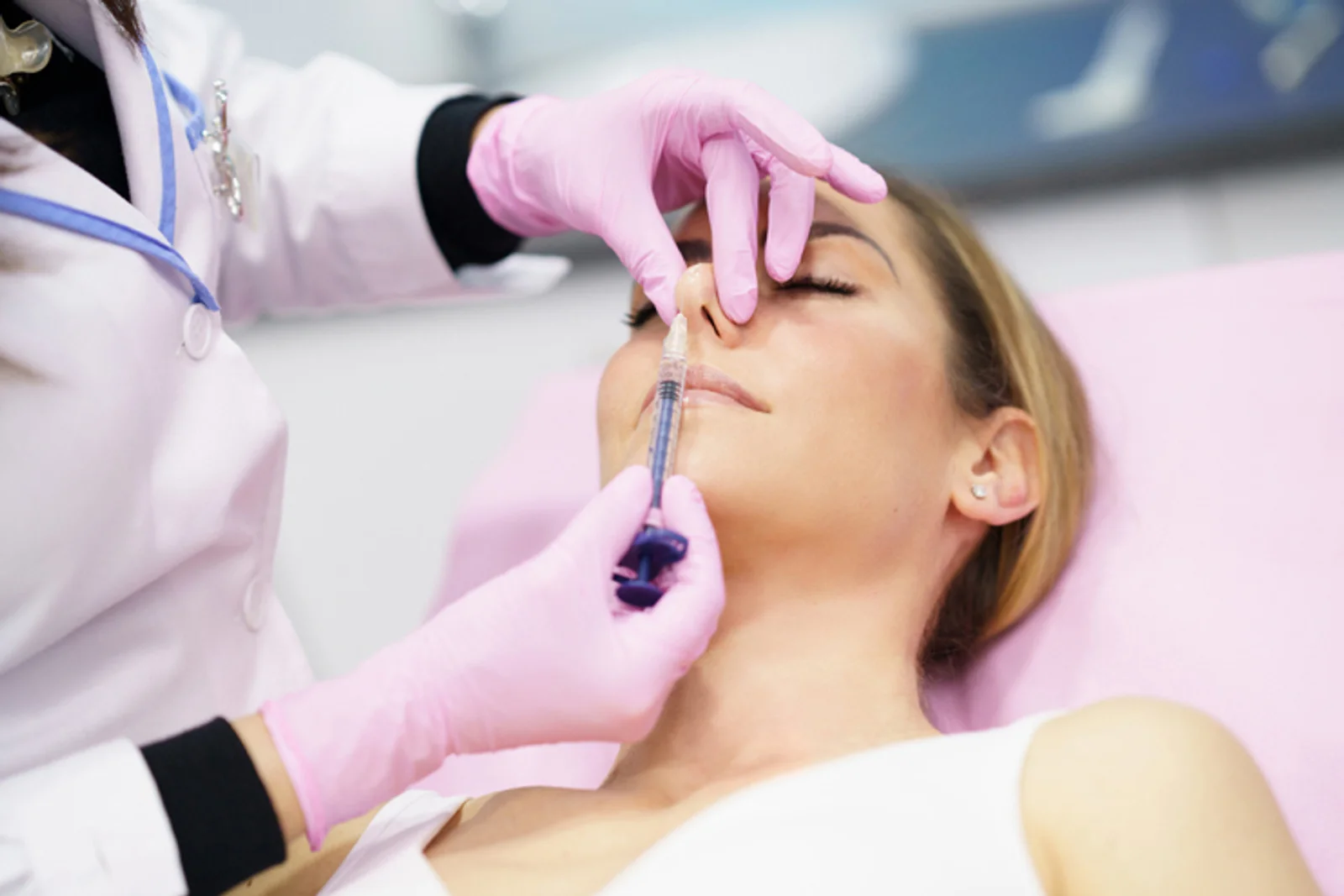
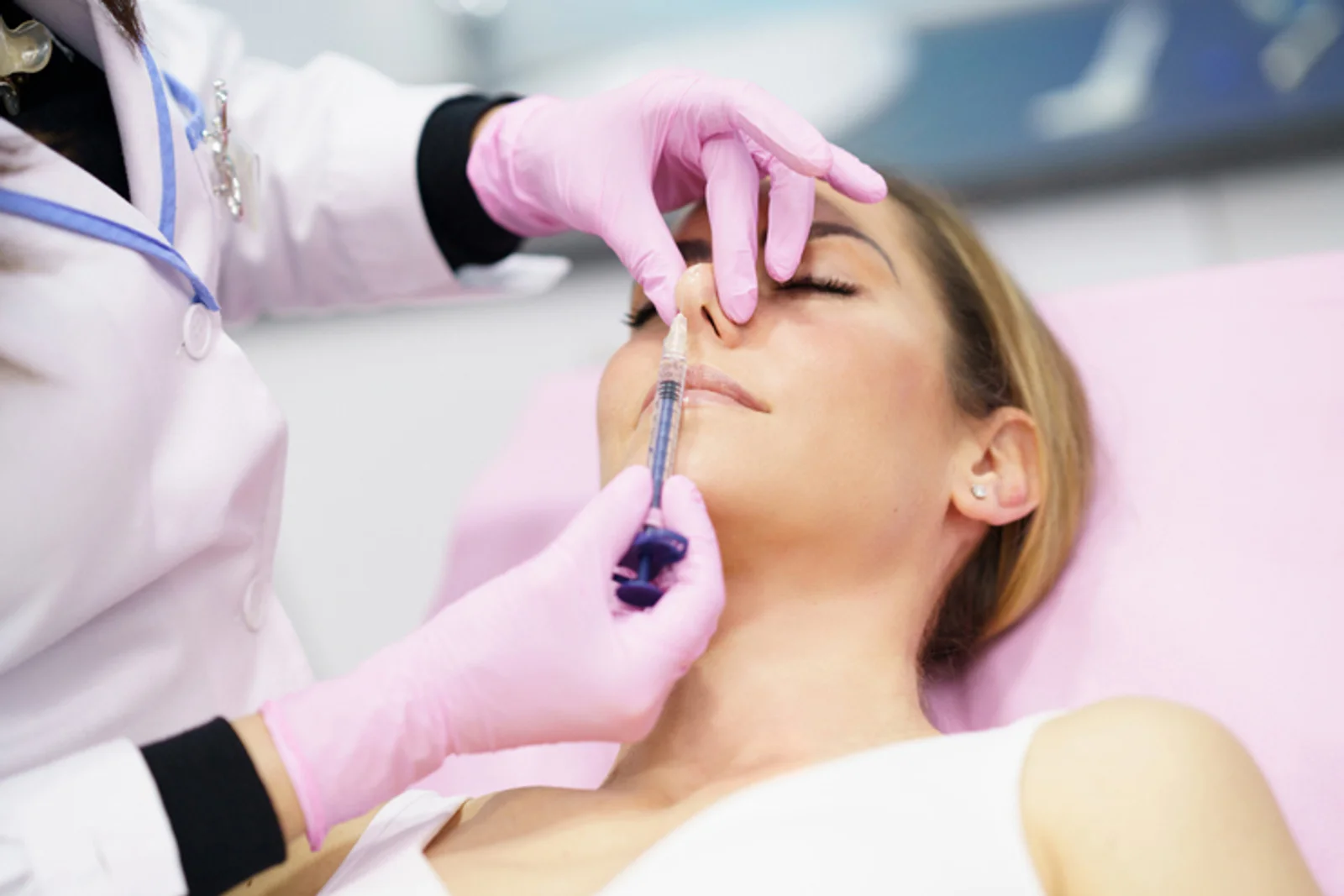
When most people think about rhinoplasty — often called nose surgery — their minds go straight to beauty. They picture slimmer bridges, lifted tips, or refined profiles. But what many overlook is that the decision to have nose surgery is rarely about vanity alone.
At Arke Clinic in Gangnam, Seoul, we meet patients from Korea and abroad who come with more layered reasons. Yes, they may want a nose that feels more balanced with their face, but often just as important are issues like difficulty breathing, lingering discomfort from an old injury, or even the quiet desire to finally feel at peace when looking in the mirror.
The truth is, rhinoplasty can change the way you look, but it can also change how you feel and function. It is both an art and a science — and for the right patient, it can be life-enhancing in ways they didn’t expect.
If you’ve been wondering whether this procedure is for you, here are five deeper signs you may actually be ready for nose surgery — going far beyond appearances.
1. You Struggle with Breathing or Sleep
One of the most overlooked reasons for rhinoplasty is simple: you can’t breathe as well as you should.
Patients often tell us they’ve lived with nasal obstruction for years, not realizing that structural issues inside the nose — like a deviated septum, enlarged turbinates, or narrow nasal valves — were the culprit. What starts as mild congestion often turns into:
Chronic mouth breathing, especially at night
Snoring or disrupted sleep (sometimes even sleep apnea symptoms)
Difficulty sustaining aerobic exercise due to limited airflow
For many, the difference after corrective rhinoplasty is night and day. Imagine jogging without gasping through your mouth, or finally sleeping through the night without snoring. That kind of change is not just cosmetic — it improves health and quality of life.
At Arke Clinic, Dr. In-Bae Kim often integrates functional rhinoplasty techniques into aesthetic procedures. This ensures the airway is opened while the external shape is refined. Patients are often surprised that after surgery, what feels most life-changing is not just how their nose looks, but how freely they can finally breathe.
2. Past Injuries Have Changed Your Nose

Another common but under-discussed reason for rhinoplasty is trauma. Sports injuries, childhood falls, even small fractures that were never treated — these can alter both the shape and the function of the nose.
For some patients, the change is subtle: a slightly crooked bridge, a tip that droops unevenly, or asymmetry that becomes more noticeable in photos. For others, the injury leaves lasting functional problems like obstruction or chronic sinus discomfort.
In consultations at Arke Clinic, patients are often surprised when we show them digital imaging that compares their current nose to a more balanced version. Many hadn’t realized how much an old injury had affected their overall facial harmony.
Dr. Kim often describes this process as restoring a sculpture that has been chipped or bent. It’s not about making the nose “perfect” but about carefully reconstructing the underlying form so that both function and beauty align again. For patients who have carried the effects of an injury for years, this can feel like finally reclaiming a part of themselves.
3. Your Nose Feels Out of Harmony with Your Face
If you’ve ever thought, “My nose just doesn’t match the rest of me,” you’re not alone.
This is one of the most frequent motivations patients share. It’s rarely about hating their nose outright. Instead, they feel a sense of imbalance — perhaps the bridge feels too wide, the tip too bulbous, or the nose a little too long for their proportions.
In Korean aesthetics especially, the goal is not dramatic change, but balance. A well-proportioned nose can soften strong features, enhance delicate ones, and create a sense of facial symmetry that feels naturally beautiful.
Patients often describe small frustrations that add up over time:
Avoiding side-profile photos
Feeling distracted by their nose when applying makeup
Wondering if others notice the imbalance as much as they do
What many don’t realize is that even subtle adjustments can restore this sense of harmony. Rhinoplasty, when done with precision and restraint, doesn’t erase individuality. It simply allows the nose to blend seamlessly with the rest of the face.
At Arke Clinic, this philosophy is central. We don’t believe in “cookie-cutter noses.” Each nose is approached like a piece of architecture within a larger design — personalized, measured, and respectful of the patient’s unique identity.
4. You’ve Reached Emotional Readiness

This may be the most important sign of all.
Cosmetic surgery is not just about technical changes. It also requires emotional maturity, patience, and clear expectations. Too often, people think of surgery as a quick fix for self-esteem or as something to do impulsively after a breakup, job rejection, or comment from a friend. Those situations usually do not lead to satisfaction.
At Arke Clinic, we encourage patients to reflect deeply before committing. Some helpful questions we often pose include:
Have you thought about rhinoplasty for years, or only recently?
Are you making this decision for yourself, or to meet someone else’s expectations?
Do you understand that surgery can enhance your features but will not change your entire life?
The happiest patients are those who say: “I’ve thought about this carefully, I’m doing this for myself, and I trust the process.”
Dr. Kim often shares an insight from his years in surgery: “The nose you create must fit not only the face, but also the patient’s life.” That means ensuring a patient is psychologically and emotionally ready for change — because only then can the results bring genuine confidence and peace.
5. You’re Prepared for Recovery and Aftercare
Finally, being ready for rhinoplasty means being ready for what comes after.
The surgery itself may take only a few hours, but the healing process lasts months. Swelling, bruising, temporary congestion, and gradual refinement of the nose are all part of the journey. Some patients see 70–80% of their result in the first few months, but subtle changes continue for up to a year.
Recovery also requires discipline:
Sleeping with the head elevated to reduce swelling
Avoiding strenuous activity for several weeks
Attending follow-up appointments for check-ups and cleaning
Caring for the nose gently to protect the new structure
To be honest, this stage is where many clinics fall short. Patients may feel left alone after surgery, unsure whether what they’re experiencing is normal.
At Arke Clinic, we emphasize extended post-op care. Every patient receives detailed guidance, regular monitoring, and one-on-one support throughout healing. This not only ensures safety, but also protects long-term results.
If you feel ready to commit to the recovery process with as much dedication as the surgery itself, you’re truly prepared for rhinoplasty.
Final Thoughts
Nose surgery is rarely just about making a face prettier. It’s about restoring balance, improving function, and supporting confidence in a way that feels natural and authentic.
The most satisfied patients are those who recognize the deeper reasons behind their decision — whether it’s breathing more easily, correcting an old injury, or simply bringing harmony to their features.
At Arke Clinic in Gangnam, Seoul, Dr. In-Bae Kim brings more than 17 years of surgical expertise, a PhD in Medicine from Yonsei University, and years of teaching experience at Seoul St. Mary’s Hospital. His philosophy blends artistry with safety, precision with compassion.
Whether your goal is a refined profile, freer breathing, or simply the confidence to face the world without hesitation, rhinoplasty may be a meaningful step forward.
If you’ve been considering nose surgery, schedule a 1:1 consultation with Arke Clinic Gangnam to explore a plan designed uniquely for you — balancing aesthetics, function, and long-term care.
More Medical Articles
Continue reading expert guides on procedure planning, anatomy, and post-operative care.

Lower Blepharoplasty: Minimally Invasive vs. Surgical Eye Outcomes
Lower Blepharoplasty: Minimally Invasive vs. Surgical Eye Outcomes Under-eye aging—characterized by puffiness (pseudo-herniation of fat) and dark circles—is a leading cosmetic concern among Koreans aged 30 to 70.
Learn More

Transconjunctival Blepharoplasty: No-Scar Recovery Benchmarks in Korea
Transconjunctival Blepharoplasty: No-Scar Recovery Benchmarks in Korea As South Korea’s demographic shifts toward a "super-aged" society—with those aged 65 and older projected to exceed 20% of the population by 2025—the demand for periorbital rejuvenation has…
Learn More

Healing the Heart: The Psychological Focus of Korean Revision Eye Surgery
Healing the Heart: The Psychological Focus of Korean Revision Eye Surgery In South Korea, often referred to as the "plastic surgery capital of the world," blepharoplasty (double eyelid surgery) is more than just a cosmetic trend; it is a cultural rite of…
Learn More